Lego is introducing new Smart Bricks with advanced sensor technology at CES 2026, capable of recognizing other bricks, activating effects, and playing music, with upcoming Star Wars sets that will feature interactive lights and sounds, enhancing play experiences with smart, connected components.

Leica is developing its own image sensors again, signaling a move towards more in-house innovation in camera technology, with ongoing projects that could lead to new Leica cameras in the future, although timelines are uncertain.
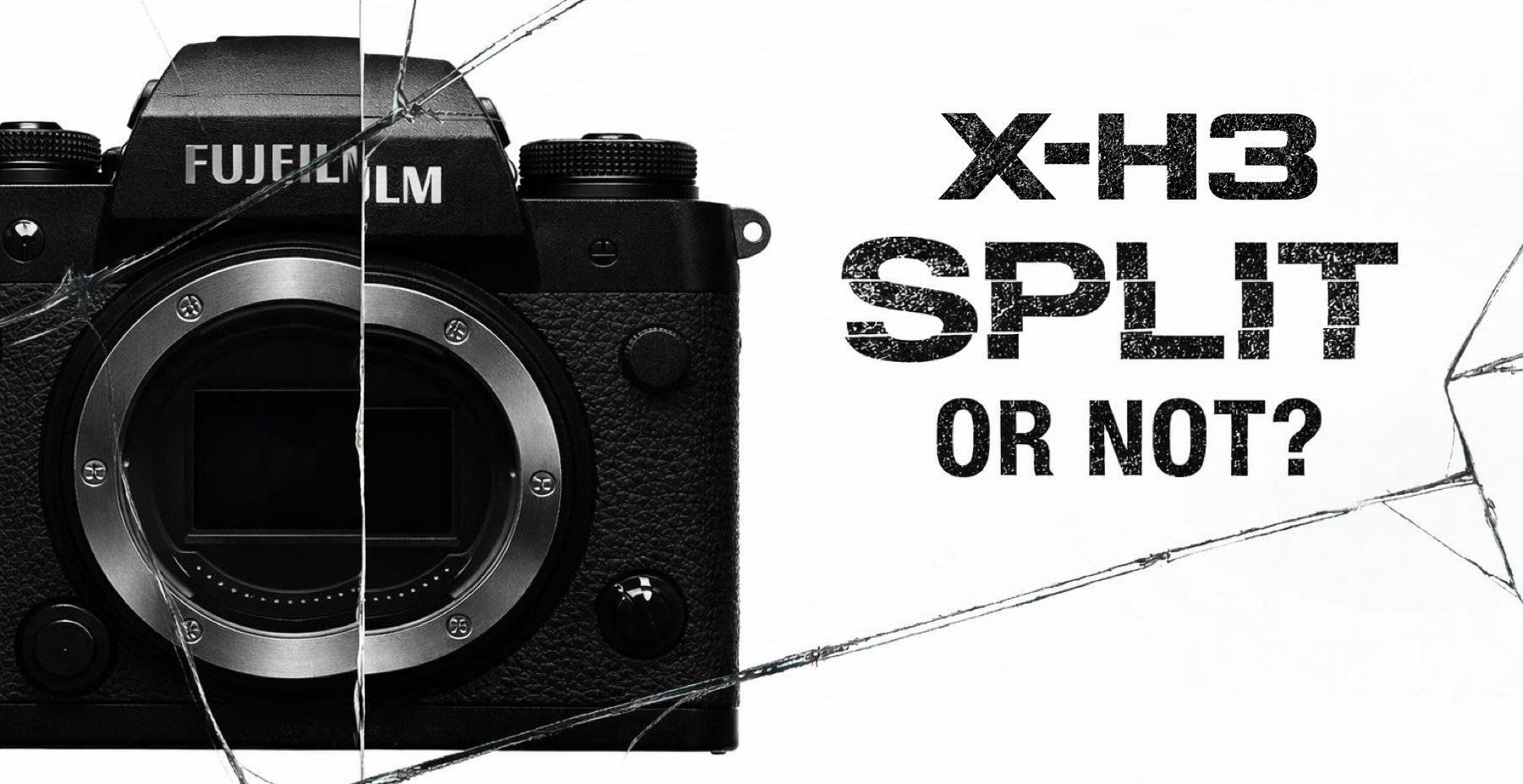
The article discusses whether Fujifilm should merge its X-H2 and X-H2S cameras into a single X-H3 model, weighing the benefits of a unified sensor with high resolution and speed against maintaining two distinct models to serve different photographer needs. The author favors keeping the lines separate to cater to resolution-focused and speed-focused users, citing sensor technology and user shooting habits as key considerations.
Samsung's Galaxy Watch8 series introduces advanced sensors that enable early detection of health issues like ectopic beats and vascular stress, while also providing insights into diet and sleep to promote healthier habits and preventative care.
NASA is testing advanced supersonic parachutes with innovative sensors to improve Mars mission safety and reliability, involving collaborations across research centers and industries, with potential applications beyond space exploration.
A study using sensors in hospital bathrooms revealed that nearly 44% of people do not wash their hands after flushing, highlighting the need for more effective behavioral strategies to improve hygiene and prevent infection spread in healthcare settings.
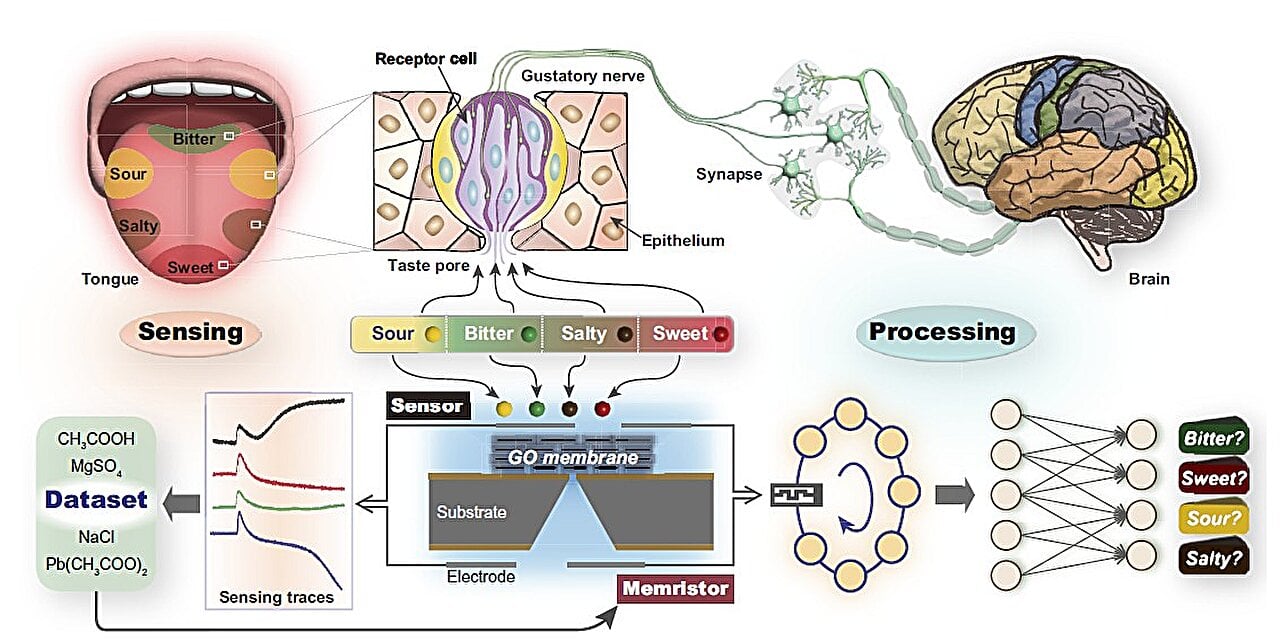
Researchers have developed a graphene-based artificial tongue that uses machine learning to mimic human taste perception, capable of identifying basic and complex flavors with high accuracy, and operating in moist environments similar to the human mouth, with potential applications in restoring taste for those with sensory loss.
Apple has filed a patent for future Apple Watch models to serve as personal digital pool assistants, using sensor data to detect irregular behavior in swimmers and alert nearby devices if someone is in distress, potentially preventing drowning incidents. This feature could be deployed in various types of freshwater pools and aims to address the significant issue of drowning-related deaths, although the filing does not guarantee its materialization.
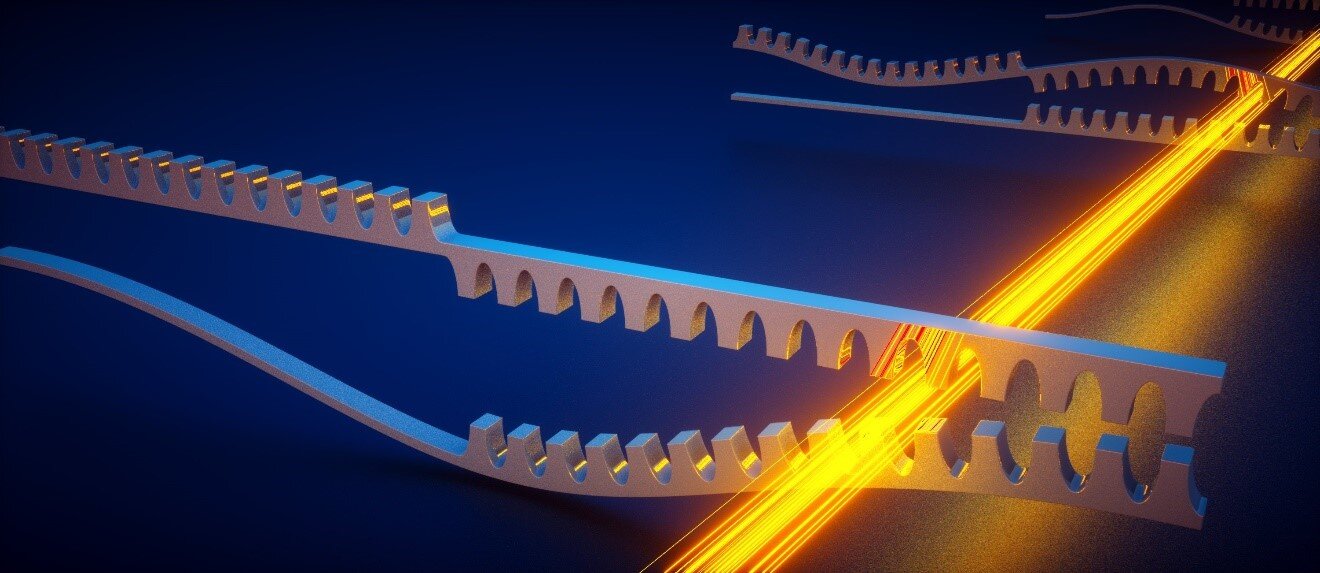
Researchers have created a new topological metamaterial, the bosonic Kitaev chain, which amplifies sound waves exponentially through the use of nanomechanical resonators and laser light. This synthetic material exhibits unique directional amplification properties and is a new topological phase of matter, potentially offering applications in sensor technology and quantum technology. The discovery, published in Nature, could lead to improved sensor performance and signal manipulation capabilities.
Scientists have developed a groundbreaking sensor using surface acoustic wave (SAW) technology that can wirelessly detect chemical warfare agents, such as dimethyl methylphosphonate (DMMP), without the need for direct power sources or physical connections. This innovative device offers highly sensitive and reliable monitoring in challenging environments, marking a significant advancement in safety technology for both military and civilian defense operations.
Chinese scientists have created a wireless sensor capable of remotely detecting chemical warfare agents, offering potential improvements in public safety by monitoring these substances. The sensor can identify stimulants for nerve agents and other chemical warfare agents, providing a passive and effective method for detection.
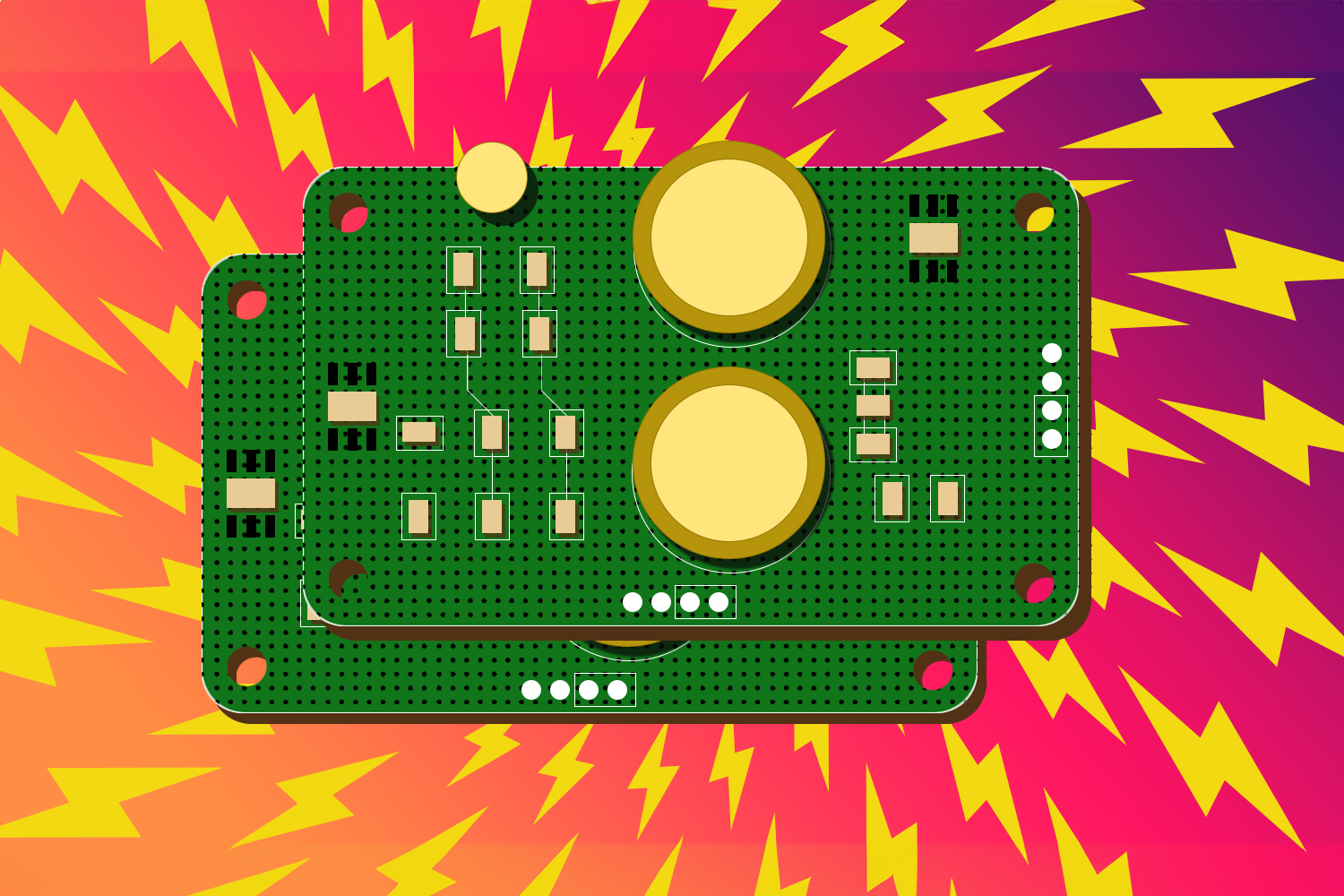
MIT researchers have developed a self-powered sensor that can harvest energy from its environment, eliminating the need for batteries or special wiring. The sensor, which can be embedded in hard-to-reach places, such as inside a ship's engine, gathers data on power consumption and operations for extended periods. The researchers offer a design guide for an energy-harvesting sensor that can be applied to various power sources, making it suitable for factories, warehouses, and commercial spaces. The sensor's energy management system addresses challenges such as cold starting, energy storage, and control algorithms, enabling it to operate without a battery and transmit data using Bluetooth.
Students and professors at various universities, including Queen Mary University of London, Northeastern University, and the University of Leiden, are protesting against the installation of sensors in buildings. These sensors, often referred to as cameras, are being used to monitor building occupancy and optimize space utilization. However, critics argue that the sensors invade privacy and raise concerns about the use and security of the collected data. Some universities have faced backlash and abandoned their plans due to privacy and data protection concerns. The issue of surveillance in university campuses raises questions about control over technology and its potential disciplinary use.
Japan, Italy, and the UK are collaborating on the Global Combat Air Program (GCAP) to develop a sixth-generation fighter jet. The partners aim to define the sensor hardware by mid-2025 and establish a joint venture to allocate work share. The sensor package will include multi-function sensing nodes and a Multi-Function Processor (MFP) to enhance situational awareness. The radar, known as the Multi-Function Radio Frequency System, will be designed with fewer constraints on size, weight, and power. The partners plan to deliver initial capability by 2035 and continue development beyond that, with flexibility to adapt to evolving threats.
ODIN Space has successfully powered up an experimental in-space sensor on the D-Orbit ION satellite, which could enable the tracking of hypervelocity objects as small as a grain of sand. The sensor technology, consisting of impact-detection gates, will record vibrations caused by space debris perforating the substrates, providing information about the debris' size, speed, and trajectory. ODIN Space plans to deploy hundreds of these sensors on third-party satellites to create a network capable of mapping and characterizing the sub-centimeter debris environment, addressing the escalating threat of space debris to spacecraft and satellites in low Earth orbit.