Leica is developing its own image sensors again, signaling a move towards more in-house innovation in camera technology, with ongoing projects that could lead to new Leica cameras in the future, although timelines are uncertain.
Leica celebrated its 100th anniversary in 2025 with a year full of new product launches including three new cameras across different systems, new lenses, special editions, and strategic partnerships, while also achieving record sales. Notable releases include the Leica M EV1, Q3 Monochrom, and SL3-S, along with vintage-inspired lenses and cinema optics, reflecting Leica's continued innovation and premium branding.
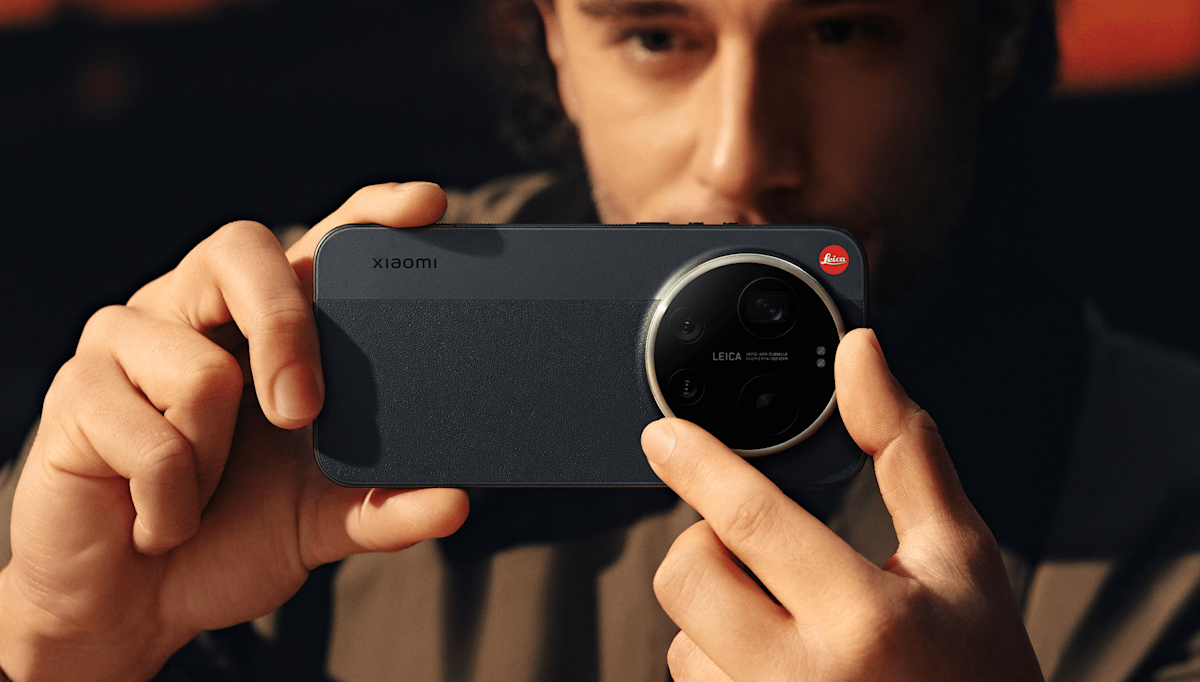
Xiaomi launched the 17 Ultra by Leica, a flagship smartphone featuring a 1-inch 50MP main camera, a 200MP telephoto lens, and a unique manual zoom ring that activates the camera when rotated, along with high-end specs and Leica-inspired design elements, at a premium price.
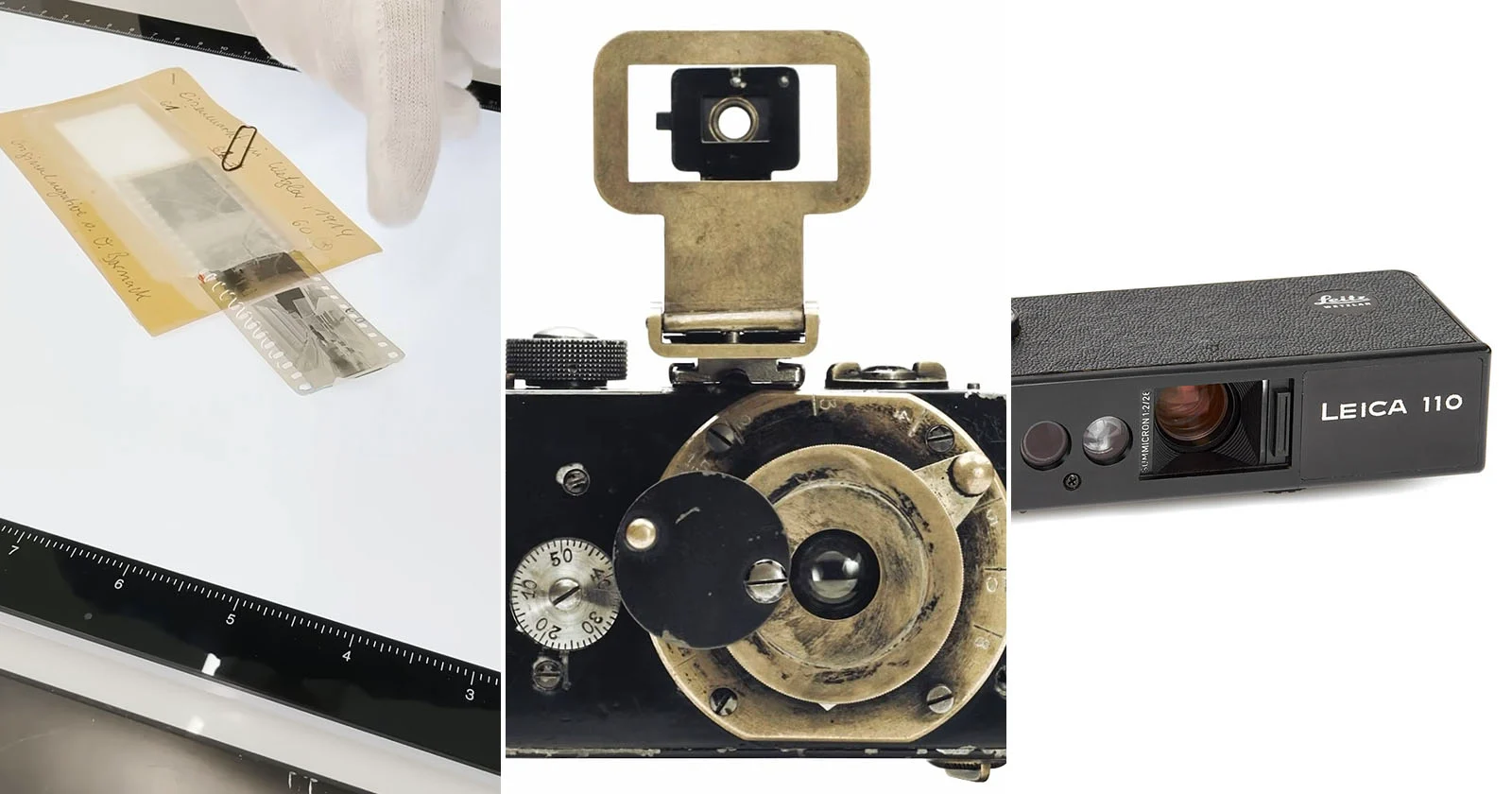
Leica's Christmas countdown featured daily videos showcasing rare and historic items from its archives, including unreleased cameras, underwater models, historic lenses, and notable photographs, highlighting the company's rich legacy in photography innovation.
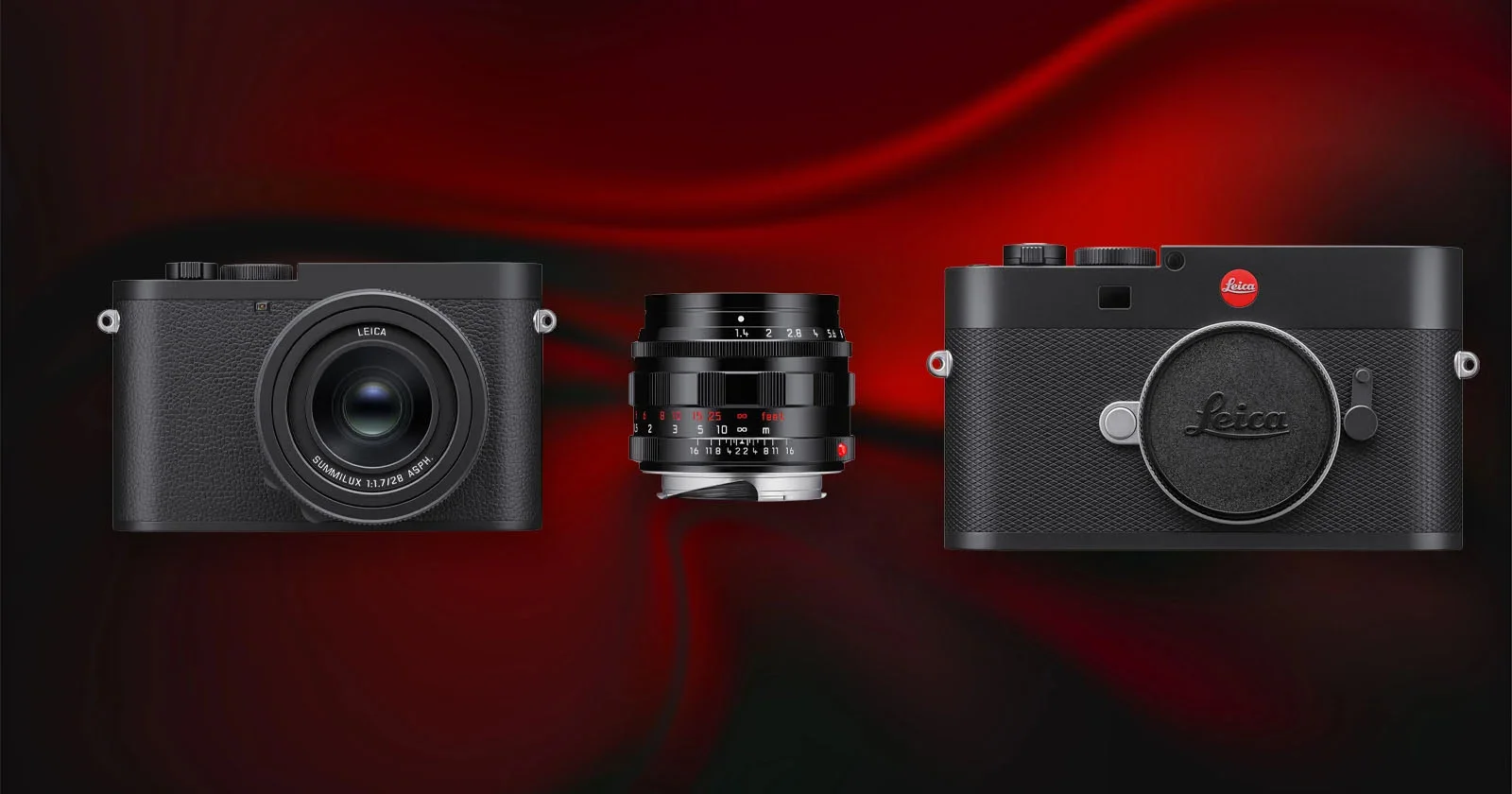
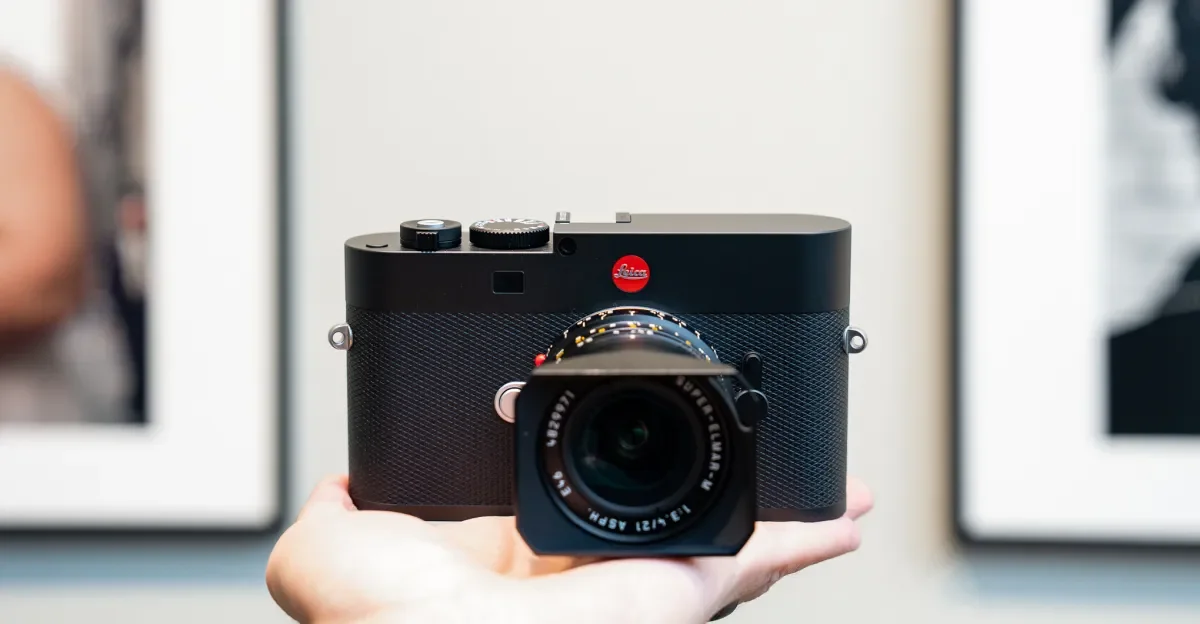
Leica has introduced the EV1, a new camera in its iconic M-Series that replaces the traditional mechanical rangefinder with an electronic viewfinder, marking a significant technological shift for the brand. The EV1 offers high-resolution digital viewing, improved focusing capabilities, and retains compatibility with all M lenses, appealing to both traditionalists and modern photographers.
Leica has introduced the M EV1, a new M-mount camera that replaces the traditional rangefinder with a 5.76-million dot electronic viewfinder, based on the M11-P, offering live view and focusing aids, and priced at around $8,995 in the US, marking a significant shift from its classic design.
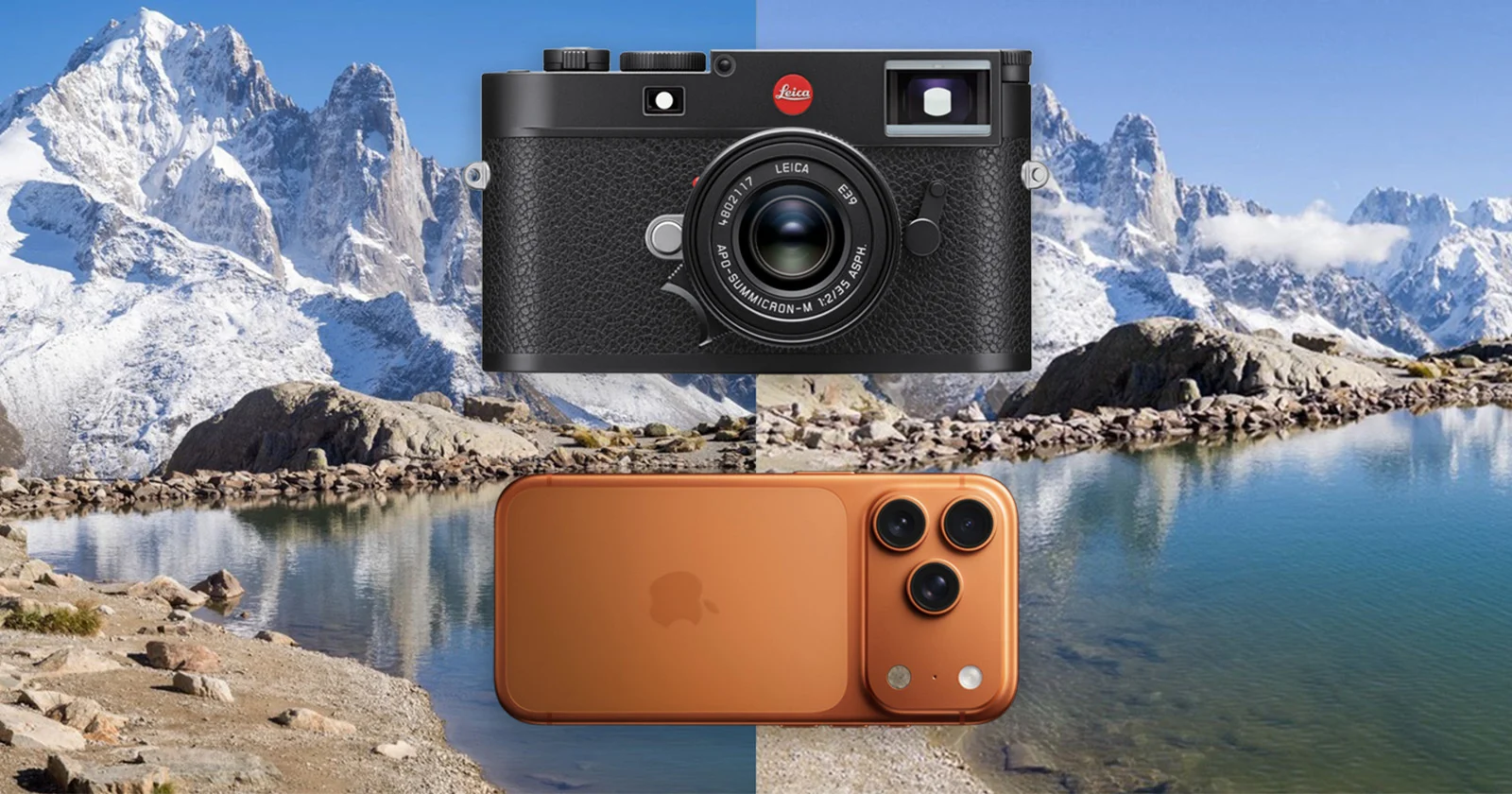
Photographer David Imel conducted a test comparing photos taken with a Leica M11 and an iPhone 17 Pro using RAW files to see if smartphone photos can match traditional cameras. The experiment highlighted that modern smartphone processing often lifts shadows and simplifies images, but with proper settings, smartphones can produce impressive results. The test demonstrated that while traditional cameras offer a better shooting experience, smartphones are capable of capturing high-quality images, especially in good lighting conditions.
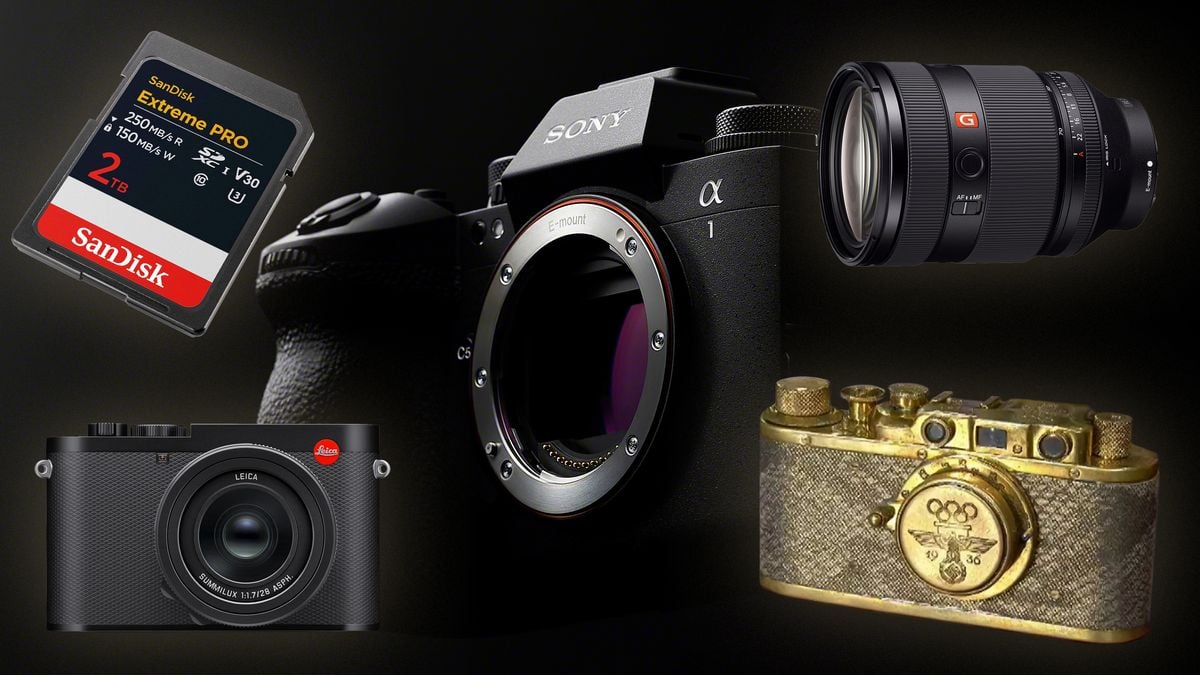
This week in the camera world, Sony launched its latest flagship camera and revamped a lens originally introduced by Canon six years ago. Meanwhile, a vintage gold Nazi Leica camera made an appearance on the Antiques Roadshow, where its owner was humbled by its valuation. These developments occurred amidst the backdrop of Black Friday camera deals capturing the attention of photographers.
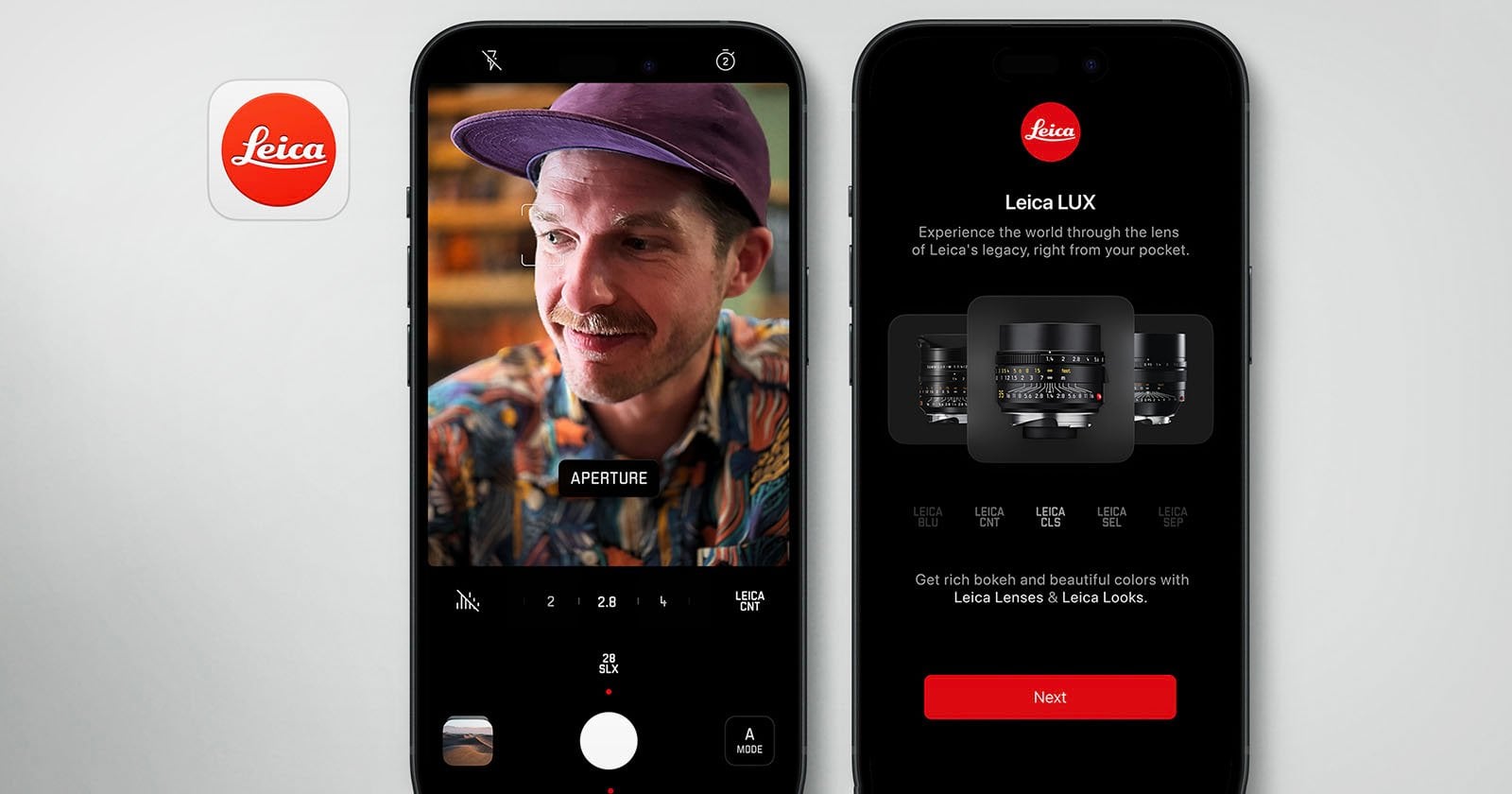
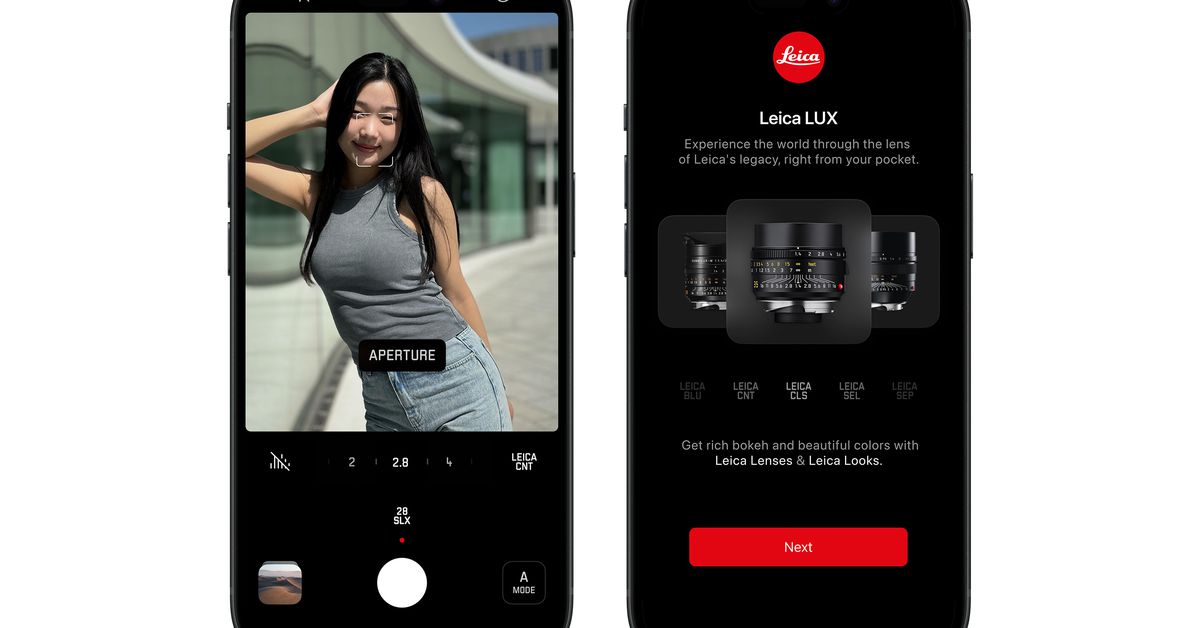
Leica Camera AG has launched Leica LUX, a new iPhone camera app that offers a Leica-inspired user interface, unique Leica Looks, and simulations of iconic Leica lenses. The app aims to bring the distinctive Leica aesthetic to iPhone users, featuring both automatic and manual controls. Available for free with a paid upgrade for full features, Leica LUX is compatible with iPhones running iOS 17, with optimal performance on iPhone 12 Pro or newer models.
Leica has launched a new app called Leica Lux for iPhone users, offering 11 color profiles and lens simulations to mimic Leica cameras and classic lenses. The app features both automatic and manual modes, with full access to all features requiring a subscription of $6.99 per month or $69.99 per year. Early reviews of the app are mixed, with some issues in portrait mode and pixelation, but it offers a sleek interface and unique features for Leica enthusiasts.
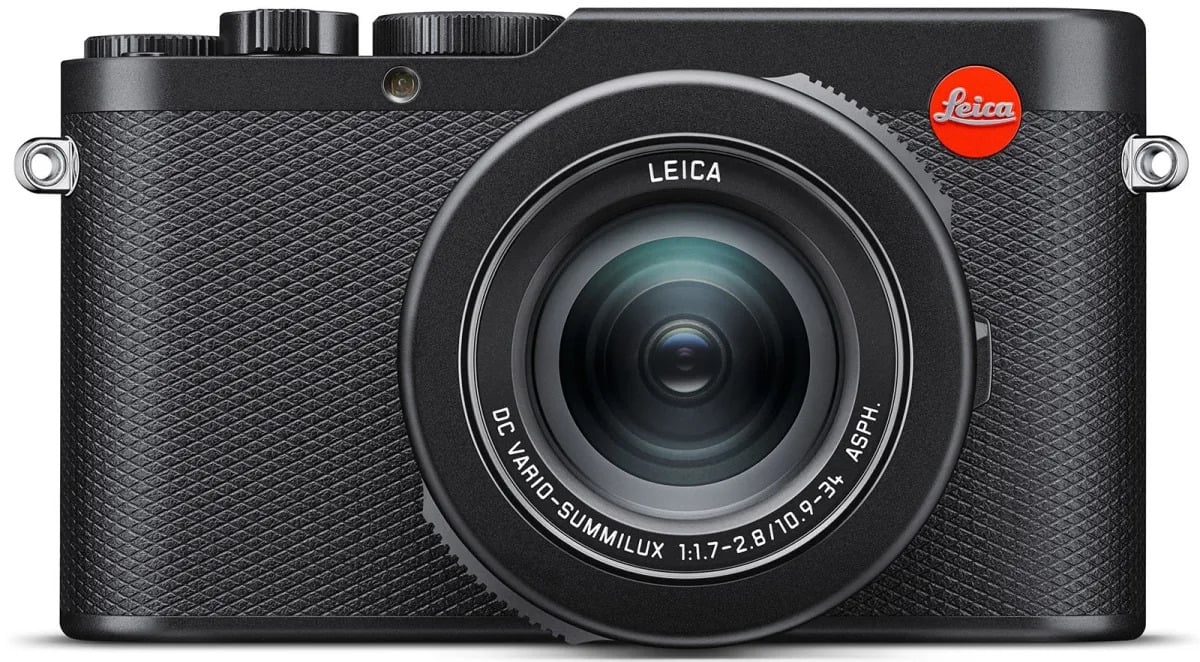
Leica has introduced the D-Lux 8, a $1,595 compact camera aimed at competing with Fujifilm's popular X100 series. The new model retains the 17-megapixel Micro Four Thirds sensor and 24-75mm f/1.7-2.8 lens from its predecessor, the D-Lux 7, but features a restyled design and simplified interface. It supports RAW file capture for the first time in the D-Lux lineup and comes with new accessories. While it remains unclear if the sensor has been updated, the D-Lux 8 aims to attract style-conscious photographers with its sleek look and Leica's iconic branding.
Leica has introduced the D-Lux 8, a $1,595 compact digital camera that follows the D-Lux 7. It features a 21-megapixel four-thirds CMOS sensor, a 24-75mm zoom lens, and new software inspired by Leica's Q line. The D-Lux 8 supports the DNG format and has fewer buttons with a simplified interface. It aims to compete in the growing market for stylish, easy-to-use cameras, available from July 2nd.
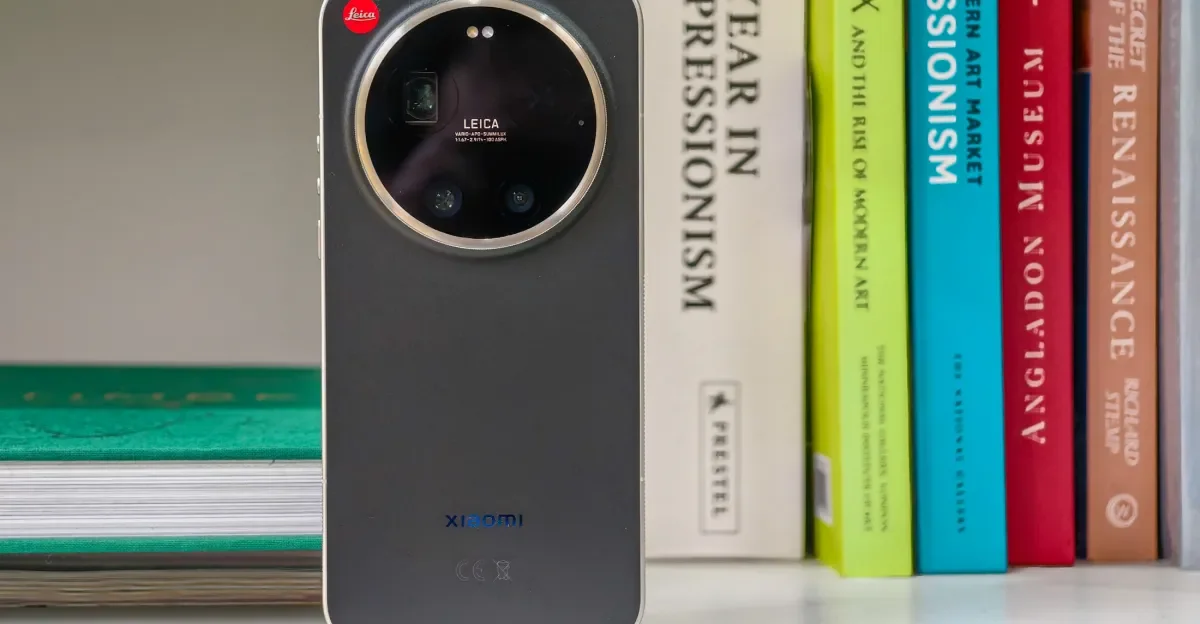
Xiaomi is launching its 14 and 14 Ultra smartphones globally, featuring Leica-powered cameras with new optics and sensors for enhanced photography and videography. The 14 Ultra boasts a 6.7-inch AMOLED display and ruggedized vegan leather back, while the regular 14 features a glossy back and square camera module. The devices come with Leica Summilux lenses, offering faster apertures, and the 14 Ultra includes two telephoto lenses with macro shooting capabilities. Xiaomi also introduced HyperOS, a new AI-driven platform, and announced a collaborative initiative with Leica to push mobile photography and videography further. The 14 Ultra will start at about $1,400, while the 14 will start at roughly $1,080, and both will be available through online retailers globally.
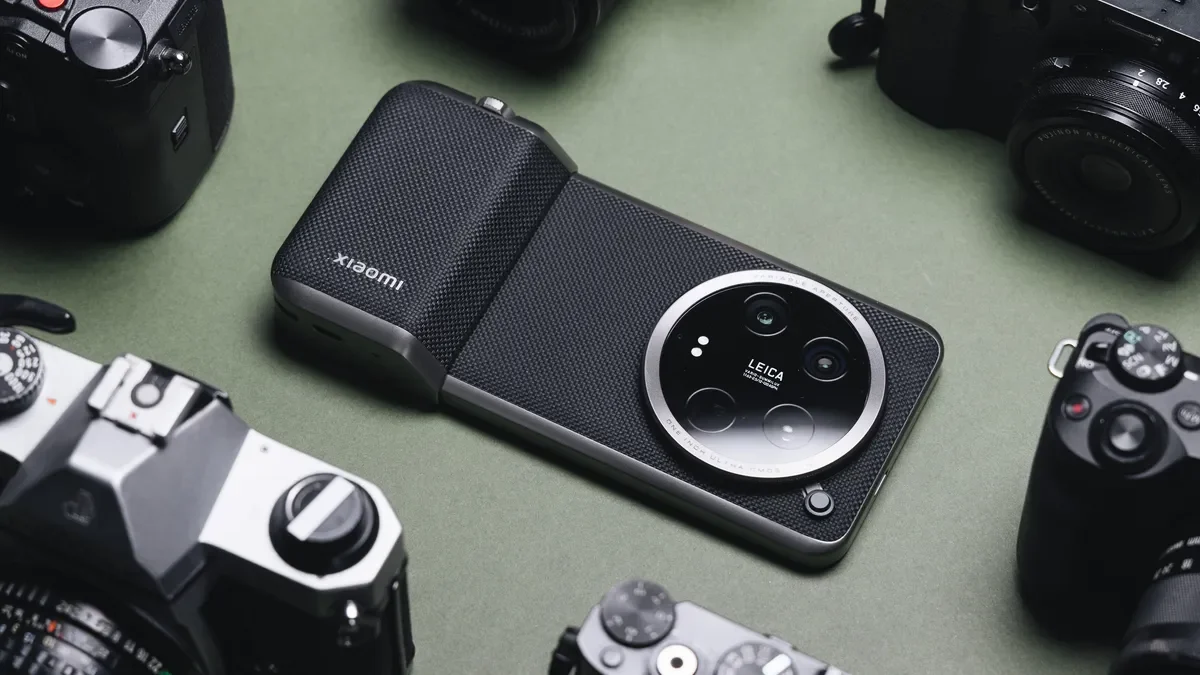
Xiaomi has launched the Xiaomi 14 and Xiaomi 14 Ultra globally, featuring Leica-branded cameras and a range of other gadgets. The Xiaomi 14 Ultra, priced at $1,650, boasts a Leica quad-camera system with stepless variable aperture, while the Xiaomi 14 offers a more compact option. Both phones are powered by the Qualcomm Snapdragon 8 Gen 3 chipset and feature flat displays with high brightness. The Xiaomi 14 Ultra's Photography Kit includes a grip and case, enhancing the photography experience.
Xiaomi has unveiled the new Xiaomi 14 Ultra, featuring a 1-inch camera sensor, variable aperture lens, and Leica co-engineered lenses, catering to photography enthusiasts. The flagship phone, not available in the US, will be released in Europe and the UK in March, alongside the regular Xiaomi 14. Both models boast impressive specs, including Qualcomm's Snapdragon 8 Gen 3 processor, IP68 water and dust resistance, and support for fast wired and wireless charging. The Xiaomi 14 Ultra's standout feature is its four rear cameras, while an optional Photography Kit accessory offers enhanced camera controls.