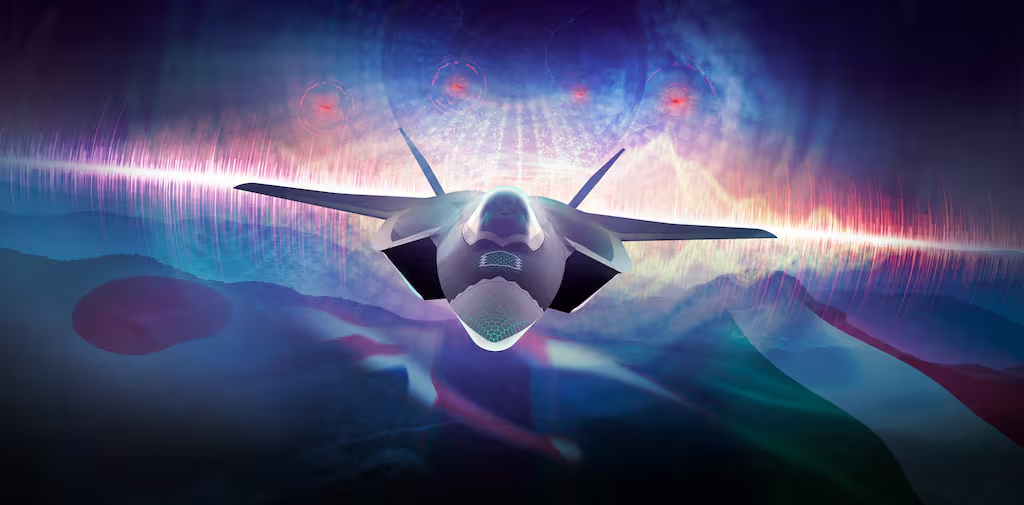
Japan, Italy, and the UK are collaborating on the Global Combat Air Program (GCAP) to develop a sixth-generation fighter jet. The partners aim to define the sensor hardware by mid-2025 and establish a joint venture to allocate work share. The sensor package will include multi-function sensing nodes and a Multi-Function Processor (MFP) to enhance situational awareness. The radar, known as the Multi-Function Radio Frequency System, will be designed with fewer constraints on size, weight, and power. The partners plan to deliver initial capability by 2035 and continue development beyond that, with flexibility to adapt to evolving threats.
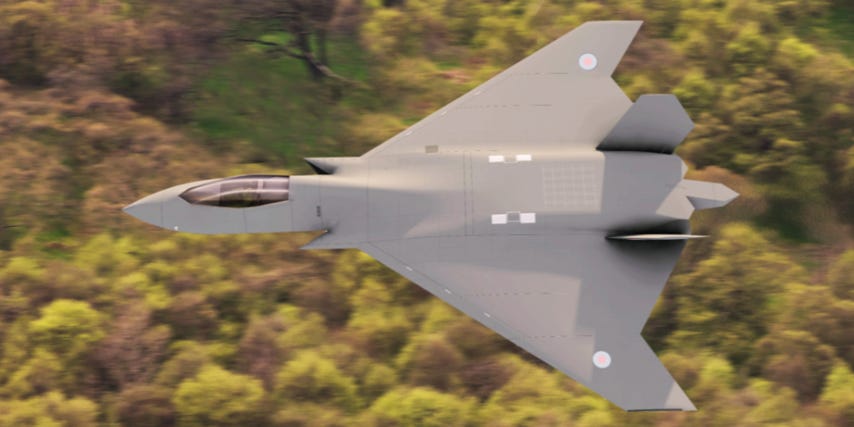
Saudi Arabia is reportedly seeking to join the UK-Italy-Japan program to develop a sixth-generation fighter jet, known as the Global Combat Air Program (GCAP). While the UK and Italy are likely to welcome Saudi participation, Japan is hesitant due to concerns about decision-making processes and potential export of the advanced jet to adversaries. Saudi Arabia's financial contribution could ease the financial burden on the consortium, and their interest in the program reflects a growing global demand for next-generation fighter jets.
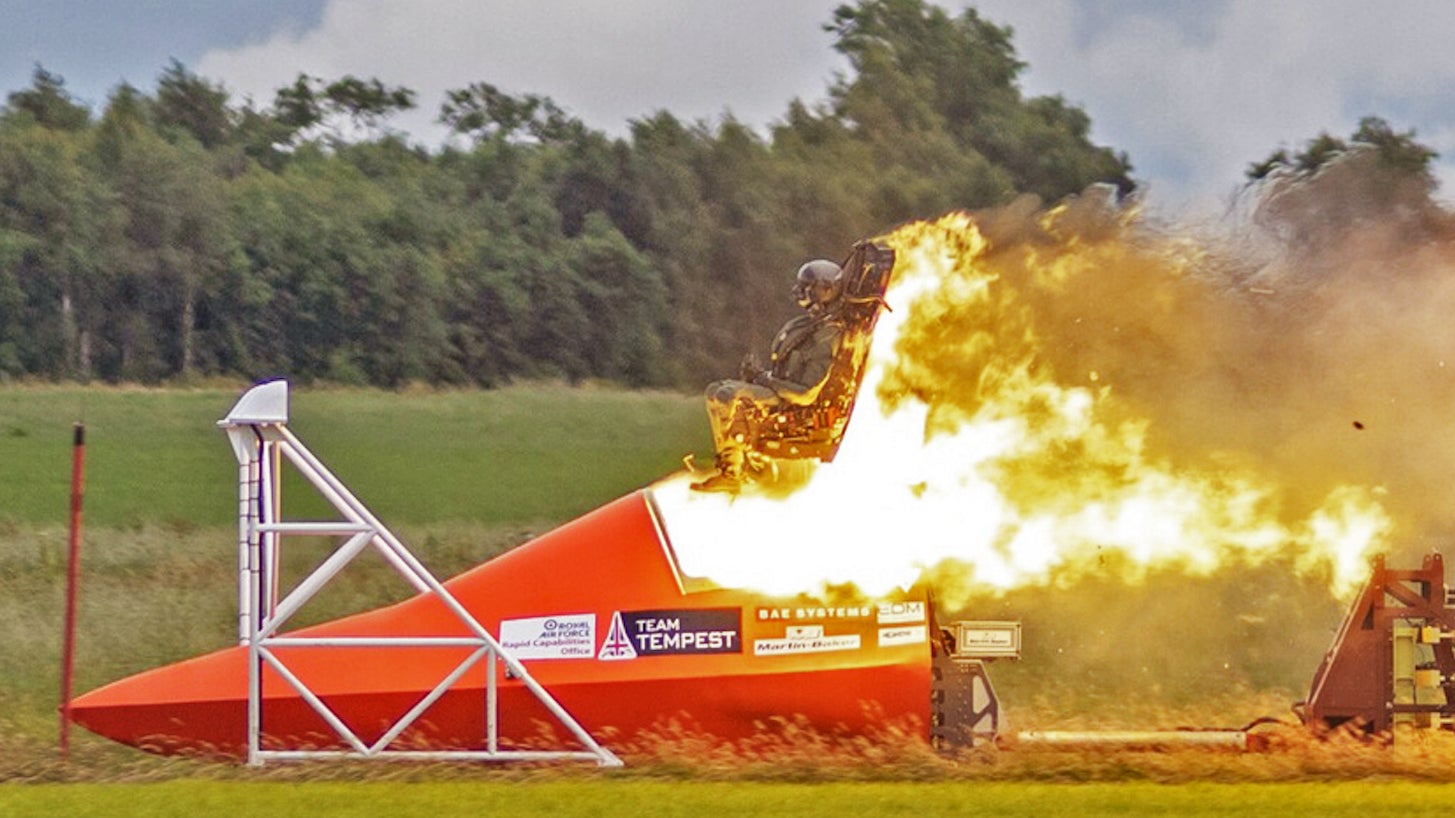
Trials of the crew escape system for the British-led Tempest future stealth fighter are underway, with a Martin-Baker ejection seat being tested using a rocket sled. The ejection seat will be used in a Flying Technology Demonstrator, which will inform the Tempest. The demonstrator will use the same Martin-Baker Mk 16A ejection seat used in the Eurofighter Typhoon fighter jet. Work on the crew escape system is now complete. The Tempest is set to feature an all-new engine design. The Global Combat Air Program (GCAP) collaboration between the United Kingdom, Italy, and Japan is now central to the success of the program.