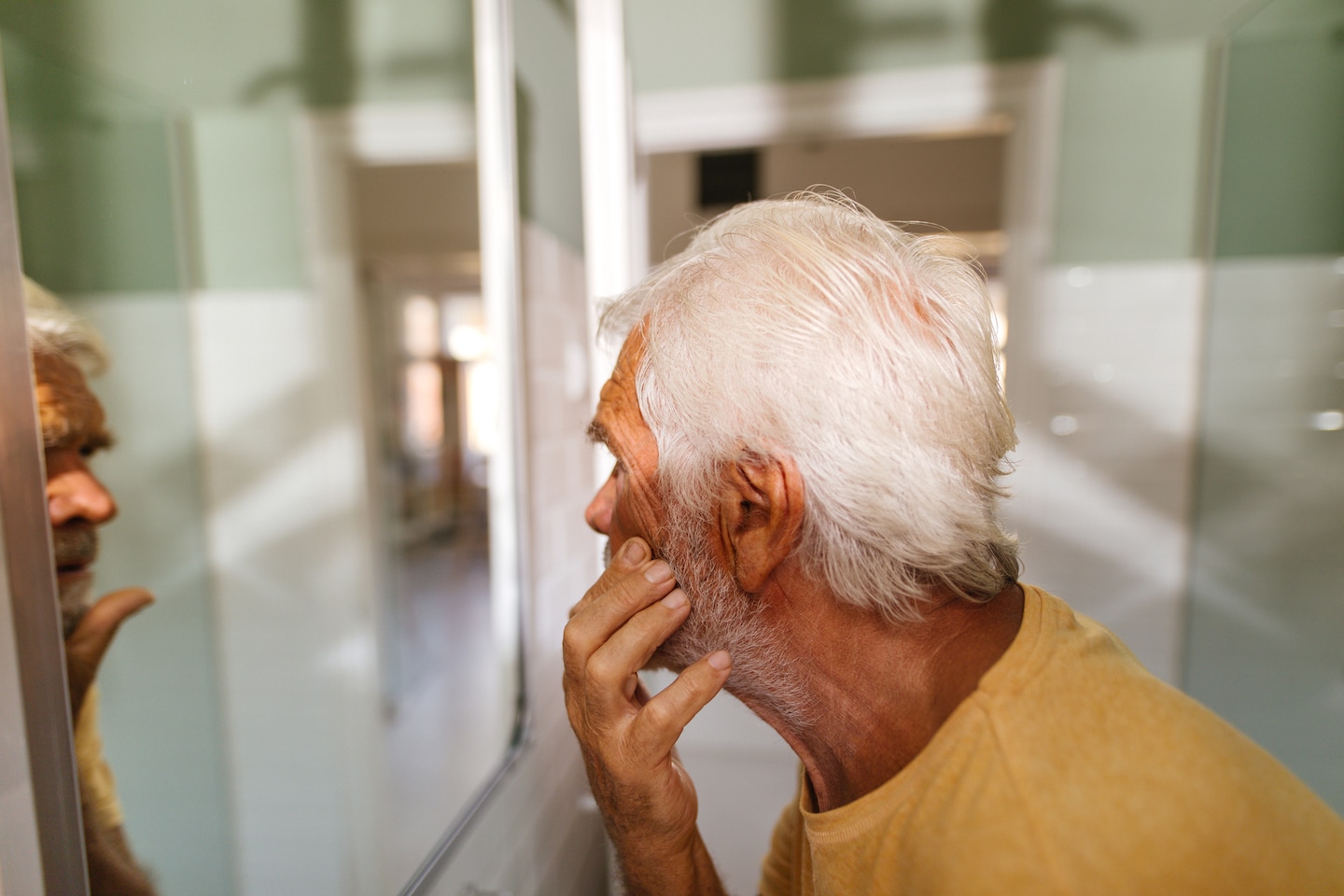
A study found that experiencing an illusion of owning a younger version of one's face can enhance access to detailed childhood memories, highlighting the link between bodily perception and memory retrieval.
A meme suggesting a man's smile can indicate his penis size has gained popularity online, but experts clarify that confidence and self-perception, rather than physical traits, influence such perceptions. Studies show men’s confidence, often linked to perceived size, affects their social and sexual interactions, though actual size varies and is less impactful than confidence. The 'hung smile' is more about self-assurance than physical reality.
Research shows that octopuses can experience the rubber hand illusion, indicating they have a sense of body ownership similar to humans, which could provide insights into the evolution of self-perception and have applications in robotics and understanding neurological disorders.
Psychotherapist Joshua Fletcher shared five common sentiments expressed by people with anxiety disorders, including longing for past feelings, feeling disconnected from oneself, experiencing perpetual fear and physical symptoms, and feeling overwhelmed. He emphasizes the importance of seeking support, understanding that these feelings are temporary, and learning new coping strategies to manage anxiety effectively.
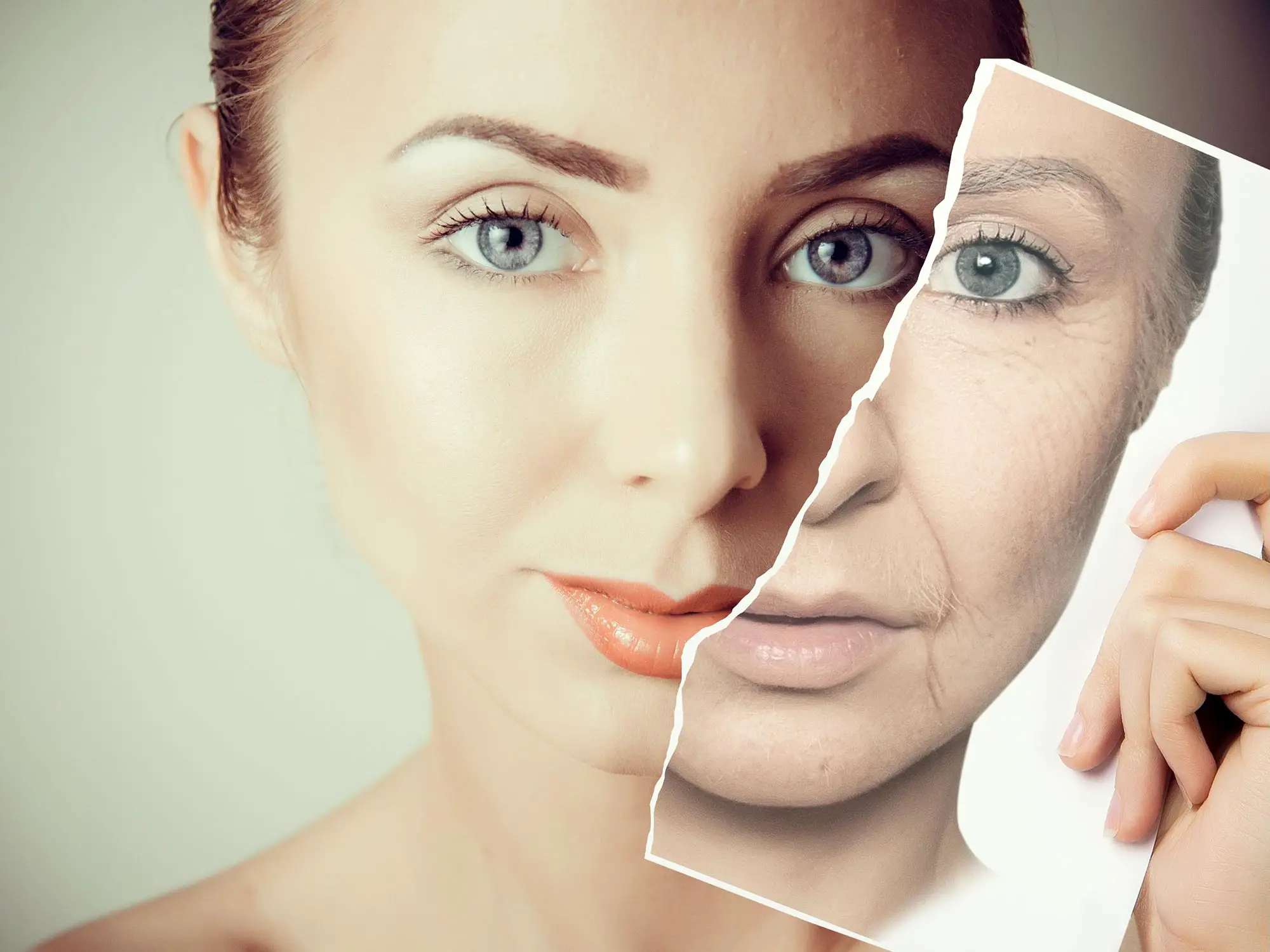
Negative thoughts about aging, including internalized ageism, can have harmful effects on emotional and physical health. Research shows that when older people are reminded of positive aspects of aging, such as wisdom and accomplishment, they experience immediate benefits like improved memory, reduced stress, and better physical performance. Internalized ageism is pervasive and can be challenging to recognize, but shifting negative beliefs about aging and challenging anti-aging messages can help improve well-being. Engaging in a healthy lifestyle, having a sense of purpose, and participating in activities like exercise, volunteering, and computer use can mitigate the negative impacts of internalized ageism. Social media campaigns like #ILookMyAge aim to challenge ageist attitudes and promote self-acceptance.
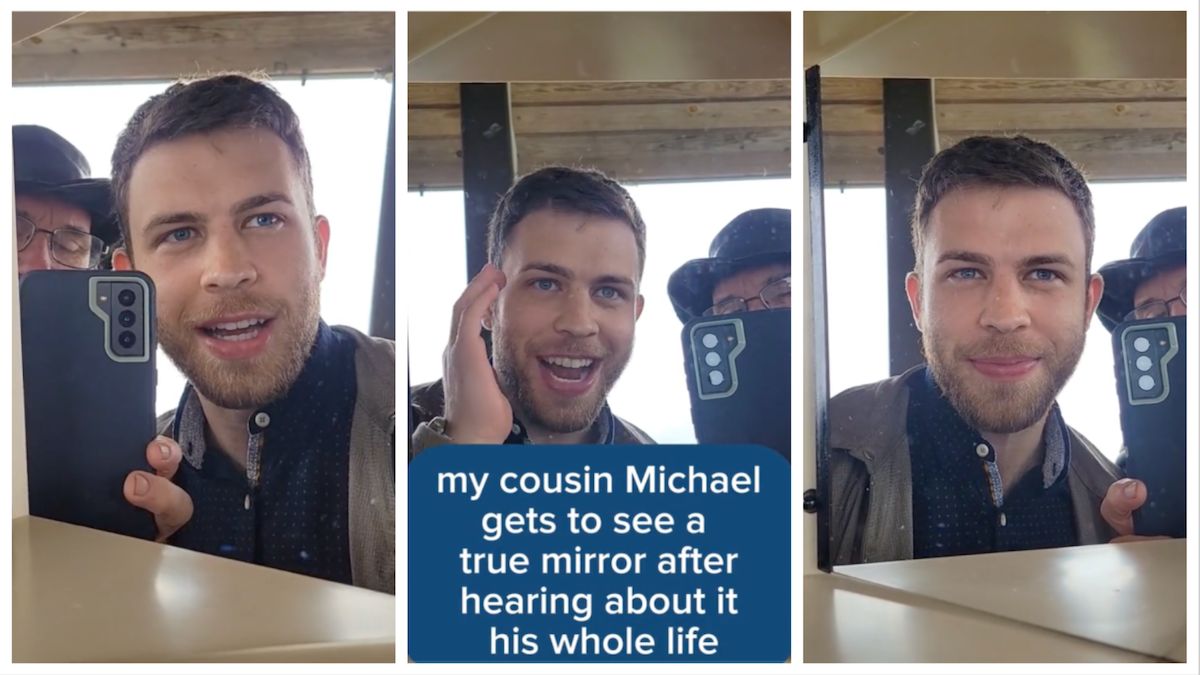
The "true mirror," a device that provides an unreversed reflection, is gaining popularity on TikTok. In a video shared by the founder of True Mirror Co., a man sees his true reflection for the first time and expresses surprise at his asymmetry. The true mirror allows for more accurate eye contact and facial expression, leading to a positive reaction from users. However, some express concerns about the potential impact on mental health. This is not the first time the true mirror has gone viral on TikTok, as a video of an actress reacting emotionally to her true reflection also gained attention earlier this year.
A study by Nottingham Business School reveals that Generation X women experience age in seven distinct ways, influenced by factors such as caring responsibilities and menopause. These 'frames' of aging range from viewing age as an attitude to rejecting it as a cultural construct. The study highlights the challenges for marketers in targeting this demographic, as traditional age-based categorization may not be appropriate. GenX women are a sizable and attractive market, but their diverse perspectives on aging require a more nuanced approach.
New research suggests that individuals with lower socioeconomic status (SES) tend to have negative perceptions about how others see them, believing others see them as colder and less competent. The study found that people with lower SES tend to have a more negative perception of themselves and their worth compared to those with higher SES. However, regardless of SES, people were perceived as equally warm and competent by others. The findings have implications for understanding the impact of SES on social cognition and its potential role in perpetuating material inequalities.