A study found that experiencing an illusion of owning a younger version of one's face can enhance access to detailed childhood memories, highlighting the link between bodily perception and memory retrieval.
Taylor Swift's 11th studio album, "The Tortured Poets Department," is a sprawling and self-indulgent release that delves into her tumultuous emotional experiences. Departing from her previous folk-pop albums, this album features autobiographical and spiteful tales of heartbreak, with detailed, referential lyrics. Swift's prolific output and commercial success are evident in the album's abundance, including a surprise second volume, "The Anthology." While some tracks are potent reminders of her ability to evoke doomed romances, the album as a whole generates diminishing returns, with familiar sonic backdrops and themes.
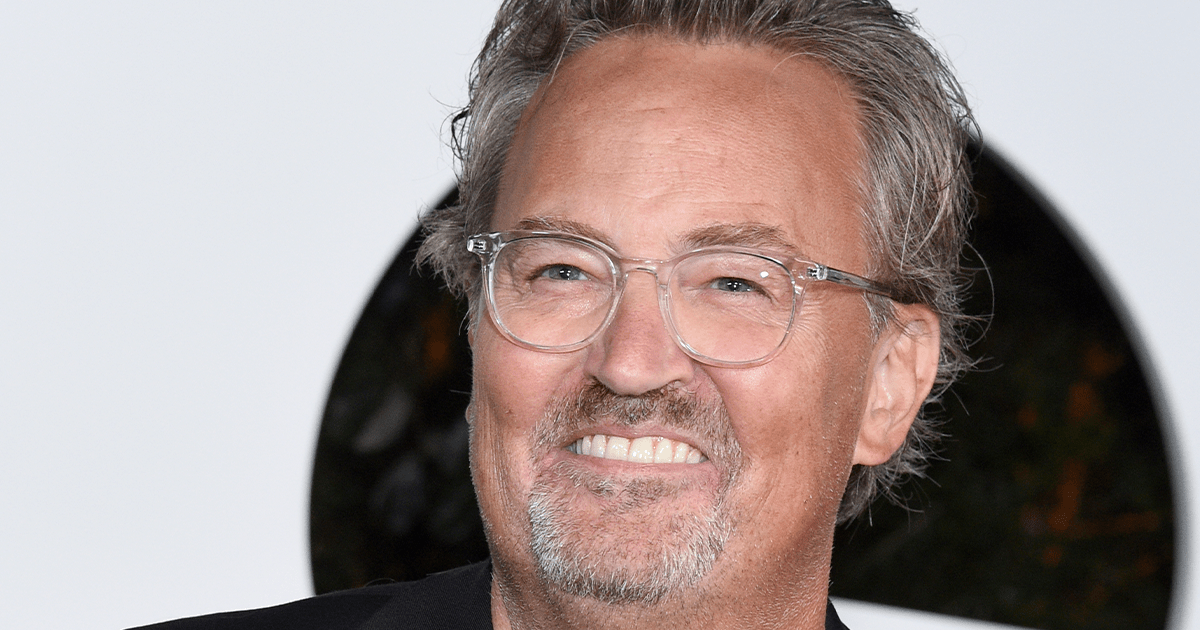
Late actor Matthew Perry pitched director Adam McKay an autobiographical superhero project titled "Mattman" before his death. The project revolved around a man named Matt, played by Perry, who becomes a superhero after inheriting $2 billion. McKay saw the pitch as reflective of Perry's personal experience but countered with a more grounded fictional autobiographical project, which Perry was not interested in. Although Perry filmed a scene for McKay's film "Don't Look Up," it was ultimately cut from the final movie.
Comedians have been building shows around their personae since before television, and the semi-autobiographical sitcom has been a staple of the genre for decades. From the traditional three-camera format to the more auteurish single-camera shows, these sitcoms often thinly fictionalize the comedian's well-known material and use existing IP to secure a built-in audience. This article provides a messy taxonomy of the autobiographical comedy, exploring the different styles and formats used by comedians to tell their stories on TV.