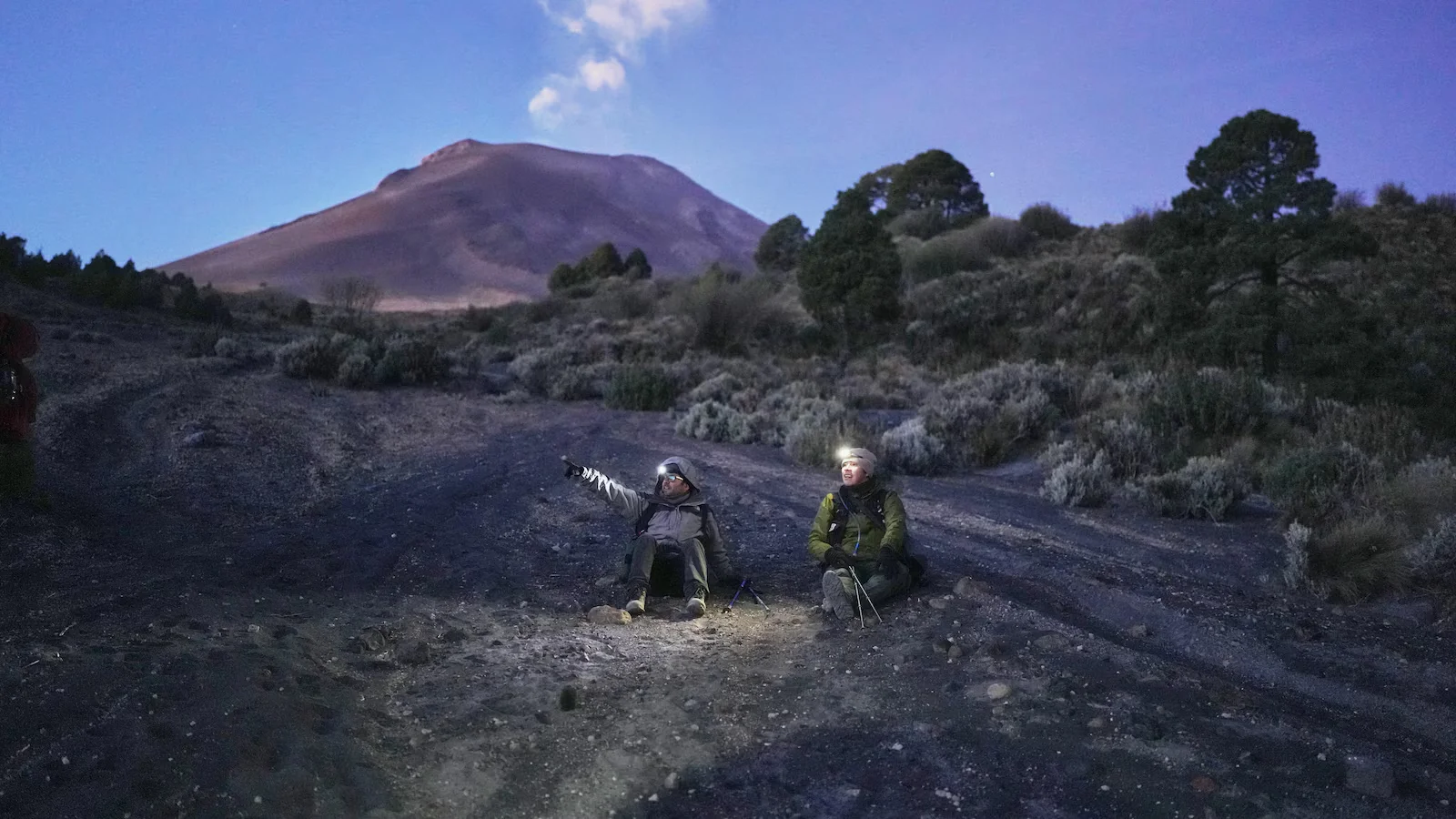
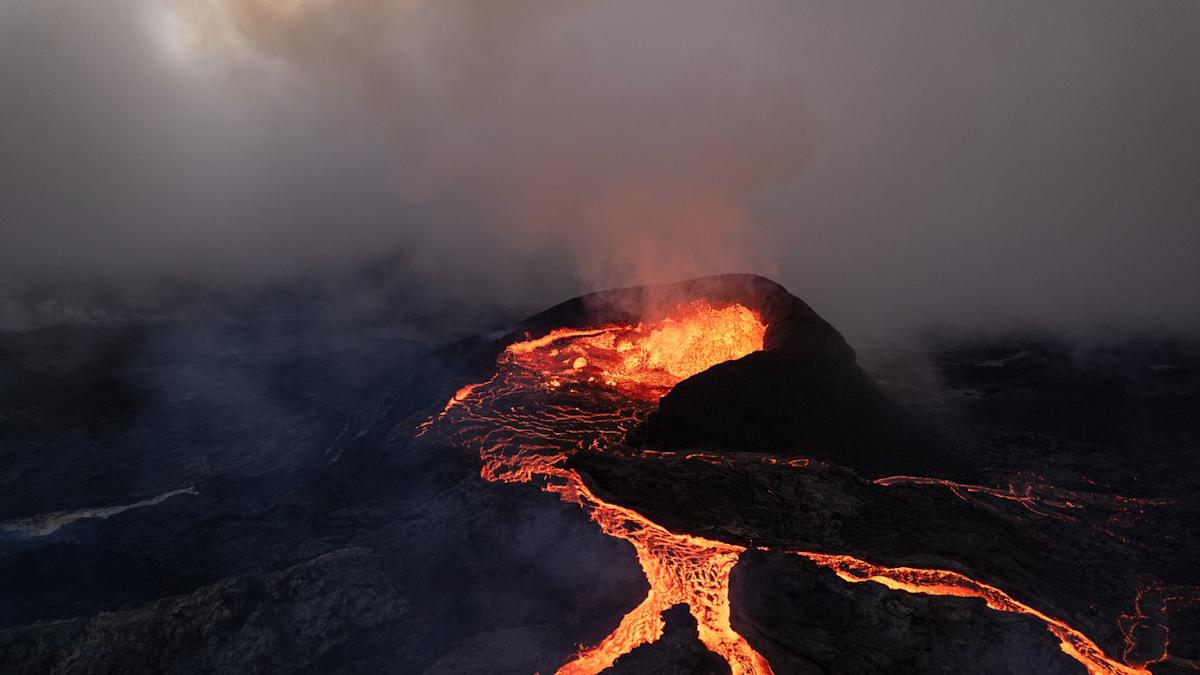
Scientists from Mexico's UNAM have created the first detailed 3D images of Popocatépetl's interior, revealing magma pools and improving understanding of its activity to better predict eruptions and protect nearby populations.
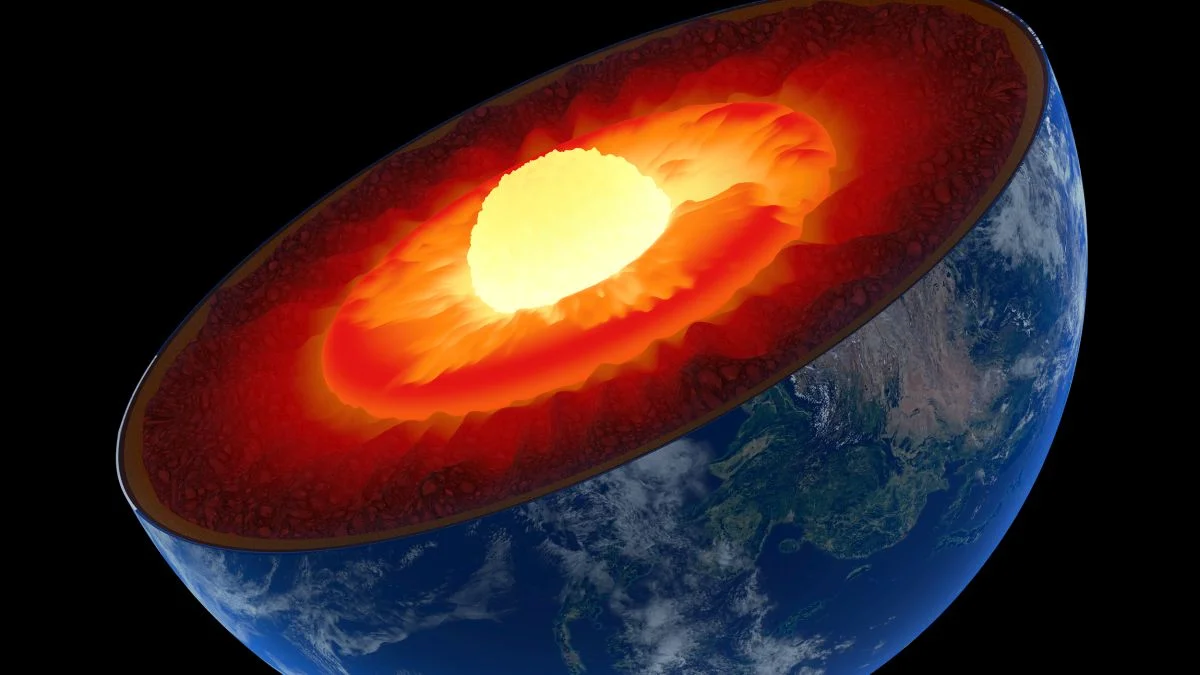
Scientists have experimentally demonstrated a superionic state of matter inside Earth's inner core, where carbon atoms move freely within a solid iron matrix, explaining seismic observations and challenging traditional models of Earth's interior.
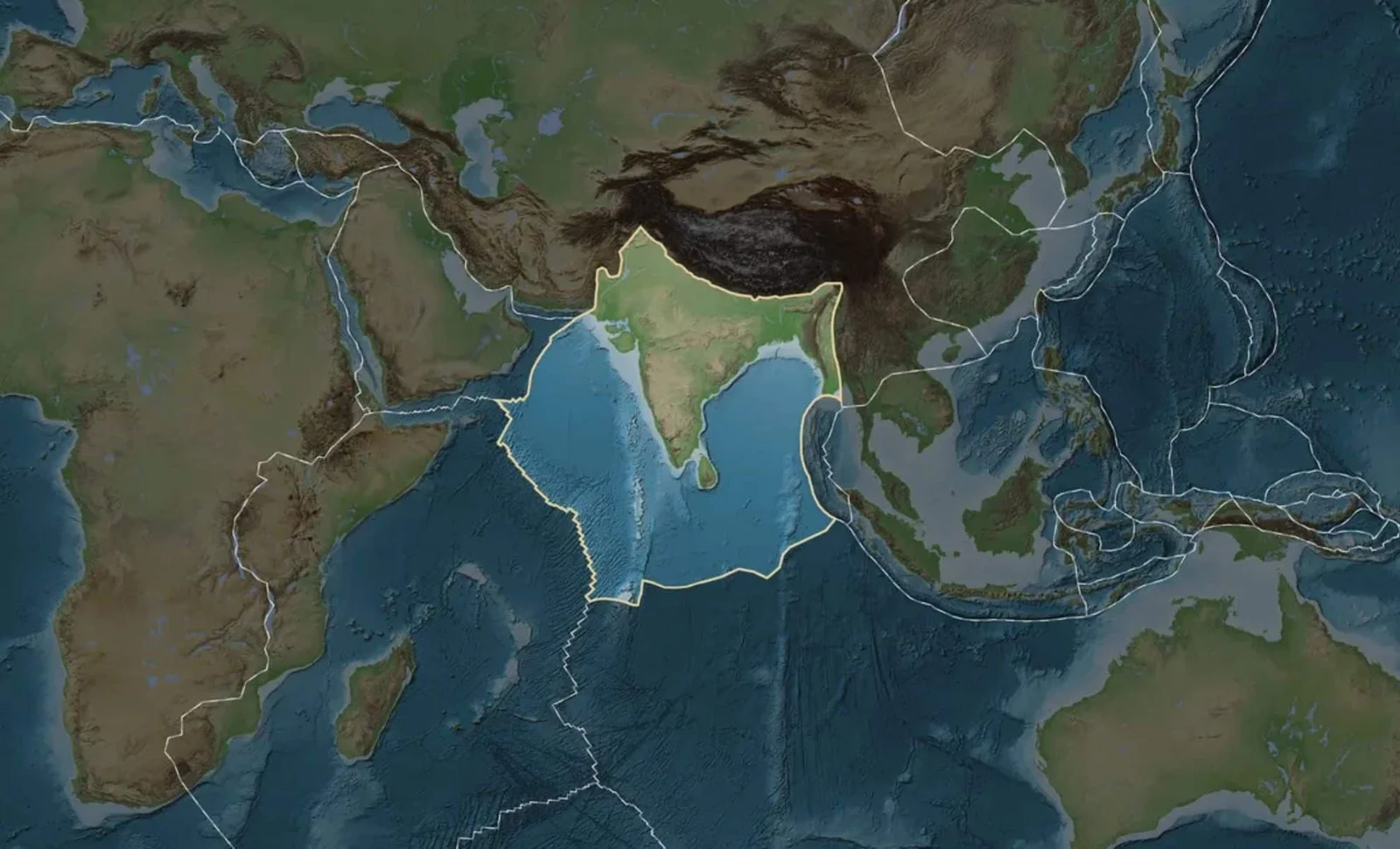
New seismic research reveals that the Indian tectonic plate is splitting beneath Tibet through a process called delamination, providing new insights into the geological forces shaping the Himalayas and potentially improving earthquake prediction.,
Scientists have uncovered new insights into the Indian Ocean Geoid Low, the largest gravity hole on Earth, linking it to mantle processes such as sinking slabs and rising plumes originating from deep within Earth's mantle, which have evolved over millions of years and are influenced by interactions with the African hotspot and mantle structures like the LLSVP.
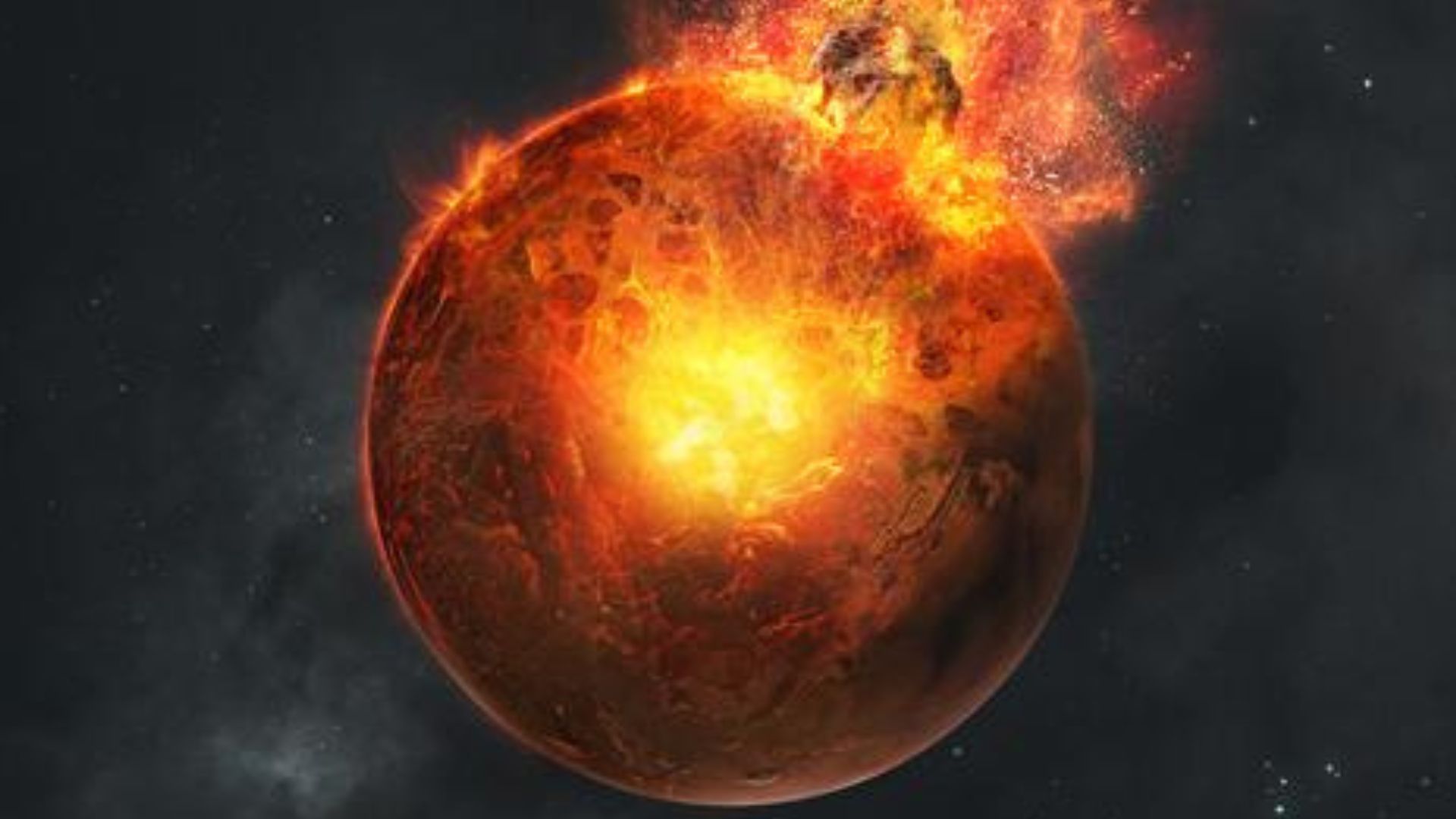
New research using NASA's InSight seismic data reveals that Mars' mantle contains large, ancient fragments from its early, violent history, making its interior more chaotic and 'rocky road' like rather than layered, due to early impacts and magma ocean cooling.
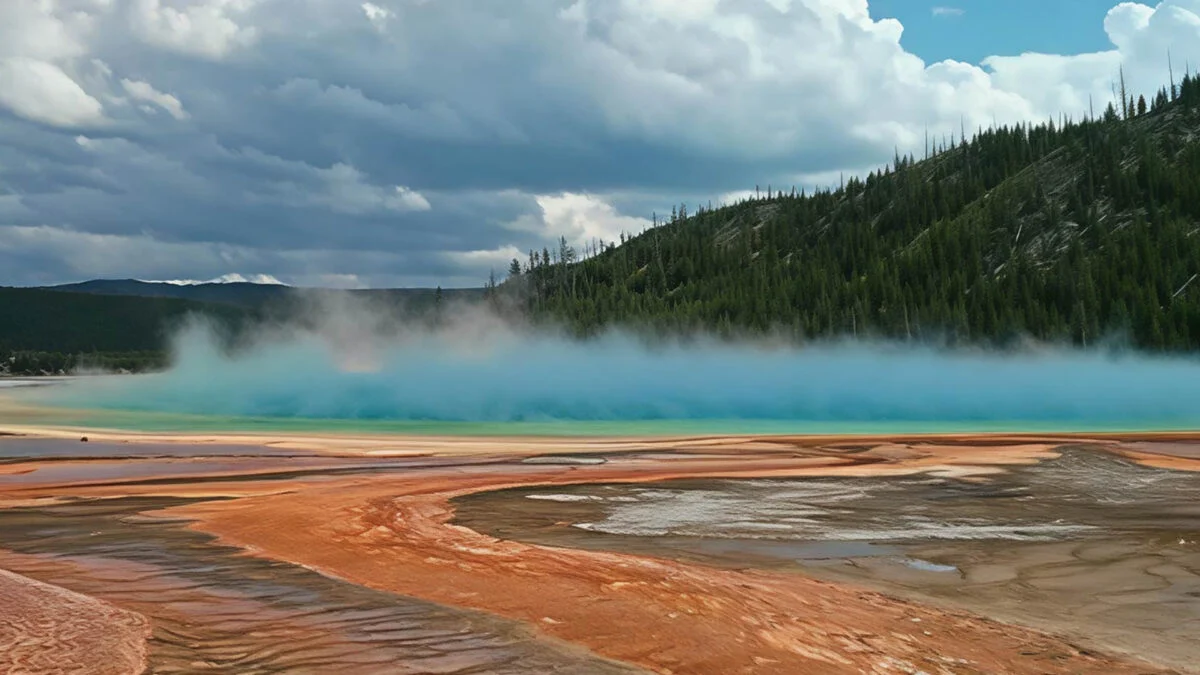
Researchers have used AI and machine learning to identify ten times more earthquakes in Yellowstone from 2008 to 2022 than previously recorded, revealing over 86,000 seismic events and providing new insights into volcanic and seismic activity, especially earthquake swarms along immature faults, which can improve safety and energy development strategies.
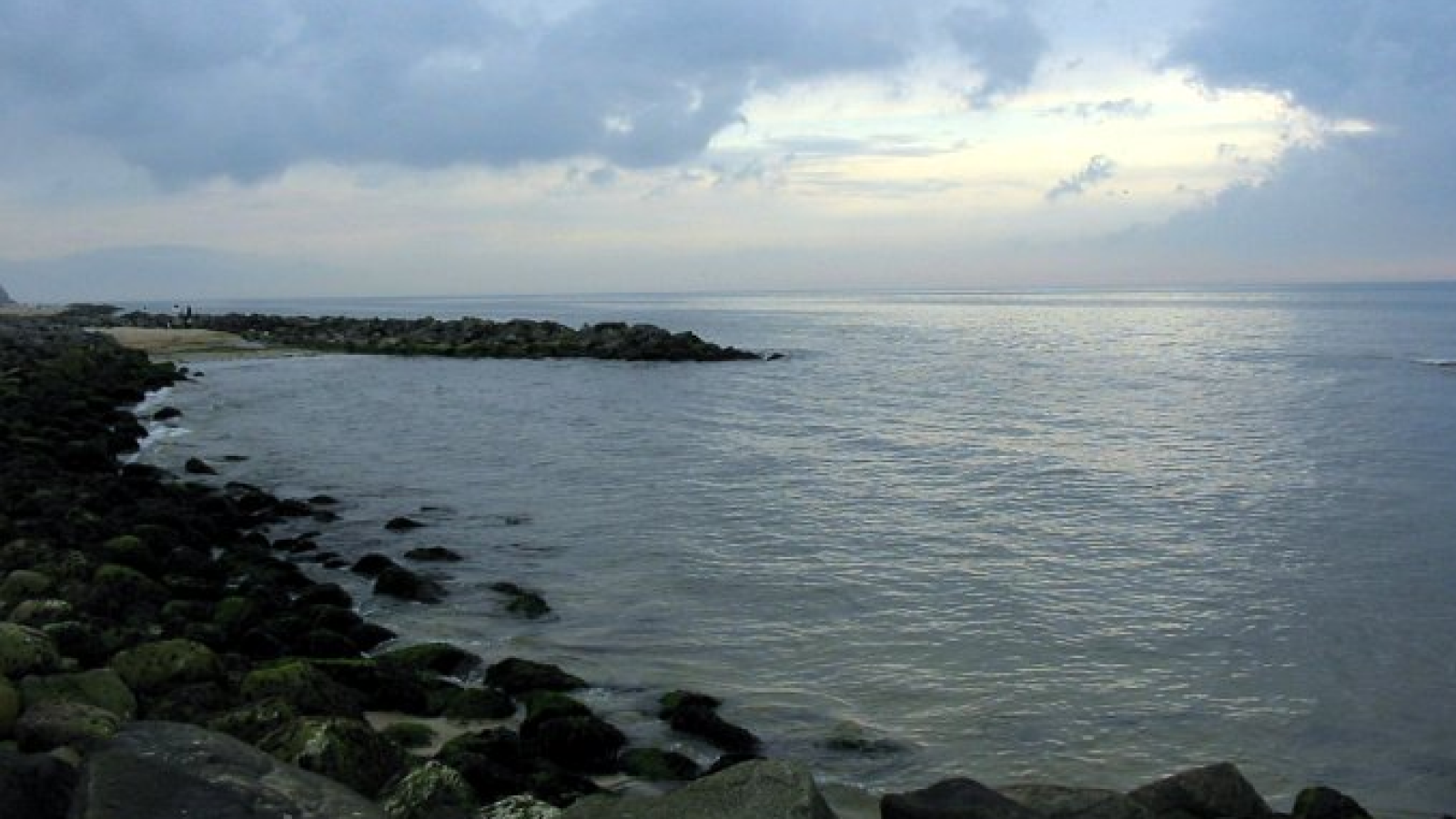
Scientists have discovered massive, previously unknown geological structures called 'sinkites' beneath the North Sea, formed by dense sands sinking into lighter sediments, a process that challenges conventional geological understanding and has implications for future carbon storage efforts.
Scientists have accidentally discovered a 'ghost plume' beneath eastern Oman, a mantle plume with no surface volcanic activity, which could reshape understanding of Earth's heat transfer and geologic processes.
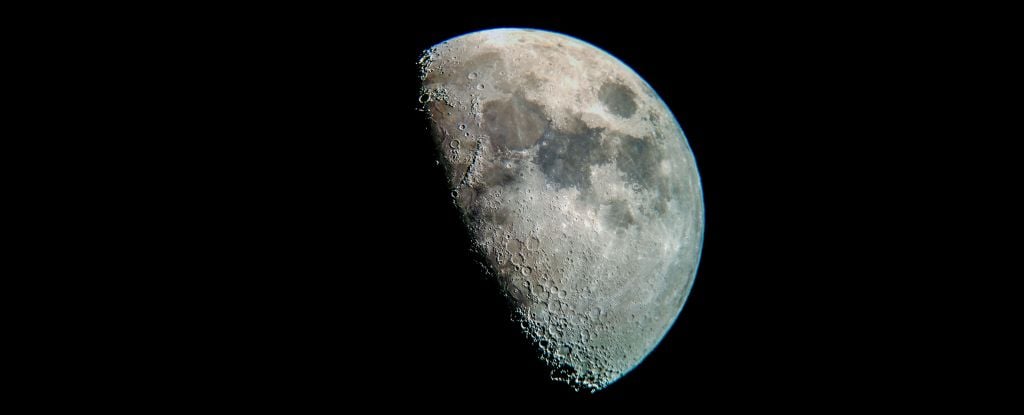
Scientists confirmed that the Moon has a solid inner core similar in density to iron, with an outer fluid layer, supporting the idea of an Earth-like lunar core and providing insights into the Moon's magnetic history and evolution.
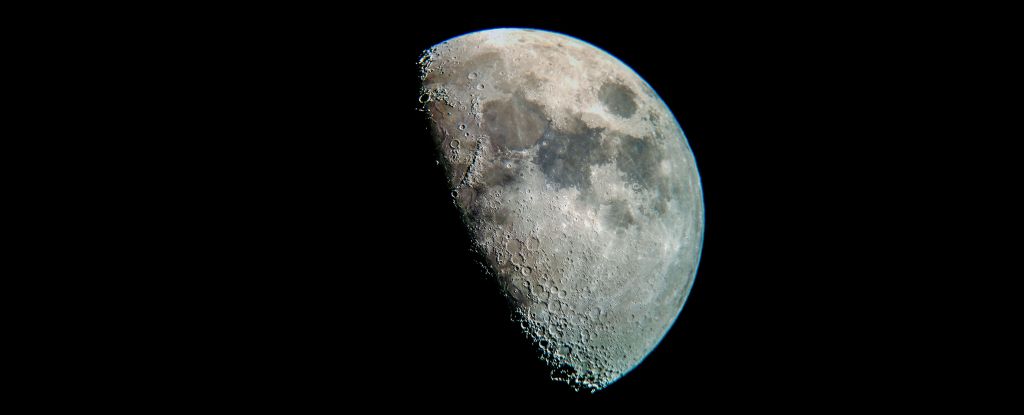
Scientists confirmed that the Moon has a solid inner core similar in density to iron, with a fluid outer layer, supporting models of an Earth-like lunar interior and providing insights into the Moon's magnetic history and evolution.
Scientists have identified a 'ghost' mantle plume beneath Oman, a hot rock column with no surface volcanic activity, which could reshape understanding of Earth's internal heat flow and geological processes. The discovery, based on seismic data and computer modeling, suggests the existence of similar hidden plumes worldwide, potentially impacting models of Earth's thermal evolution.
Researchers have discovered well-preserved glacial landforms buried beneath the North Sea, using seismic data to reveal features from about 1 million years ago. These findings, published in Science Advances, highlight how past ice sheets responded to climate changes during the Mid-Pleistocene Transition, offering insights into current climate change impacts. The study utilized 3D seismic technology, originally developed for oil and gas exploration, to map these ancient landscapes, which include features carved by ice sheets and ocean currents, reshaping our understanding of the North Sea's glacial history.
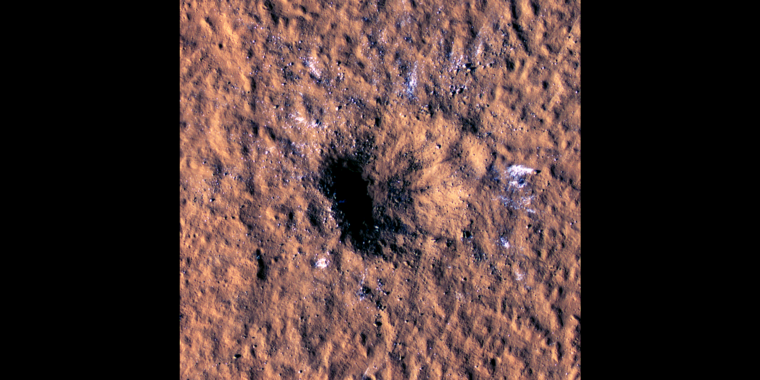
Seismic data from NASA's InSight lander reveals that Mars experiences frequent meteorite impacts, causing a new class of quakes known as VF (very high frequency) events. These findings, confirmed by orbital images, help estimate the planet's impact rate and provide insights into Martian surface age and potential hazards for future missions.
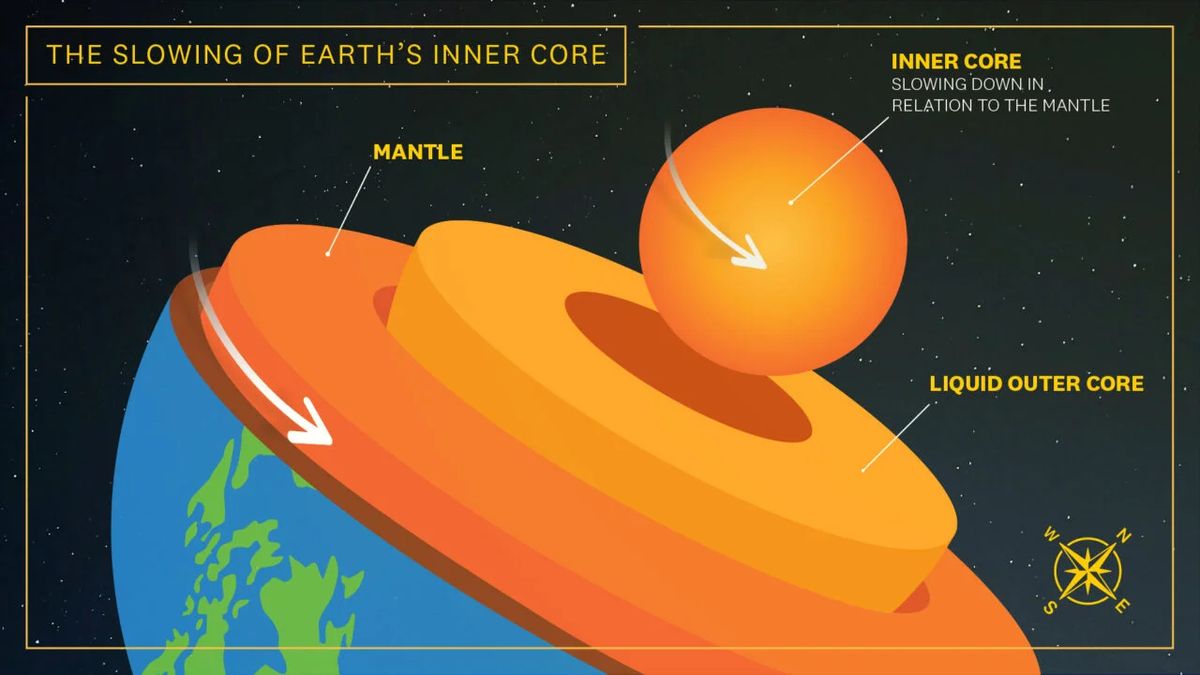
Researchers from the University of Southern California have found that Earth's inner core has been slowing down since around 2010, altering the length of days by fractions of a second. This slowdown is attributed to convection within the liquid iron outer core and gravitational forces in the mantle. The findings, based on seismic data from earthquakes and nuclear tests, were published in the journal Nature.
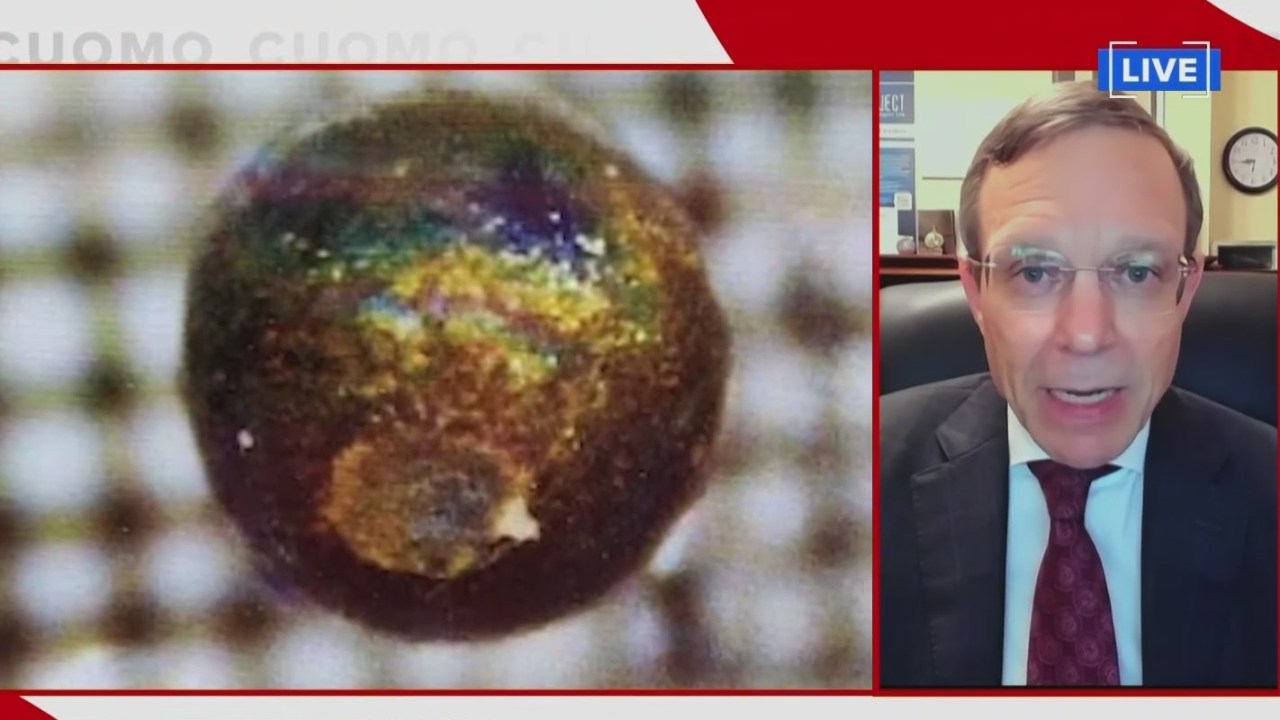
A new paper challenges Harvard astrophysicist Avi Loeb's claim that a 2014 meteorite came from outside our solar system, suggesting that the seismic signals detected were actually caused by a truck. The study, presented at the Lunar and Planetary Science Conference, disputes Loeb's conclusions and proposes that the debris collected from the ocean floor is likely from unrelated meteors. Despite criticism, Loeb defends his findings, pointing to other data and chemical compositions in the particles.