Tag

Gravitational Forces

All articles tagged with #gravitational forces

science1 year ago

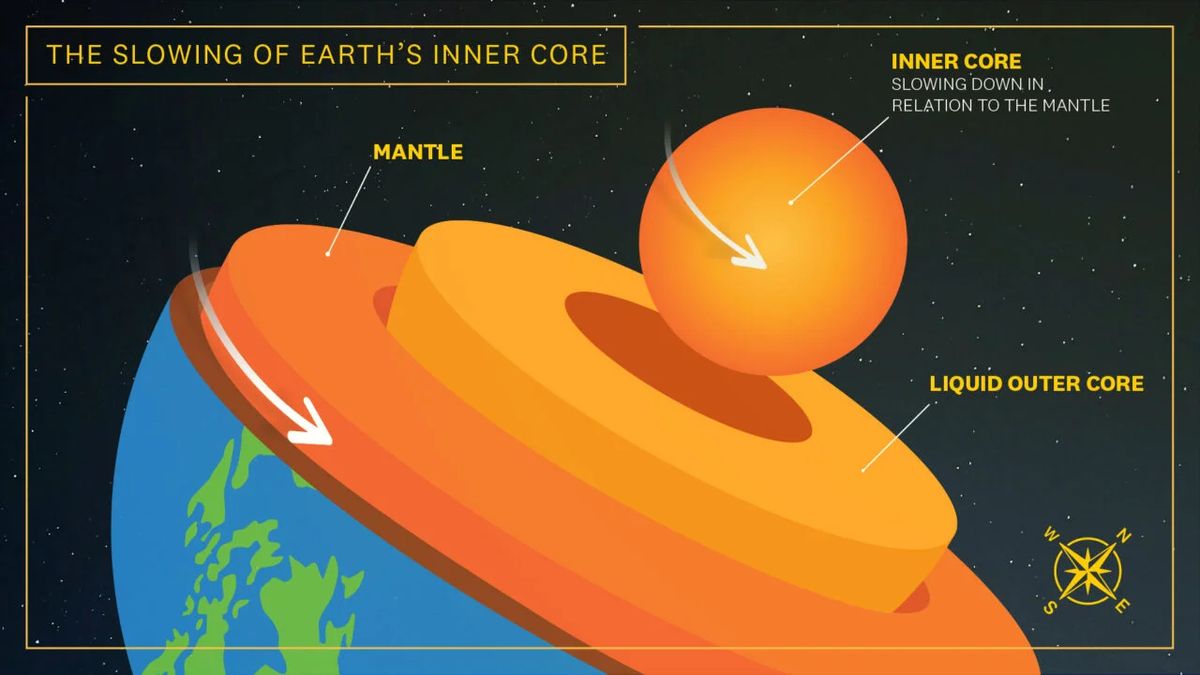
Earth's Inner Core Rotation Slows, Impacting Day Length

Researchers from the University of Southern California have found that Earth's inner core has been slowing down since around 2010, altering the length of days by fractions of a second. This slowdown is attributed to convection within the liquid iron outer core and gravitational forces in the mantle. The findings, based on seismic data from earthquakes and nuclear tests, were published in the journal Nature.
science-and-technology1 year ago

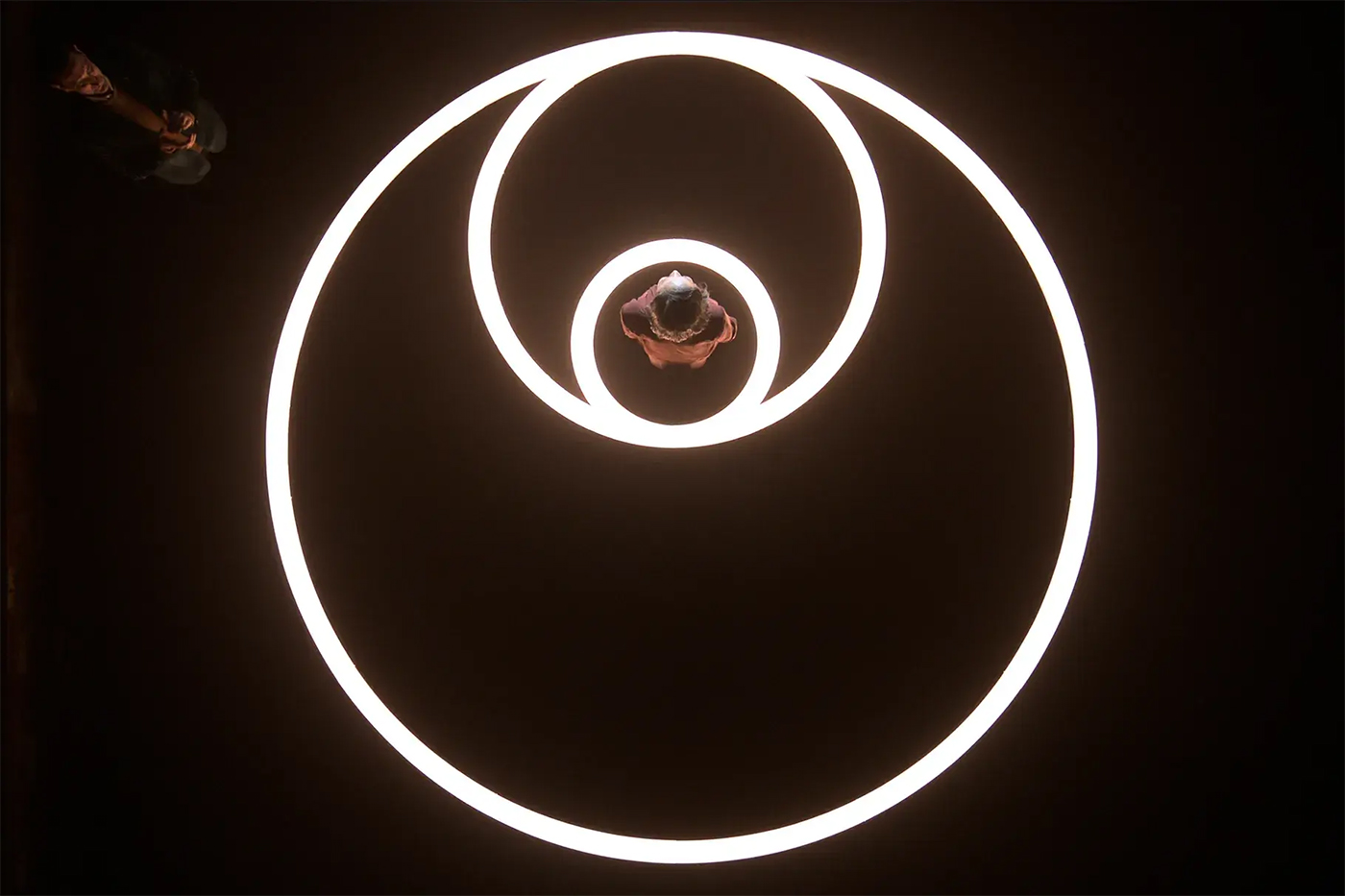
Unraveling the Controversy Surrounding Netflix's '3 Body Problem'

"3 Body Problem," the new Netflix series based on Liu Cixin’s book series, delves into the concept of the three-body problem, a longstanding mystery in astrophysics. This problem arises when three bodies exert gravitational forces on each other, leading to unpredictable behavior. While scientists have yet to find a general solution, the concept is relevant to our solar system and beyond, with potential implications for the stability of celestial bodies over billions of years. The show's portrayal of the three-body problem reflects its captivating complexity and its significance in both science and science fiction.

astronomy1 year ago

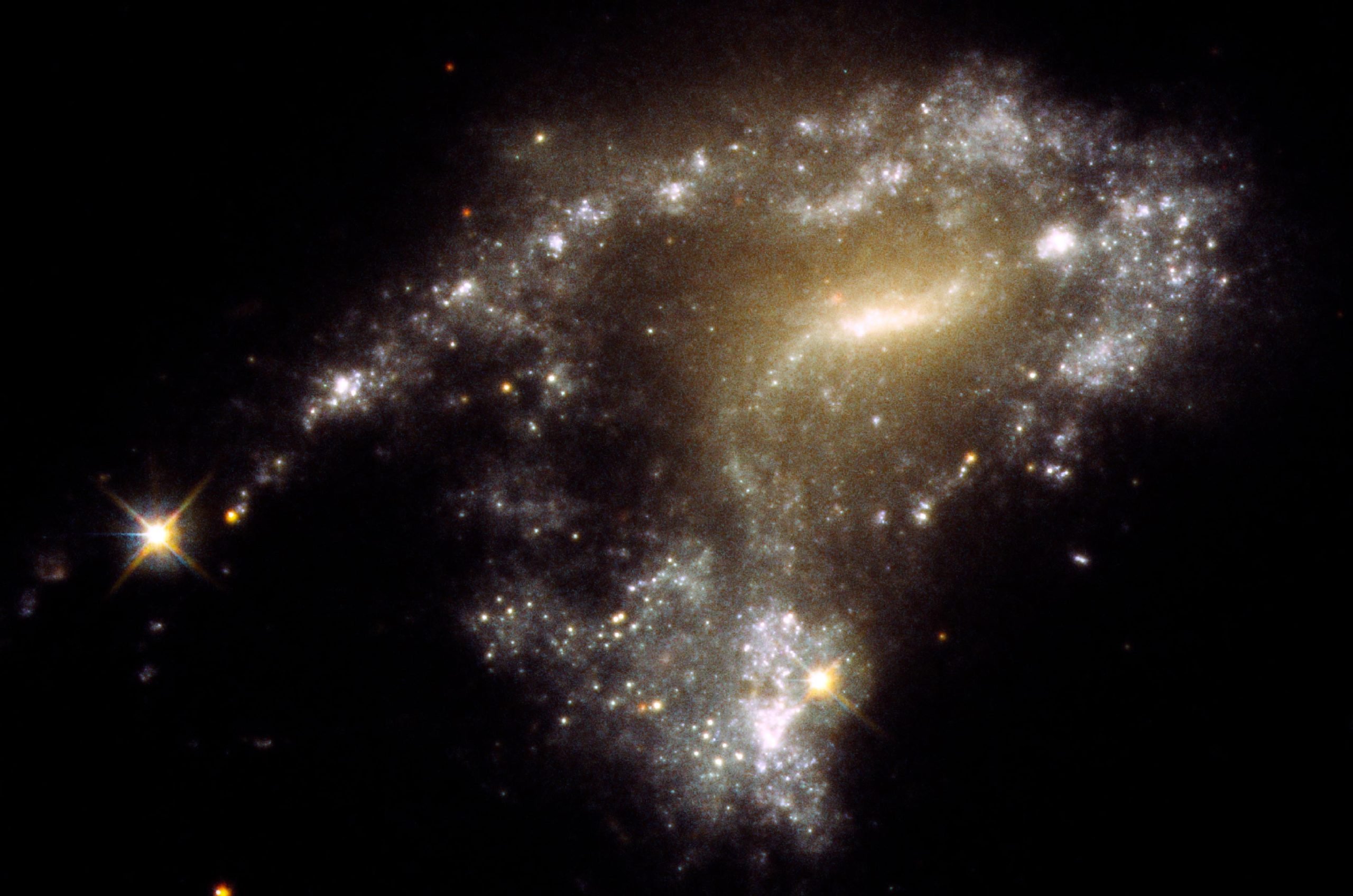
"Galactic Spectacles: Hubble's Astonishing Discoveries"

NASA's Hubble Space Telescope has observed 12 interacting galaxies, revealing long tidal tails rich in gas, dust, and stars, along which 425 clusters of newborn stars have been identified. These clusters, containing up to 1 million blue, newborn stars each, are a result of galaxy collisions that trigger star formation rather than destruction. The discovery sheds light on the efficiency of cluster formation and provides insights into the early universe when galaxy collisions were more frequent.

astronomy2 years ago

"Unveiling the Mind-Blowing Phenomenon of Spaghettification in Black Holes"

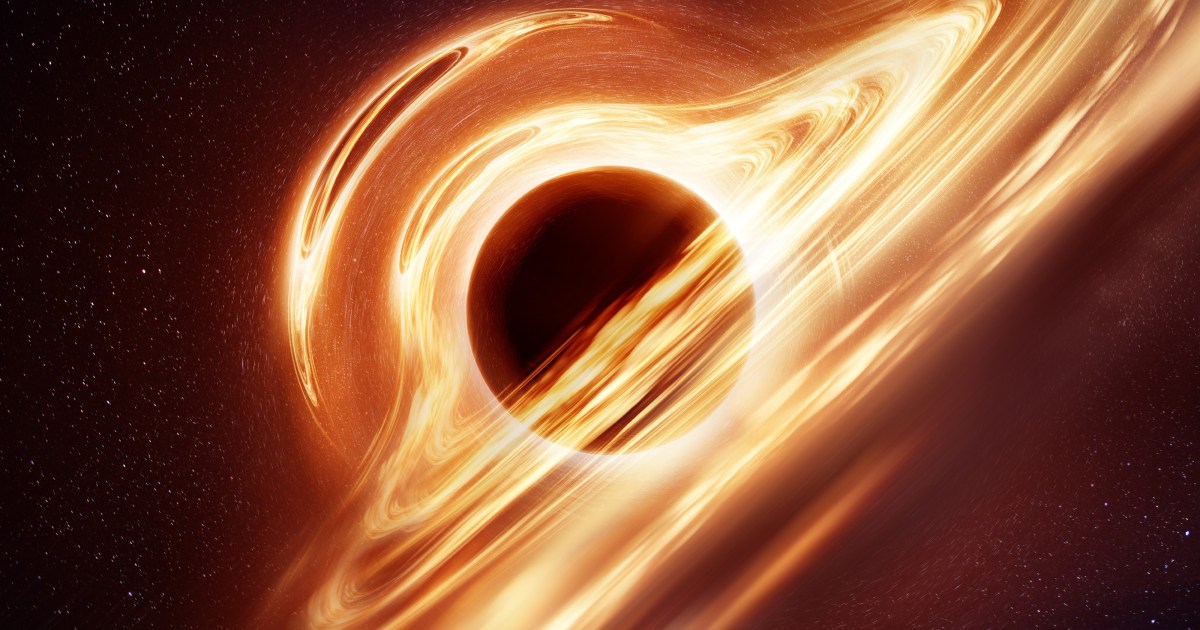
Black holes are the remnants of dead stars with incredibly strong gravitational fields, causing a phenomenon called "spaghettification" where objects are stretched due to tidal forces. The likelihood of spaghettification depends on the mass and size of the black hole, as well as the distance from it. Smaller black holes pose a greater risk of spaghettification, while supermassive ones are less dangerous in this regard. Falling into any black hole is still fatal, but falling into a supermassive black hole would result in less noticeable effects compared to a smaller one.

science2 years ago

Unveiling the Mysteries of Time Dilation in Black Holes

Recent findings by astrophysicist Chris Lintott suggest that time dilation, the phenomenon where time appears to pass at different rates for observers in different conditions, is most extreme near black holes. This supports Albert Einstein's theory of relativity, which predicted that time slows down as one travels at faster speeds. The effects of time dilation become more pronounced near black holes due to their strong gravitational forces. While falling towards a black hole, time would appear to speed up when observing events outside, but for someone falling into a black hole, time would appear to slow down. The concept of black holes acting as time machines is intriguing, but currently, there is no known way to exit a black hole.

space-exploration2 years ago

India's Aditya L1 Mission Reaches Solar System's Center

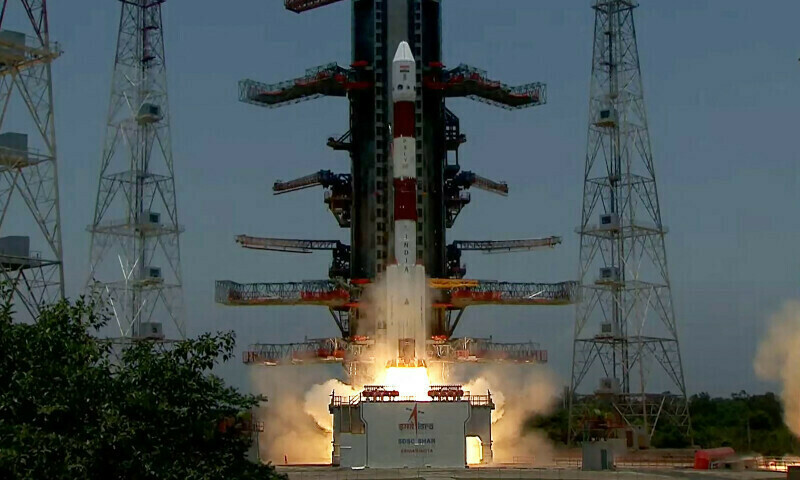
India's Aditya-L1 mission, aimed at observing the Sun's outermost layers, has crossed a significant milestone in its journey towards the center of the solar system, escaping the sphere of Earth's influence. The spacecraft, named after the Hindu Sun deity, has traveled over half of its total distance and will now enter a stable halo orbit around the Sun. This marks the second time that the Indian Space Research Organisation (Isro) has sent a spacecraft beyond Earth's sphere of influence, following the Mars Orbiter Mission.

astronomy2 years ago

"Universe's Enigmatic Cosmic Question Mark Leaves Scientists Puzzled"

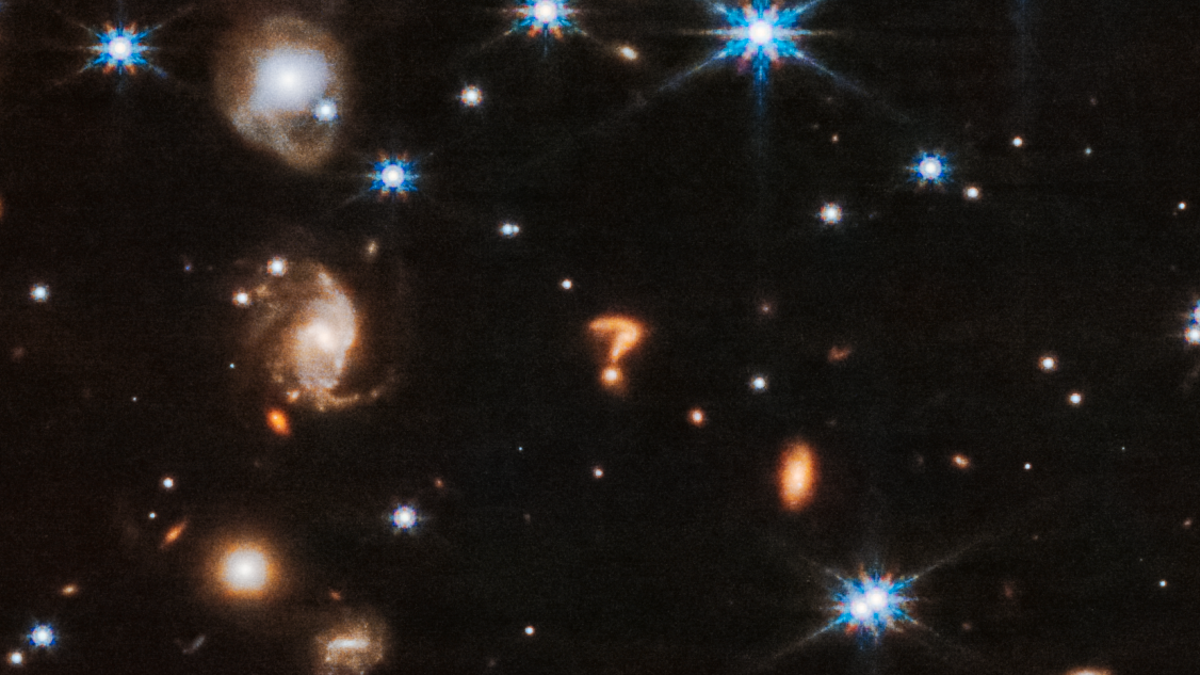
The James Webb Space Telescope captured an image of Herbig-Haro 46/47, a pair of actively forming stars located 1,470 light years from Earth, which revealed an unexpected question mark-like shape in deep space. Astronomers speculate that this could be a distant galaxy or a pair of interacting galaxies, with the shape possibly resulting from gravitational forces. This discovery highlights the tendency to perceive familiar shapes in astronomical objects and reminds us of the vastness and mysteries of the universe.

astronomy2 years ago

Mysterious Hidden Planet May Lurk in Our Solar System

Scientists propose that the strange gravitational forces affecting Neptune and Uranus in our solar system could be explained by the presence of a planet-sized object in the Oort cloud, a region beyond the Kuiper Belt. This object could have formed from clumped debris or could be an exoplanet from another system that got trapped in our solar system. The chances of either scenario are estimated to be low, but the possibility of more planets in the Oort cloud remains intriguing.

space2 years ago

Unprecedented Planetary Debris Photo Surfaces.

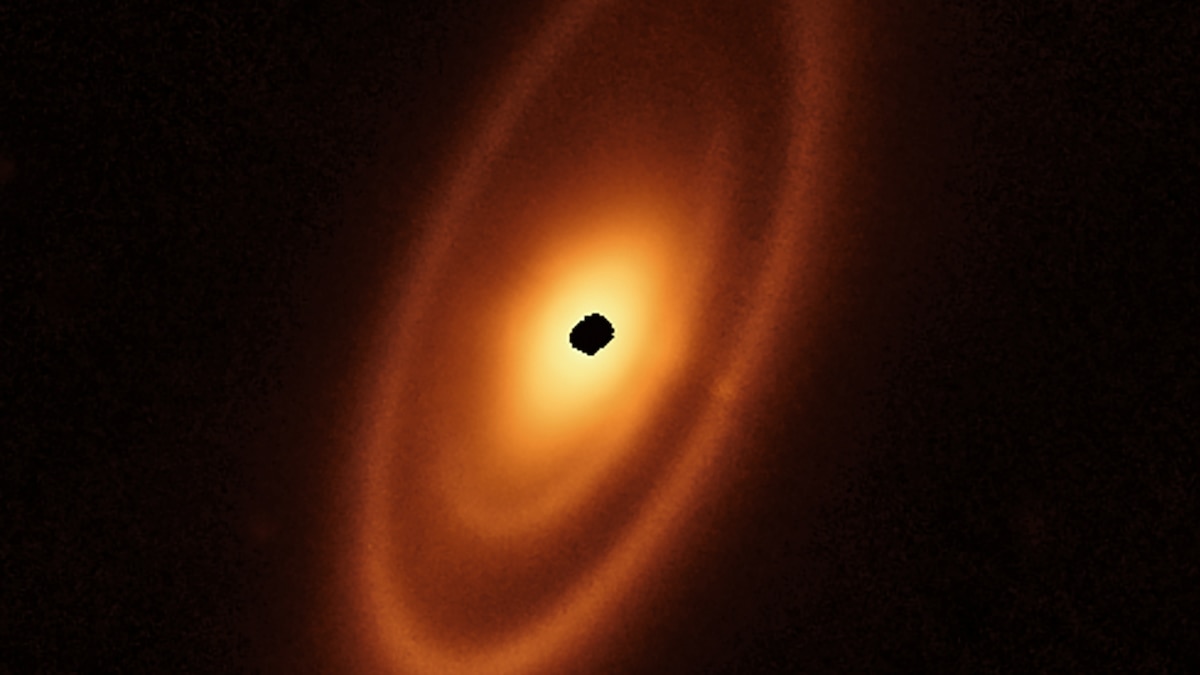
The James Webb Space Telescope has captured stunning images of three nested, dusty debris belts orbiting the young star Fomalhaut. The inner belts are believed to have been carved out by the gravitational forces of unseen planets. The belts extend out to 14 billion miles from the star and provide new insights into the formation of planetary systems.