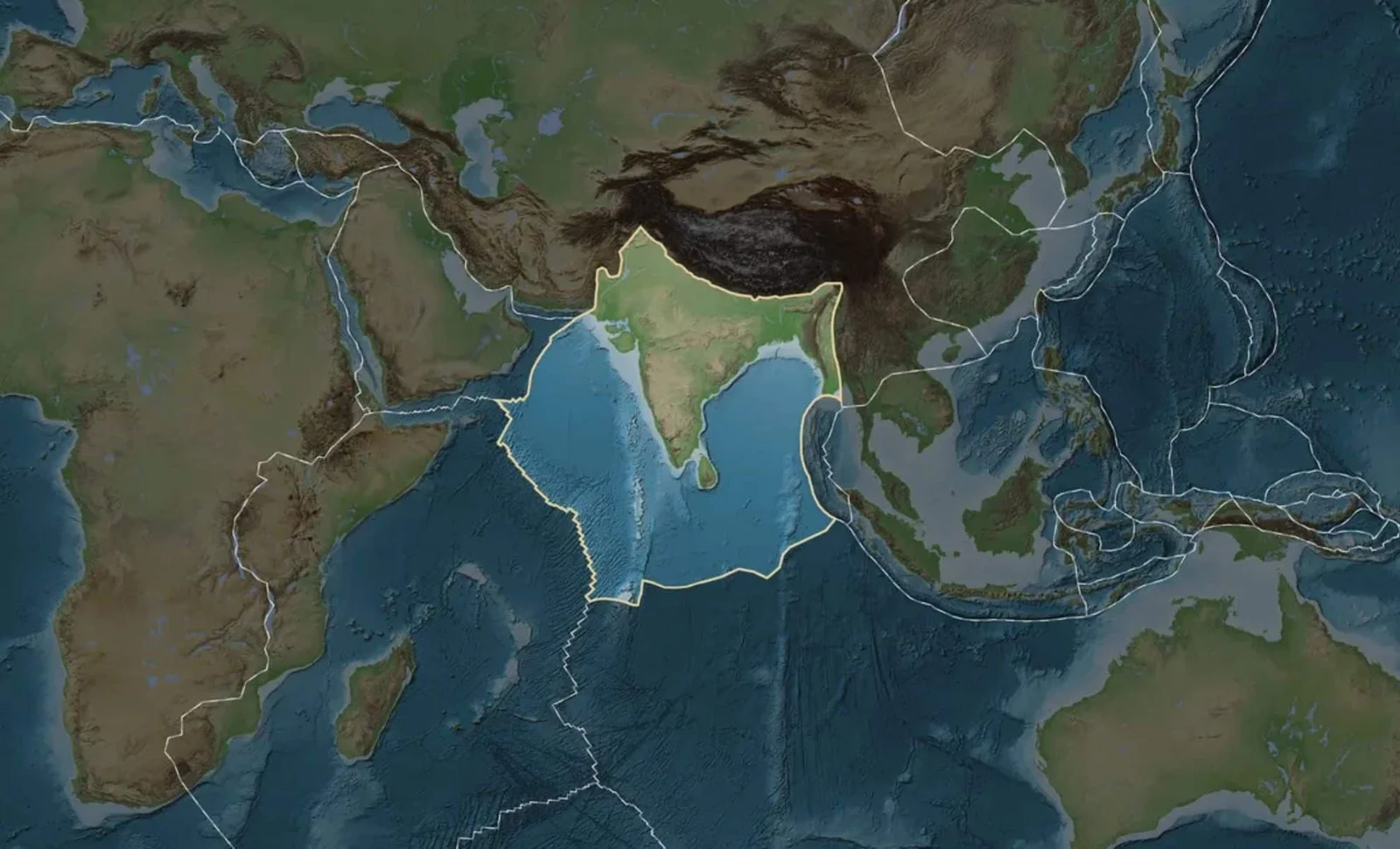
New seismic research reveals that the Indian tectonic plate is splitting beneath Tibet through a process called delamination, providing new insights into the geological forces shaping the Himalayas and potentially improving earthquake prediction.,
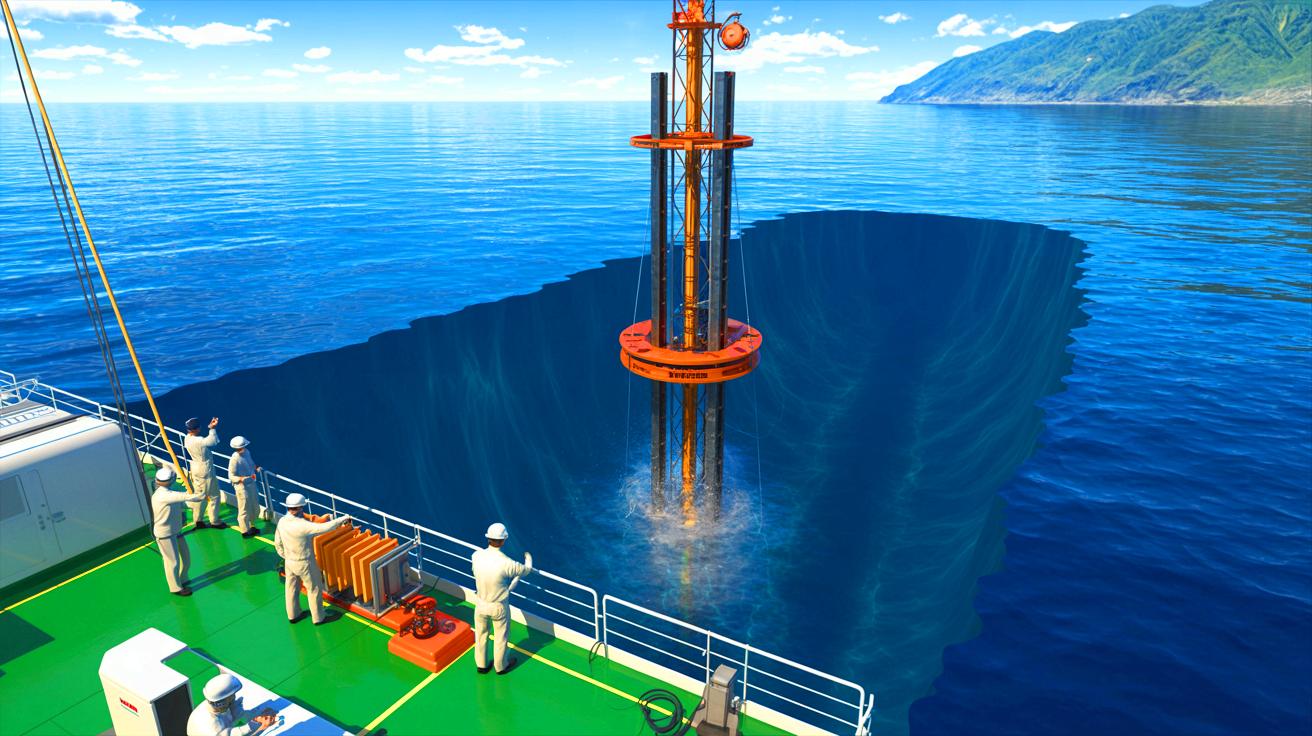
Scientists have captured real-time images of slow-motion earthquakes, which release energy over days or weeks, providing valuable insights into earthquake prediction and stress release along fault lines, especially in the Nankai Trough off Japan, potentially improving early warning systems for devastating quakes and tsunamis.
Scientists from the University of Texas captured a rare slow-motion earthquake along Japan's Nankai Fault using advanced borehole sensors, revealing that parts of the fault act like shock absorbers and that fluids play a key role in these events. This discovery enhances understanding of tectonic processes, potentially improving earthquake prediction and safety measures.
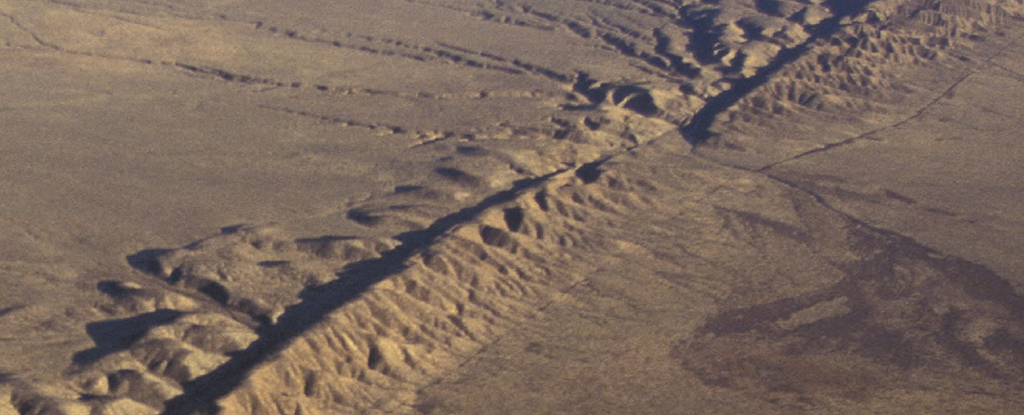
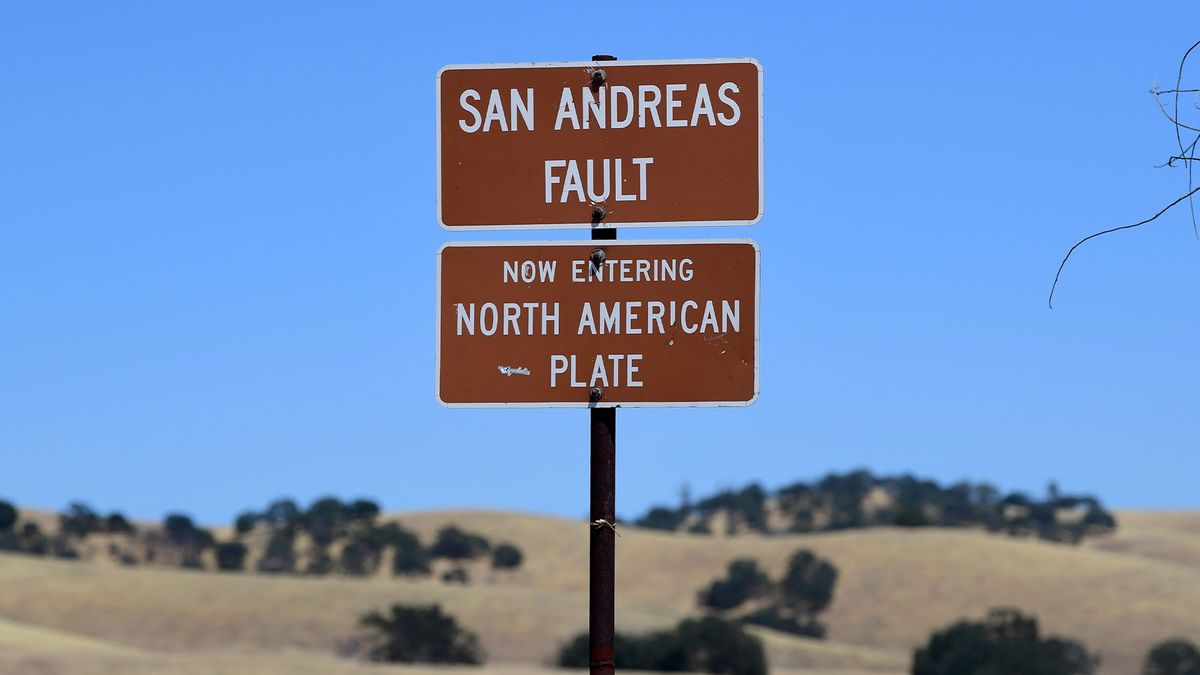
A study suggests that a section of the San Andreas fault in California, known as Parkfield, may be exhibiting unusual behavior, indicating a potential for a significant earthquake. The lead author of the study, Luca Malagnini, acknowledges the difficulty in predicting earthquakes but expresses hope for identifying early signs. While the possibility of scientifically predicting earthquakes remains uncertain, ongoing research aims to improve understanding and potentially mitigate future earthquake-related disasters.
A section of the San Andreas fault known as Parkfield in Central California, where earthquakes occur regularly, may be showing signs of an imminent earthquake. New research suggests that a distinct signal related to the opening and closing of cracks beneath the subsurface may precede seismic activity. While the fault segment is not currently exhibiting this signal, researchers are closely monitoring it for potential clues to predict the next quake, which could help save lives. The study's lead author, Luca Malagnini, believes that the next earthquake may occur this year, but the epicenter may not be in the same place as the 2004 quake.
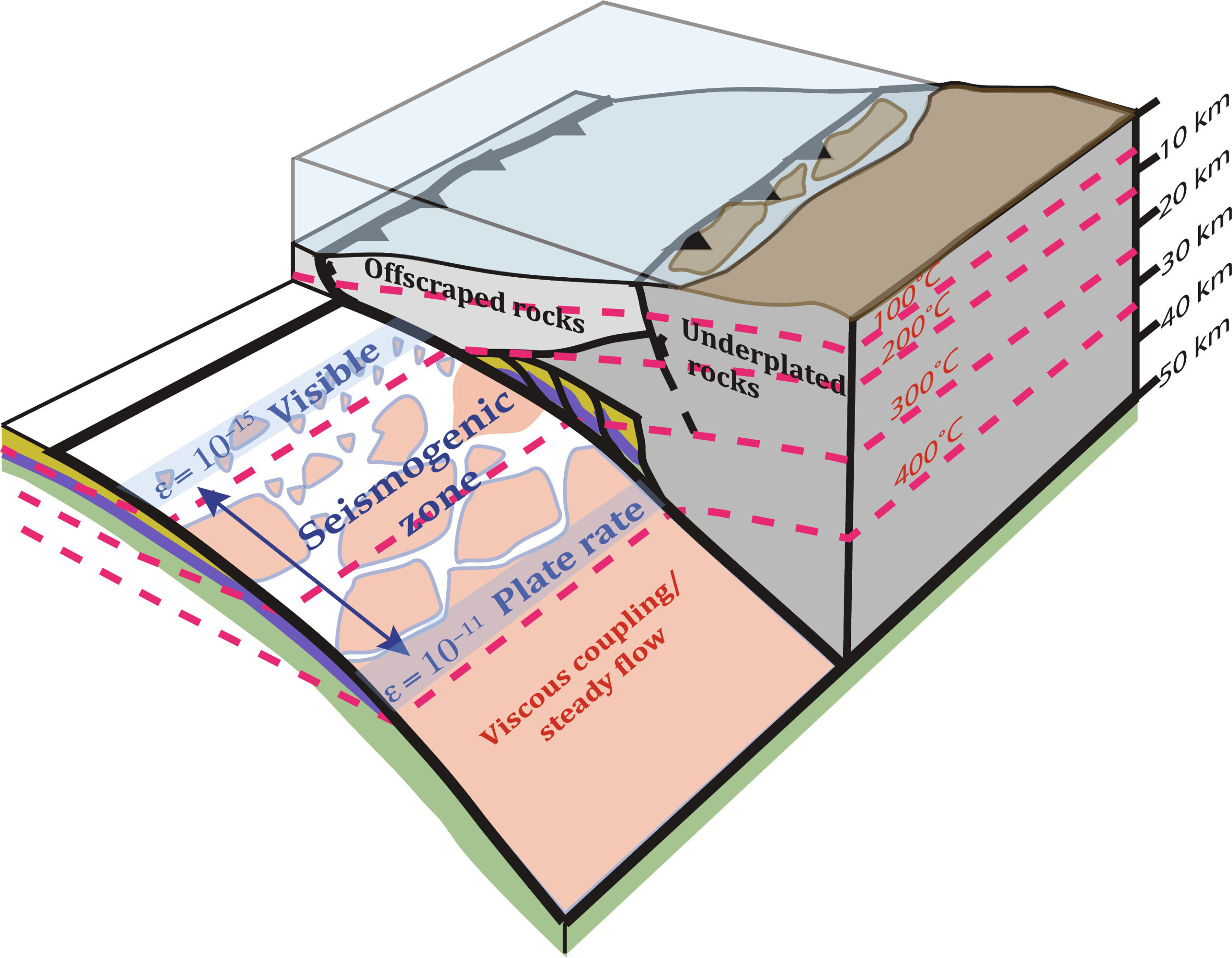
Researchers from Penn State and Brown University have studied ancient rocks from subduction zones to develop a new model for predicting pressure solution activity in these zones between major earthquakes. The study provides insights into how rocks deform under pressure, influencing tectonic plate movement. The findings could improve earthquake predictions and have been applied to the Cascadia Subduction Zone, suggesting potential for a major earthquake in the region.
Researchers have found that the Indian tectonic plate is likely splitting in half as it moves underneath the Eurasian Plate, providing empirical evidence of this phenomenon. This discovery could lead to a better understanding of tectonic plate movements and improve earthquake prediction tools for a more accurate warning system.
Artificial intelligence (AI) is being explored as a tool to enhance earthquake prediction capabilities by analyzing large datasets of seismic activity and identifying patterns or anomalies. Some AI models can predict earthquakes with a high degree of probability by examining geological features and previous seismic data, but precise predictions are still a challenge.
Researchers from UCSC and TU Munich have developed a new deep learning-based model called RECAST to forecast aftershocks. The model outperformed the older ETAS model, especially with larger datasets, and showed potential for revolutionizing earthquake forecasting. It can handle different earthquake datasets, combine information from various regions, and predict earthquakes in less-studied areas. The model also allows researchers to access different data types for earthquake prediction, such as continuous ground motion data.
Chinese researchers from Xian have spent over a decade studying potential precursors to earthquakes and are now aiming to collaborate with researchers and countries worldwide to establish a network of gravimeter machines for improved earthquake prediction and data collection.
French researchers Quentin Bletery and Jean-Mathieu Nocquet claim to have discovered a way to predict major earthquakes hours before they occur. Their analysis of 90 past earthquakes suggests that a "precursory slip" phase occurs within two hours before the earthquake, providing enough time for officials to issue warnings. While the study still needs to be confirmed, if their discovery is real, it could potentially save lives and protect critical infrastructure. However, implementing this prediction method would require an expensive retooling of the GPS system and the construction of an extensive GPS sensor network along major earthquake rupture faults.
Scientists have discovered a precursory fault phase slip that occurs nearly two hours before an earthquake, potentially allowing for early warnings. By analyzing GPS records from 48 hours prior to over 90 earthquakes, the researchers observed signs of increasing activity along fault zones in the two hours immediately before the earthquakes. However, current GPS systems lack the sensitivity required to make precise predictions at single sites, and it remains uncertain whether these slow-slip accelerations can be measured accurately enough to provide useful warnings for individual events.
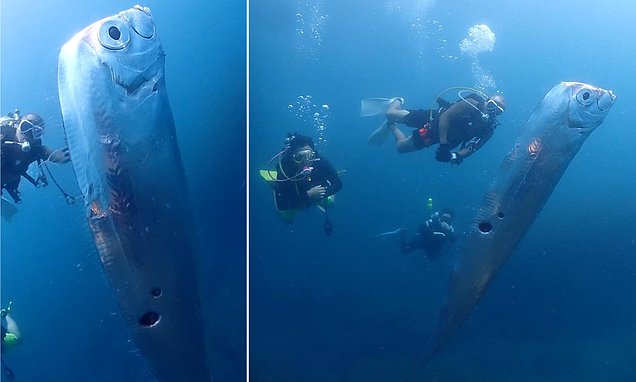
Scuba divers off the coast of Taiwan captured rare footage of an 8ft long giant oarfish, known as an "earthquake fish," which is believed to predict earthquakes. The fish appeared injured, possibly from a shark attack, and had several holes in its body. Oarfish sightings are often associated with natural disasters like tsunamis and earthquakes, although the connection has not been scientifically proven. These elusive creatures typically swim at great depths but occasionally swim nearer the surface, making them rare to see in the wild.
A global analysis of GPS time-series data from nearly 100 large earthquakes suggests the existence of a precursory phase of fault slip that occurs approximately two hours before seismic rupture. However, the current monitoring tools lack the necessary coverage and precision to detect or monitor for precursory slip at the scale of individual earthquakes, posing a significant challenge for practical earthquake prediction. If confirmed and reliably measured, this precursory phase could potentially provide a warning for large earthquakes.
Seismologists at Côte d'Azur University have discovered a potential method for predicting earthquakes using high-rate GPS time series data. By analyzing the land shifting patterns before 90 earthquakes of magnitude 7 or above, the researchers found a consistent slip between tectonic plates that occurred up to two hours before the quake. This slip, which is too small to be detected by standard seismographs, could serve as a precursor to earthquakes and be measured using GPS technology. However, further research is needed to confirm the existence of this precursor for all large earthquakes, and improvements in GPS technology are necessary for continuous monitoring.