Scientists have discovered that Mars has a solid inner core enclosed by a liquid outer core, similar to Earth's internal structure, which provides new insights into the planet's geological history and past magnetic field, helping to explain its evolution and loss of atmosphere.
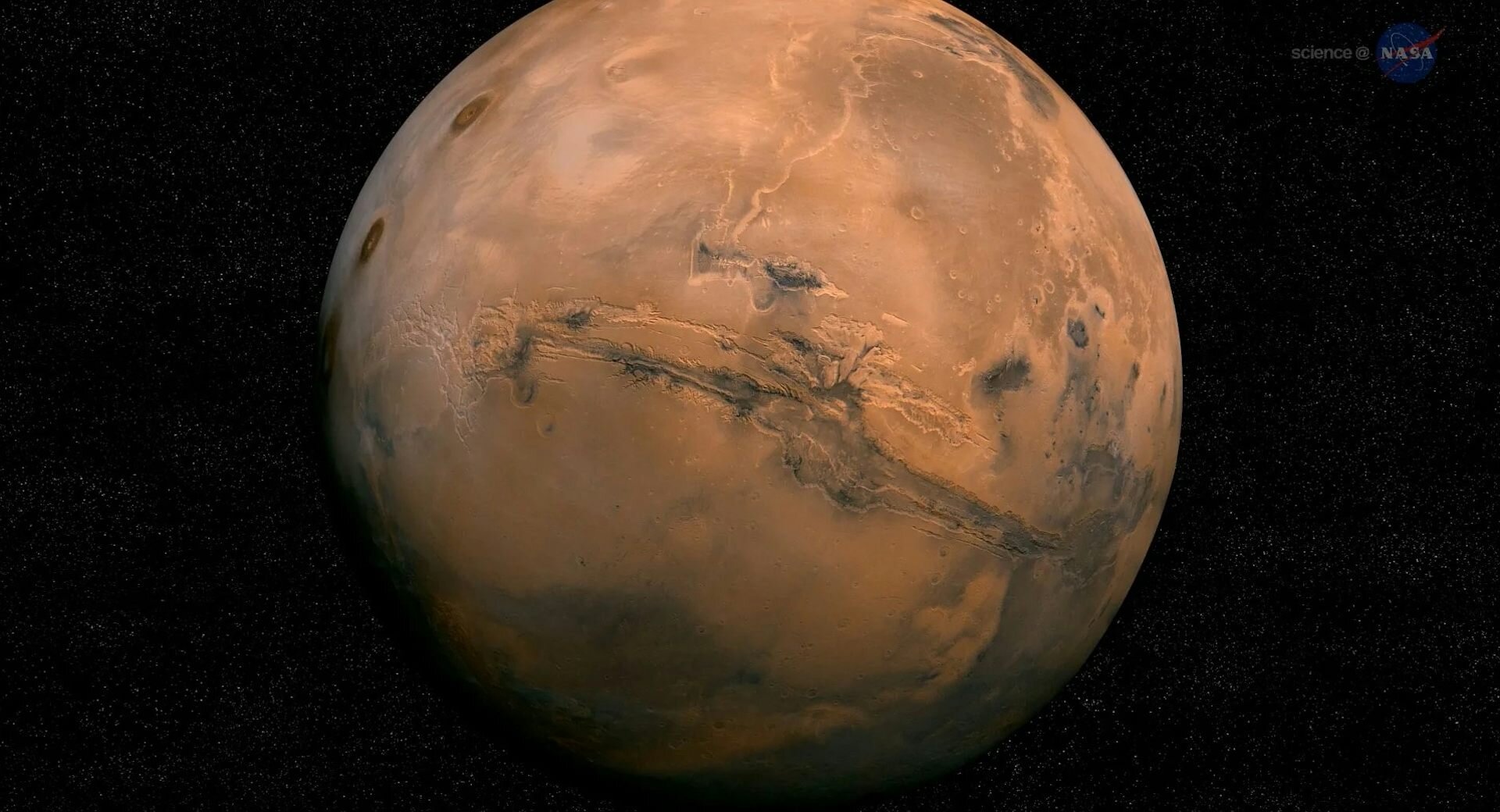
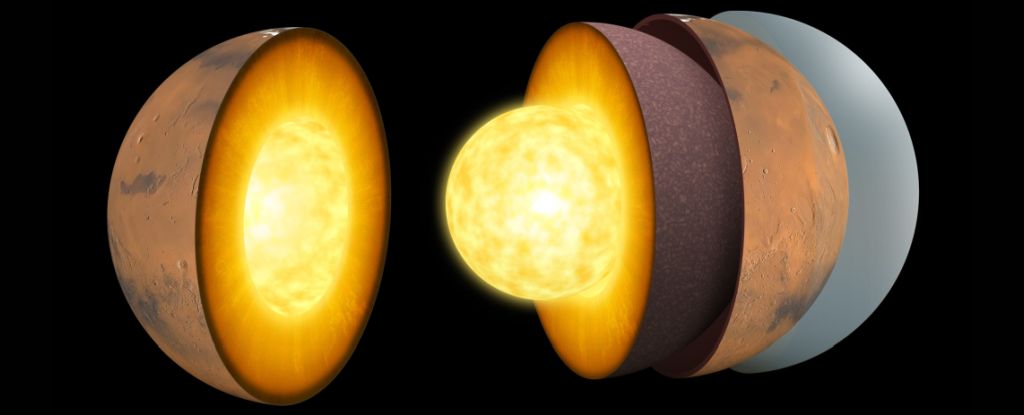
Scientists using NASA's InSight mission have discovered that Mars has a solid inner core surrounded by a liquid outer core, similar to Earth's structure, which has important implications for understanding the planet's evolution and past magnetic field.
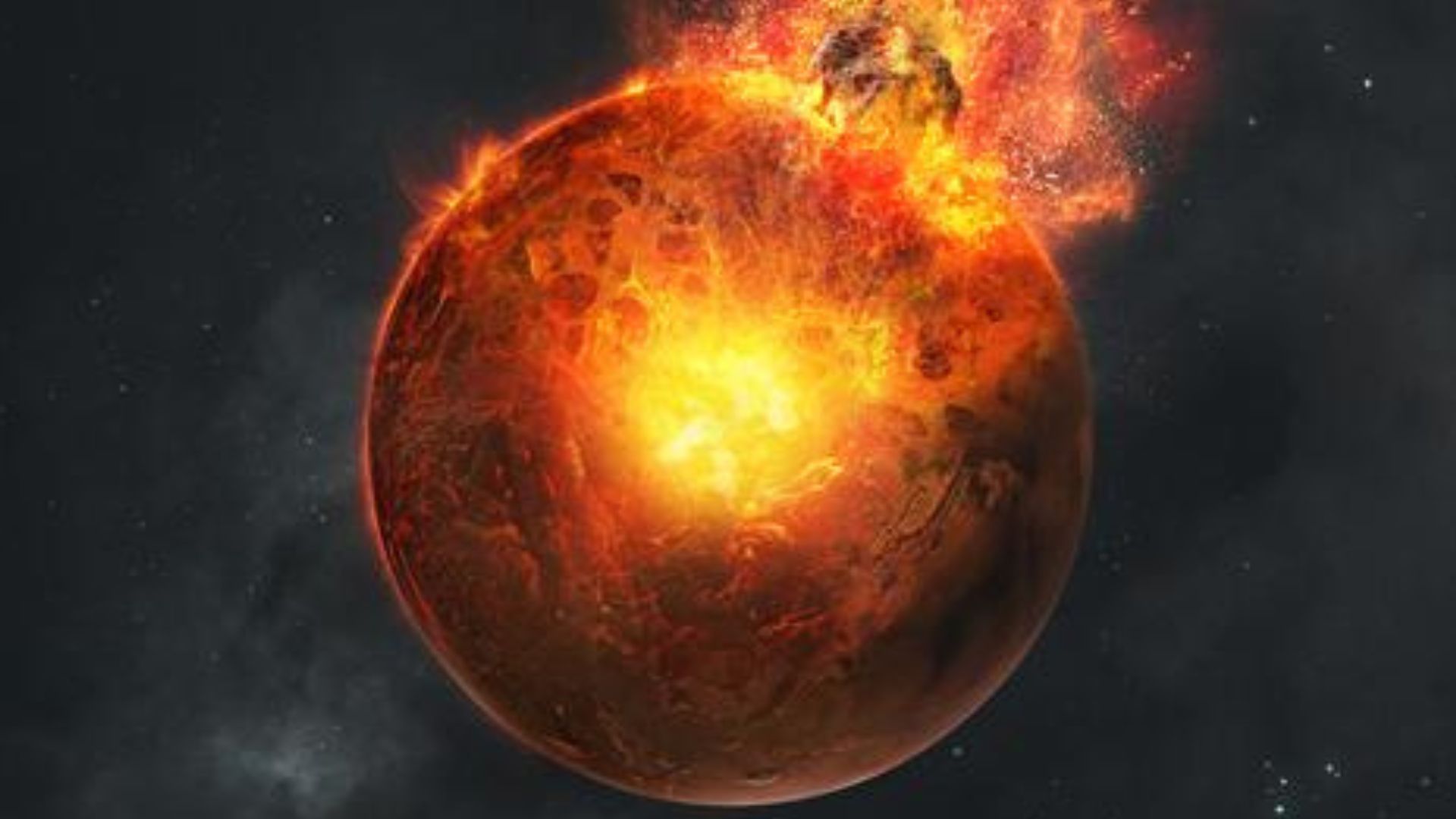
New research using NASA's InSight seismic data reveals that Mars' mantle contains large, ancient fragments from its early, violent history, making its interior more chaotic and 'rocky road' like rather than layered, due to early impacts and magma ocean cooling.
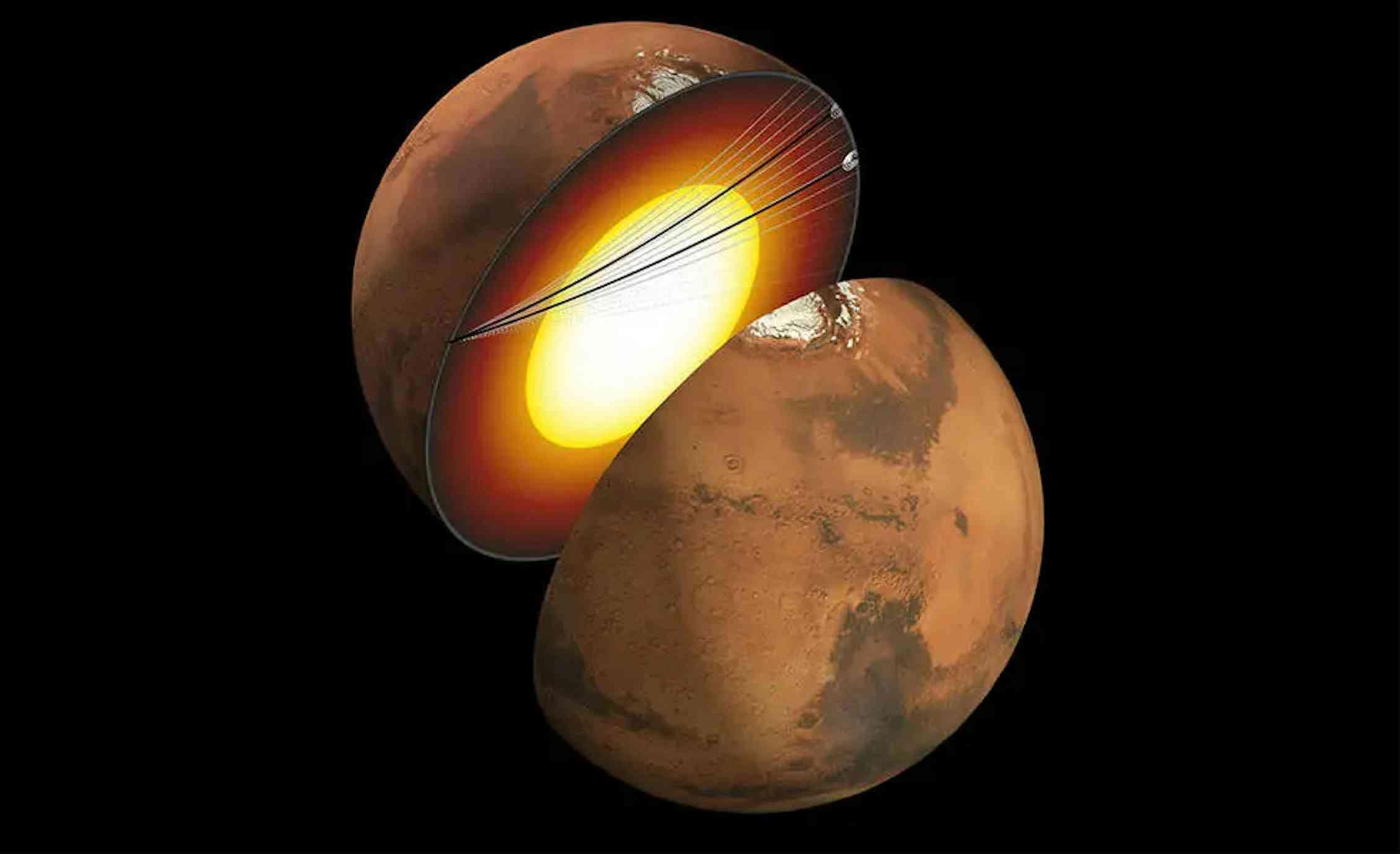
NASA's InSight mission has discovered that Mars has a solid inner core about 600 km across, contrary to previous beliefs that it was entirely soft, providing new insights into the planet's internal structure and evolution.
Researchers analyzing Marsquake data from NASA's InSight lander have discovered dozens of dense blobs within Mars' mantle, likely remnants of ancient protoplanets from up to 4.5 billion years ago, providing new insights into the planet's early history and internal structure.
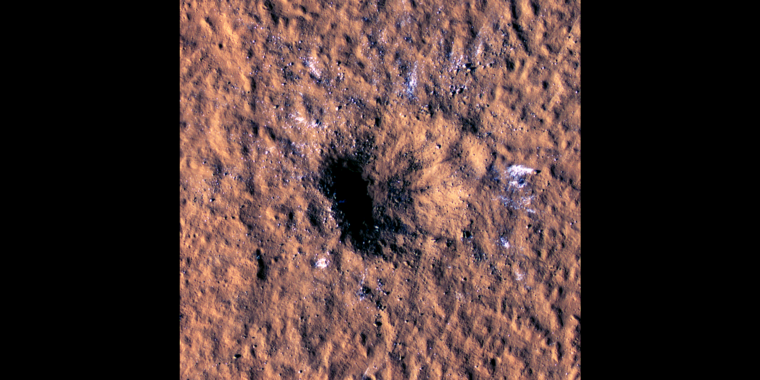
Seismic data from NASA's InSight lander reveals that Mars experiences frequent meteorite impacts, causing a new class of quakes known as VF (very high frequency) events. These findings, confirmed by orbital images, help estimate the planet's impact rate and provide insights into Martian surface age and potential hazards for future missions.