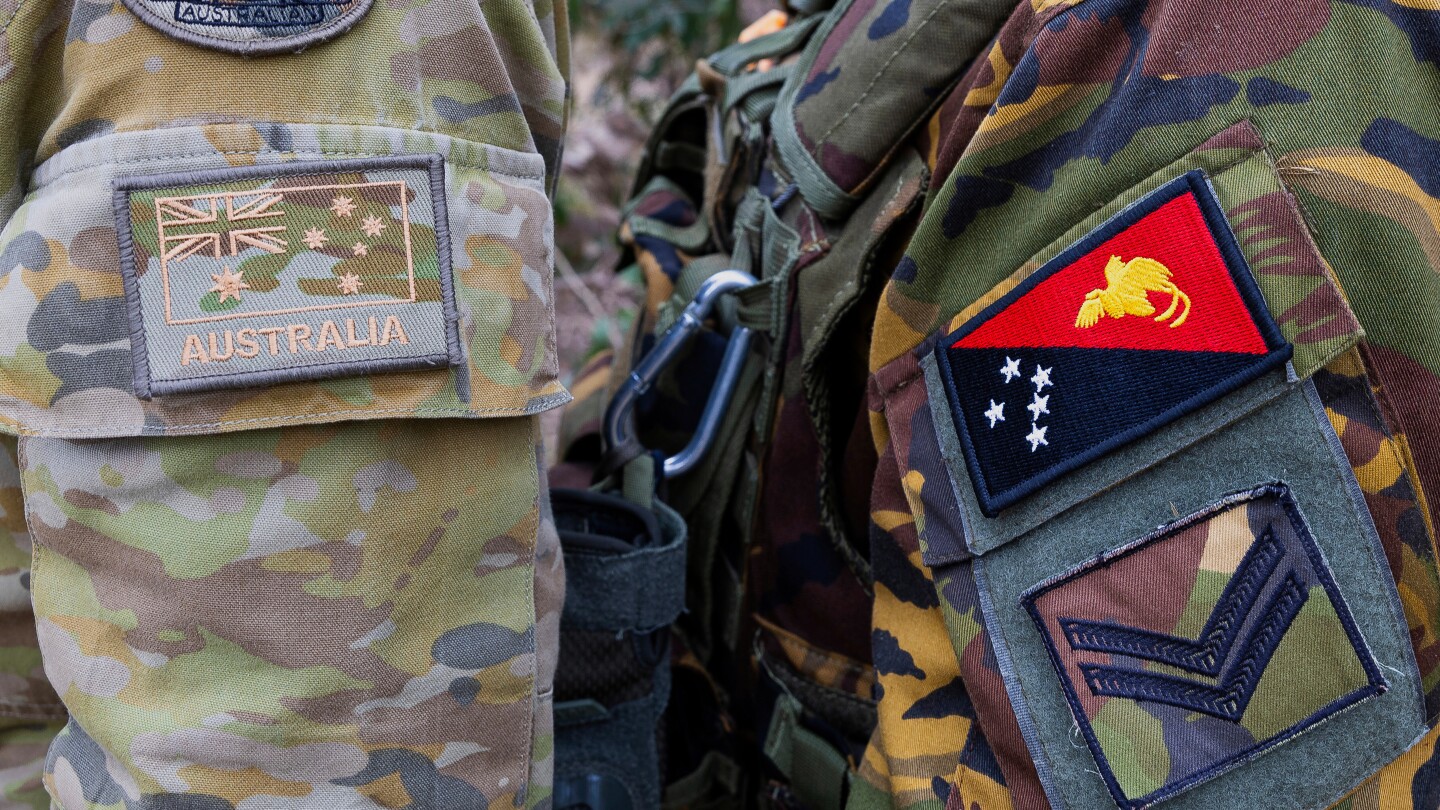
Australia and Papua New Guinea are set to sign a new security pact to integrate their defense forces, enhance mutual support, and counter China's growing influence in the South Pacific, with provisions allowing citizens to serve in each other's militaries and offering Australian citizenship to Papua New Guineans, marking a significant upgrade in their defense relationship.
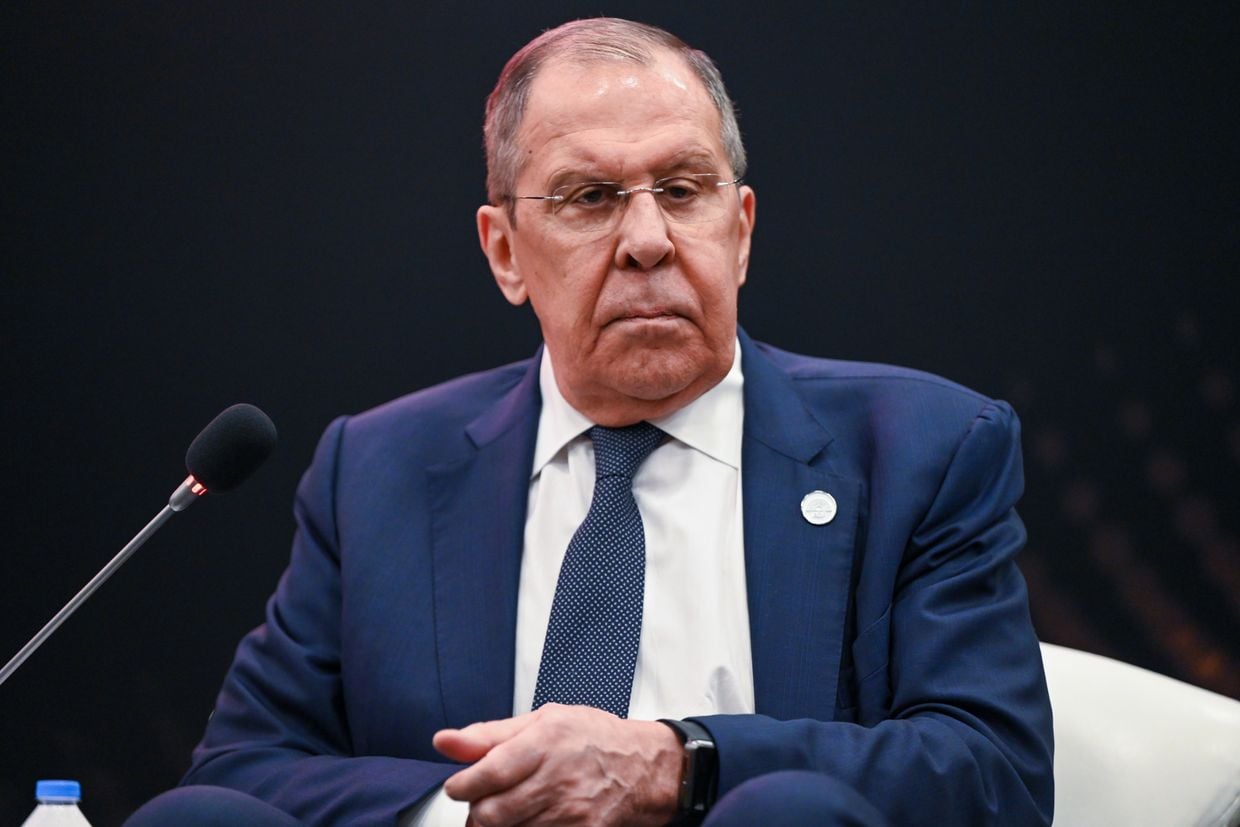
Russian Foreign Minister Sergey Lavrov warned the US, South Korea, and Japan against forming a security alliance targeting North Korea during his visit to North Korea, where he also discussed deepening Russia-North Korea ties, including military and economic cooperation, amid regional security tensions and North Korea's nuclear development.
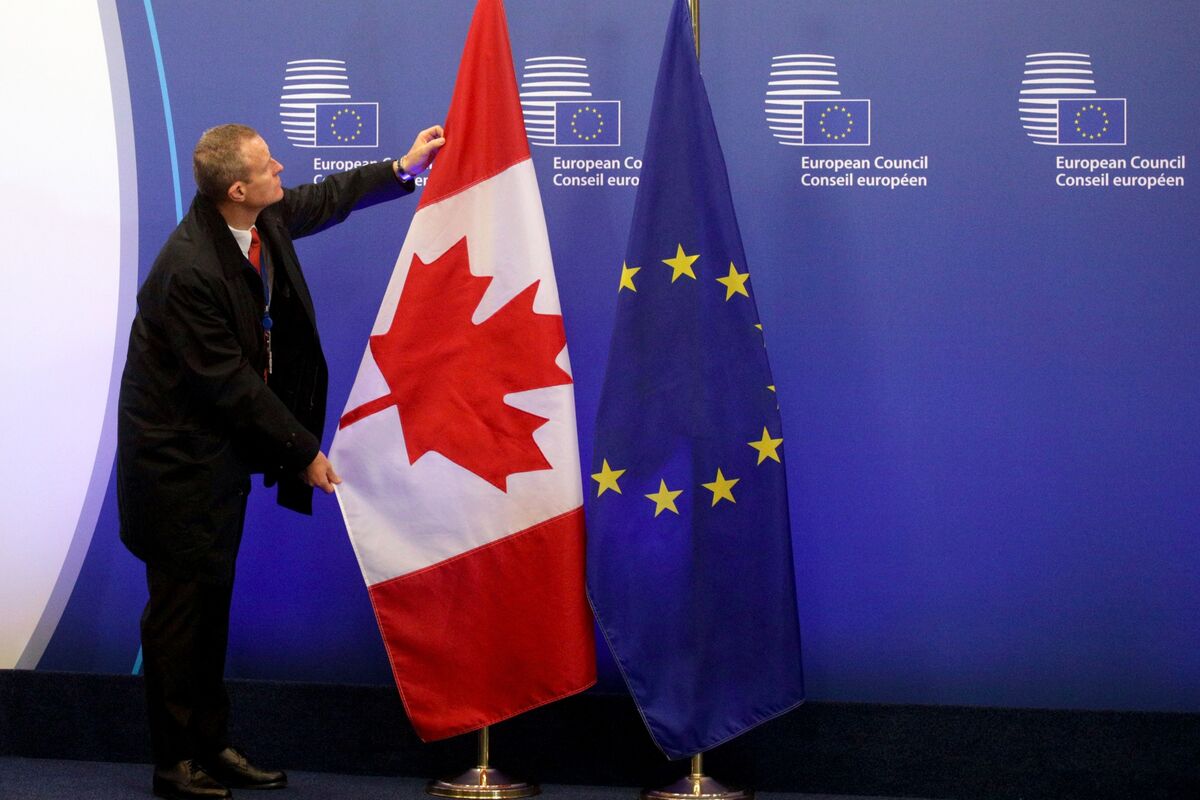
The EU and Canada have signed a security partnership to enhance military cooperation, reduce Canada's reliance on the US for defense, and participate in the EU's €150 billion SAFE joint-purchase loan pool, marking a shift towards broader multilateral security efforts amid changing global dynamics.
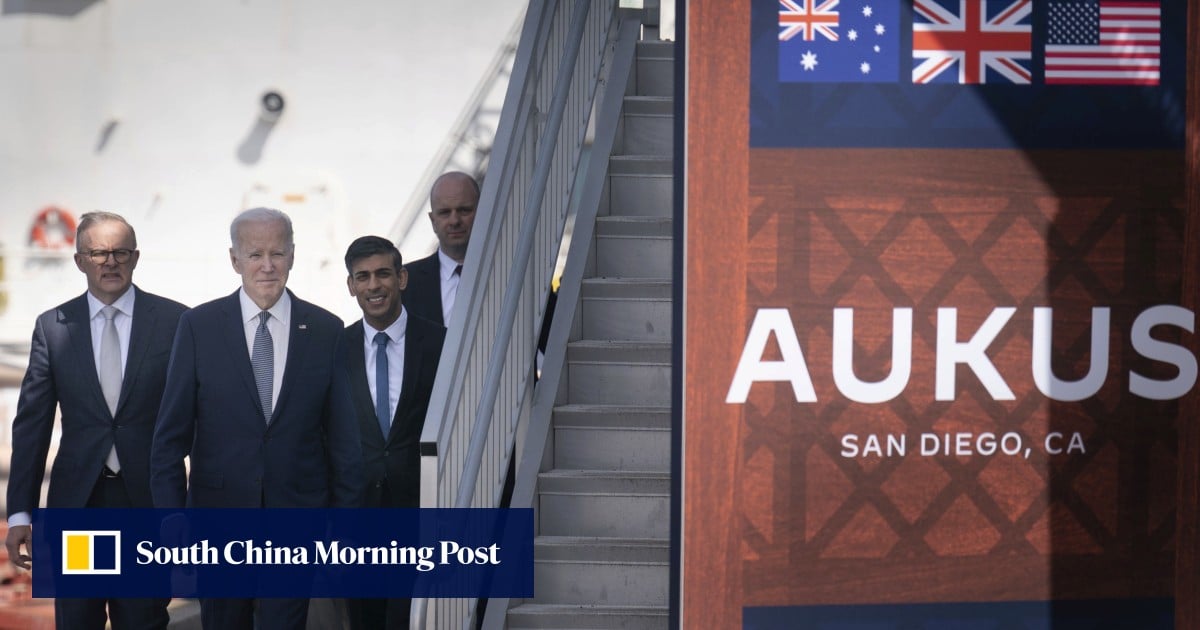
China expresses grave concern over reports of Japan potentially joining the Aukus security pact, warning that it could lead to nuclear proliferation and intensify the arms race in the Indo-Pacific region. The US, UK, and Australia are set to discuss expanding the pact to include Japan, with the aim of countering China's influence. US President Biden seeks to strengthen partnerships with allies in Asia, and is expected to discuss Japan's involvement in the pact during a meeting with Japanese Prime Minister Kishida.
The US and Japan are planning the most significant update to their security pact in over 60 years, aiming to strengthen their military alliance in the face of growing threats from China and North Korea. The proposed changes include expanding the scope of their cooperation to cover new domains such as space and cyberspace, as well as enhancing Japan's ability to counter ballistic missile threats. This move reflects the deepening security ties between the two countries amid increasing geopolitical challenges in the Asia-Pacific region.
Ukrainian President Zelenskyy signed defense pacts with France and Germany, securing up to €3 billion in aid from France and €1.1 billion from Germany. Fierce fighting was reported in the key town of Avdiivka, and Belarusian President Lukashenko claimed to have detained "saboteurs" on the Ukraine border. Zelenskyy aims to rally Western support for Ukraine ahead of the war's second anniversary, while a report suggests the EU may need to double its military aid to Ukraine if the US withdraws its support.
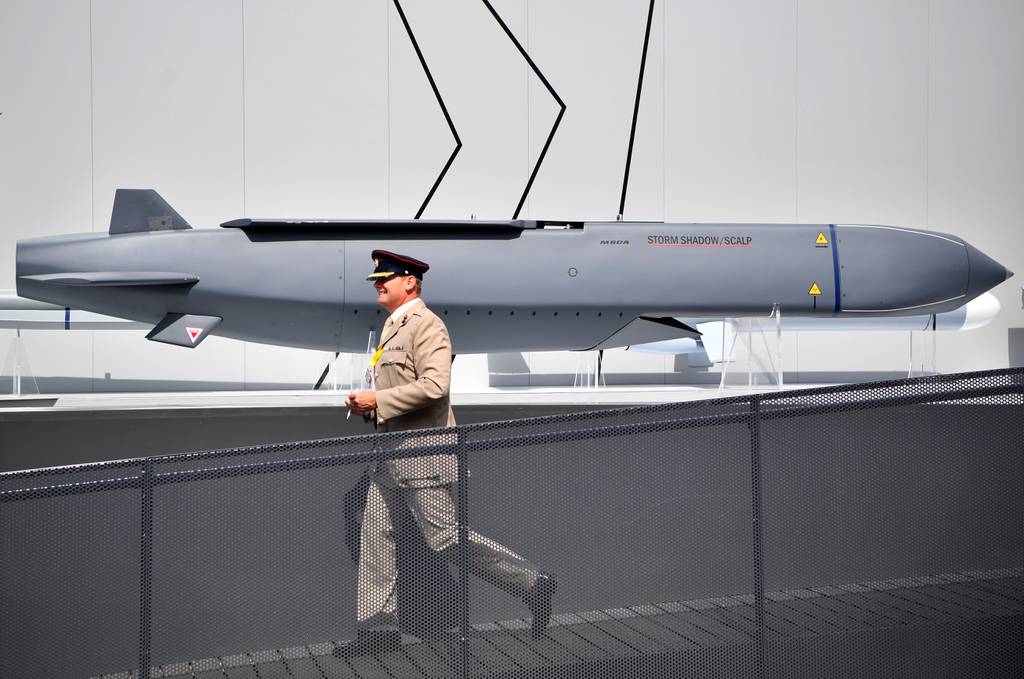
France plans to supply Ukraine with more cruise missiles and bombs, as well as finalize a bilateral security agreement similar to the one signed by the U.K. The French president emphasized the need to support Ukraine in defending itself against Russian aggression and announced plans to visit the country in February. France's increased military aid to Ukraine aims to counterbalance Russia's influence and contribute to the stability of Europe, while also advocating for a more sovereign Europe that is an ally of the U.S. but not dependent on it.
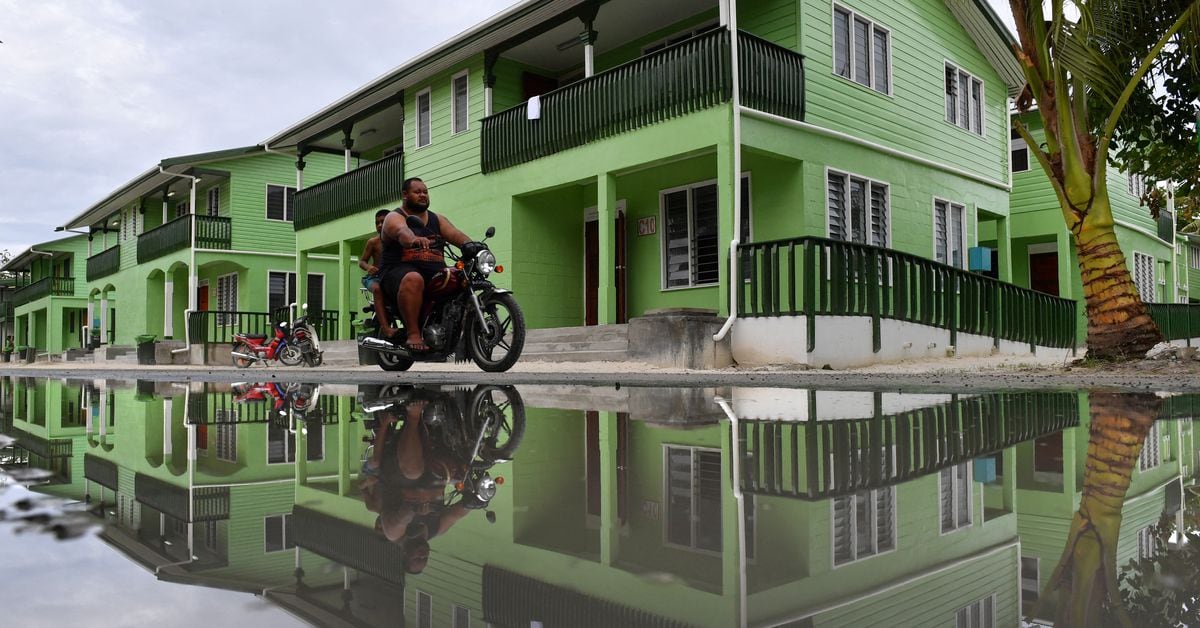
Australia and Tuvalu have signed a security and migration pact aimed at countering China's influence in the Pacific. Under the agreement, Australia will provide a security guarantee to Tuvalu, vet its security arrangements with other nations, and allow 280 people per year to migrate from Tuvalu to Australia. The pact also includes provisions for land reclamation in Tuvalu and aims to address the threat of climate change faced by the low-lying island nation. This agreement positions Australia as Tuvalu's primary security partner and strengthens their diplomatic relationship.
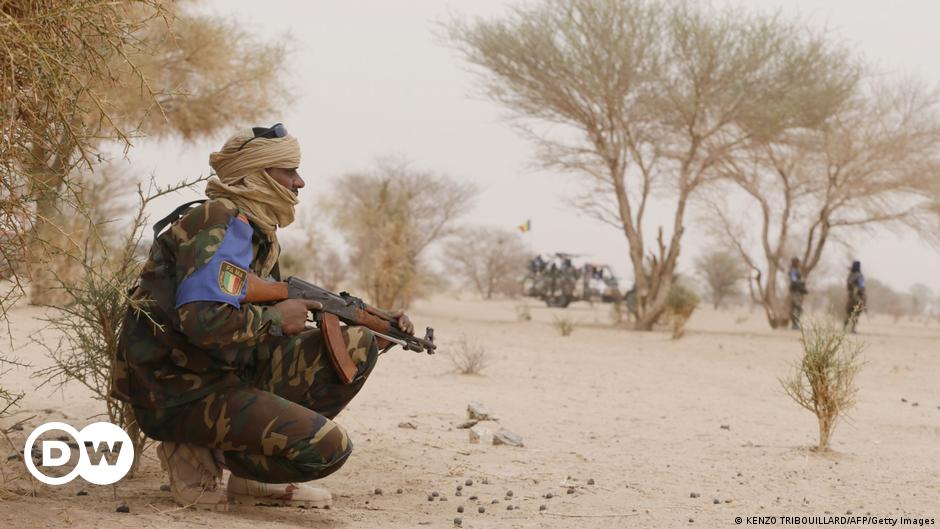
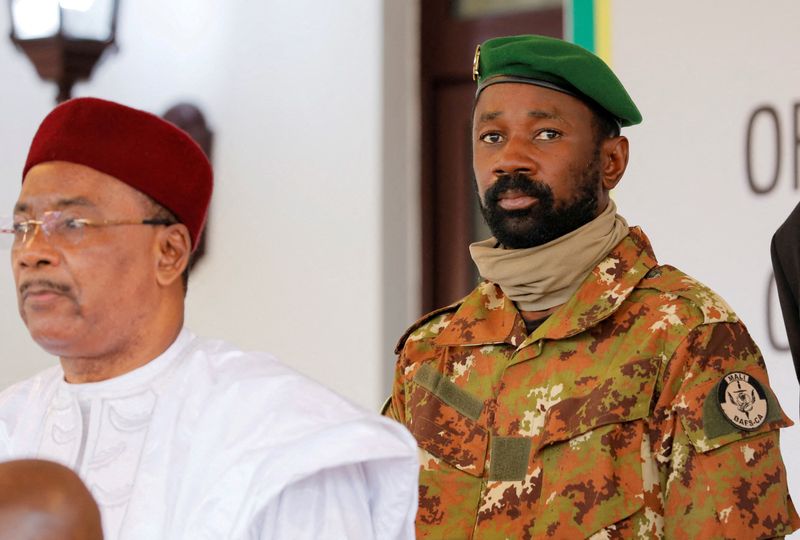
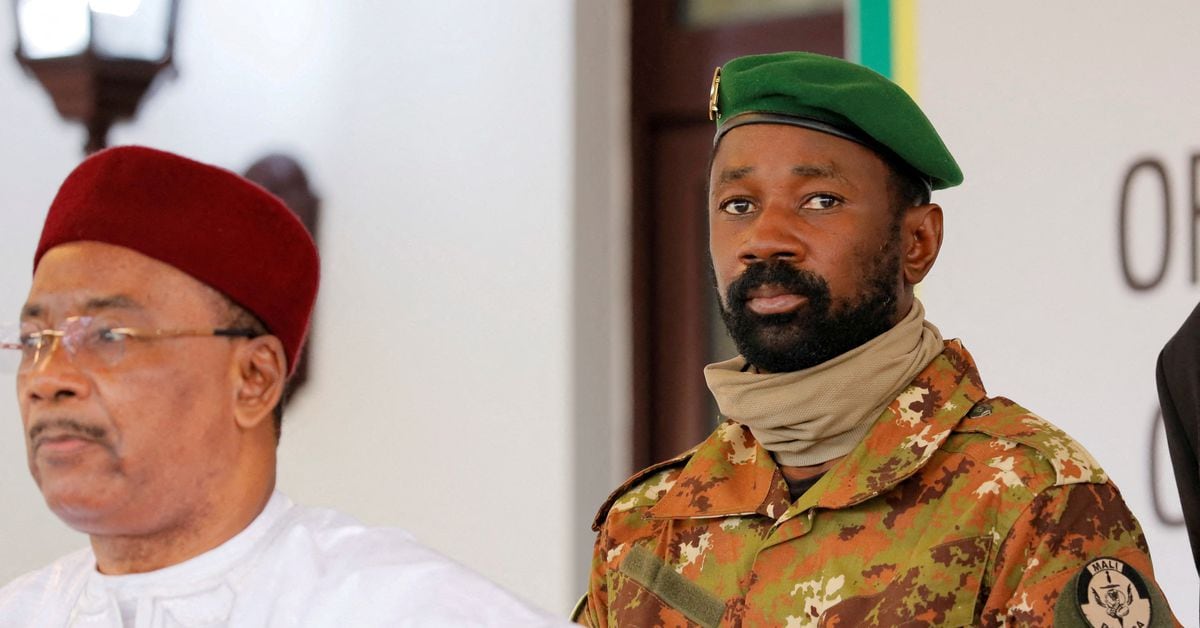
The military juntas of Mali, Niger, and Burkina Faso have signed a security pact called the Liptako-Gourma Charter, creating the Alliance of Sahel States (AES). The aim of the pact is to establish collective defense and mutual assistance in the face of rebellion, insurgency, or external aggression. The three landlocked Sahel countries, which are struggling with Islamist insurgencies and strained relations with neighbors and international partners due to recent coups, will collaborate on military and economic efforts to combat terrorism. The pact states that any attack on one party will be considered an aggression against the others, and assistance can be provided individually or collectively, including the use of armed force.
Mali, Niger, and Burkina Faso, three West African Sahel nations ruled by military juntas, have signed a security pact called the Alliance of Sahel States. The pact aims to provide mutual assistance and collective defense in the face of rebellion or external aggression. The countries, struggling with Islamic insurgents and strained relations with neighbors and international partners due to coups, have vowed to come to each other's aid if attacked. The signing of the pact comes as relations between France and the three states have soured since the coups, leading to the withdrawal of French troops and a tense standoff with the junta in Niger.
Mali, Niger, and Burkina Faso, three West African Sahel nations ruled by military juntas, have signed a security pact called the Alliance of Sahel States. The pact aims to establish a collective defense and mutual assistance framework, with the countries promising to come to each other's aid in case of rebellion or external aggression. The three nations are facing challenges in containing Islamic insurgents and have strained relations with neighboring countries and international partners due to recent coups. The signing of the pact comes as France's relations with the three states have soured since the coups, leading to the withdrawal of French troops and a tense standoff with the junta in Niger.
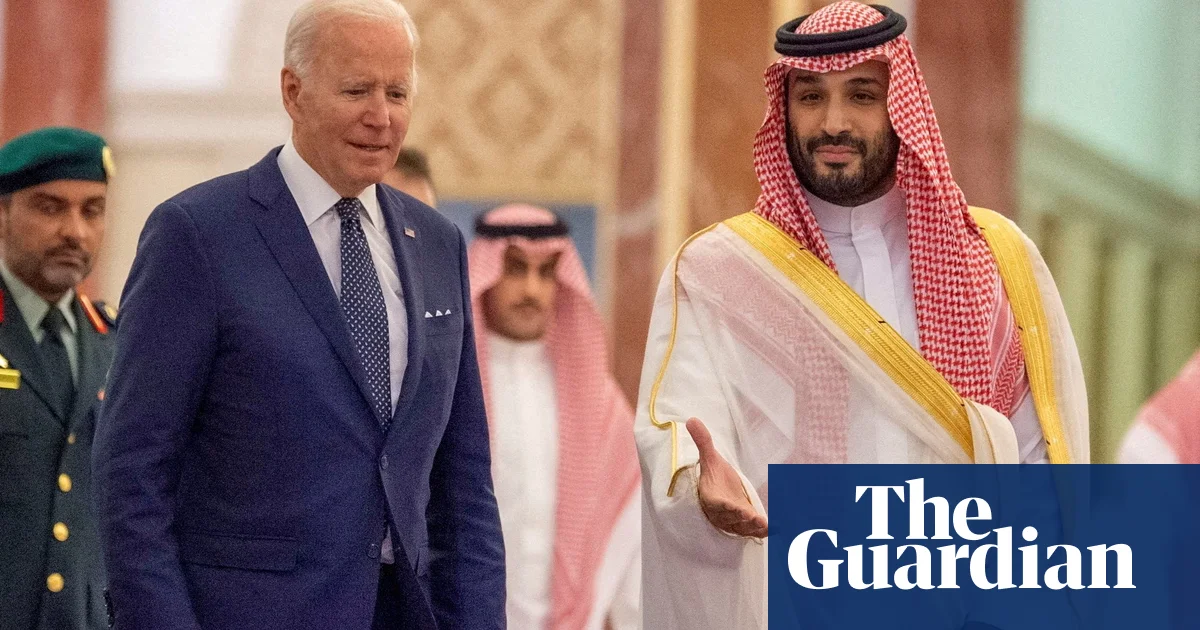
US national security adviser Jake Sullivan held talks with Saudi Crown Prince Mohammed bin Salman in Jeddah, as part of an effort to achieve a comprehensive diplomatic breakthrough in the Middle East. The discussions reportedly explored the possibility of a US-Saudi-Israeli-Palestinian understanding, involving a security pact between the US and Saudi Arabia, normalization of Saudi-Israel diplomatic relations, and improvements in the situation of Palestinians. However, experts express skepticism about the feasibility of such a multifaceted agreement, citing political challenges, resistance from Republicans and Democrats in the US, and the reluctance of the Israeli government. Some argue that the exclusion of Palestinian interests and agency undermines the credibility of the proposal.
US President Joe Biden is considering a mutual security pact with Saudi Arabia that would involve the kingdom normalizing ties with Israel, contingent on Israel's concessions regarding a two-state solution with the Palestinians. While Biden has yet to make a decision, he has ordered discussions on the possibility of an understanding between the US, Israel, Saudi Arabia, and the Palestinians. Israeli Prime Minister Benjamin Netanyahu confirmed that Israel and the US are working on a peace deal with Saudi Arabia, aiming to counter Iran's aggression and achieve Middle East peace.
Secretary of State Antony Blinken stated that the "door is open" for New Zealand and other countries to join the AUKUS security pact between the United States, the United Kingdom, and Australia. The pact, focused on the Pacific region, involves the sharing of nuclear submarine technology. Blinken's comments came during his visit to New Zealand, where he also attended the dedication of a new American embassy in Tonga and engaged in a ministerial dialogue in Australia.