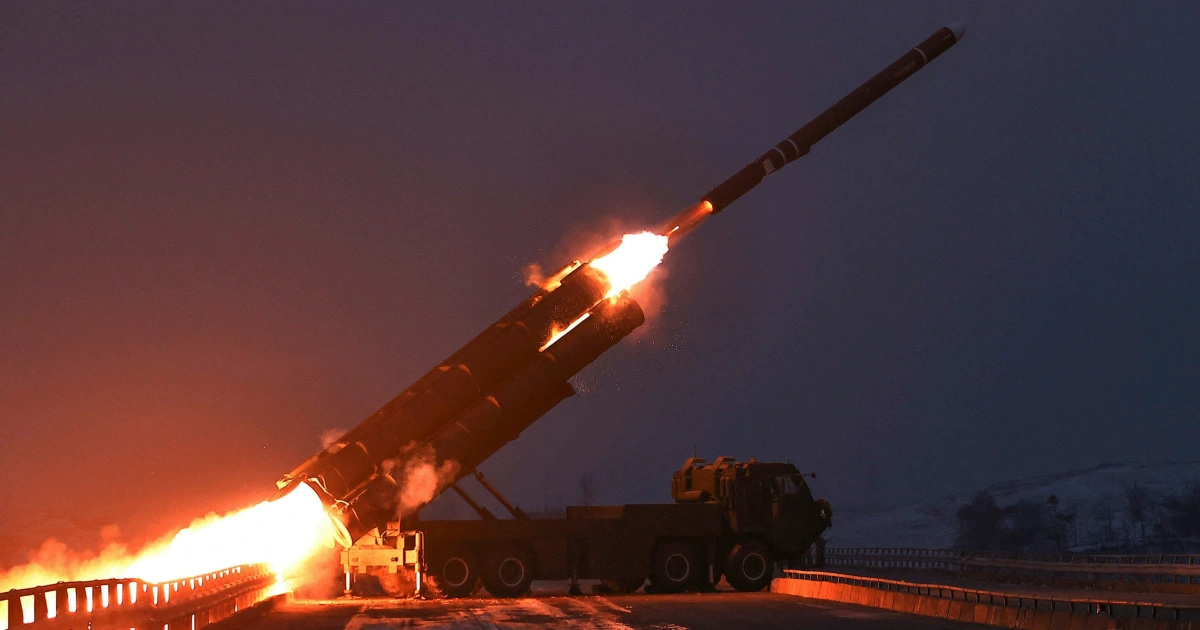
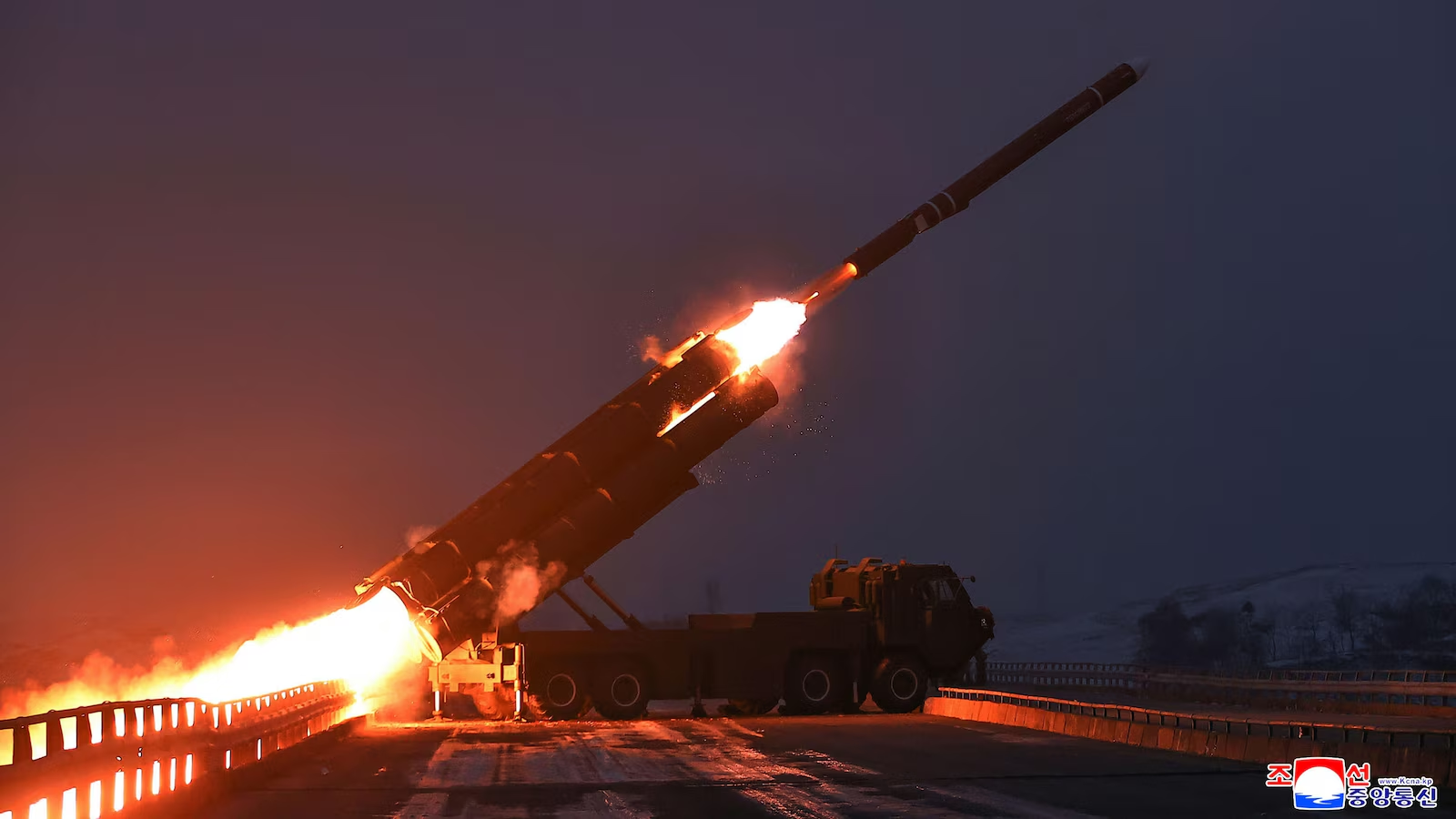
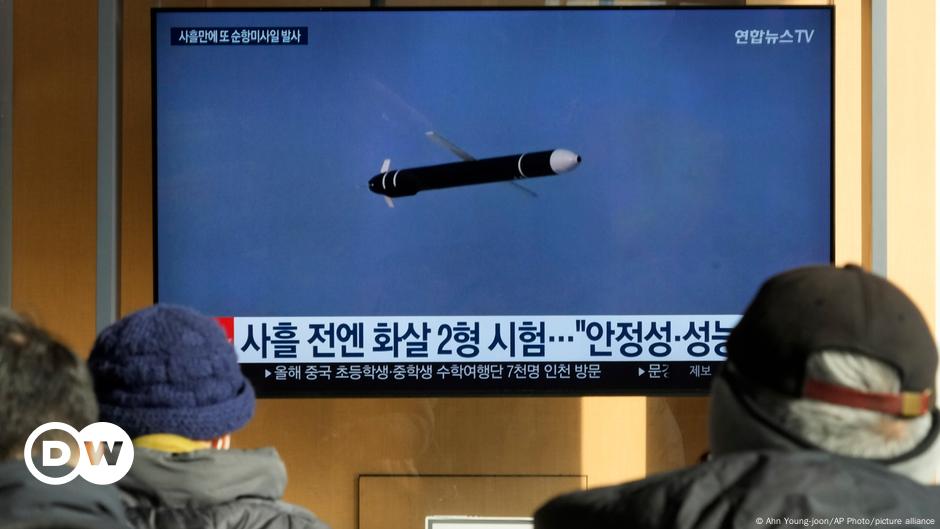
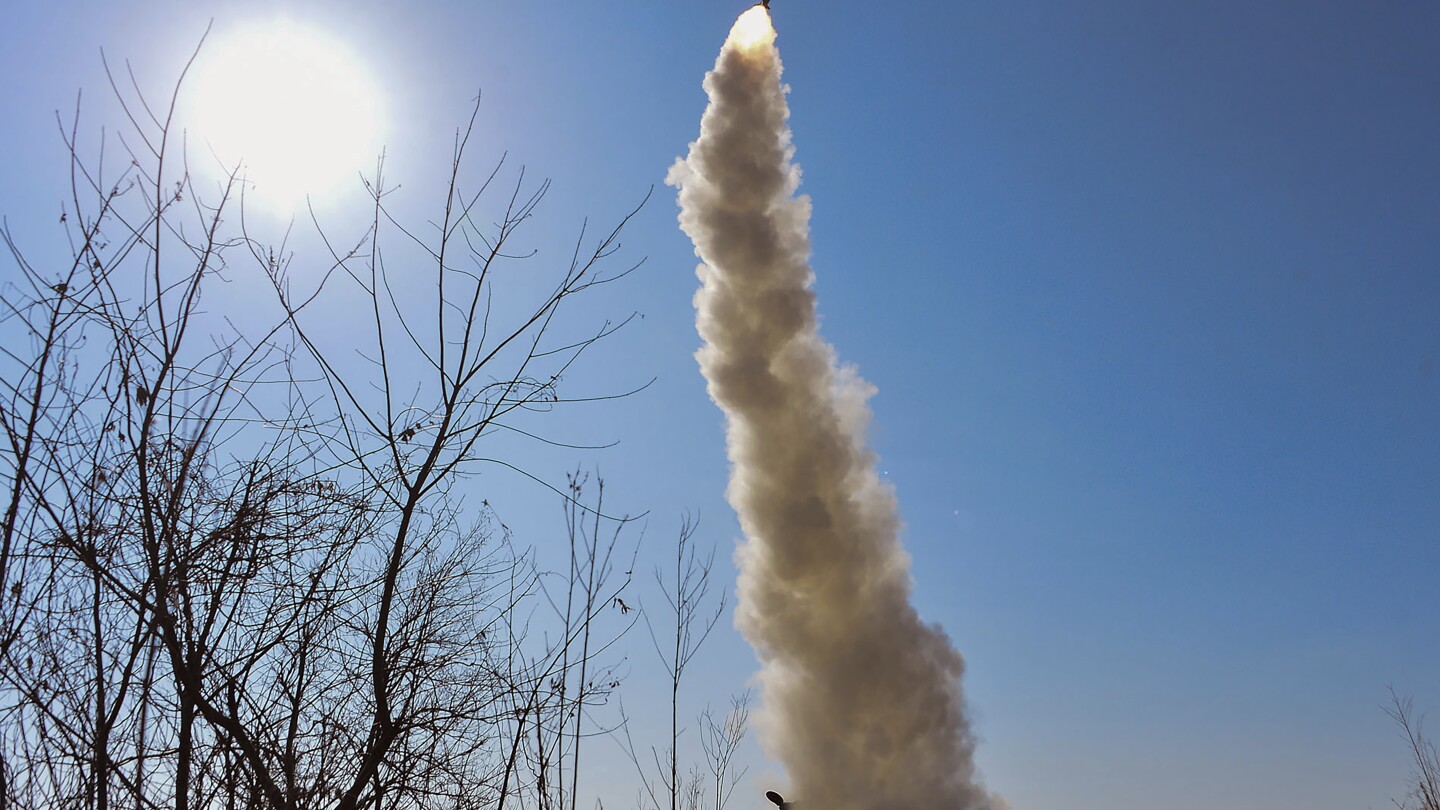
North Korea announced it tested long-range cruise missiles to demonstrate its nuclear deterrence capabilities amid ongoing tensions and upcoming political events, including its first Workers’ Party congress in five years, with potential implications for future US-North Korea relations.
North Korea announced it tested long-range cruise missiles into the sea to bolster its nuclear deterrence, amid ongoing military developments and preparations for a key party congress, with tensions heightened by recent weapons tests and regional security concerns.
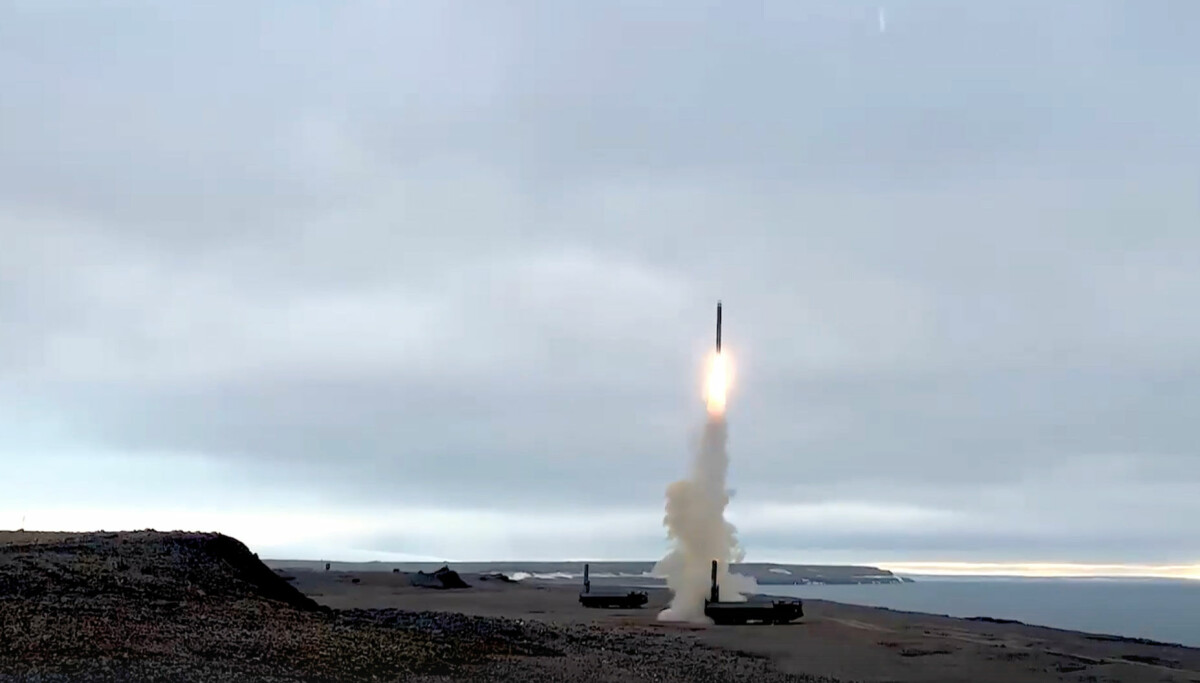
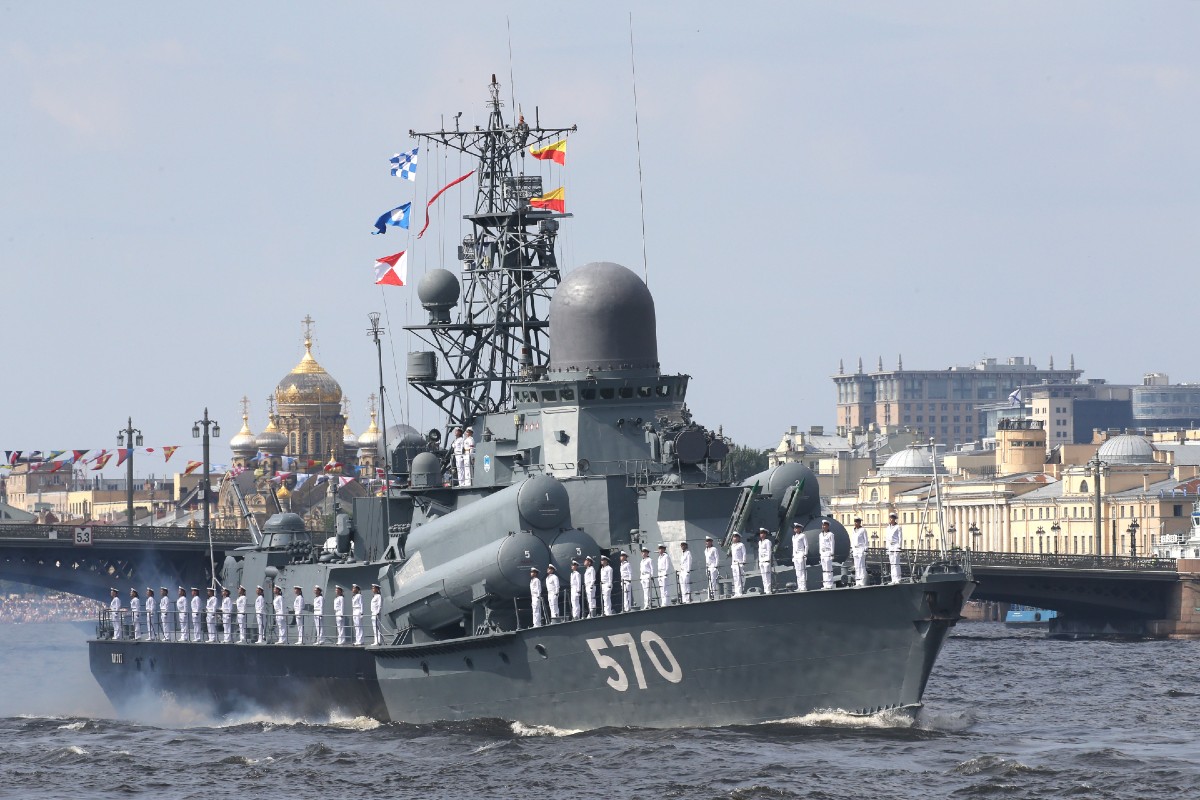
Russia conducted military exercises at Franz Josef Land, launching Onyx cruise missiles from Bastion coastal systems as part of Zapad-2025, targeting simulated enemies in the Barents Sea, amid increased military presence and tensions in the region.
The US State Department has approved a potential $825 million sale of air-launched cruise missiles and related equipment to Ukraine, aimed at strengthening Ukraine's defense amid ongoing Russian attacks, with funding from European allies and the US.
Ukraine claims that Russia has relocated almost all combat vessels capable of firing cruise missiles from Crimea, leaving only the Cyclone warship, which has not launched a single missile. Ukraine has been successful in targeting Russian vessels, including large landing ships and a submarine, using missiles and drones, forcing Russia to relocate some naval assets further from Ukraine's reach. Despite this, Russia remains dominant in much of the Black Sea and is reportedly planning a new military base in Abkhazia.
The US military announced the destruction of three unmanned surface vessels and two anti-ship cruise missiles that were poised to launch from Houthi-controlled areas of Yemen towards the Red Sea, along with an aerial drone over the Red Sea, citing an imminent threat to merchant vessels and US Navy ships in the region.
North Korea conducted another round of cruise missile tests, firing multiple missiles into the sea, prompting heightened surveillance and vigilance from South Korea's military. This marks the fifth test of such weapons this year, with growing aggression from Pyongyang, including threats towards South Korea and advancements in its missile program. Speculation arises about potential ties between North Korea and Russia, as leader Kim Jong Un strengthens his relationship with Moscow amid accusations of weapons exchange violating UN sanctions.
North Korea announced the testing of cruise missiles with "super-large" warheads and a new type of anti-aircraft missile, marking the country's fourth round of missile launches in 2024. The tests are part of North Korea's military development activities and are seen as an effort to emphasize the potential for arming these missiles with nuclear warheads. Analysts believe that North Korea's focus on strengthening its naval forces and advancing its missile technology is aimed at countering perceived threats from the United States, South Korea, and Japan. There are concerns that North Korean leader Kim Jong Un may escalate pressure against his rivals, potentially leading to limited military provocations.
North Korea has fired several cruise missiles from its west coast into the sea, escalating tensions on the Korean Peninsula. The missiles were detected by South Korea's Joint Chiefs of Staff and are being closely analyzed by South Korean and US intelligence authorities. North Korea's continued weapons tests, including a solid-fueled hypersonic ballistic missile and a purported nuclear-capable underwater attack drone, have raised concerns. Leader Kim Jong Un has accelerated weapons development and issued provocative threats, while also designating South Korea as a "primary enemy" and ordering the demolition of a monument symbolizing reconciliation.
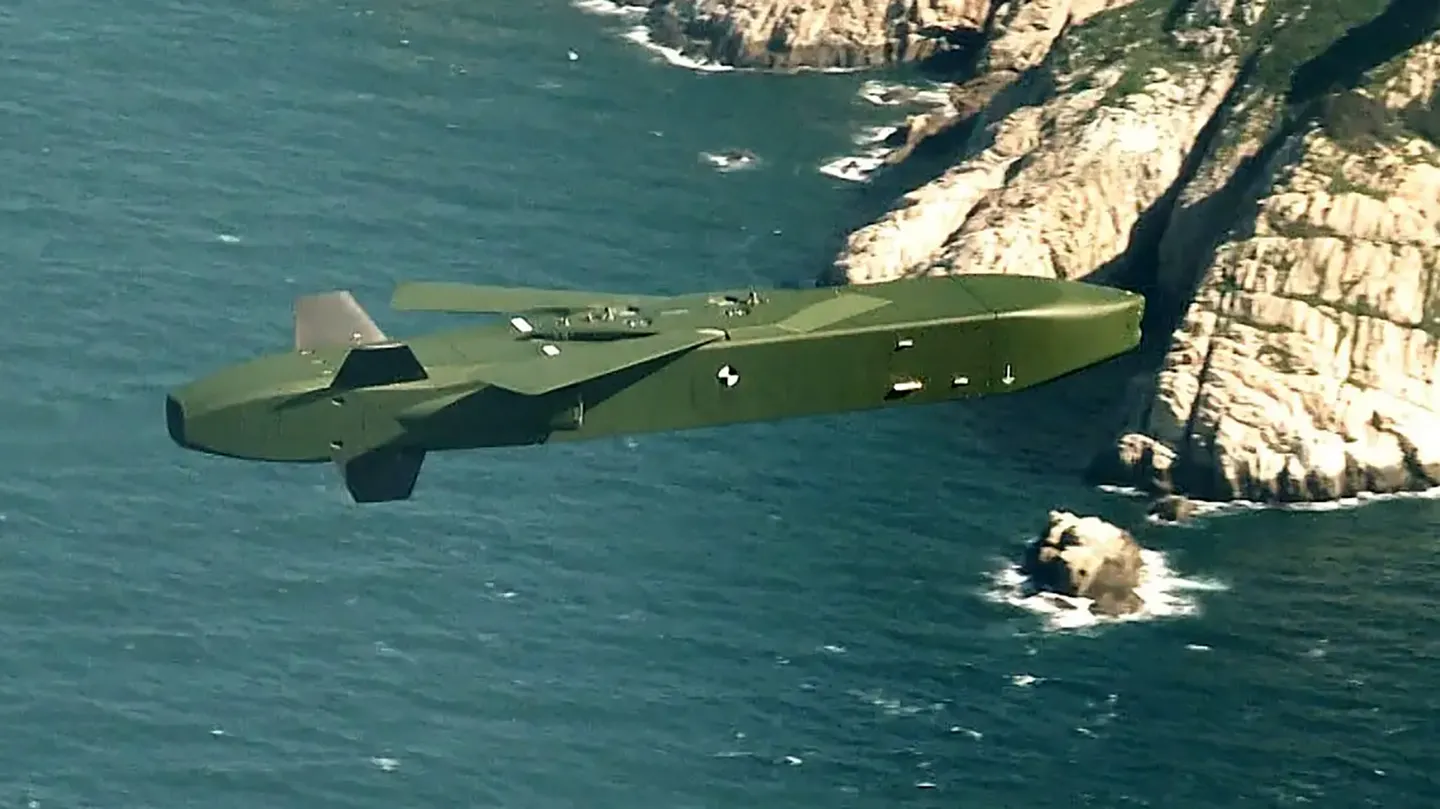
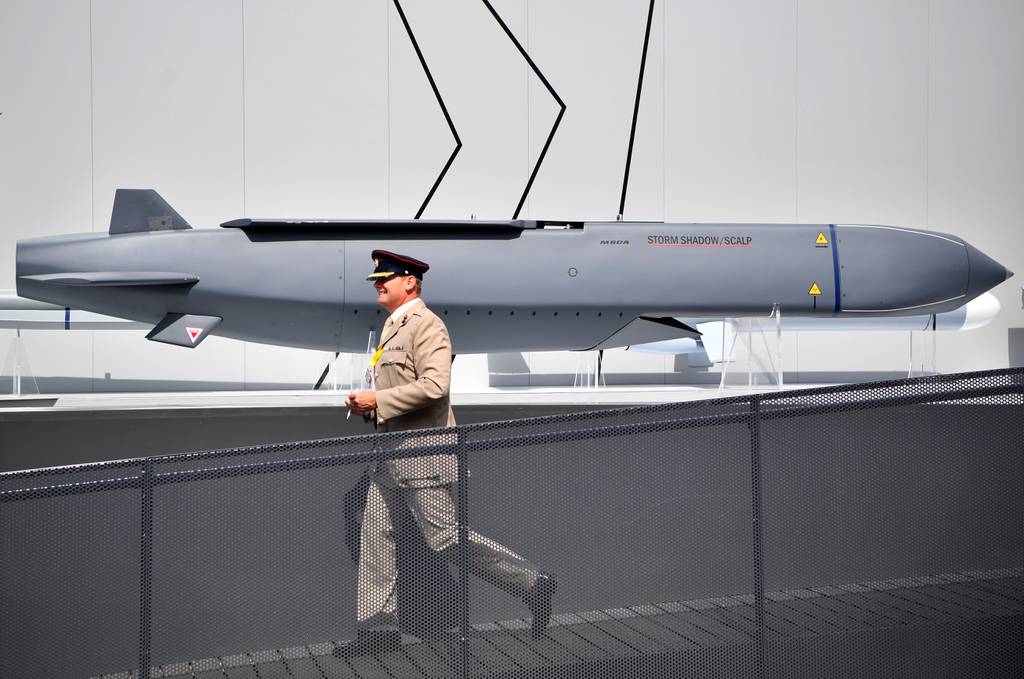
The German parliament voted against delivering Taurus KEPD 350 cruise missiles to Ukraine, while France announced plans to provide additional SCALP-EG cruise missiles and other equipment to Ukraine. Despite the vote, the final decision on Taurus deliveries rests with German Chancellor Olaf Scholz. The French support comes as Ukraine's counteroffensive has slowed, and Russia continues to make small advances. Efforts are underway to reintroduce a vote on the Taurus missiles in Germany, with ruling parties expressing interest in submitting a proposal by February.
France plans to supply Ukraine with more cruise missiles and bombs, as well as finalize a bilateral security agreement similar to the one signed by the U.K. The French president emphasized the need to support Ukraine in defending itself against Russian aggression and announced plans to visit the country in February. France's increased military aid to Ukraine aims to counterbalance Russia's influence and contribute to the stability of Europe, while also advocating for a more sovereign Europe that is an ally of the U.S. but not dependent on it.
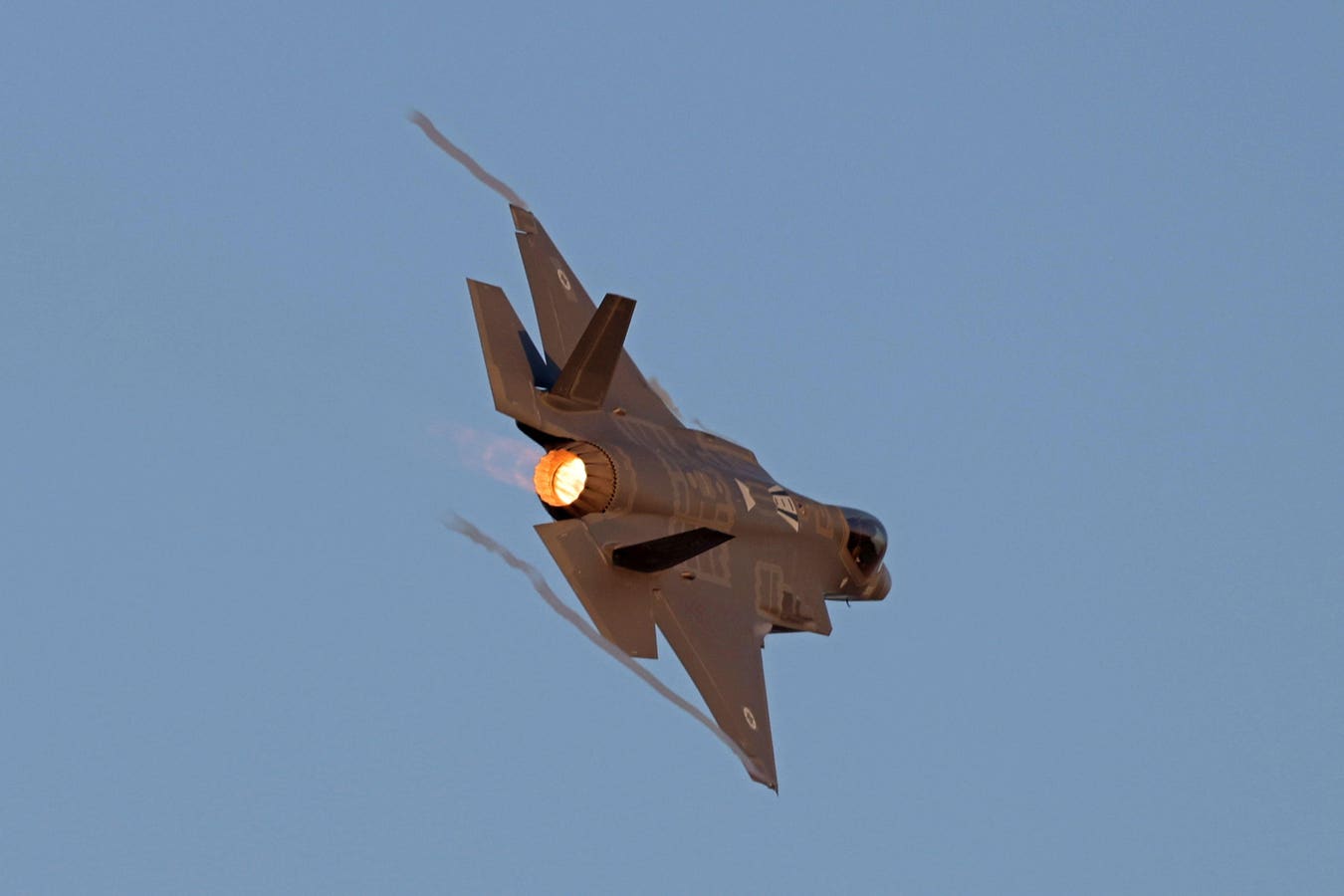
The recent successful interception of a cruise missile by an Israeli F-35 fighter jet has implications for China's anti-access, area-denial (A2AD) strategy. The intercept and shoot-down, the first-ever air-to-air kill of a cruise missile by an F-35, highlights the F-35's capabilities and raises concerns for China's large volume of cruise missiles. The Israeli action demonstrates the F-35's tracking power and sensor capacity, potentially complicating China's carefully crafted A2AD strategy. However, China's strategy of overwhelming U.S. air defenses with successive salvos of cruise missiles may still pose a challenge. The presence of F-35s in the Pacific could alter China's tactical and strategic problems, forcing them to develop countermeasures. The successful shoot-down by the Israeli F-35s is seen as a confidence-builder for the aircraft's capabilities.
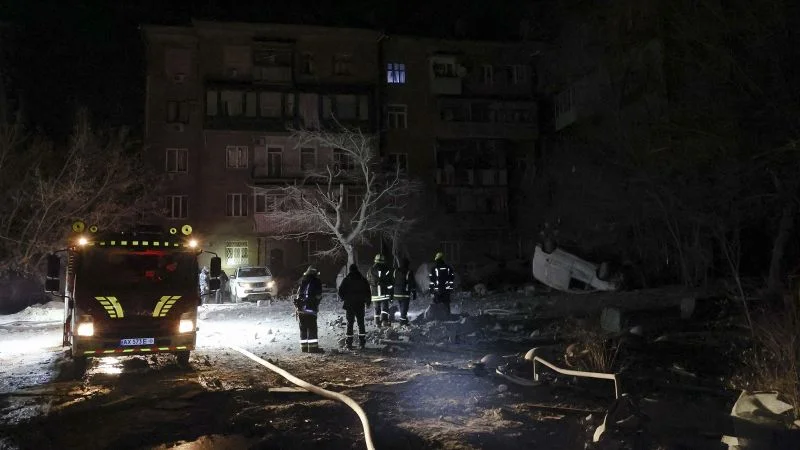
Russia has launched a wave of air-launched cruise missiles against Ukraine, including Kyiv, resulting in one fatality and eight injuries. The attack targeted energy infrastructure and caused damage to industrial facilities, power lines, and residential buildings. Ukrainian air defenses claimed to have shot down 14 of the missiles. The renewed use of cruise missiles suggests a dwindling stockpile and production capacity issues for Russia. The ongoing assault on Ukraine's energy system, combined with bad weather, has led to blackouts and increased demand for emergency power imports. The town of Avdiivka continues to see fierce fighting, with Russian forces adapting their tactics. The Kremlin has agreed to engage in peace talks with Ukraine on Ukrainian terms, while Russian President Vladimir Putin has confirmed his intention to run for re-election. Ukrainian President Volodymyr Zelensky has called for additional air defense systems, and the UK has urged the US to approve military aid for Ukraine. Japan has pledged $4.5 billion in aid to Ukraine, including humanitarian assistance and funding for power supplies and mine clearance. Ukraine has also announced agreements with US firms for joint manufacture of artillery shells.
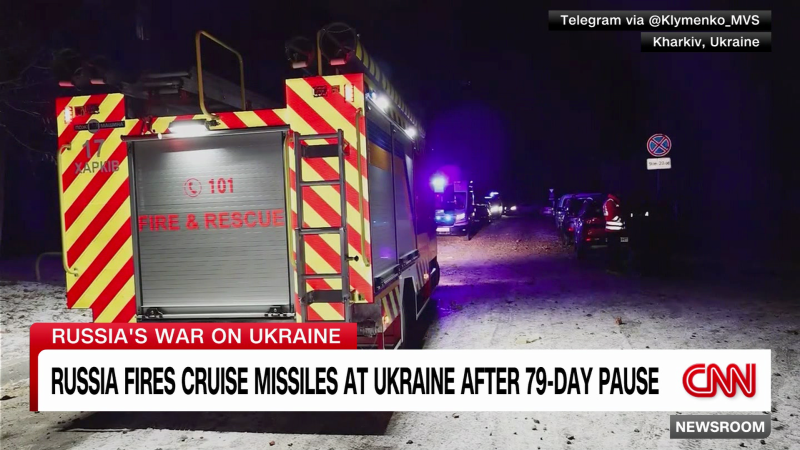
Russia has fired a barrage of cruise missiles at Ukraine for the first time in 79 days, marking an escalation in the ongoing conflict between the two countries.
Russia launched a barrage of cruise missiles at targets in Ukraine, including the capital city of Kyiv, after an 80-day pause. The missiles were intercepted by Ukrainian air defenses, but some damage was reported in Kyiv and other regions. One person was killed and several others injured in the attacks. This marks the first major missile attack in over two months, raising concerns about Russia's potential expansion of bombardment during the winter. Ukrainian officials had previously warned of potential missile and drone attacks on infrastructure.