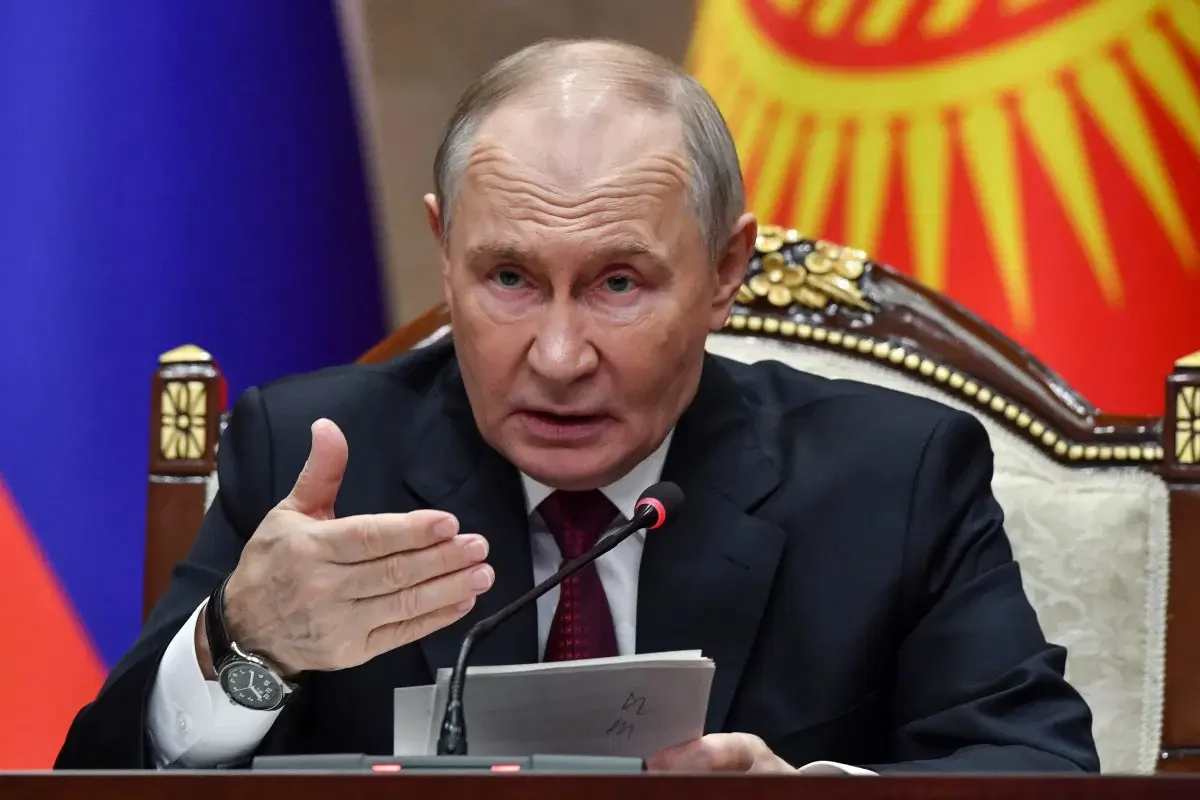
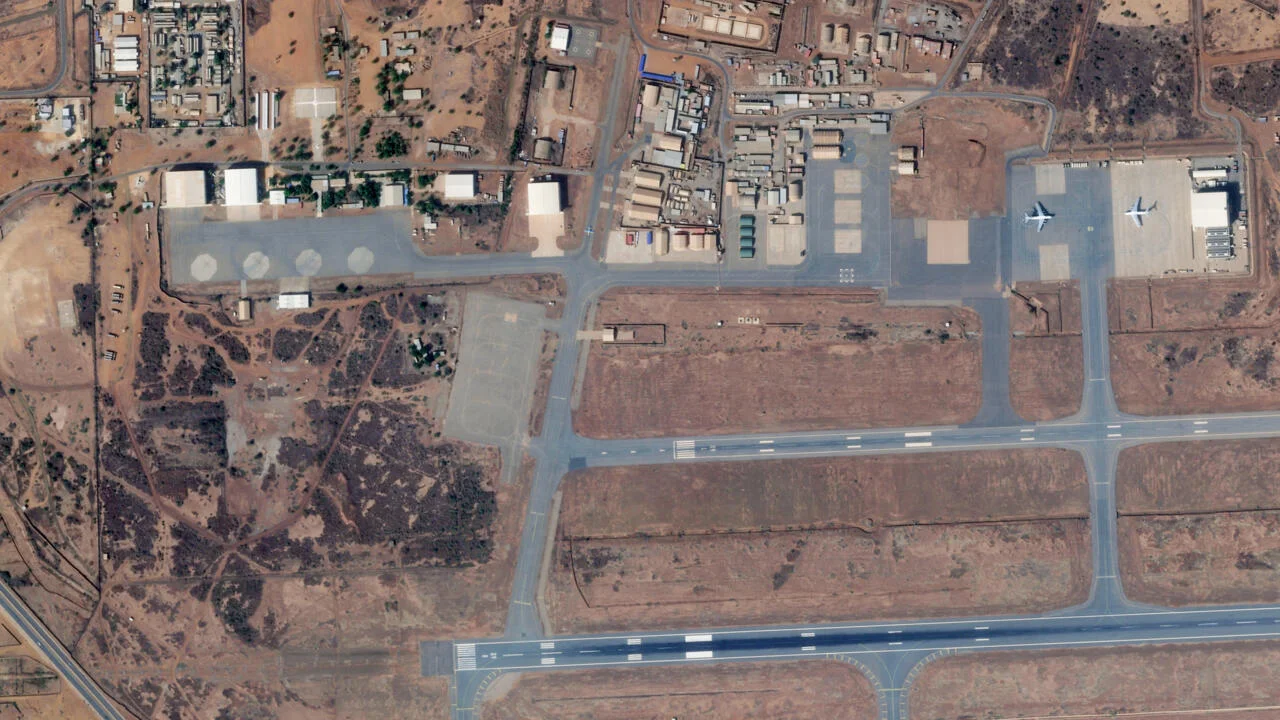
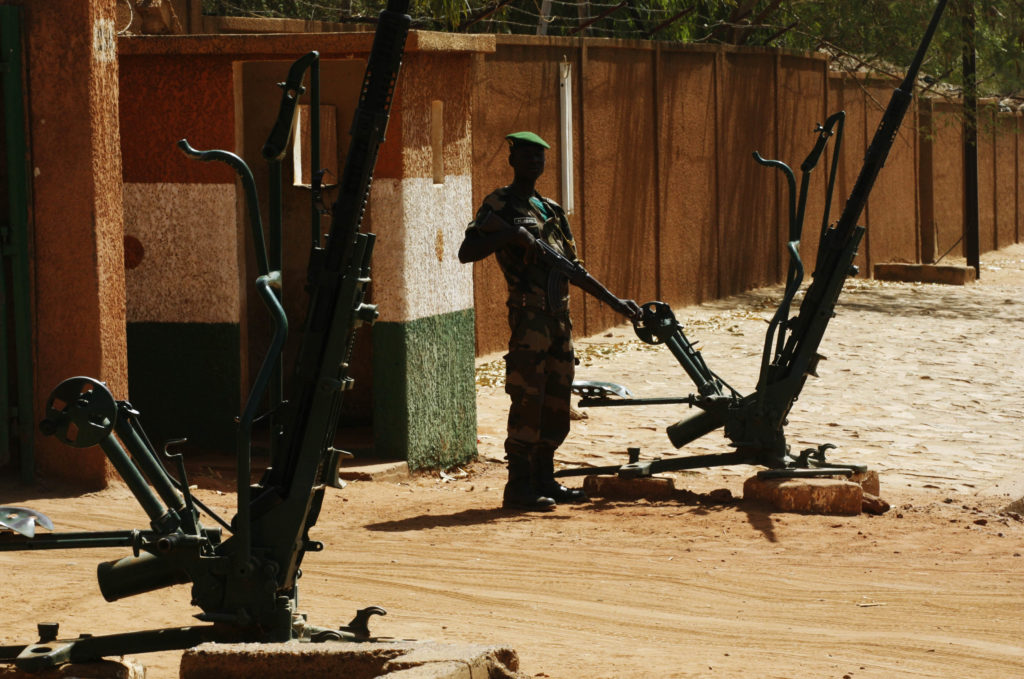
Russia confirms its African Corps helped Nigerien forces repel an IS-linked attack on Niamey’s main airport, with 20 attackers killed and four Nigerien soldiers wounded; Niger’s junta welcomed Moscow’s involvement and the leader later visited a Russian base.
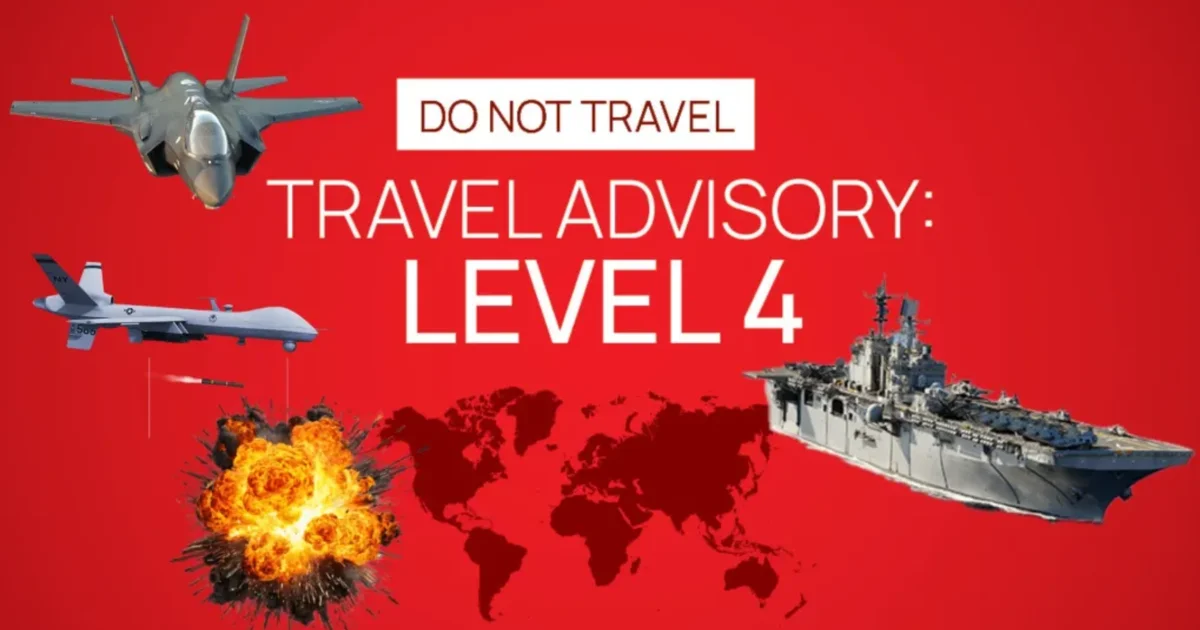
Niger is now on the U.S. Level 4 travel advisory, raising Africa’s Level 4 countries to eight due to terrorism, kidnapping, violence, civil unrest, and weak emergency/healthcare capacity. Outside Niamey, foreigners require military escorts; U.S. staff must travel in armored vehicles and follow strict curfews, with a state of emergency in effect. A recent airport attack highlights elevated risks. Other Level 4 African states include Libya, Mali, Burkina Faso, Central African Republic, South Sudan, Sudan, Somalia, and parts of the Sahel, signaling broader insecurity affecting travel, investment and diplomacy across the region.
Gunfire and explosions were heard near Niamey’s international airport in Niger’s capital early Thursday; casualties and the cause are unclear. The airport houses an air force base and is close to the presidential palace, amid Niger’s ongoing jihadist violence and regional security efforts led by the junta with allies in the Sahel.
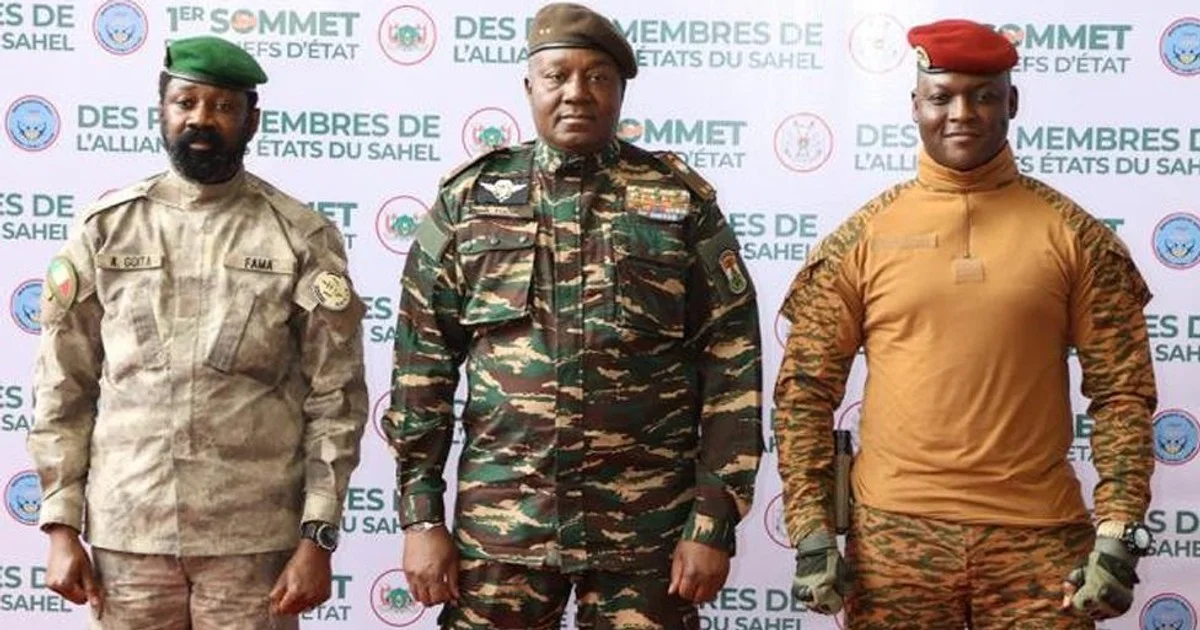
Leaders of Mali, Burkina Faso, and Niger have announced the formation of a joint military battalion to escalate their fight against extremist groups in the Sahel, signaling a shift towards active military operations and a strategic move to deter external intervention amid regional tensions and their recent withdrawal from ECOWAS.
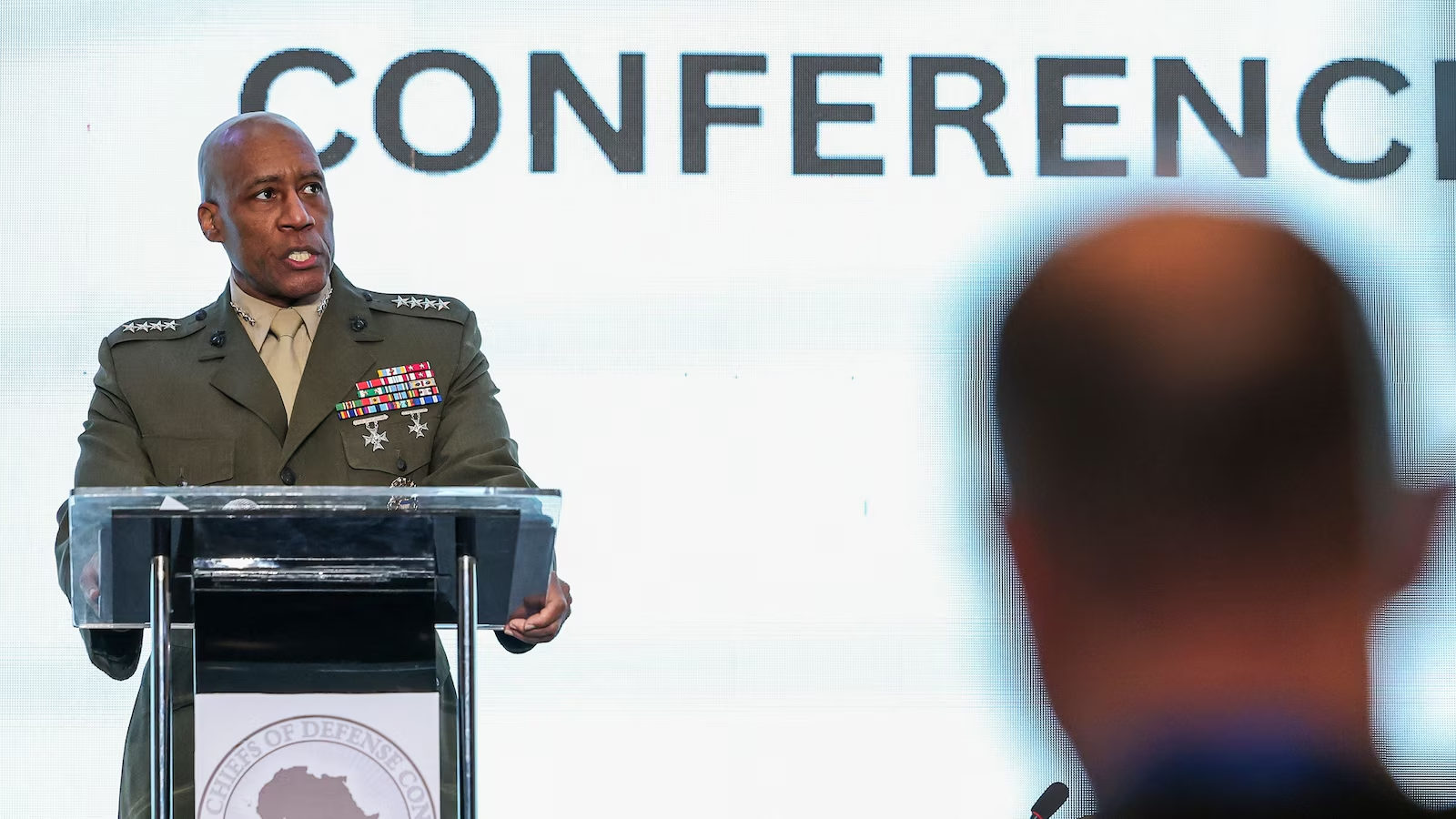
A U.S. military general warns that the Sahel region in Africa has become the global epicenter of terrorism, with groups like al-Qaeda's JNIM expanding rapidly and increasing their ability to attack the US homeland, amid declining US aid and shifting military strategies in Africa.
Chad has announced the termination of its military cooperation agreement with France, marking a significant shift in its foreign relations. This decision follows a visit by French Foreign Minister Jean-Noel Barrot and reflects Chad's desire to assert its sovereignty. Despite ending the defense accord, Chad still hosts around a thousand French troops and considers France an essential partner. The move is seen as a 'historic turning point' and comes amid Chad's efforts to strengthen ties with Russia.
A study by World Weather Attribution (WWA) has linked the deadly Sahel heatwave in Mali and Burkina Faso to "human-induced" climate change, with temperatures exceeding 45 degrees Celsius and causing a significant increase in deaths and hospitalizations. The extreme heat, described as a once-in-a-200-year event, was exacerbated by factors such as rapid urbanization and loss of green spaces. The study emphasized the need for countries to develop heat action plans and strengthen critical infrastructure to adapt to the increasing frequency and intensity of extreme heat events in the region.
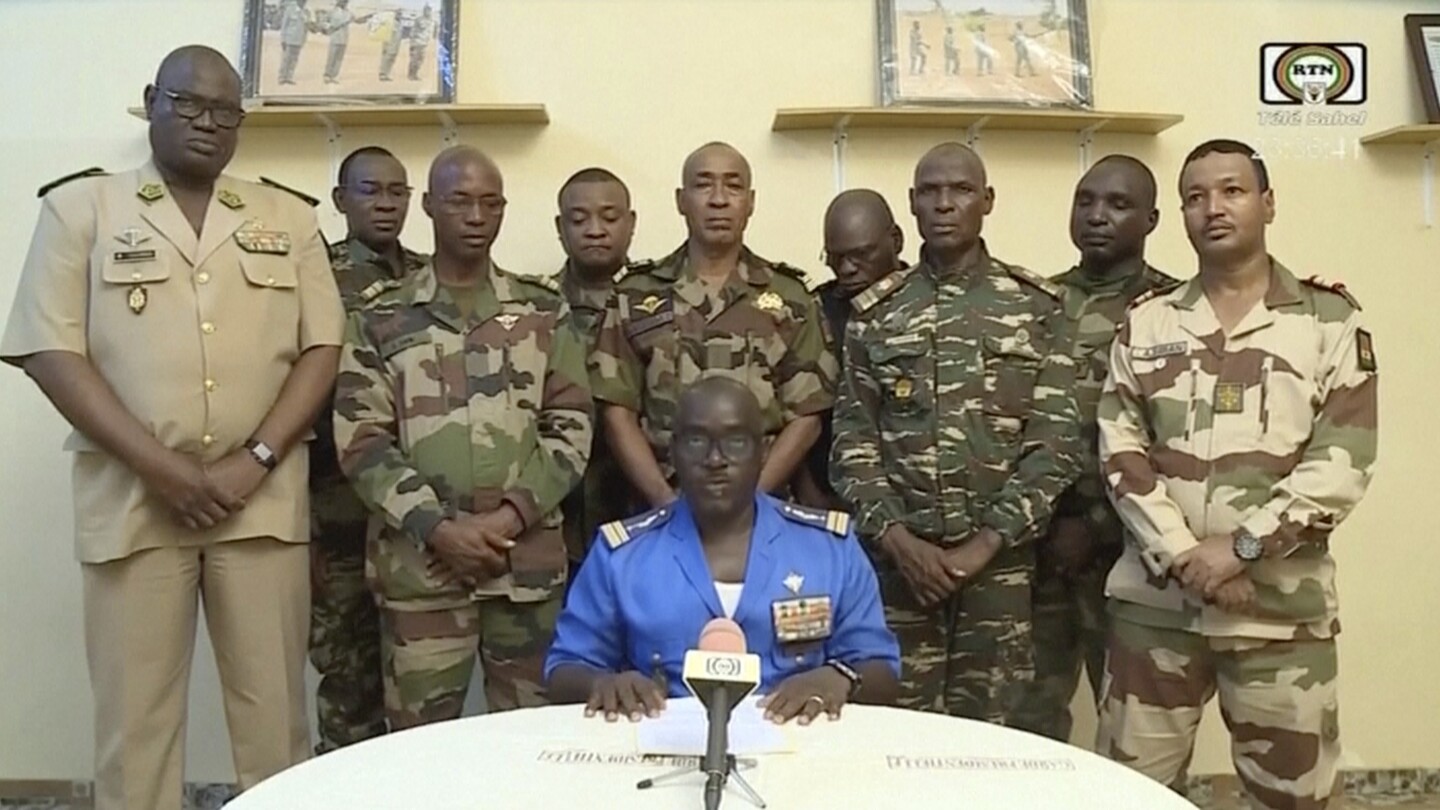
Niger's decision to end a military pact with the US and turn to Russia for military assistance reflects a broader pushback against Western powers in the region, accusing them of seeking to control African governments and benefit from resources without effectively combating jihadist insurgents. However, this move may lead to a deterioration in the security situation, as the departure of the US and its drone capabilities, along with the isolation from regional blocs, leaves Niger, Mali, and Burkina Faso lacking crucial support in tackling transnational security threats. The reliance on Russia for military assistance also raises uncertainty, as Moscow's military priorities are primarily focused on the war in Ukraine, potentially diverting resources from the Sahel.
Niger's junta has announced the end of its military cooperation with the United States, jeopardizing counterterrorism operations in the Sahel region. The decision comes after a visit by top U.S. officials and raises concerns about the future of U.S. military presence in the region, where jihadi groups linked to al-Qaida and the Islamic State operate. The U.S. has been urged to reevaluate its diplomatic approach in Niger and the Sahel as a whole.
The United States is evaluating its counterterrorism operations in the Sahel region after Niger's junta announced the termination of its military cooperation with the U.S. The decision comes after a visit by top U.S. officials and raises concerns about the future of U.S. military presence in the region, where jihadi groups linked to al-Qaida and the Islamic State operate. The junta's move follows a series of events, including the ousting of Niger's democratically elected president and the country's engagement with other international partners like Russia. The U.S. delegation's recent visit to Niger failed to yield positive results, highlighting the challenges in U.S. diplomacy in the region.
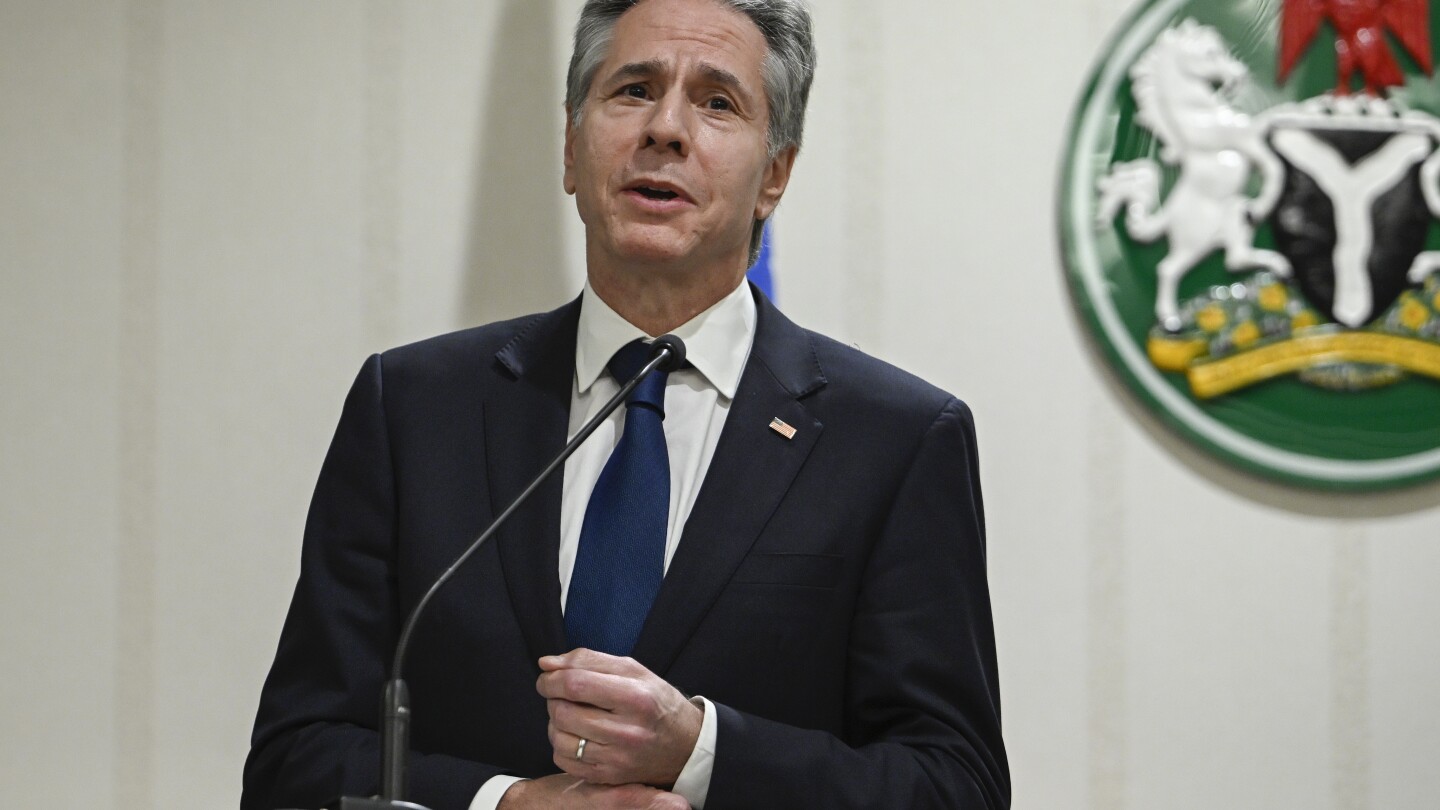
U.S. Secretary of State Antony Blinken, during his visit to Nigeria, positioned the United States as a more favorable security partner for Africa compared to Russia's Wagner mercenary group, which he accused of exploiting coup-hit and conflict-hit nations in the Sahel region. Blinken emphasized U.S. support for Nigeria and other regional partners in stabilizing the Sahel, particularly in light of recent coups. He highlighted the importance of strengthening security forces through equipment, technology, intelligence sharing, and technical support, while also stressing the need to address the root causes of military takeovers and engage with civil society actors and think tanks in the region.
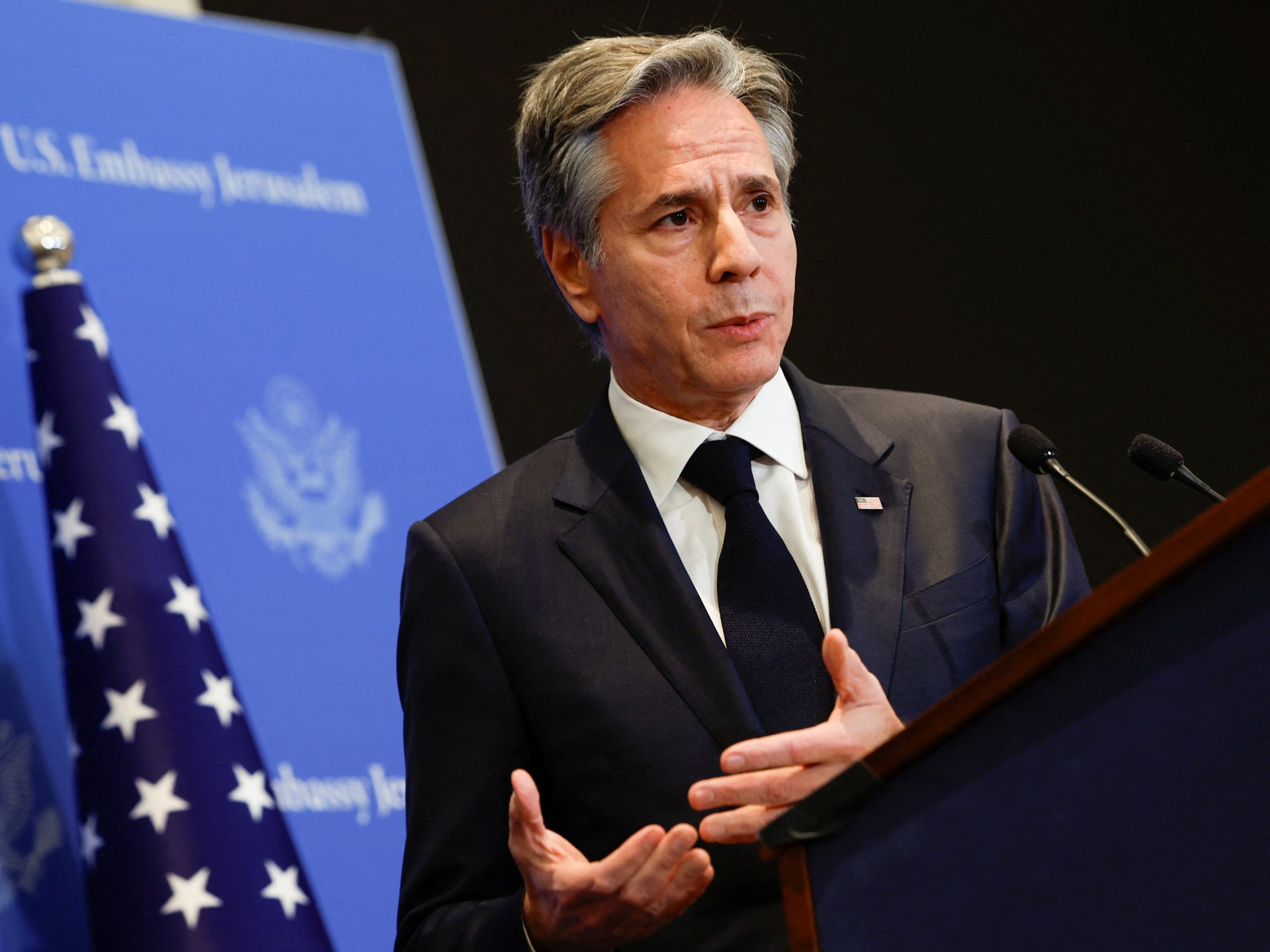
US Secretary of State Antony Blinken embarks on a four-nation tour of West Africa, emphasizing the US commitment to strengthening ties with the continent despite global challenges. The tour comes amid security concerns in the Sahel region and uncertainties surrounding a key US base in Niger. Blinken's visit aims to bolster partnerships with Cape Verde, Ivory Coast, Nigeria, and Angola, as the US seeks to counter the growing influence of China and Russia in Africa. Meanwhile, US Ambassador to the UN Linda Thomas-Greenfield is concurrently touring Guinea-Bissau, Sierra Leone, and Liberia, focusing on peaceful transitions of power and diplomatic engagement.
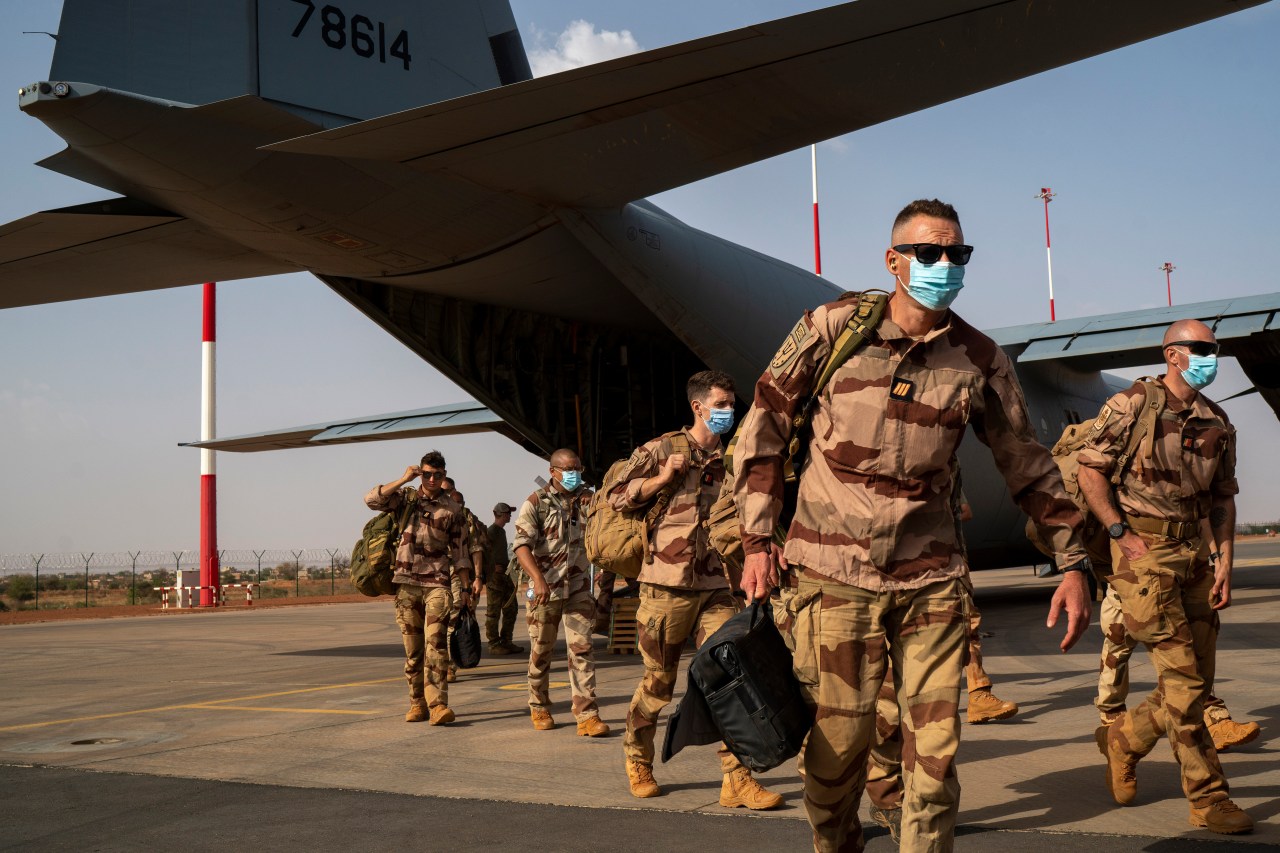
France has completed its military withdrawal from Niger after being asked to leave by the country's new junta, raising concerns about a gap in the fight against jihadi violence in the Sahel region. The departure of French troops leaves Niger and the entire Sahel worse off in terms of counterterrorism efforts, as Niger was seen as the last remaining Western partner in the fight against jihadi groups in the region. The withdrawal is already affecting security in Niger, with a surge in attacks, and there are concerns that violent extremist organizations may exploit the vacuum created by the departure of French troops to expand their operations in the Sahel.
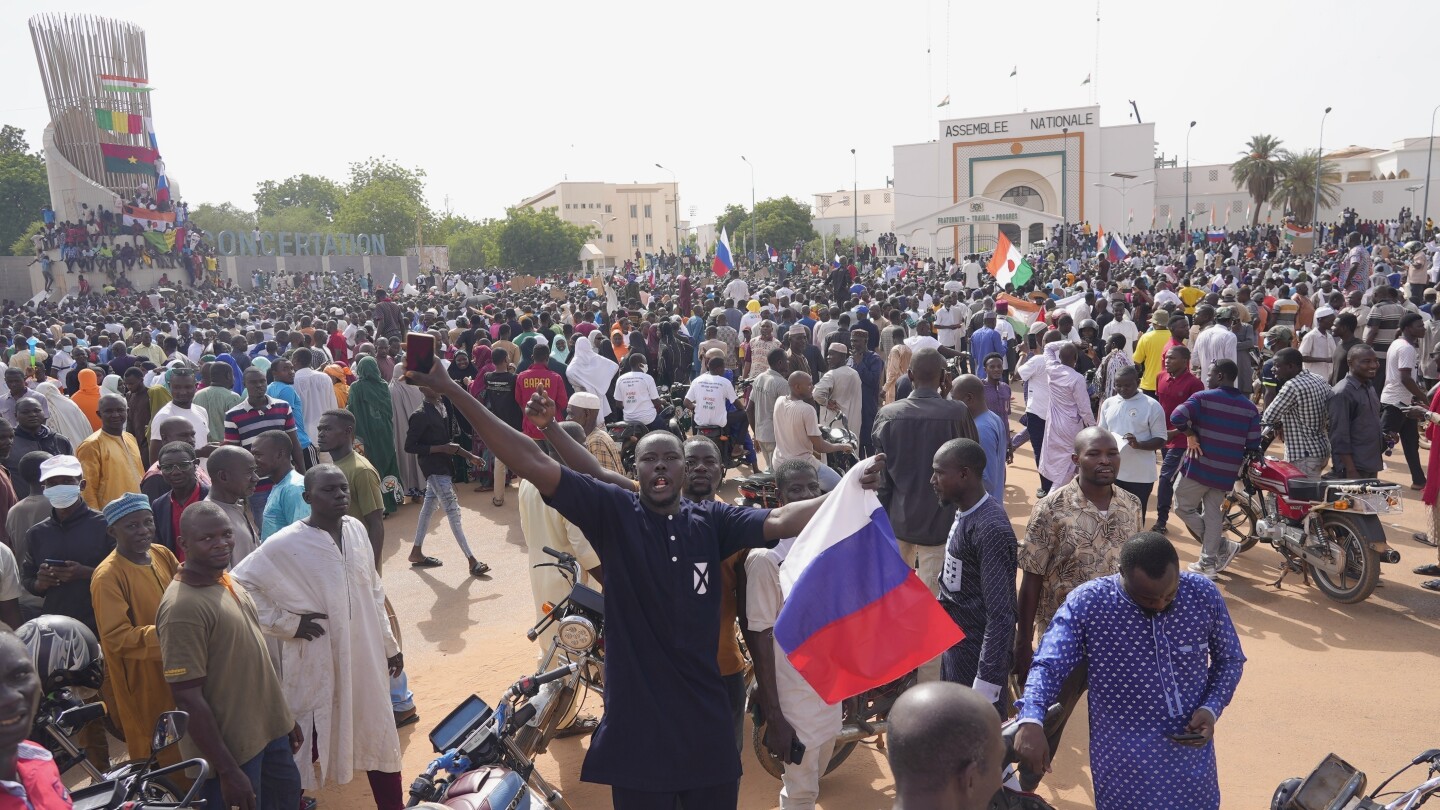
Niger's junta has revoked two key military agreements with the European Union (EU) aimed at combating violence in the Sahel region. The move comes as the country's army leaders engage in discussions with a senior Russian defense official regarding military cooperation. Since the July coup, tensions between Niger and the EU have been escalating. In a rare visit, a Russian delegation met with Niger's junta leader to discuss defense issues, hinting at potential political ties with Moscow. The junta's consolidation of power and search for new partnerships have been emboldened by regional and international sanctions. Russia's private mercenary group, Wagner, has been active in Africa, including in Mali and the Central African Republic.
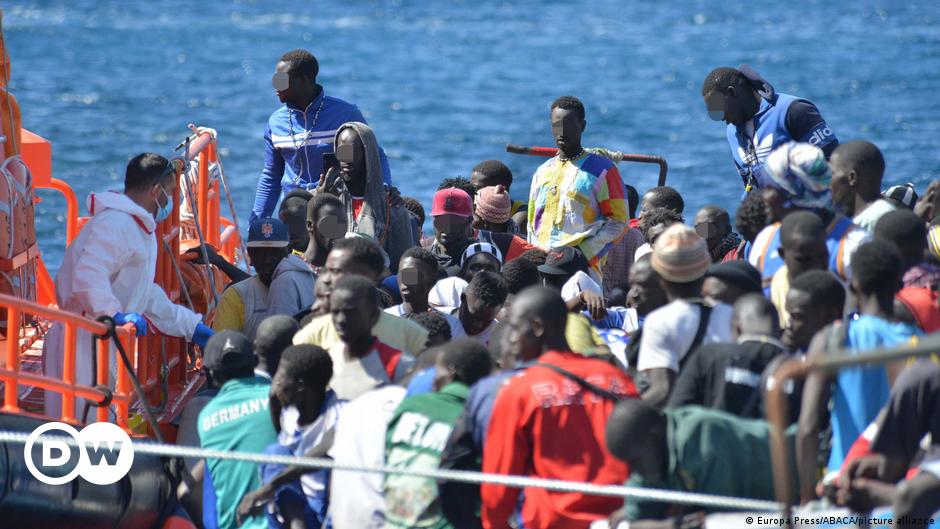
Over 1,300 African migrants, mostly young adult males from sub-Saharan Africa, reached Spain's Canary Islands over the weekend, with one boat carrying a record 321 people. This year, there has been an 80% increase in arrivals compared to last year, with a record two-week tally of 8,561 arrivals since October 1. The spike in illegal arrivals is attributed to the political destabilization of the Sahel region, which has seen a series of military coups. The Canaries have become a preferred destination due to tightened control over Mediterranean Sea routes, and Spain has pledged €50 million in emergency funding to help local governments cope with the influx.