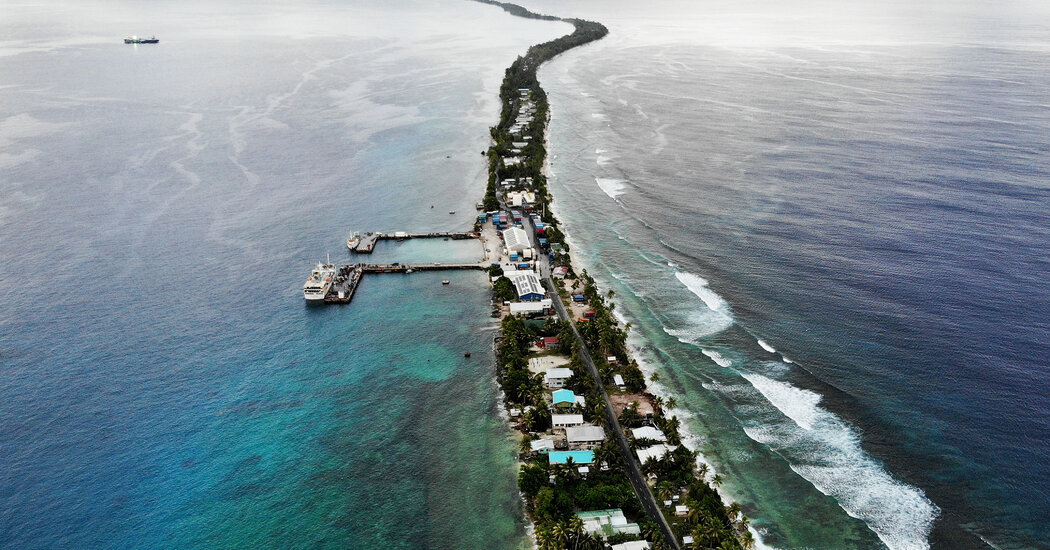
Over a third of Tuvalu's population has applied for climate visas to Australia due to rising sea levels threatening their homeland, with applications reaching over 4,000 under a bilateral treaty, highlighting urgent climate migration issues.
Tuvalu, a small Pacific island nation facing existential threats from rising sea levels, has seen nearly half its population apply for a new Australian 'climate visa' lottery designed to help citizens escape the impacts of climate change.
Tuvalu, a small Pacific island nation facing existential threats from rising sea levels, has seen nearly half its population apply for a special climate visa offered by Australia, highlighting the urgent impact of climate change on vulnerable nations.
A third of Tuvalu's population has applied for a groundbreaking Australian climate change visa, which offers permanent residency and support to those displaced by rising sea levels, highlighting the urgent climate threat faced by the low-lying island nation.
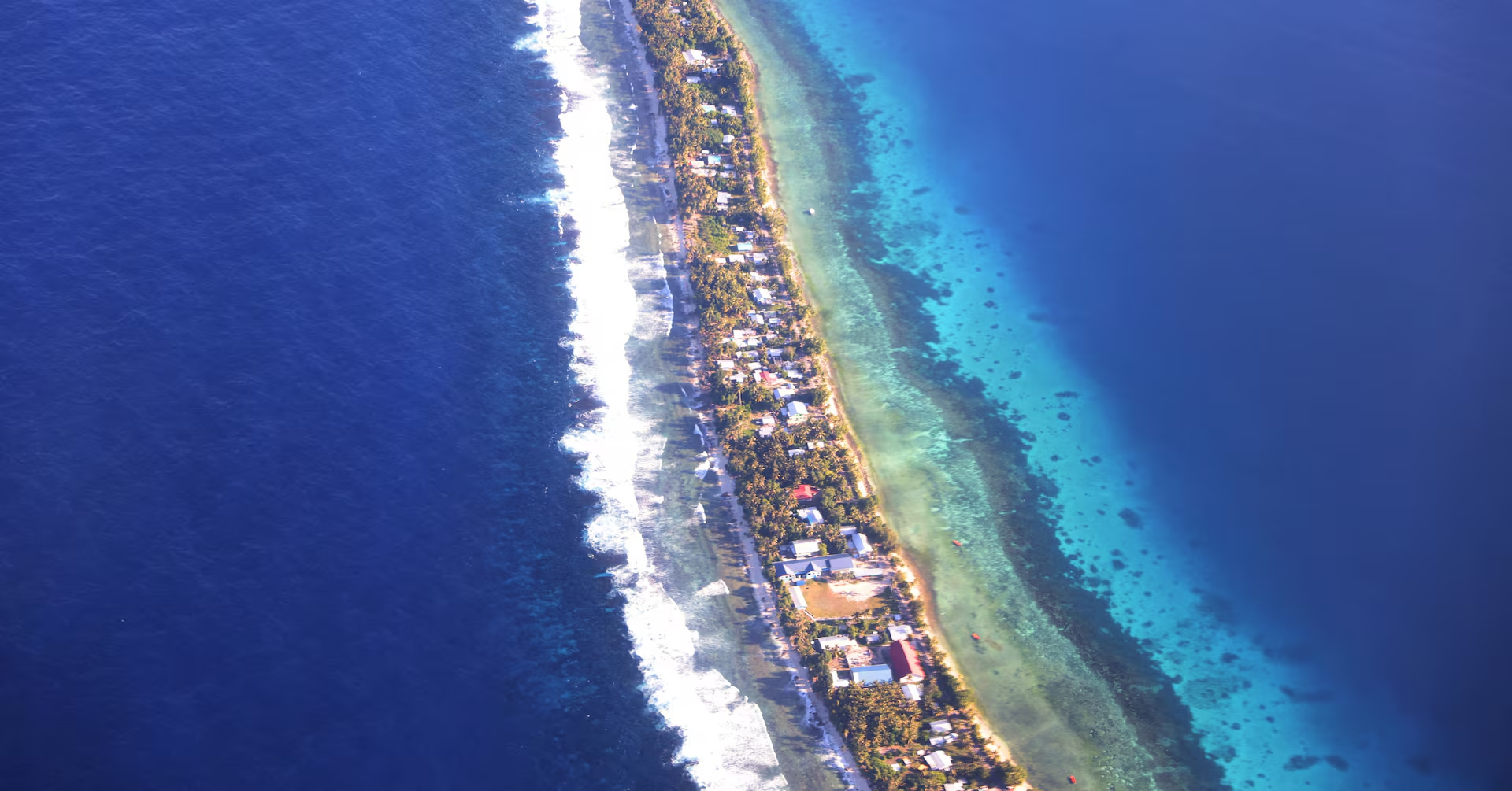
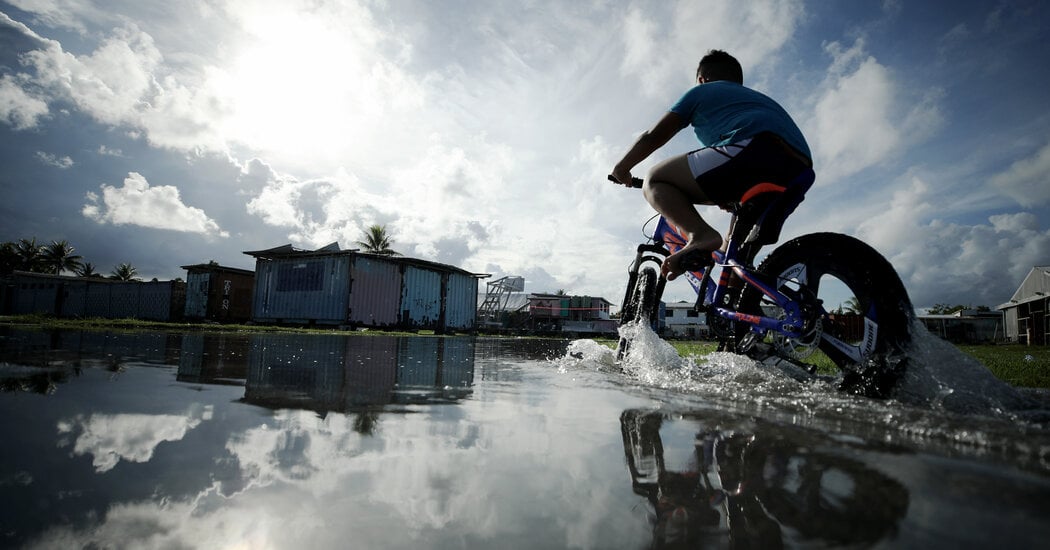
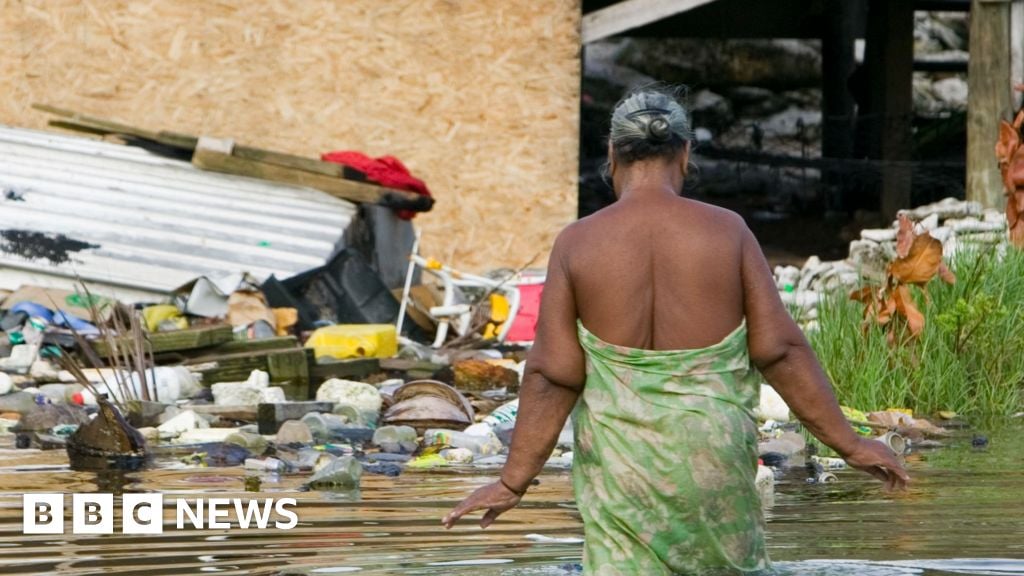
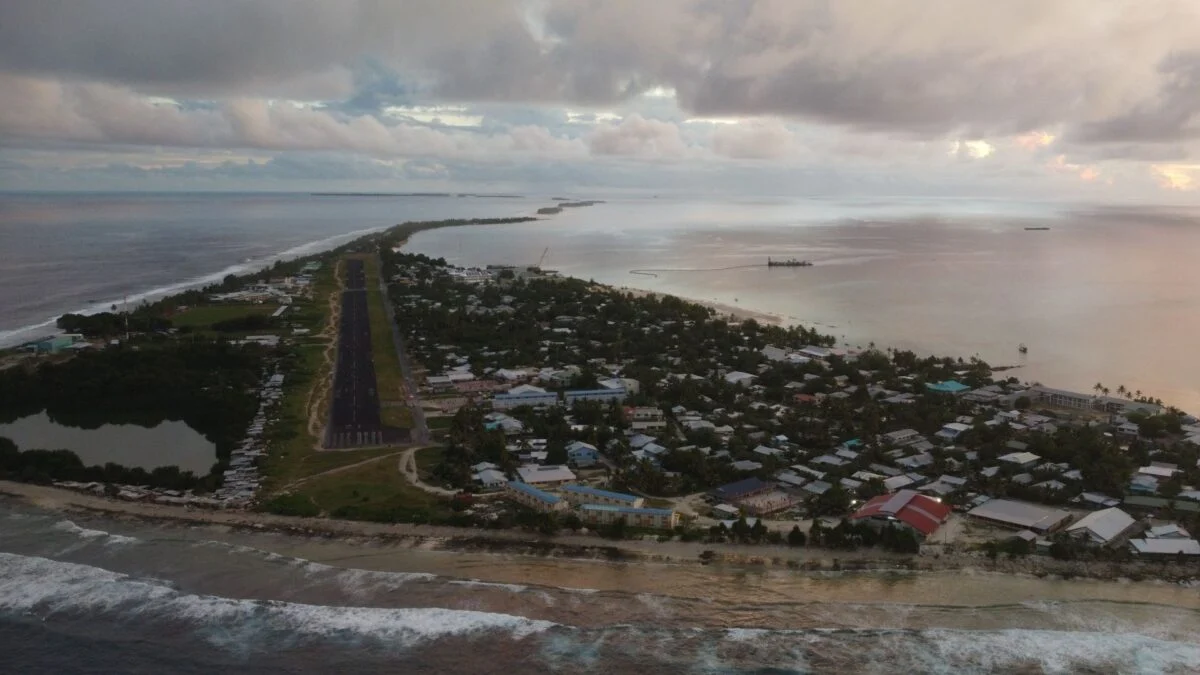
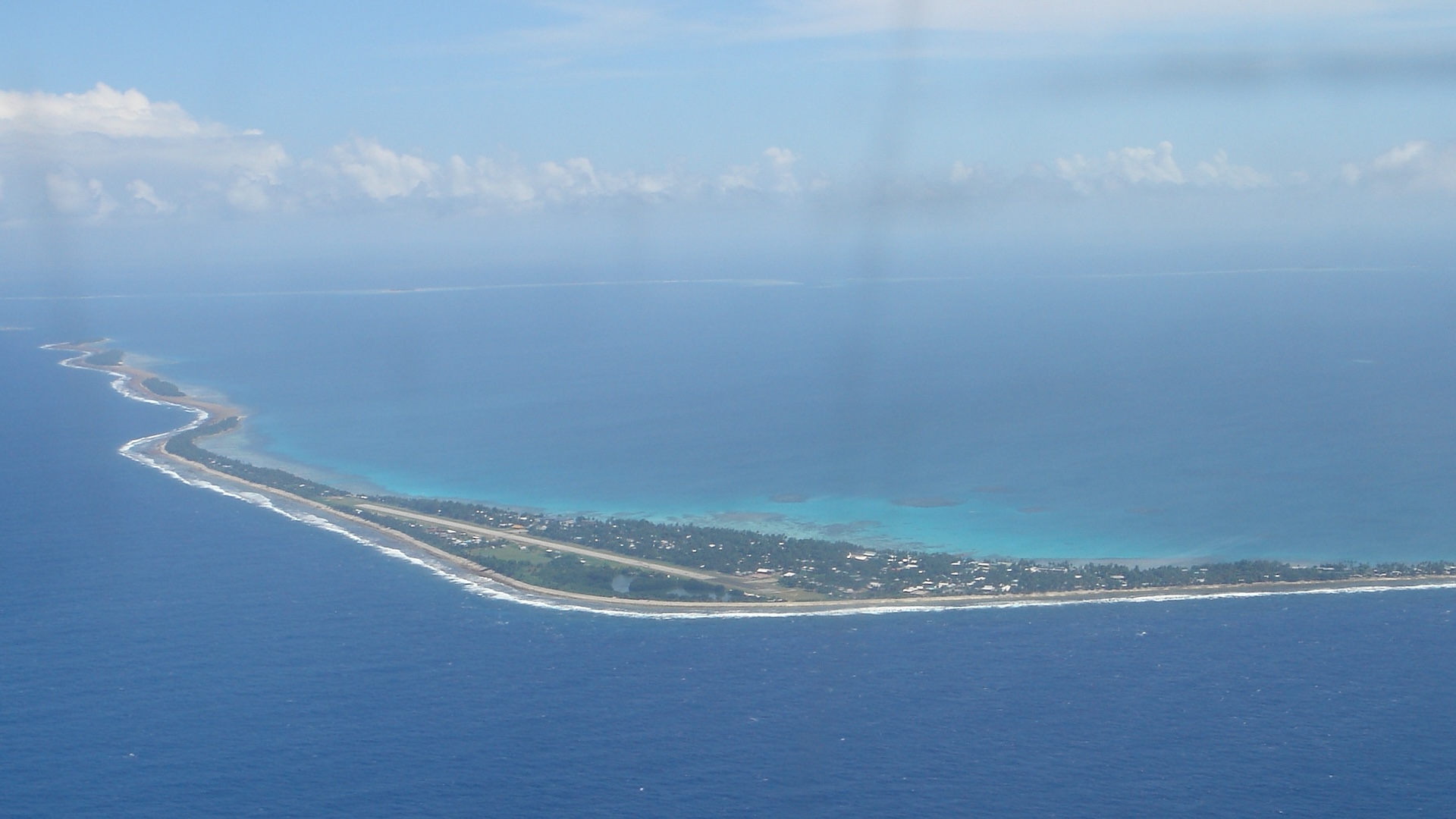
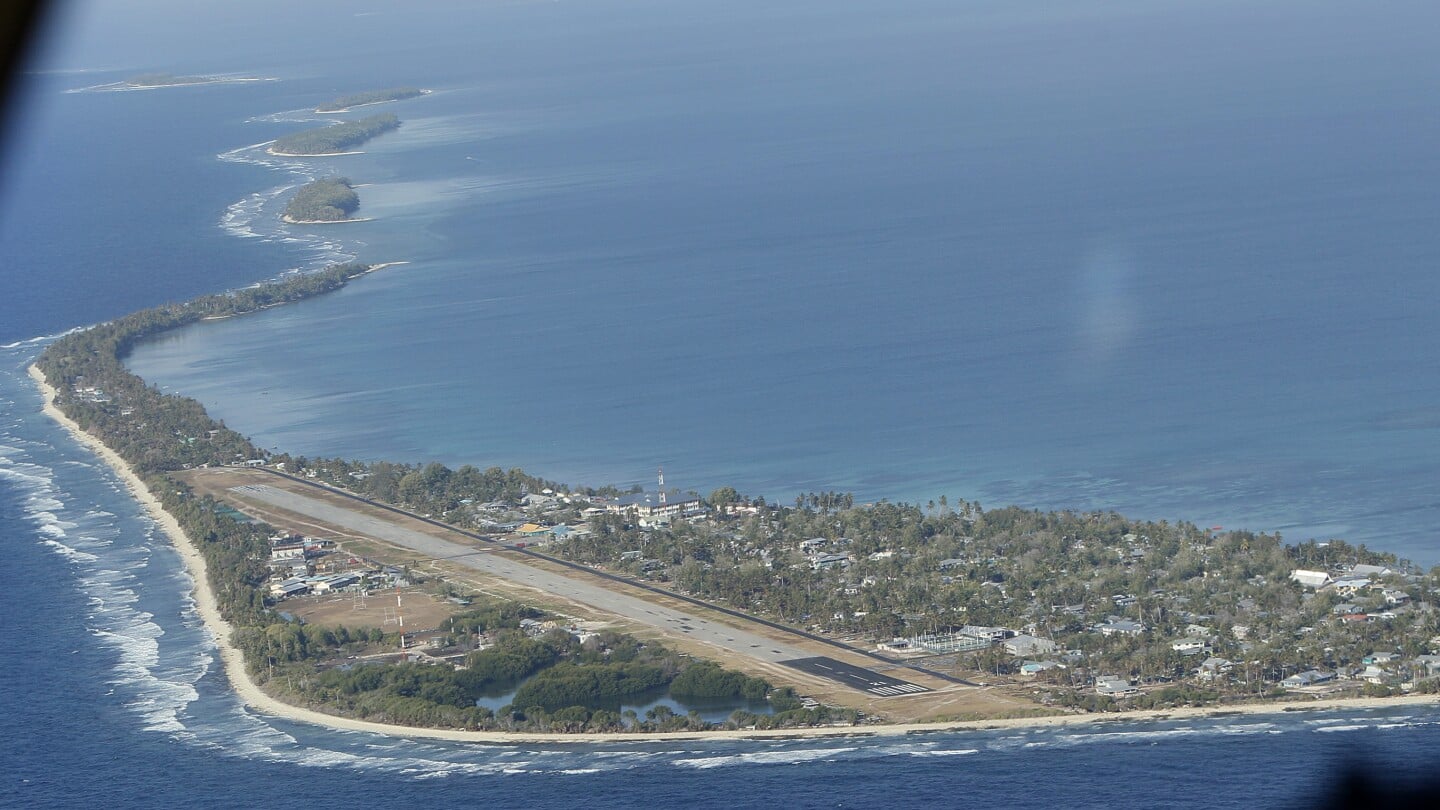
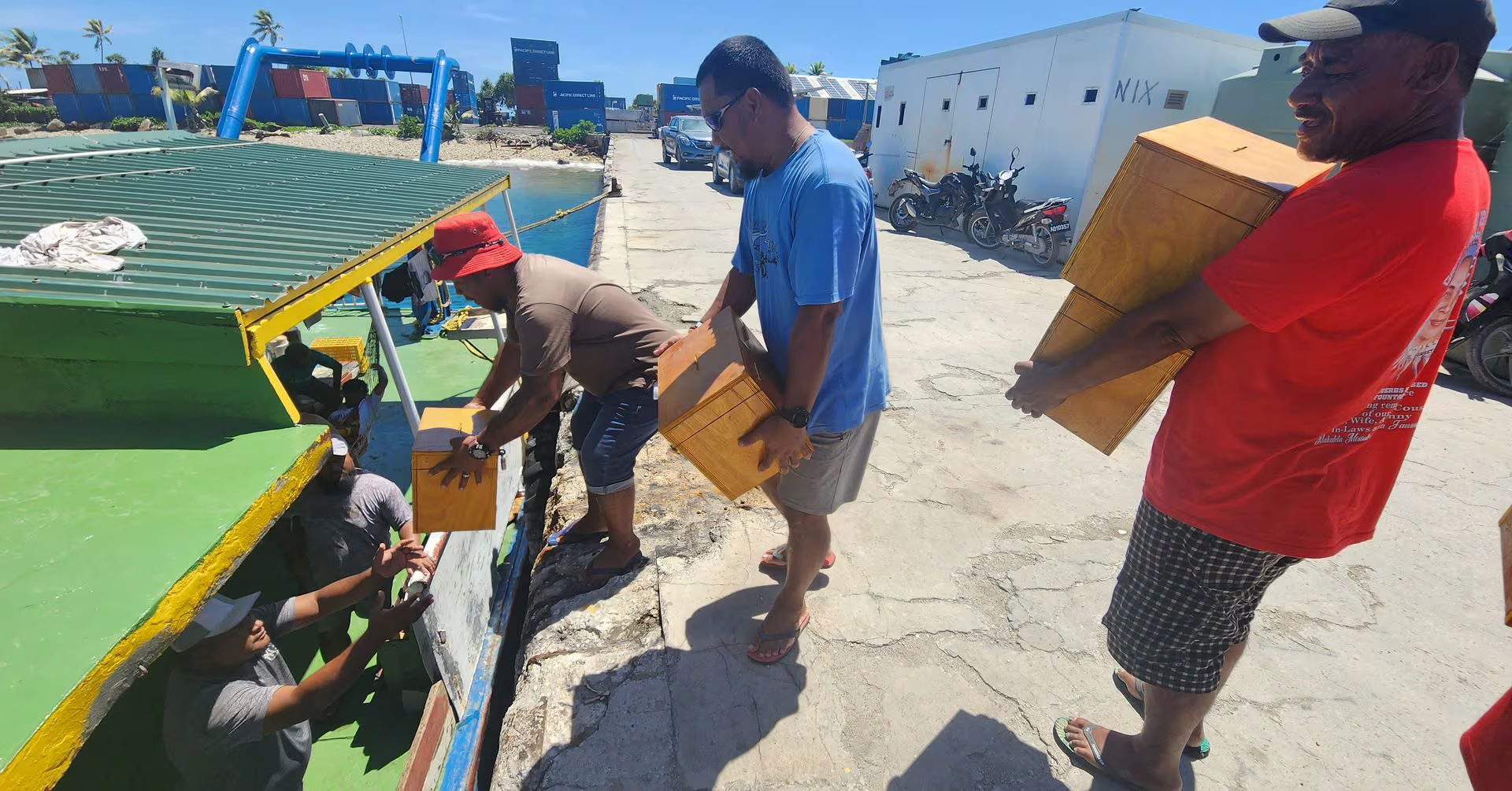
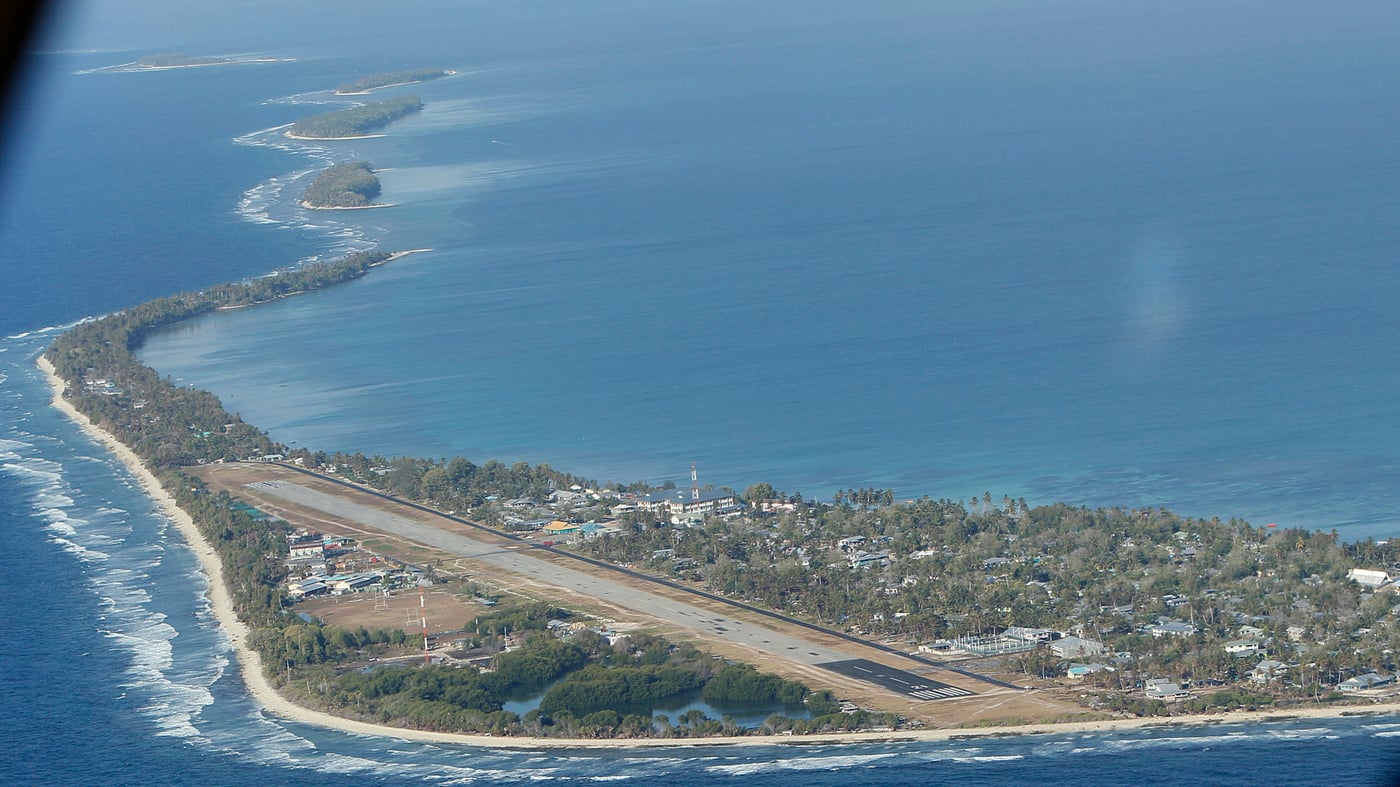
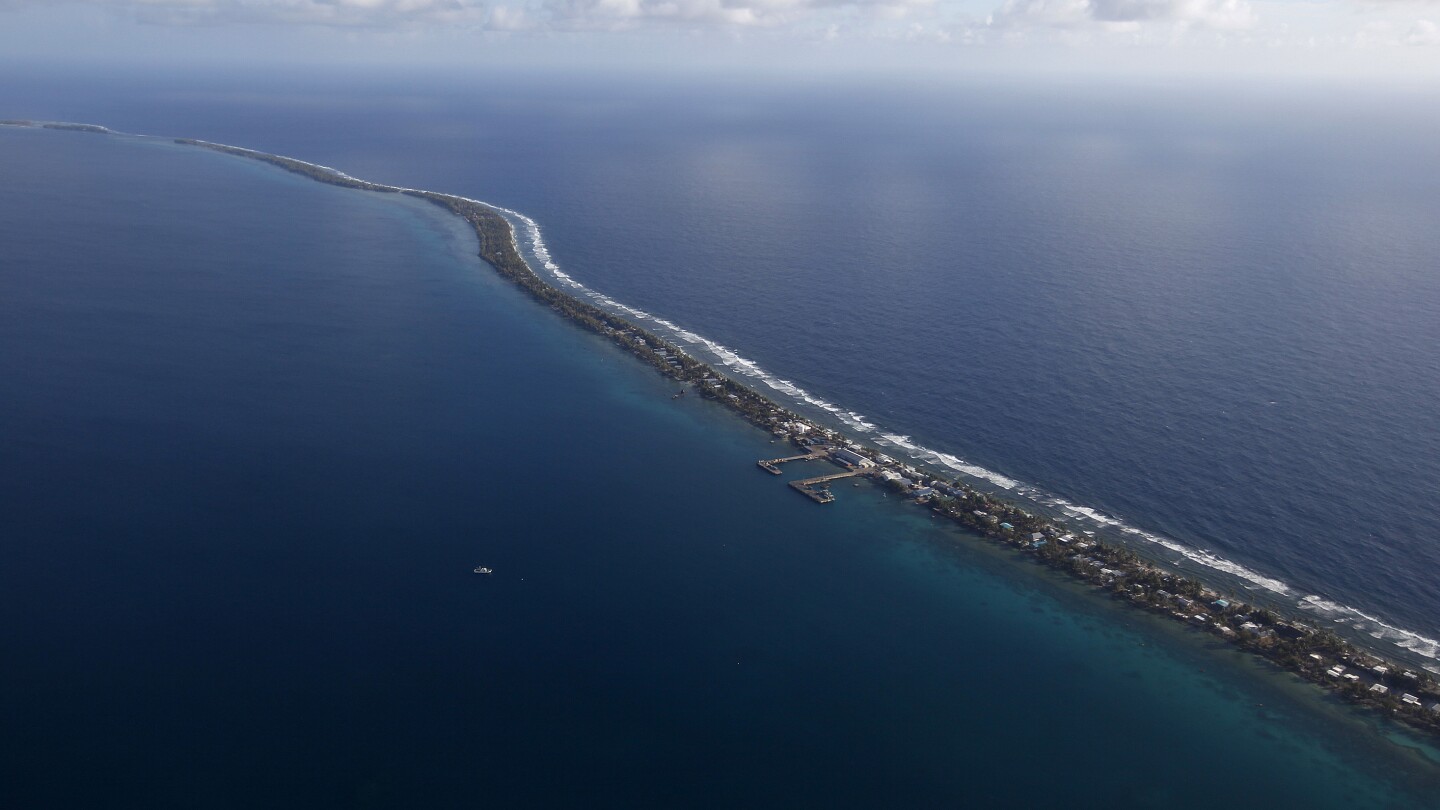
Tuvalu, a low-lying island nation severely threatened by rising sea levels due to climate change, is experiencing an increase in residents seeking Australian visas as their homes become uninhabitable. Australia has introduced a special climate migration visa, with over 3,000 applications, offering migrants access to social services. Despite adaptation efforts, Tuvalu faces imminent land loss, highlighting the urgent need for global climate action and the plight of vulnerable island nations.
A significant portion of Tuvalu's population is seeking to migrate to Australia due to the imminent threat of sea level rise, with over 3,000 people vying for just 280 visas, highlighting the urgent climate crisis facing low-lying island nations.
Feleti Teo has been named as the new prime minister of Tuvalu following the ousting of the previous government leader after elections. The new government's stance on diplomatic ties with Taiwan and China remains uncertain, with potential implications for a proposed security treaty with Australia. Australia has offered support to Tuvalu in response to climate change, and the new government is expected to review and potentially modify the existing treaty.
Feleti Teo, Tuvalu's former attorney general, has been named as the new prime minister of the small South Pacific nation after being the only candidate nominated by his 15 lawmaker colleagues. The swearing-in ceremony for Teo and his Cabinet will be held later this week, and it remains to be seen how the new government will impact China's influence in the country.
Tuvalu has named Feleti Teo, a former attorney general and fisheries official, as its new prime minister after he was elected unopposed by lawmakers. Teo, who has extensive experience in regional fisheries and has worked with the Pacific Islands Forum, received unanimous support from the 16 lawmakers. The election result was delayed due to dangerous weather, highlighting the impact of climate change in the Pacific Islands. Taiwan's foreign ministry expressed congratulations to Teo, emphasizing the stable relations between Taiwan and Tuvalu. The new government's stance on diplomatic ties with Taiwan and a recent security and migration pact with Australia remains to be seen.
The pro-Taiwan leader of Tuvalu, Kausea Natano, lost his seat in a national election, potentially impacting the country's diplomatic ties with Taiwan and China. The election results have raised questions about the future of Tuvalu's relationship with Taiwan, as another leadership contender, Seve Paeniu, has suggested a review of diplomatic ties. The outcome of the election could influence the country's stance on diplomatic recognition of Taiwan or China, as well as its security and infrastructure agreements with Australia.
Tuvalu, a small Pacific Island nation threatened by climate change, held a national election closely watched by China, Taiwan, the US, and Australia due to the tussle for influence in the region. With most of Tuvalu at risk of being flooded by high tides by 2100, the election also holds significance for climate change action. The contest for influence in the Pacific between China and the US has seen Tuvalu courted, with Taiwan being one of its remaining allies. The election outcome may impact Tuvalu's ties with Taiwan and China, as contenders for leadership differ in their approaches to these diplomatic relations.
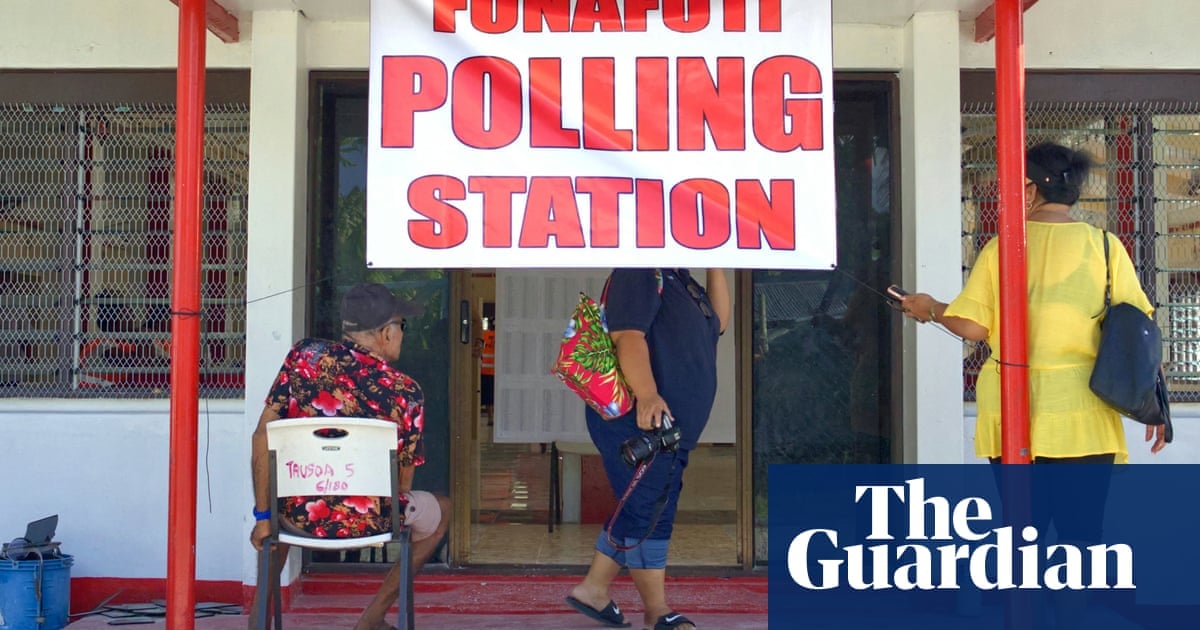
Voting has commenced in Tuvalu's national election, with the outcome potentially impacting diplomatic relations with Taiwan and China, as well as a security treaty with Australia. The election is closely watched due to the strategic significance of the region, with China, the United States, and others vying for influence. The outcome could determine the future leadership and foreign policy direction of the tiny Pacific island nation.
Tuvalu, a small Pacific island nation, is holding a national election for its 16-seat parliament, with the prime minister to be elected after the vote count. The election is being closely watched due to the tussle for influence in the region between China, Taiwan, and other global powers. The outcome could potentially impact Tuvalu's diplomatic relations with Taiwan and China, as well as its proposed security treaty with Australia.
Voting has commenced in Tuvalu for the 16-seat parliament election, with Prime Minister Kausea Natano facing challenges from Finance Minister Seve Paeniu and opposition leader Enele Sopoaga. The election holds significance as it could impact diplomatic relations with Taiwan and China, as well as a proposed security treaty with Australia. With global warming and strategic alliances at stake, the election outcome may have far-reaching implications for the region.
Australia and Tuvalu have reached a bipartisan agreement to address the effects of climate change on the Pacific island nation. While many anticipated a wholesale offer of climate-based asylum for Tuvalu's citizens, the agreement will only allow a maximum of 280 residents to migrate to Australia each year. The limit aims to prevent brain drain and skilled citizens from leaving Tuvalu. Instead, the agreement emphasizes Tuvalu's desire to continue living in their territory, with Australia providing financial support for Tuvalu's Coastal Adaptation Project and climate infrastructure. The challenges facing Tuvalu include rising sea levels, flooding, drought, and saline groundwater. The agreement also includes provisions limiting Tuvalu's international security arrangements without Australia's agreement, potentially countering China's influence in the region.