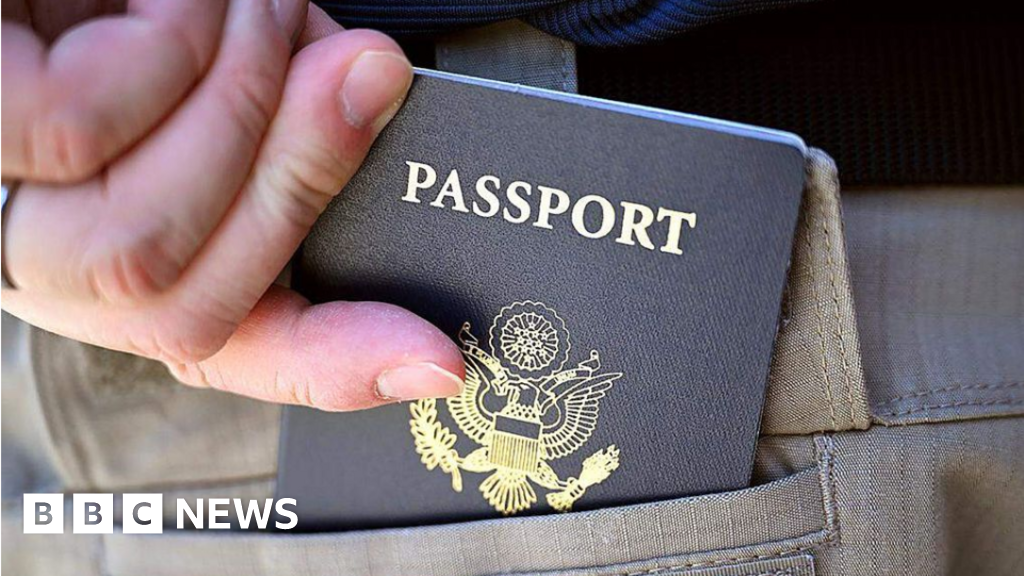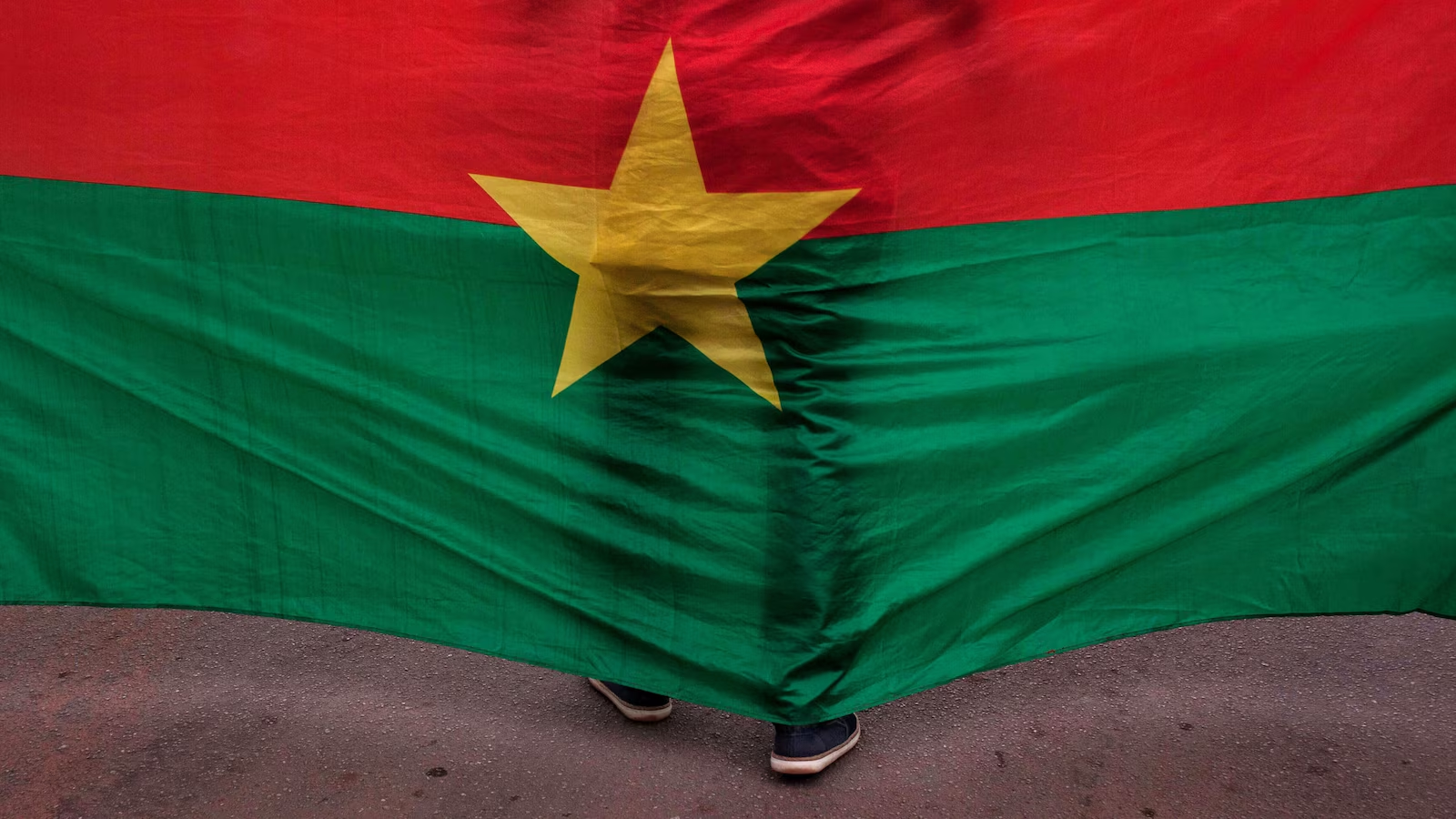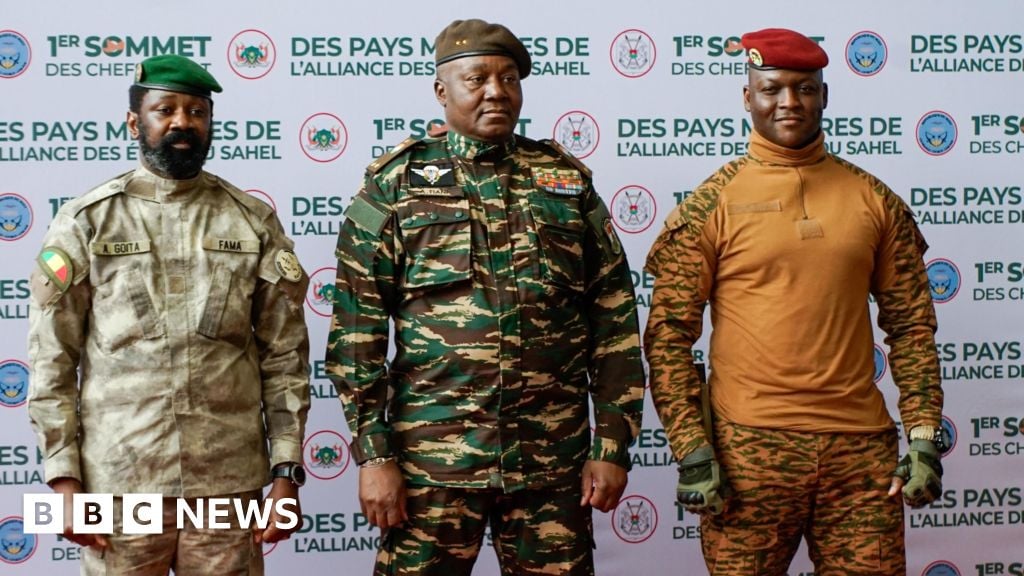
Mali and Burkina Faso have announced travel bans on US citizens in response to the US's expanded travel restrictions on their nationals, reflecting a reciprocal move amid strained regional relations and recent coups by military juntas in the region.
Mali and Burkina Faso have imposed a travel ban on US citizens in retaliation for the US banning citizens from these countries, reflecting escalating tensions and reciprocal measures amid regional security issues involving armed groups.
Nigeria's Foreign Minister Yusuf Tuggar apologized to Burkina Faso after a Nigerian military jet, which developed a technical issue, entered Burkinabè airspace without authorization, leading to the detention of 11 servicemen. The incident caused a diplomatic row with the Alliance of Sahel States, but both countries agreed to maintain dialogue and cooperation. The detained personnel have been released, and the aircraft is expected to return to Nigeria.
Burkina Faso's military government has detained eight members of the NGO INSO, accusing them of spying and treason, amid tensions with Western nations and ongoing security concerns. INSO denies the allegations, stating their activities are for aid worker safety and have been transparent with authorities. The incident highlights the strained relations and security challenges in Burkina Faso under military rule.
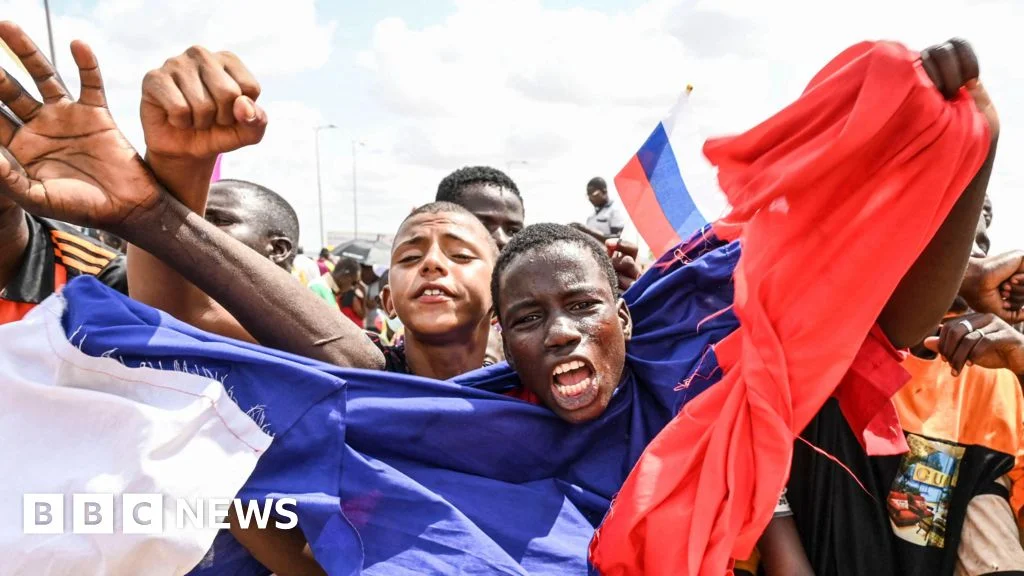
Burkina Faso, Mali, and Niger have announced their withdrawal from the International Criminal Court, criticizing it as a neo-colonialist tool and citing its failure to prosecute serious crimes, while seeking to establish their own justice mechanisms amid regional instability and increased ties with Russia.
Burkina Faso's parliament has unanimously approved a bill criminalizing homosexual acts, with penalties of up to five years in prison, as part of a broader regional crackdown on LGBT rights, pending the signature of the military leader.
Burkina Faso's government has passed a law criminalizing homosexuality, with offenders facing 2 to 5 years in prison and fines, as part of broader legal reforms under the military-led transitional government, aligning with similar laws in other African nations.
Burkina Faso's military-led government has passed a law criminalizing homosexuality, with penalties of up to five years in prison, making it one of the latest African countries to implement such legislation amid regional trends and ongoing political instability.
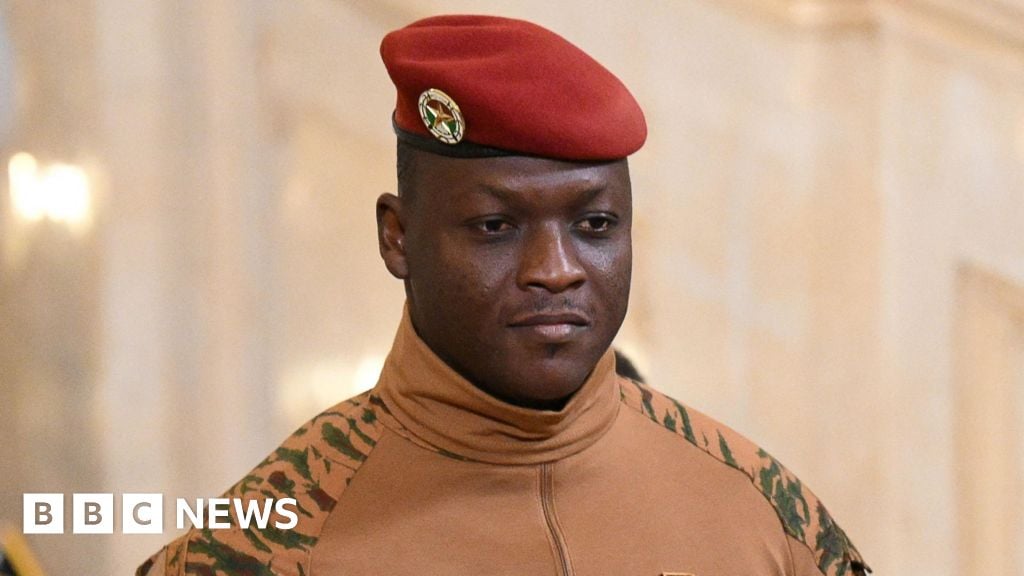
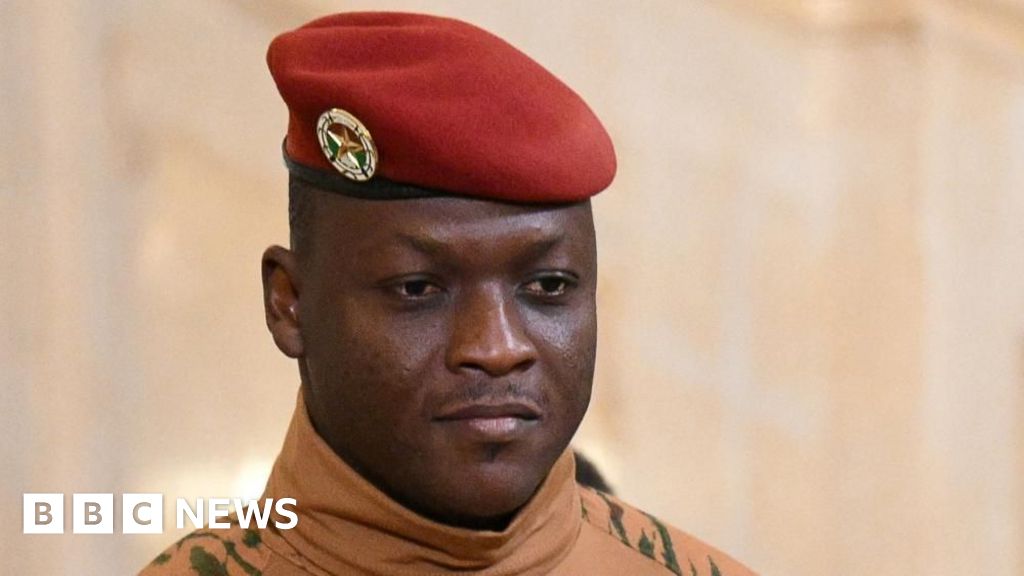
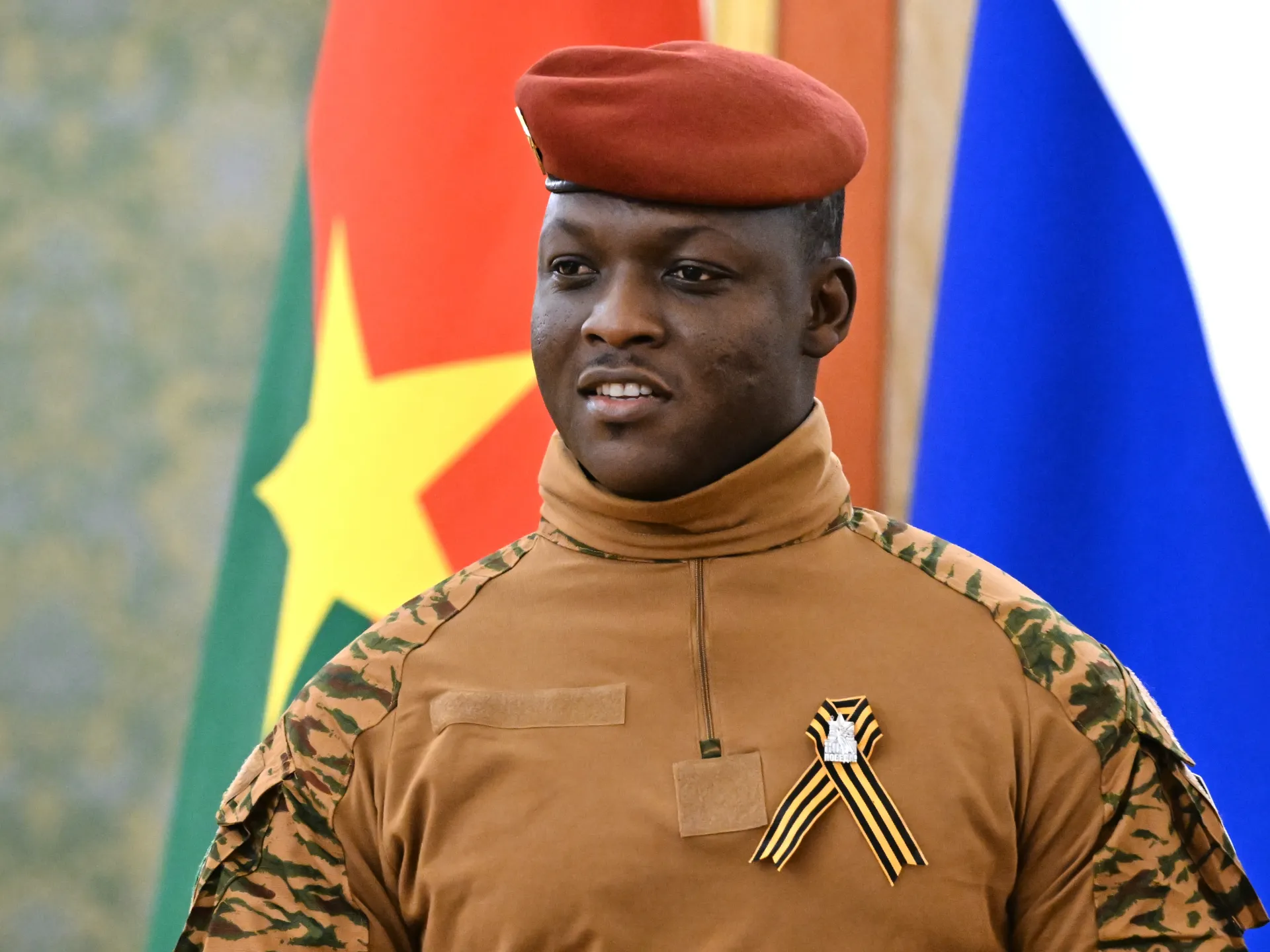
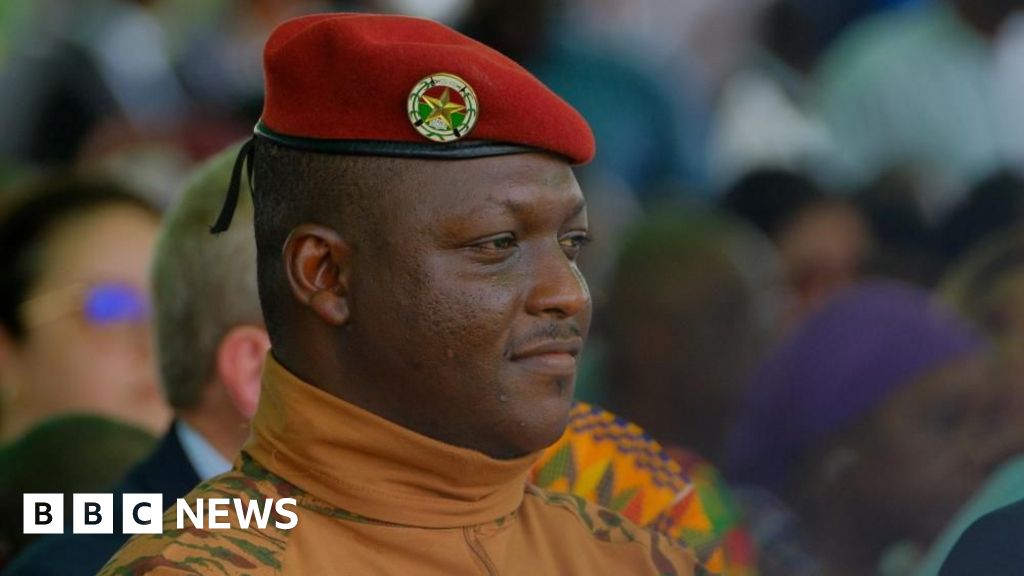
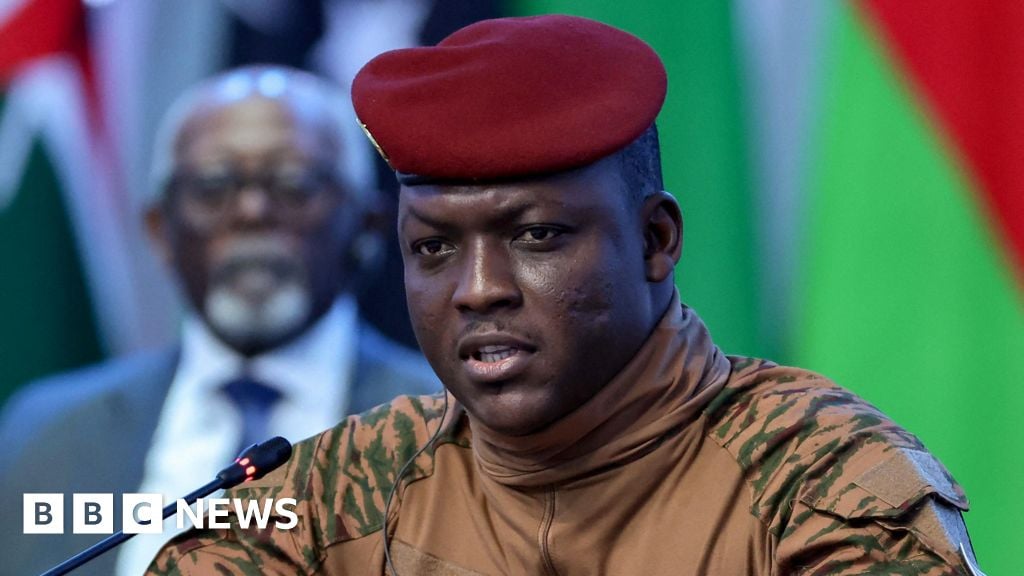
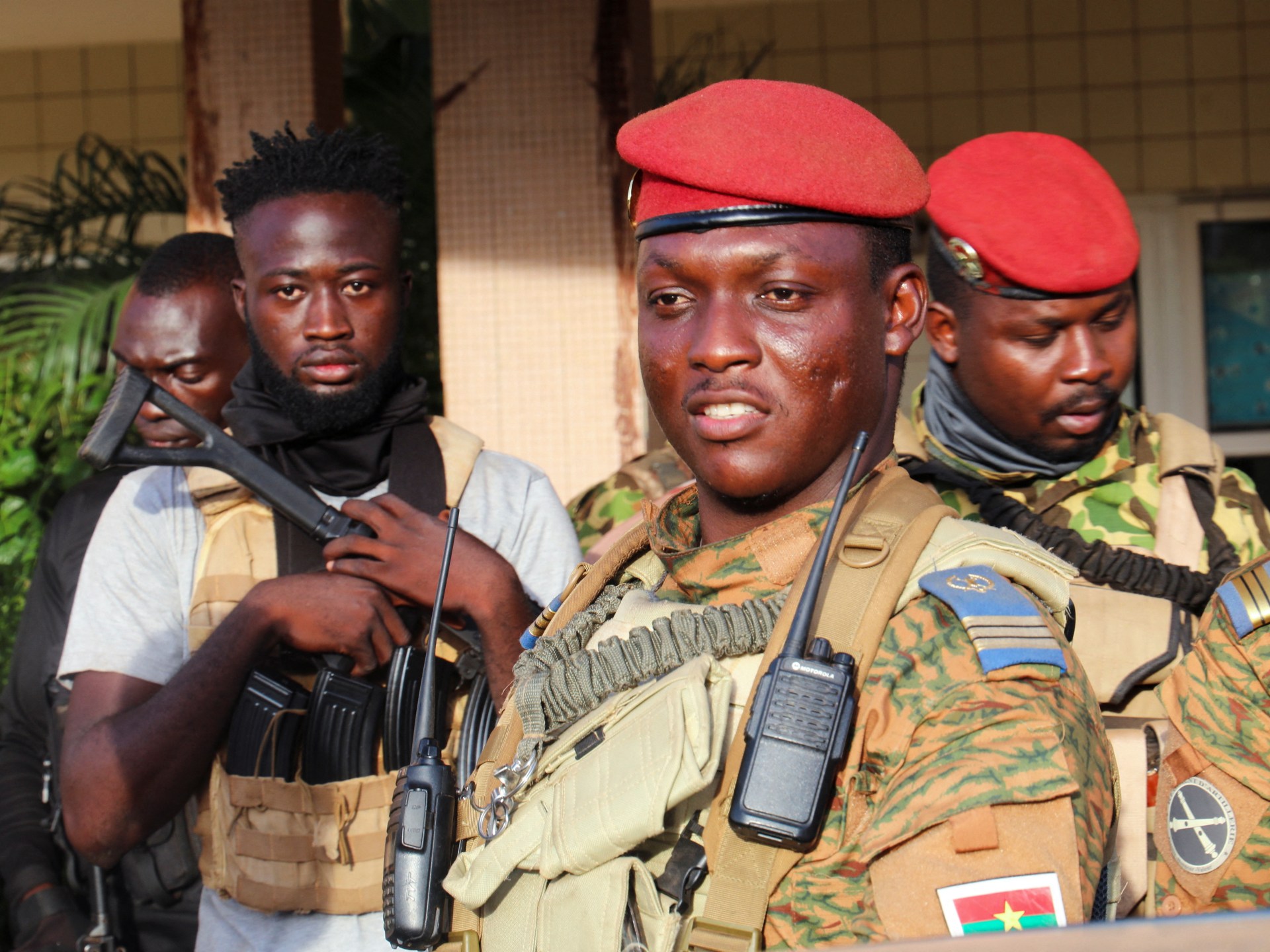
In Burkina Faso, a young military captain turned coup leader, Ibrahim Traoré, is gaining a Pan-African reputation as he leads a revolution, with his image widely displayed across the country and beyond.
Burkina Faso's military rulers have disbanded the electoral commission, citing cost and sovereignty concerns, and will now have the interior ministry oversee future elections, as the country remains under military transition following a coup led by Ibrahim Traoré, amidst ongoing jihadist violence and political instability.
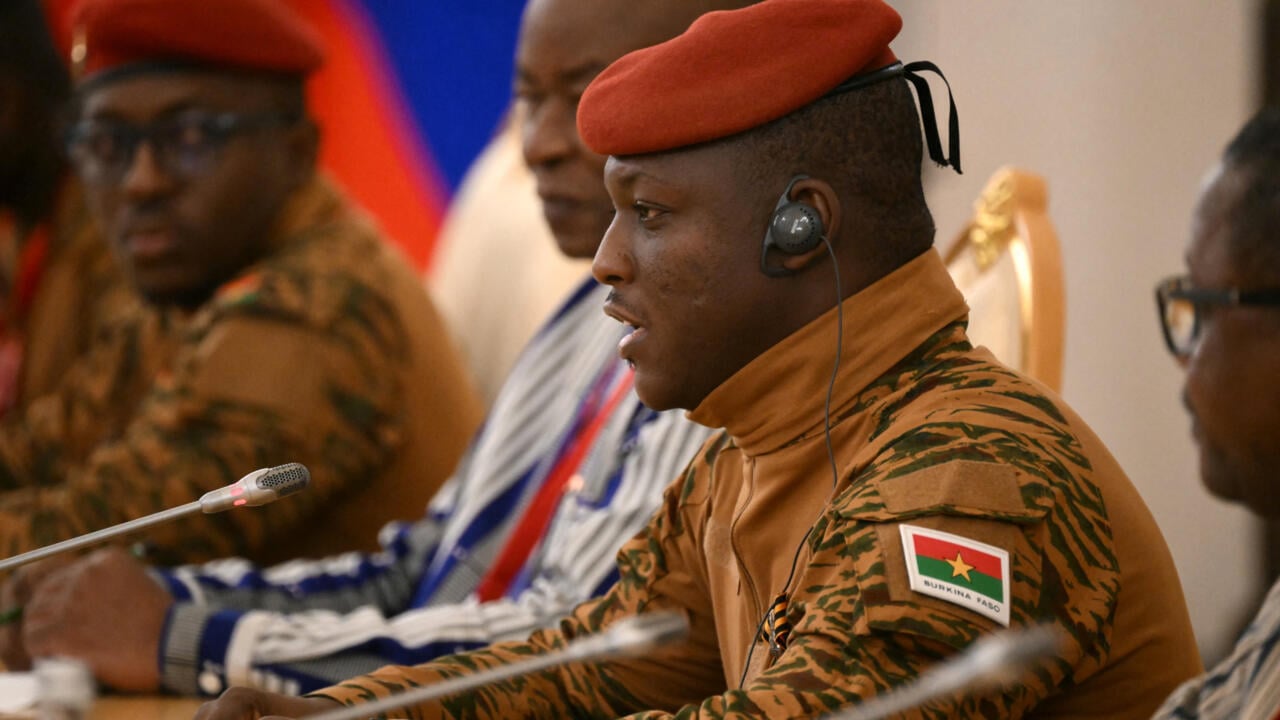
Burkina Faso's military government, led by Capt Ibrahim Traoré, has extended its rule by five years, allowing Traoré to contest the next presidential election. This decision follows a national consultation and an amended charter, citing the need to address ongoing jihadist insurgency before holding elections. The move aligns Burkina Faso with neighboring Mali, which has also extended military rule. The international community has criticized Burkina Faso for human rights violations in its fight against Islamist militants.
Burkina Faso's military rulers will extend their control for another five years, delaying the transition to civilian rule initially promised for July 2024. The new charter, signed after national talks, prioritizes security and allows military leader Ibrahim Traore to run for president. The decision, amid ongoing violence and a shift in military alliances from France to Russia, raises concerns about democratic backsliding in the region.
Burkina Faso's military junta has extended its transition period by five years following national consultations, despite most political parties boycotting the talks. The junta, which took power in September 2022, has struggled to address security issues and has shifted its military alliances from France to Russia. The new charter allows for potential elections before the end of the transition period, with Capt. Ibrahim Traore remaining as transitional president.
A study by World Weather Attribution (WWA) has linked the deadly Sahel heatwave in Mali and Burkina Faso to "human-induced" climate change, with temperatures exceeding 45 degrees Celsius and causing a significant increase in deaths and hospitalizations. The extreme heat, described as a once-in-a-200-year event, was exacerbated by factors such as rapid urbanization and loss of green spaces. The study emphasized the need for countries to develop heat action plans and strengthen critical infrastructure to adapt to the increasing frequency and intensity of extreme heat events in the region.