Meteorologist Dave Epstein reminds readers that spring arrives gradually in New England, with subtle signs like warmer days, robins, and early blooms offering cues beyond calendar dates.
Earth reaches perihelion, its closest point to the sun, on January 3, 2026, but this event has minimal impact on seasons, which are primarily driven by Earth's axial tilt. Perihelion slightly increases solar energy and affects Earth's orbital speed, influencing season length and climate trends over long timescales, but does not cause significant weather changes.
Earth is closest to the Sun at perihelion in January, but it’s winter in the Northern Hemisphere because the planet’s axial tilt causes seasonal changes, not its distance from the Sun. The tilt results in varying sunlight exposure, creating summer and winter, while the elliptical orbit’s slight distance variation has minimal impact on temperatures.
Earth's closest approach to the Sun, called perihelion, occurs during winter in the Northern Hemisphere due to the Earth's axial tilt and elliptical orbit, which causes seasonal variations in sunlight exposure. This timing is a coincidence and varies over thousands of years due to gravitational influences and orbital changes.
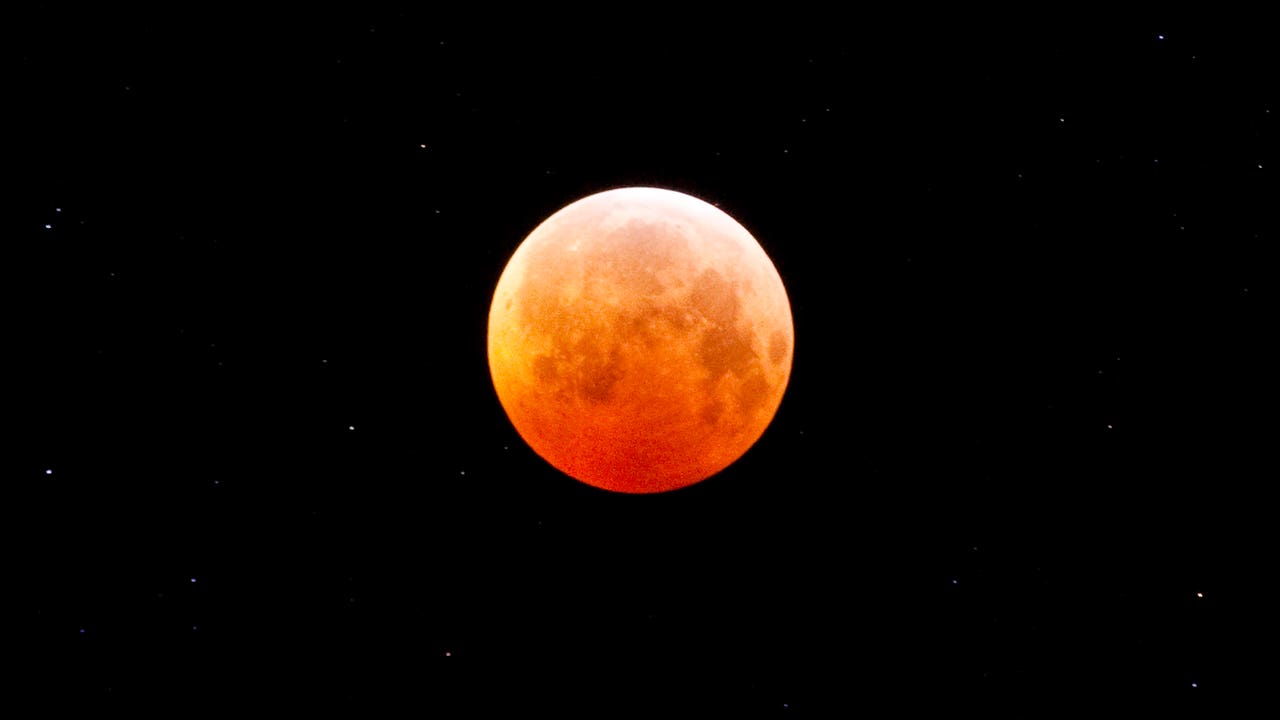
The autumnal equinox marks the start of fall in the Northern Hemisphere, with day and night approximately equal in length, and is celebrated worldwide with festivals and cultural events. It also coincides with the spring in the Southern Hemisphere and includes a potential lunar eclipse for some regions.
Yunchan Lim, a young South Korean pianist, offers a transformative and emotionally rich interpretation of Tchaikovsky's 'Seasons,' challenging traditional views and showcasing his romantic and introspective playing style, which has changed the author's perception of the piece.
Earth reaches its farthest point from the sun during aphelion in July, but this distance has little impact on seasonal temperatures. The primary factor influencing seasons is Earth's 23.5-degree tilt, which affects how much sunlight different regions receive, making tilt far more significant than the slight variation in distance.
Despite being at its farthest point from the sun during aphelion, Earth's seasons are primarily caused by the planet's tilt of about 23.5 degrees, which affects sunlight angles and intensity, rather than the distance from the sun.
On July 3rd, Earth reaches aphelion, its furthest point from the sun at 94.5 million miles, which is opposite to perihelion in January. Seasons are influenced by Earth's tilt, not proximity to the sun. Additionally, Mars is visible in the evening sky for a few more days before it moves behind the sun, with optimal viewing tonight.
Despite being farthest from the sun today during aphelion, Earth's temperatures are high due to the tilt of its axis, which affects the angle and intensity of sunlight, not the distance from the sun. The warm weather in July is primarily caused by the Earth's axial tilt, not proximity to the sun.
On July 3, 2025, Earth will reach its farthest point from the Sun, called aphelion, at about 152 million kilometers away, but this distance does not determine seasons, which are caused by Earth's axial tilt. The Earth's orbit is elliptical and influenced by gravitational forces from planets like Jupiter and Saturn, causing cyclical changes over thousands of years. Currently, Earth's orbit is nearly circular, affecting the length of seasons, with summer in the Northern Hemisphere being slightly longer than winter.
The spring equinox, also known as the vernal equinox, is set to occur on March 19, 2024, marking the transition from winter to spring in the Northern Hemisphere and from summer to autumn in the Southern Hemisphere. This celestial event symbolizes balance and renewal, with day and night being nearly equal in length. Cultures worldwide celebrate the spring equinox with festivals and rituals focused on themes of fertility, growth, and the changing of seasons. The term "vernal equinox" emphasizes the seasonal aspect, while "spring equinox" is more generic, both referring to the same astronomical event.
Earth's regular seasons are unique due to its slight tilt on its rotational axis, causing variations in sunlight throughout the year. This phenomenon, known as obliquity, can lead to drastic seasonal changes on other planets, with high obliquity resulting in extreme temperatures and reversed zonation. Spin-orbit resonances and the presence of moons can also influence a planet's obliquity and stability. Research on exoplanets, such as Kepler-186f, aims to understand the diversity of seasonal patterns across the universe.
The winter solstice, the shortest day and longest night of the year in the Northern Hemisphere, will occur on December 21 at 10:27 p.m. Eastern time. During the solstice, the sun appears directly over the Tropic of Capricorn, marking the beginning of astronomical winter. The solstice happens because Earth's axis is tilted, causing each hemisphere to receive different amounts of sunlight. After the solstice, the position of sunrise and sunset gradually shifts northward, resulting in longer days. Various cultures have celebrated the solstice throughout history, and landmarks like Stonehenge were built to mark the sun's changing path in the sky.
Floridians will experience the shortest day of the year, known as the Winter Solstice, on December 22. On this day, the Northern Hemisphere will have about seven hours and 14 minutes of daylight as the Earth's axis is tilted farthest away from the sun. While the Northern Hemisphere experiences winter, the Southern Hemisphere enjoys summer, and their days will gradually become shorter until their Winter Solstice arrives.