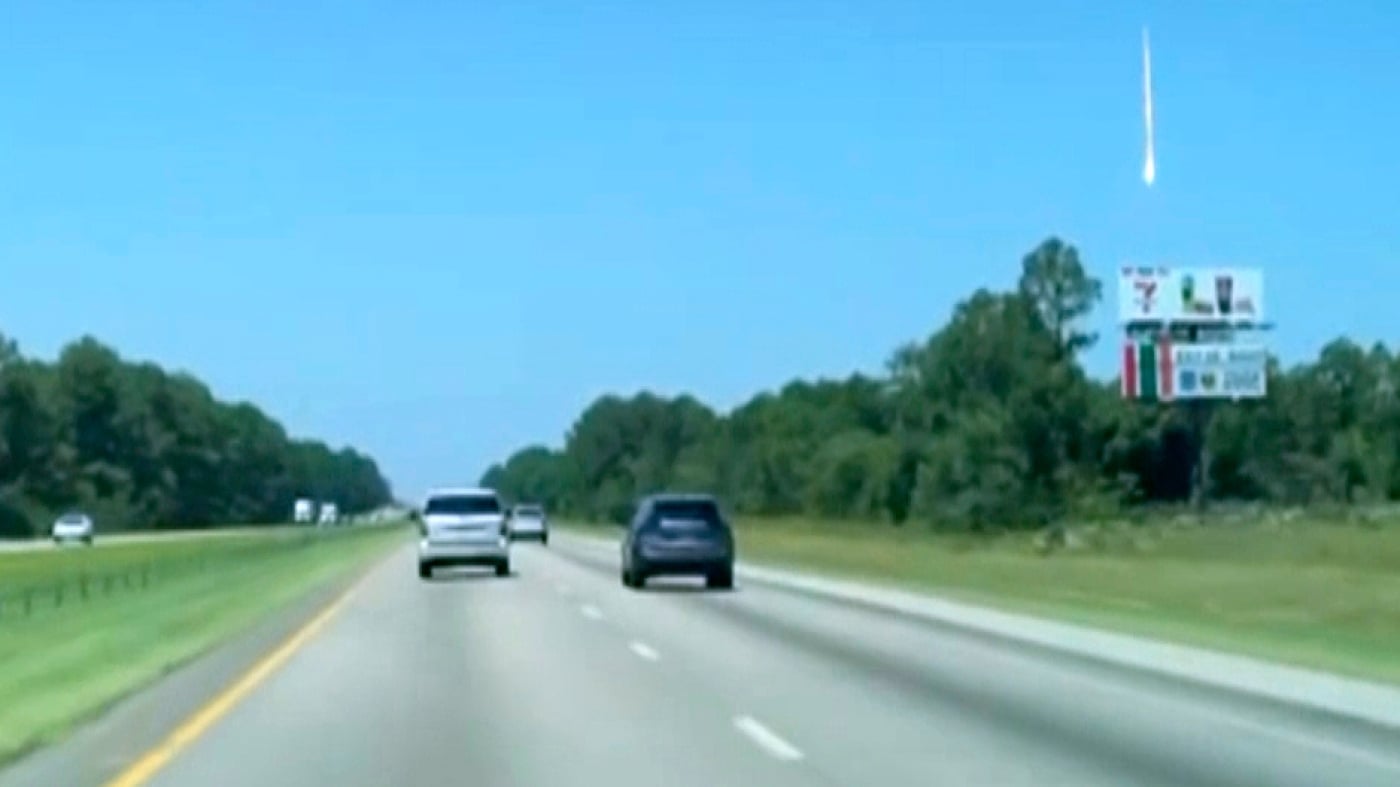
A bright fireball streaked across the midday sky in the Southeast U.S., likely a meteor or space debris, with reports of a falling object causing damage in Georgia and multiple sightings across several states, highlighting the rarity of such daylight fireballs.
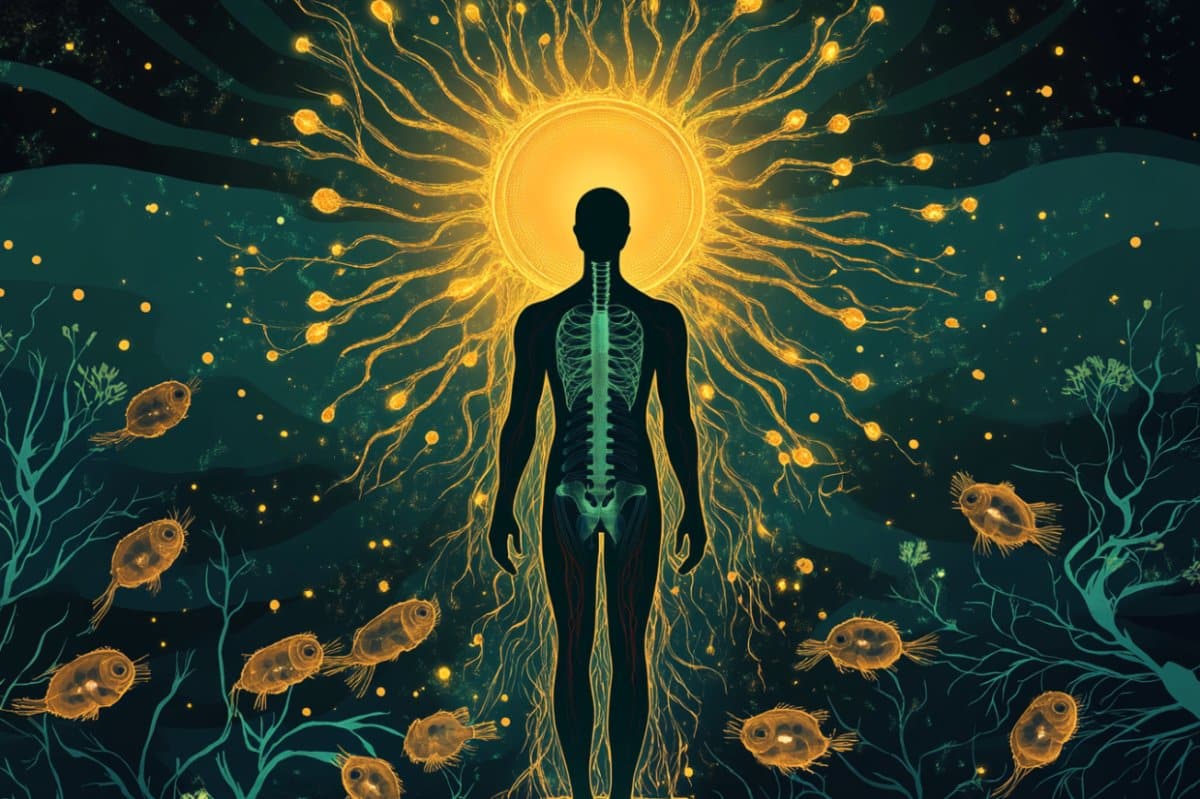
Researchers at the University of Auckland discovered that daylight activates circadian clocks in neutrophils, enhancing their ability to fight bacteria during the day, which could lead to new therapies targeting these cellular clocks to improve immune responses.
A rare daylight meteor created loud booms over New York City and New Jersey, passing over the Statue of Liberty before disintegrating above midtown Manhattan. The meteor, traveling at speeds up to 38,000 mph, caused no damage or injuries, but its loud noise startled residents and pets.
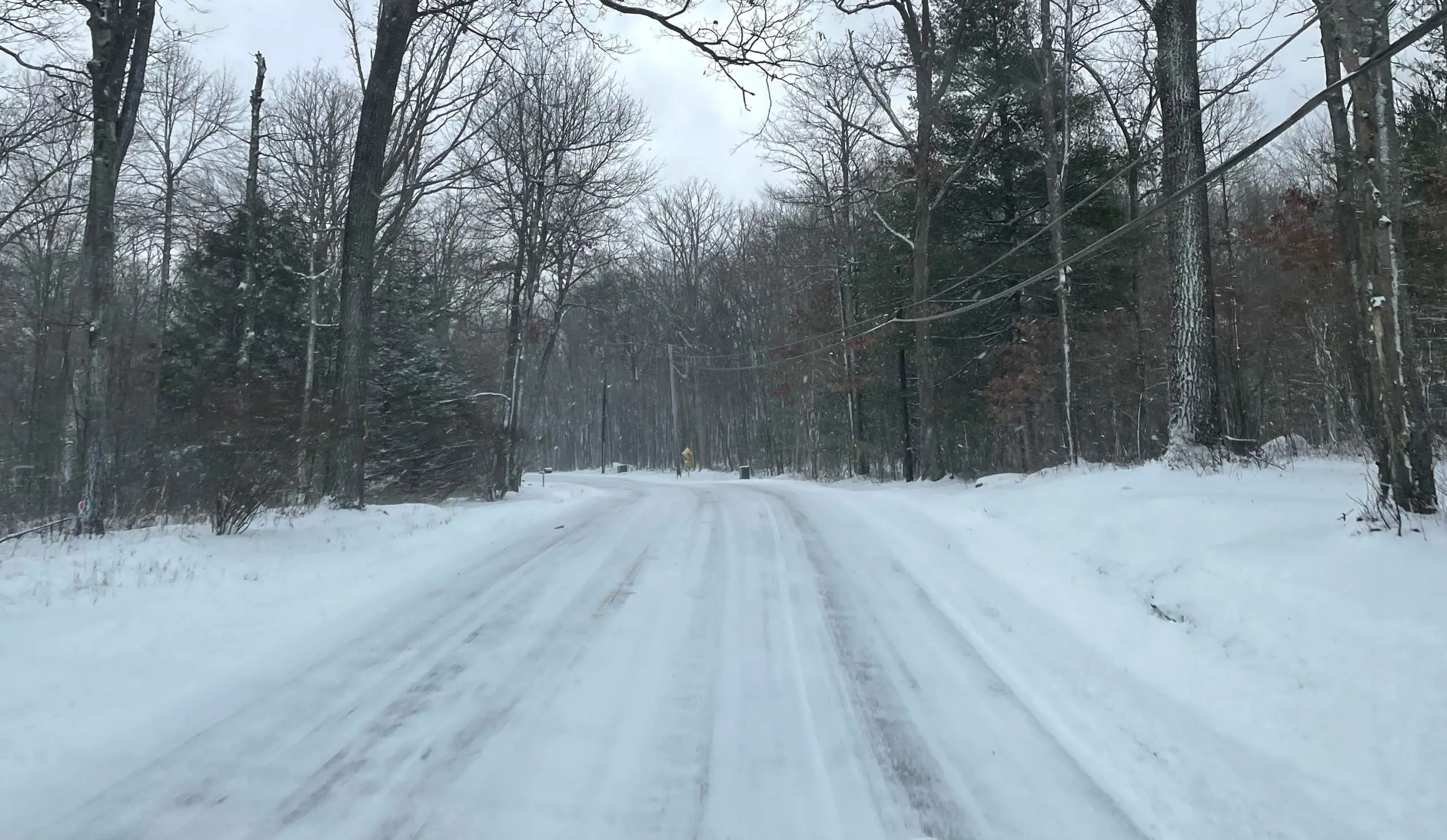
The Winter Solstice, marking the first day of winter, will occur on December 21 this year. However, it is not the shortest day of the year as the following day will also be equally short. The days will start getting longer from December 23 onwards. Despite the increase in daylight, the coldest period of the year is typically in mid to late January due to the seasonal temperature lag. Additionally, the biggest snowstorms are expected in January and February. The weather outlook suggests a progressing cold pattern as we approach the New Year, with the possibility of winter conditions in early January.
The winter solstice, which falls on December 21st, marks the shortest day of the year in terms of daylight hours for those in the Northern Hemisphere. This occurs because the Earth is tilted away from the sun during this time. After the solstice, each day will gradually bring more daylight until the summer solstice in June. The winter solstice is considered the first day of winter and has been recognized by ancient civilizations for thousands of years.
Floridians will experience the shortest day of the year, known as the Winter Solstice, on December 22. On this day, the Northern Hemisphere will have about seven hours and 14 minutes of daylight as the Earth's axis is tilted farthest away from the sun. While the Northern Hemisphere experiences winter, the Southern Hemisphere enjoys summer, and their days will gradually become shorter until their Winter Solstice arrives.
Harry Styles showcases his charismatic charm in the music video for his song "Daylight," featuring a whimsical theme of an old-style traveling circus. Styles dons eccentric costumes, interacts with circus performers, and even rides a unicycle, creating a visually captivating experience. The video is a departure from his previous music video for "Music for a Sushi Restaurant," as Styles continues to push boundaries with his artistic expression. Both songs are from his award-winning album "Harry's House."
Bodø in Norway gets on average 36.5 more minutes of daylight per day than Sydney, Australia due to refraction, hemisphere, and latitude. The Northern Hemisphere gets a longer summer than the Southern Hemisphere due to the elliptical orbit of the Earth. The Arctic Circle gets the most sunlight with an average of 12 hours 40 minutes per day, while the South Pole gets the least with an average of 12 hours. The summit of Mount Forel, Greenland, gets 5,052 hours of daylight a year, more than anywhere else on the planet.
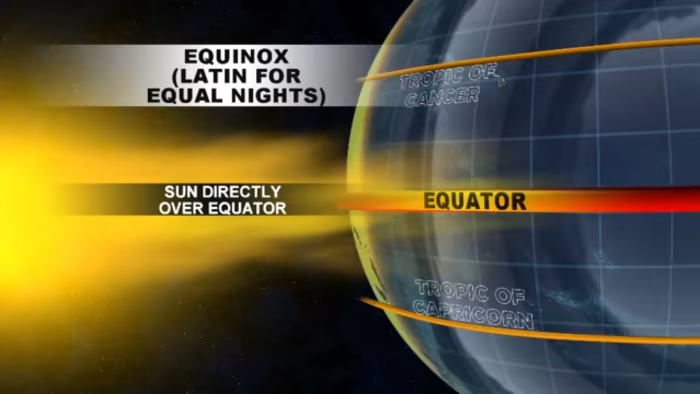
The vernal equinox, which marks the end of winter and the first day of spring in the Northern Hemisphere, occurs on March 20 at 5:24 p.m. Eastern time. Equinoxes happen twice a year, in March and September, and mark the precise moment in time when the sun appears directly over the Earth’s equator. During the March equinox, the sun’s direct rays cross Earth’s equator into the Northern Hemisphere. Both hemispheres receive equal amounts of the sun’s energy, resulting in nearly equal day and night everywhere on Earth. The days have been steadily getting longer since mid-December, but we experience the fastest increase in daylight around the spring equinox. Temperatures will inevitably march upward as we head toward summer, with above-average temperatures forecasted across the eastern and south-central United States.
The vernal equinox, which marks the beginning of astronomical spring, occurs on March 20 at 5:24 p.m. Earth's tilt causes the sun's rays to shine directly over the equator, resulting in equal amounts of daylight and night, except for a few extra minutes of daylight due to the sun's refraction and sunset definition. Contrary to popular belief, the equinox has nothing to do with balancing eggs. On the equinox, the sun sets faster than on the solstices due to simple geometry.