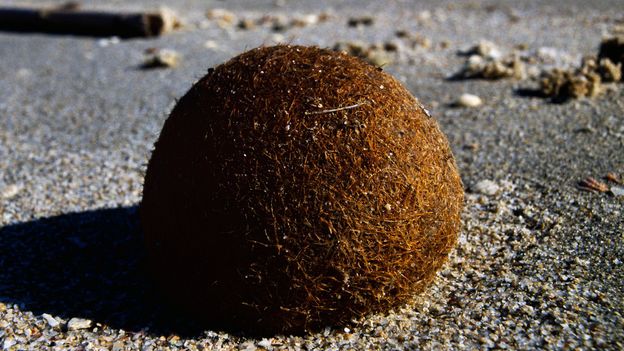
Research on Mallorca beaches revealed that Neptune balls, natural seagrass formations, often contain dense plastic debris, highlighting the impact of human pollution on marine ecosystems, with some balls trapping large and visible plastic items like sanitary products.
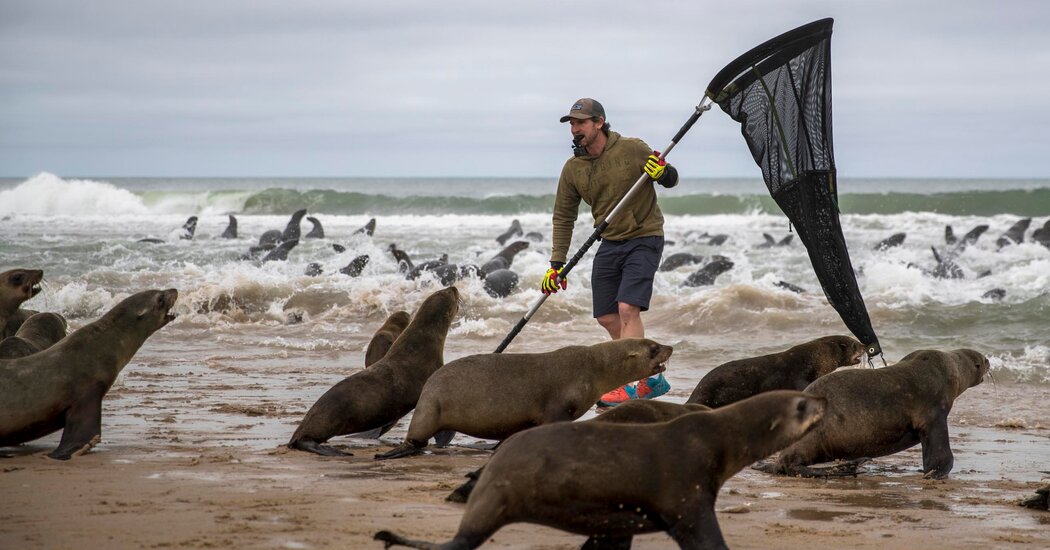
Ocean Conservation Namibia, a nonprofit group, has rescued around 3,000 seals entangled in marine garbage since 2020, with videos of its rescues becoming a sensation during the pandemic. The group, founded by Katja and Naude Dreyer, has garnered attention for its efforts in disentangling seals from fishing gear and other maritime garbage, highlighting the growing crisis of marine trash while providing a feel-good ending for the affected animals. Their work has been praised for its significant impact in addressing the issue of marine debris.
The combination of sargassum, vibrio bacteria, and man-made plastics in the ocean is creating a "perfect pathogen storm" that poses a threat to marine life and human health. Vibrio has evolved to attach to and thrive on plastic, and its numbers increase as it sits on the beach. People are advised to wash themselves off after coming in contact with sargassum, especially if they have open cuts.
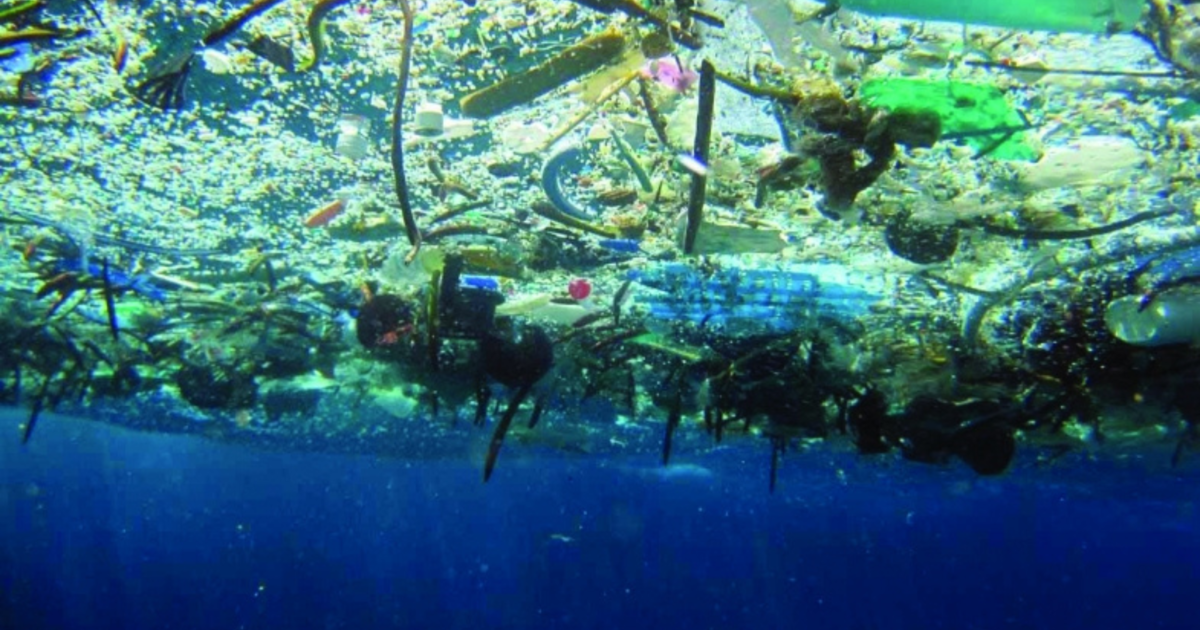
Coastal species are thriving in the Great Pacific Garbage Patch, with evidence of reproduction in their plastic homes, according to a study published in the Nature Ecology & Evolution journal. The diversity and frequency of coastal species found on more than 70% of debris is new, and researchers suggest that the plastisphere may provide new opportunities for coastal species to expand populations into the open ocean, altering oceanic communities and ecosystem processes. The study highlights the urgent need for policy intervention to reduce plastic waste entering the ocean.