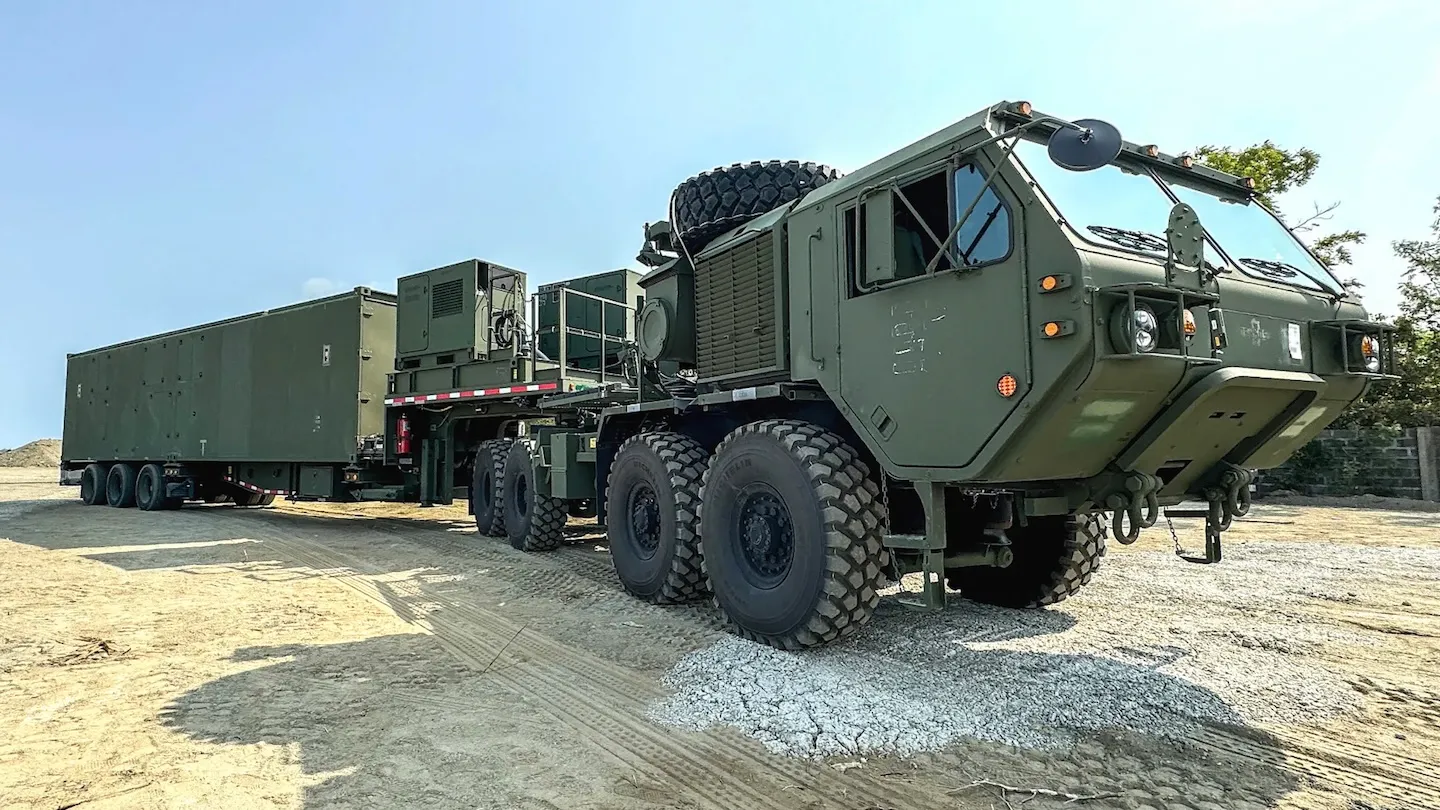
The U.S. Army has deployed the Typhon missile system to Japan for the first time during the Resolute Dragon exercise, signaling a strategic move to enhance military capabilities in the Indo-Pacific region and counter China, with the system capable of launching Tomahawk cruise missiles and SM-6 missiles for land and sea targets.
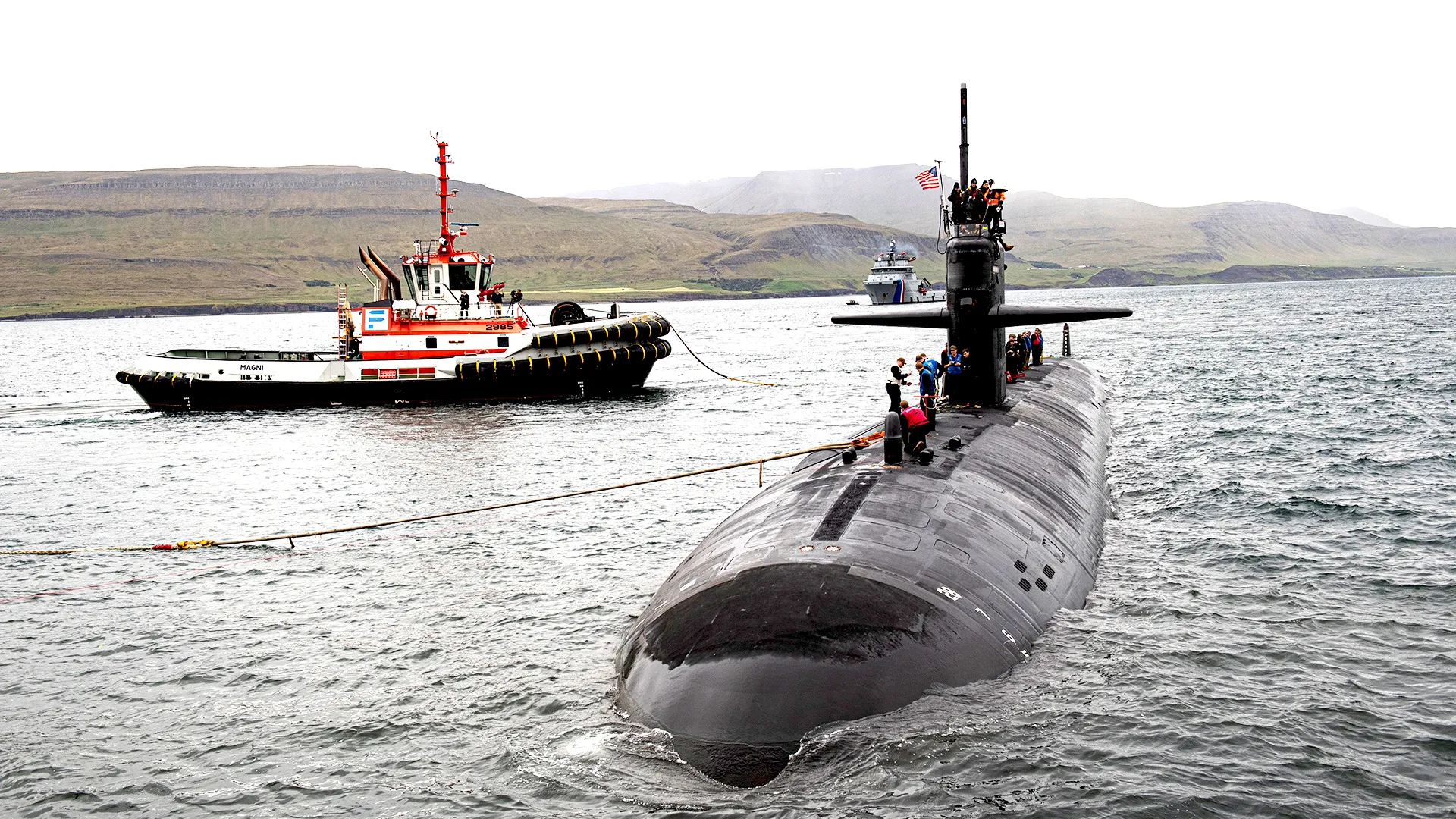
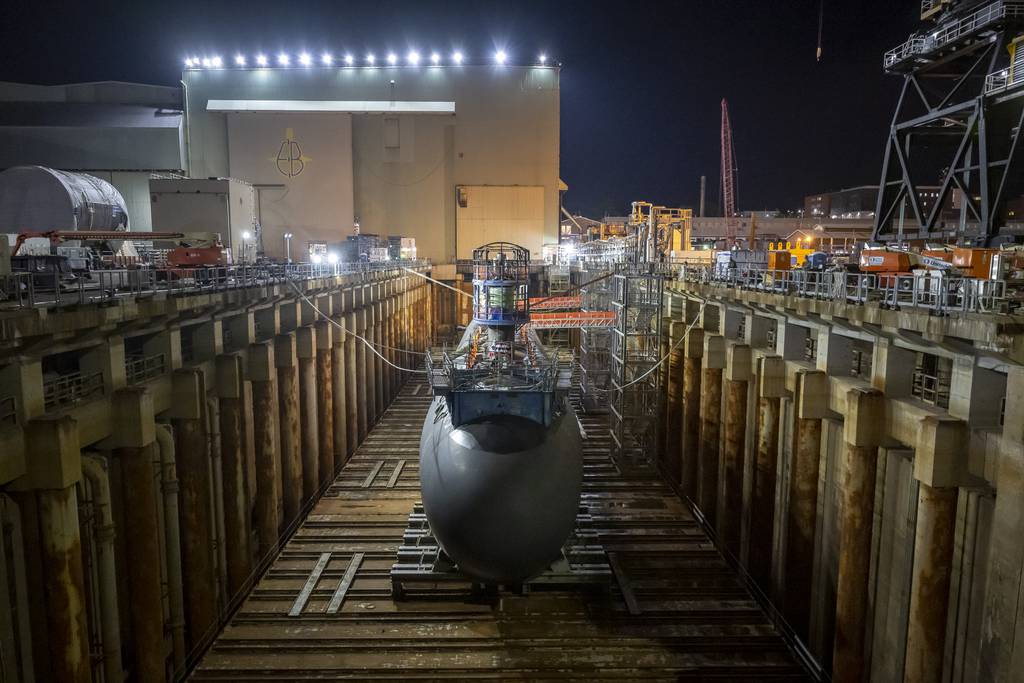
The U.S. Navy's Los Angeles class submarine USS Newport News has made history by docking in Reykjavik, Iceland, marking the first time a nuclear-powered submarine has visited the country. This move underscores the strategic importance of Iceland in Arctic security and U.S. military operations, especially given the increasing Russian submarine activity and regional tensions. The visit highlights Iceland's role as a key outpost for surveillance and defense in the Arctic and the broader North Atlantic region.
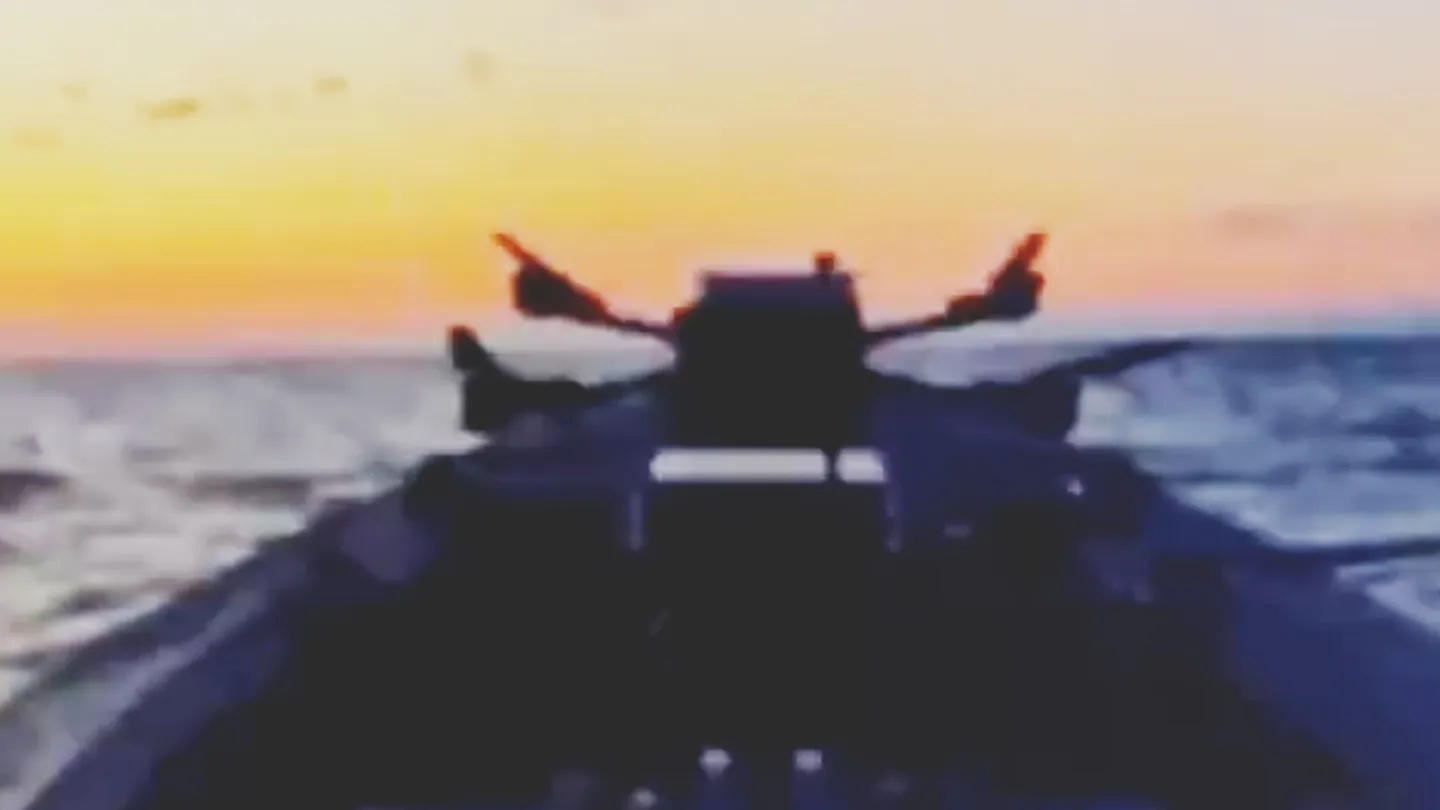
Ukraine is now deploying bomber drones launched from unmanned surface vessels to attack targets in Crimea, including Russian radar systems, enhancing their asymmetric warfare capabilities and challenging Russian defenses in the Black Sea region.
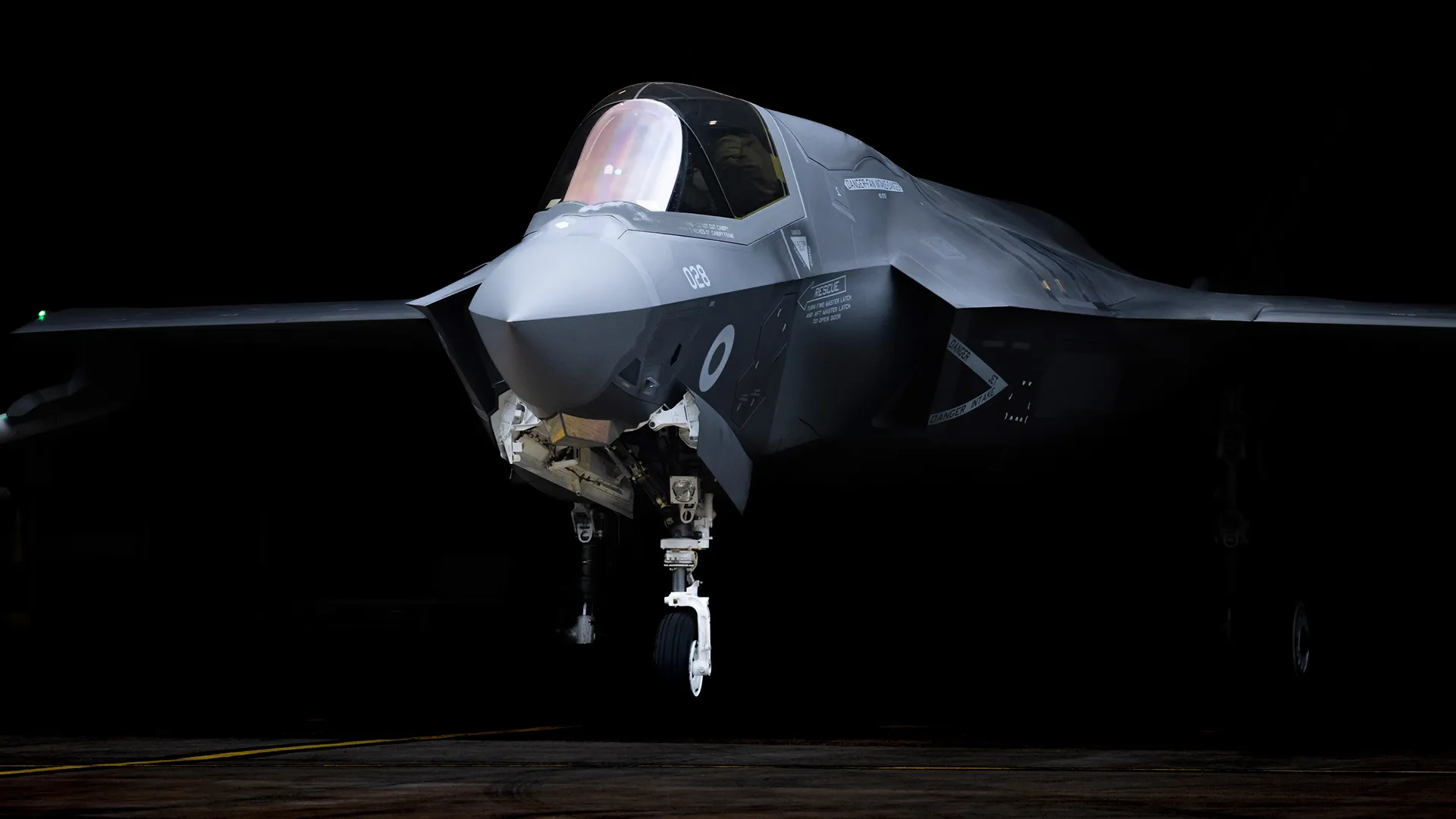
The UK has announced the purchase of 12 F-35A fighters to enhance its nuclear deterrence, joining NATO's dual-capable aircraft mission with U.S.-owned B61-12 nuclear bombs, primarily for training and strategic flexibility, while maintaining its submarine-based nuclear deterrent. The move signifies a significant upgrade in the UK's nuclear posture and NATO's collective defense, with implications for future military and technological developments.
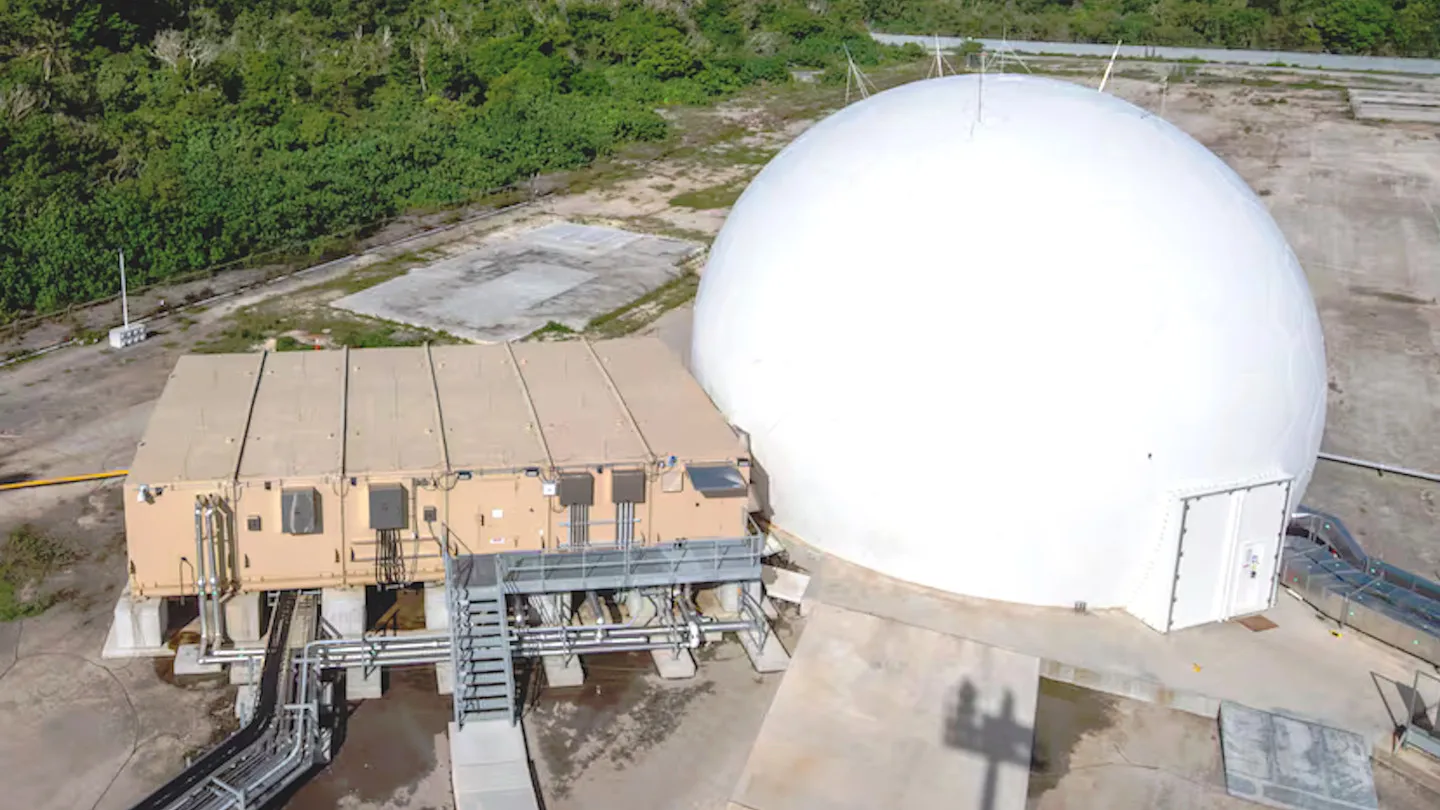
The US military has halted development of the AN/TPY-6 radar on Guam amid broader uncertainties about the island's missile defense system, which includes multiple components like missile launchers and command systems. Despite initial plans for a comprehensive defense architecture, funding, personnel, and infrastructure challenges, along with strategic shifts, cast doubt on the future of the radar and the overall system deployment, raising concerns about Guam's defense against regional threats.
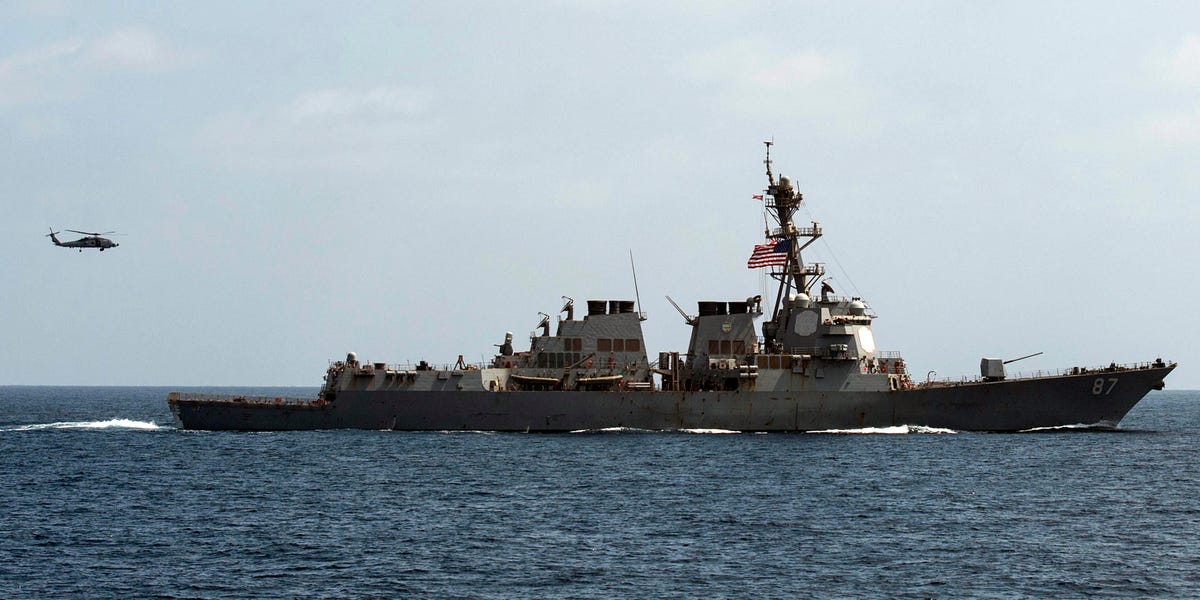
The USS Mason, a US Navy warship, successfully thwarted a pirate hijacking attempt on the commercial tanker M/V Central Park in the Gulf of Aden, capturing the pirates and rescuing the crew. During the operation, the Mason faced an unprecedented threat from anti-ship ballistic missiles, marking the first combat use of such weapons. The incident highlighted the increasing dangers in the region and validated the Navy's preparedness for future threats.
U.S. Defense Secretary Lloyd Austin has extended the deployment of the USS Dwight D. Eisenhower and its strike group in the Red Sea for another month due to ongoing Houthi attacks. The decision underscores the importance of the carrier group's role in protecting commercial and military vessels in the region, which is a critical transit route for global trade. The extension means the sailors will not return home until mid-summer, continuing their operations against the Iranian-backed Houthis in Yemen.
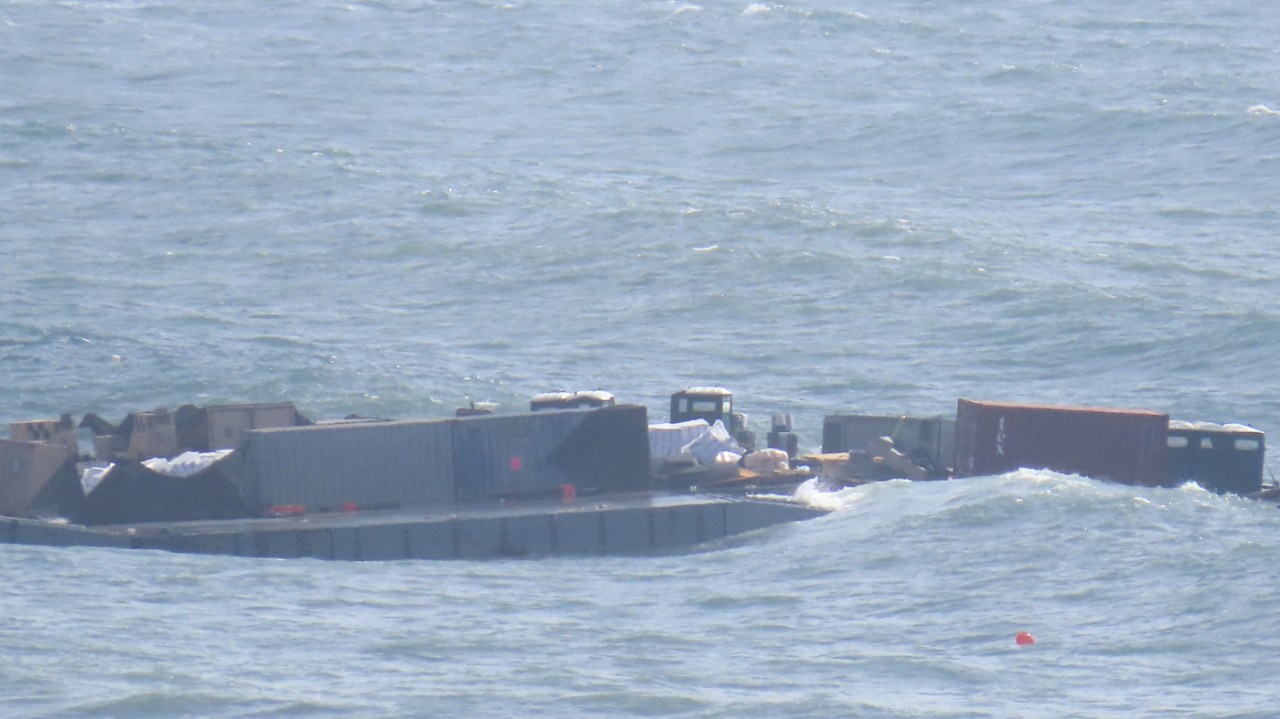
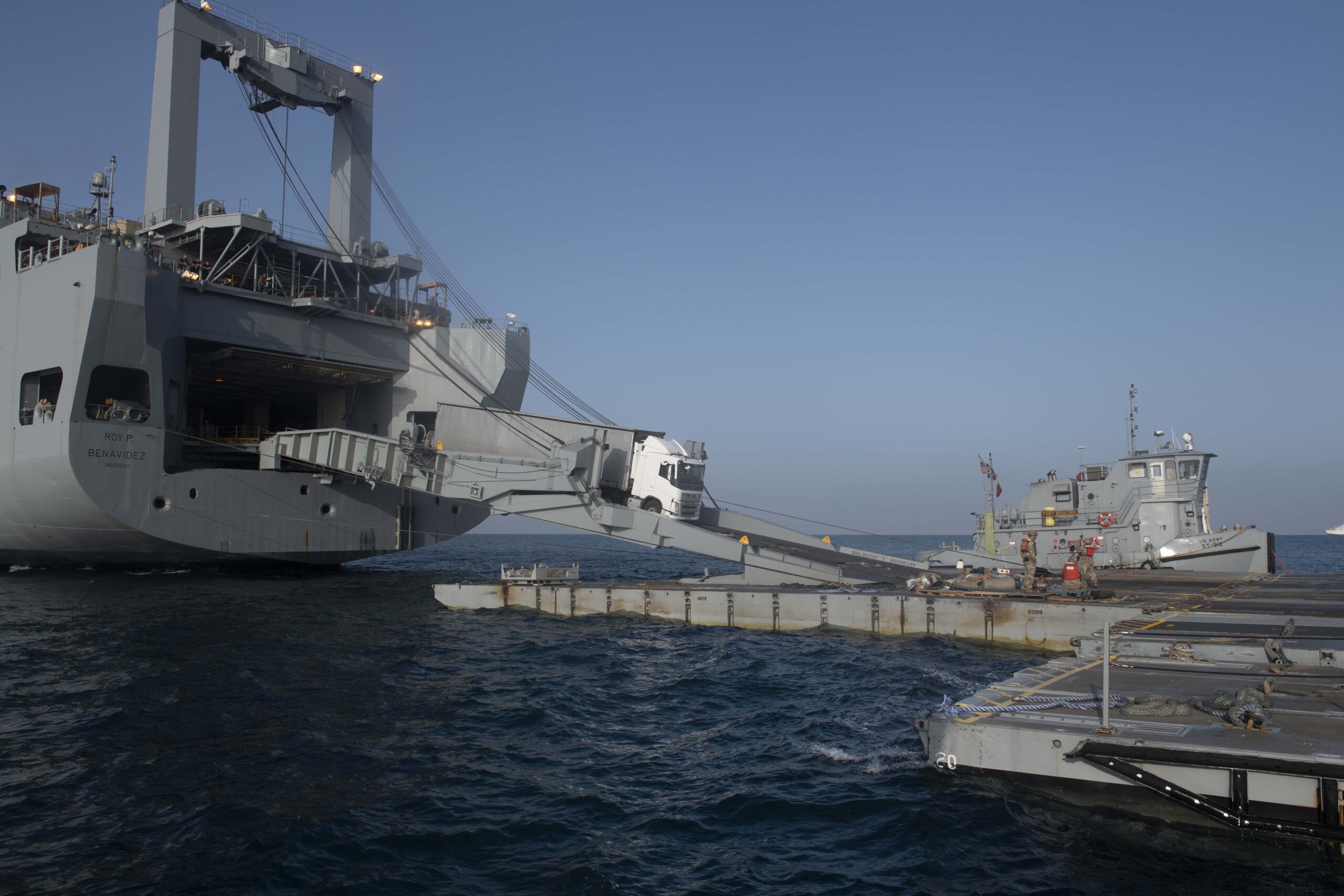
The U.S. Army's $320 million floating pier in Gaza, intended to expedite humanitarian aid, was rendered largely inoperative due to severe weather, highlighting the military's inadequate preparation for environmental hazards. This incident, along with other recent weather-related military mishaps, underscores the urgent need for the Department of Defense to focus on climate resilience and adaptation rather than solely on climate change mitigation.
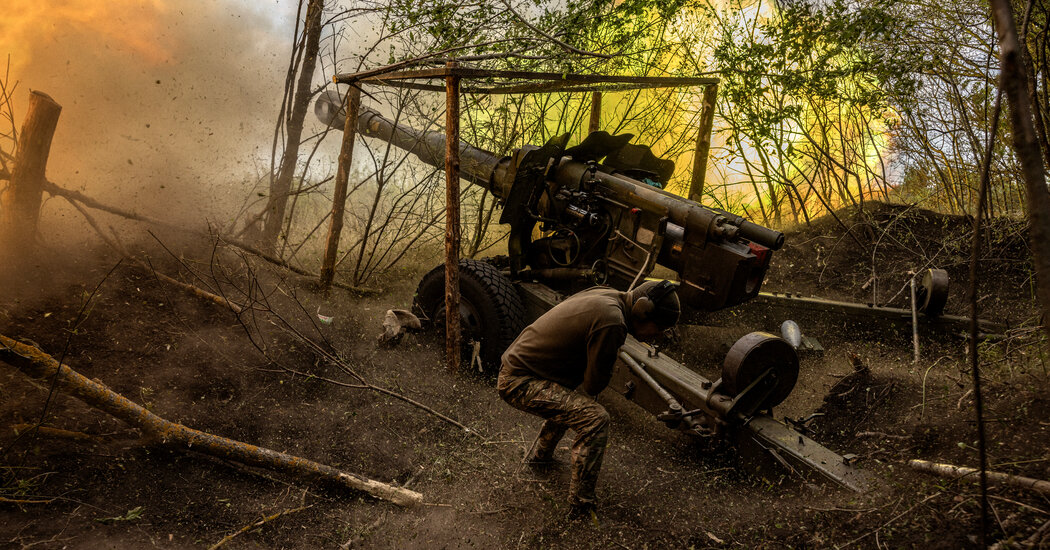
Some U.S. precision-guided weapons supplied to Ukraine have become ineffective due to Russian electronic jamming, leading to battlefield setbacks and prompting Ukrainian forces to stop using them. The Excalibur artillery shell and Ground Launched Small Diameter Bomb are specifically affected, highlighting the challenges of deploying advanced weaponry against a high-tech adversary like Russia.
A U.S. soldier was critically injured and two others sustained minor injuries during a humanitarian aid operation off the coast of Gaza. The operation, involving U.S. Army and Navy personnel, aims to deliver aid to Palestinians in Gaza through a maritime corridor. Despite challenges, including a nearby Hamas drone attack, over a million pounds of aid have been delivered. The injured soldier is receiving care in Israel, while the other two have returned to duty.
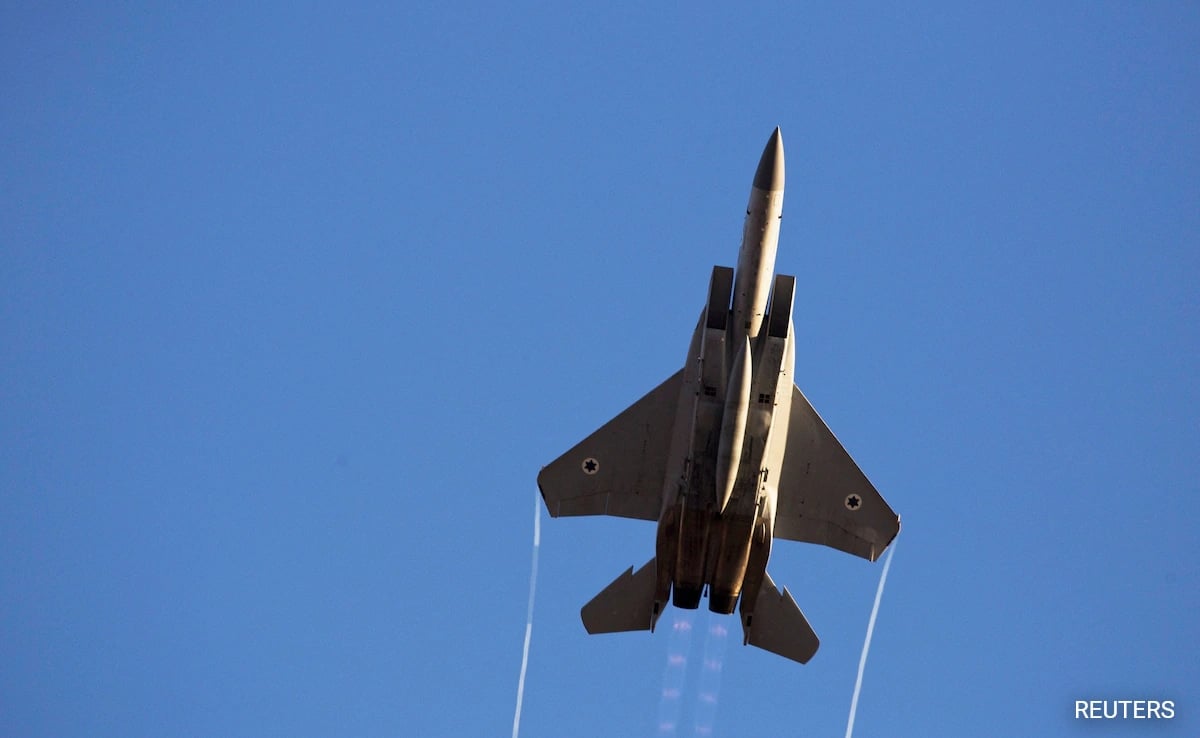
Iran's air force is relatively weak due to international sanctions, with a small number of working strike aircraft and a reliance on outdated jets, but it has a significant arsenal of surface-to-surface missiles and pilotless drones. In contrast, Israel boasts an advanced air force with F-15, F-16, and F-35 jet fighters, as well as a pioneer in drone technology. Israel also has a multi-layer aerial defense system developed with US help, including the Arrow-3, Arrow-2, David's Sling, and Iron Dome, providing multiple options for shooting down long-range Iranian drones and missiles.
A House panel is pushing for the US Navy to buy two attack submarines in fiscal 2025, despite the Navy requesting just one. The Navy argues that advanced procurement funds and investments in the submarine-industrial base can compensate for the lack of a second submarine, but lawmakers, led by Rep. Joe Courtney, disagree, emphasizing the need for a consistent demand signal for orders and business. They argue that the industrial base is recovering and expanding, with increased hiring and construction rates, and advocate for continuous procurement at a rate of two submarines per year to support the submarine-industrial base's momentum.
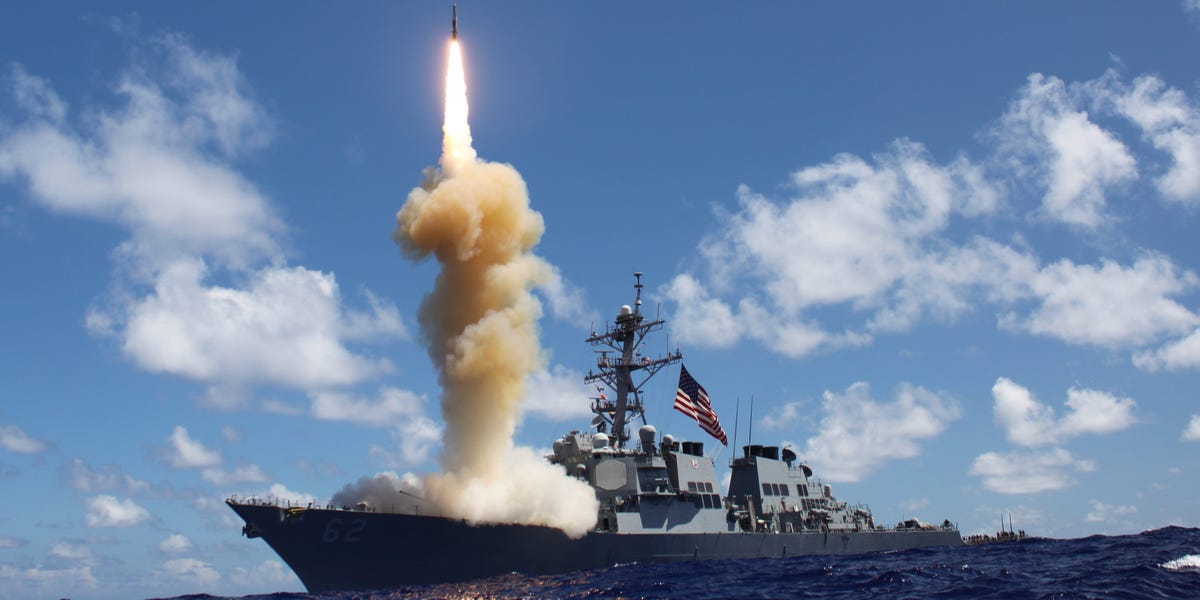
The US Navy used the SM-3 missile interceptor for the first time in combat to defend Israel from an Iranian attack, with Secretary of the Navy Carlos Del Toro confirming its use during a Senate hearing. The SM-3, part of the Navy's Aegis Combat System, was employed to engage Iranian ballistic missiles, marking its first combat use despite being fielded nearly 20 years ago. Additionally, Israel's Arrow 3 missile defense system was also utilized to intercept Iranian threats, with both the US and Israel successfully countering the unprecedented barrage of missiles and drones launched by Iran and its proxies.
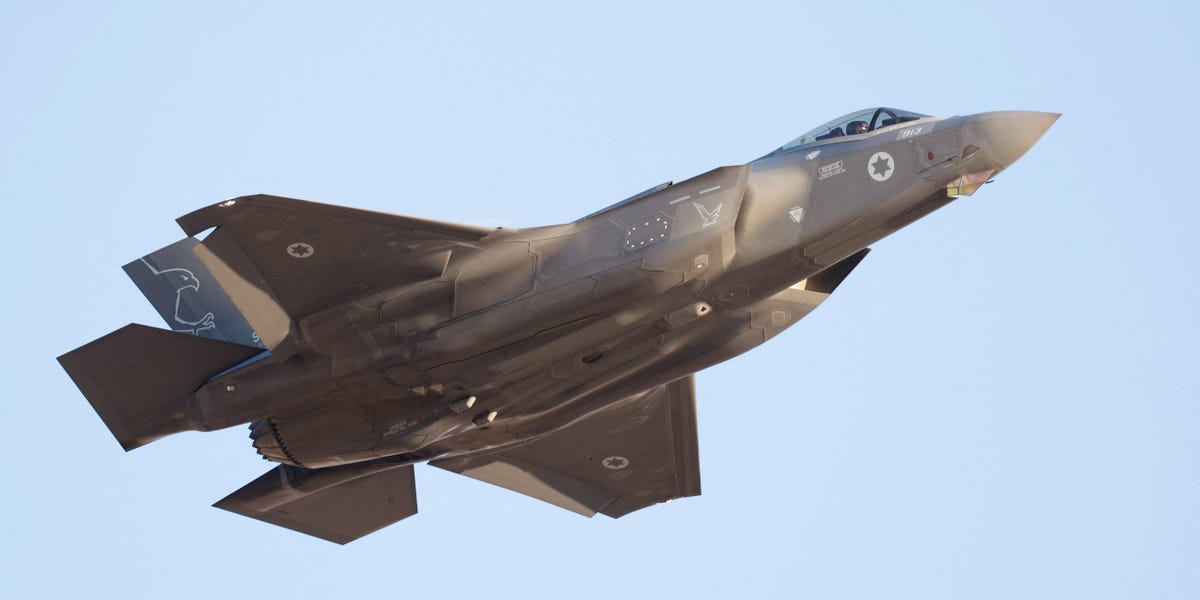
Israel's F-35I Adir stealth fighter jets, housed at Nevatim Airbase, successfully defended against Iranian missiles with military assistance from allies including the US, the UK, Jordan, and France. The F-35I, a variant of the US-made Lockheed Martin Lightning II Joint Strike Fighter, is known for its advanced stealth and information-processing capabilities, and can reach supersonic speeds of Mach 1.6.
The Israeli Navy intercepted a drone entering Israeli airspace from the Red Sea using the "Naval Dome" system, with the target initially detected by Israel Air Force and naval units. British security firm Ambrey reported that the drone was assessed to have been launched from Yemen, and observed unprecedented levels of Automatic Identification Systems interference off Eilat and neighboring Aqaba, Jordan, due to electronic warfare counter-measures. This interception comes amid ongoing tensions with Iran-backed Houthis in Yemen and their support for Hamas, with Eilat being a frequent target for such launches.