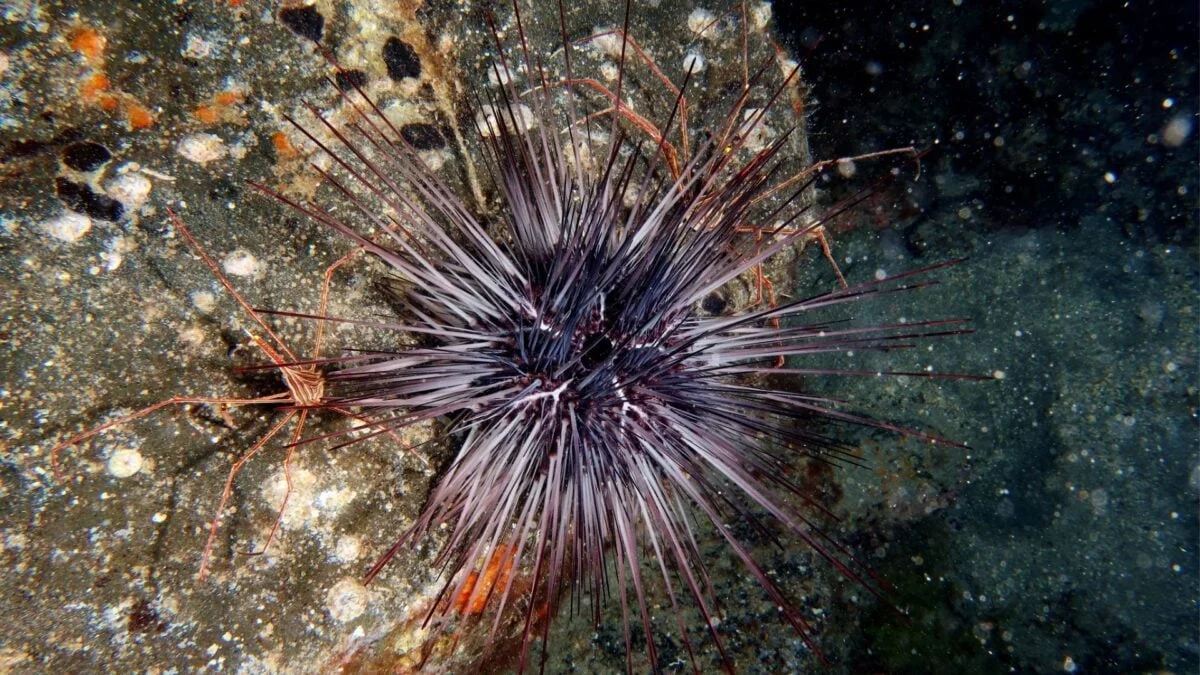
Tag

Sea Urchins

All articles tagged with #sea urchins

environment5 months ago

Sea Stars' Role in Kelp Forest Conservation and Recovery

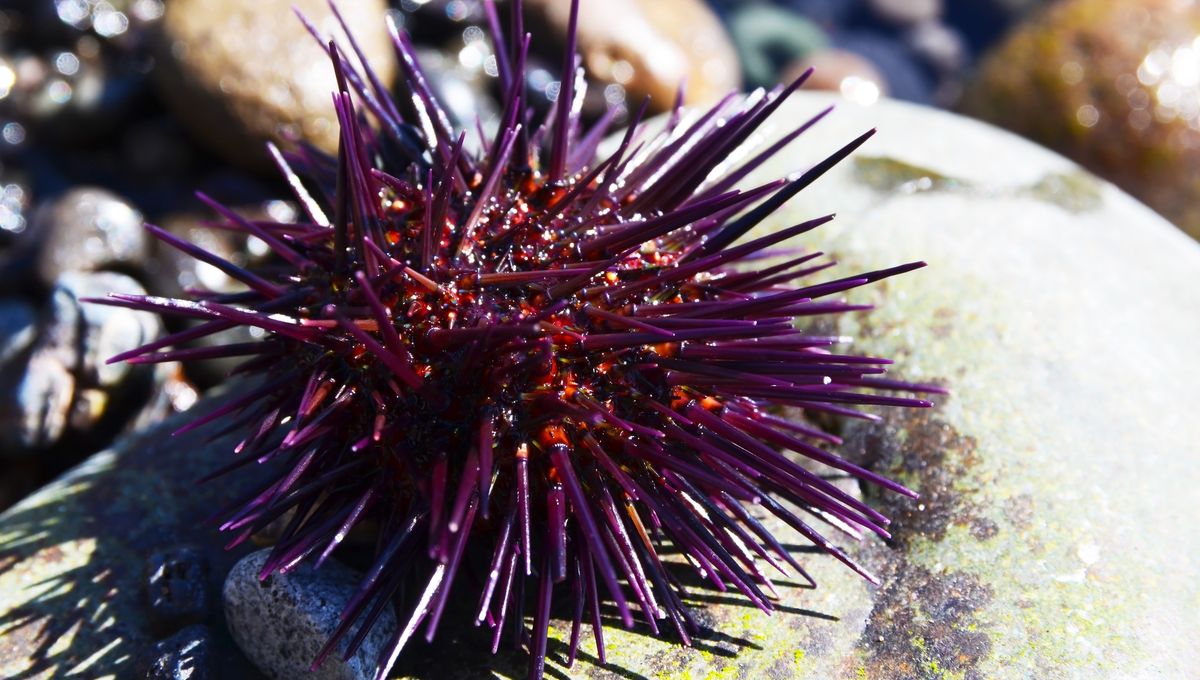
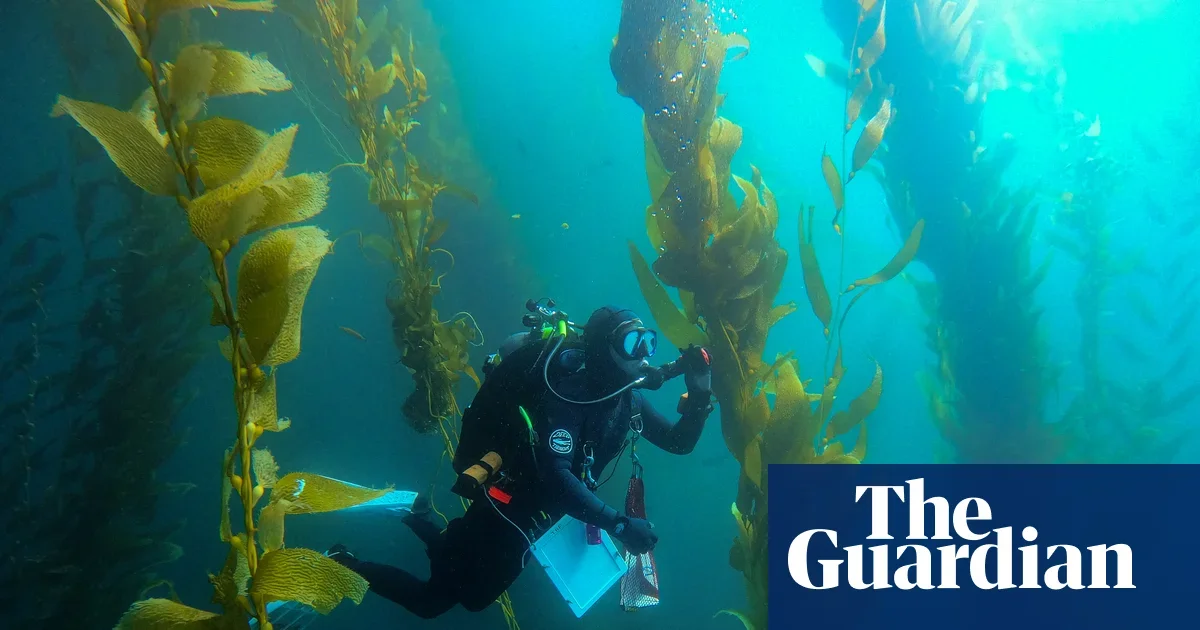
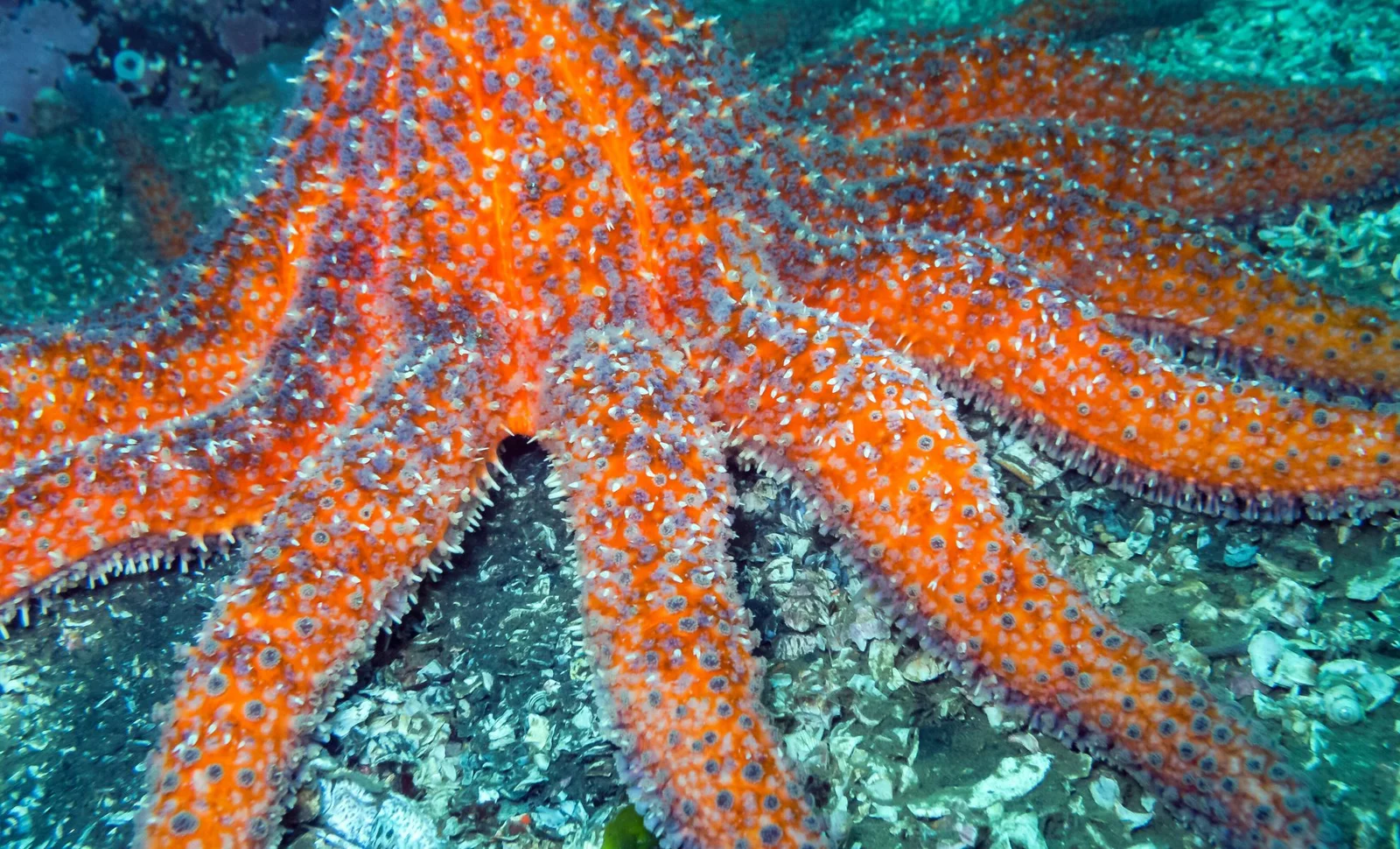
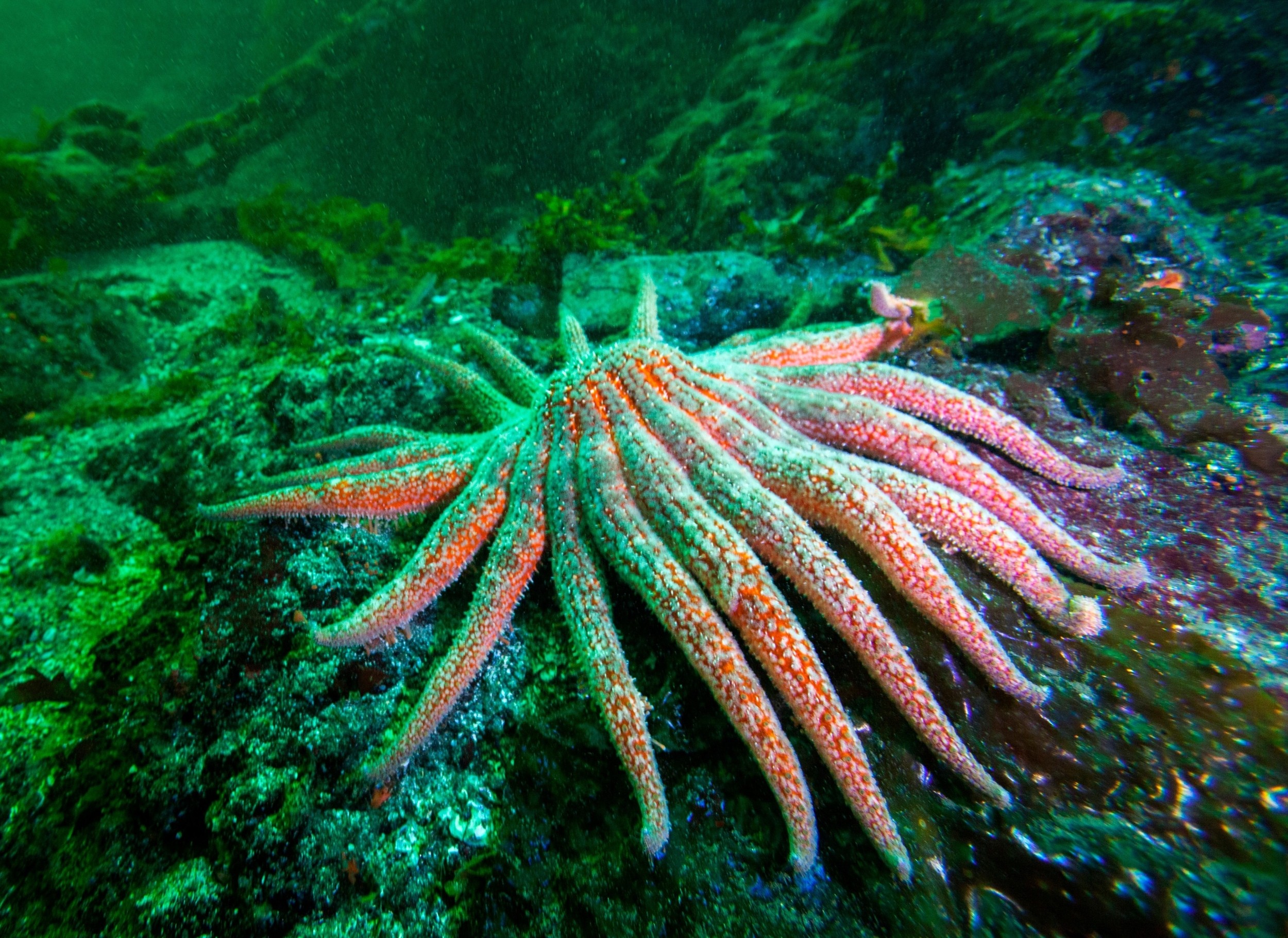
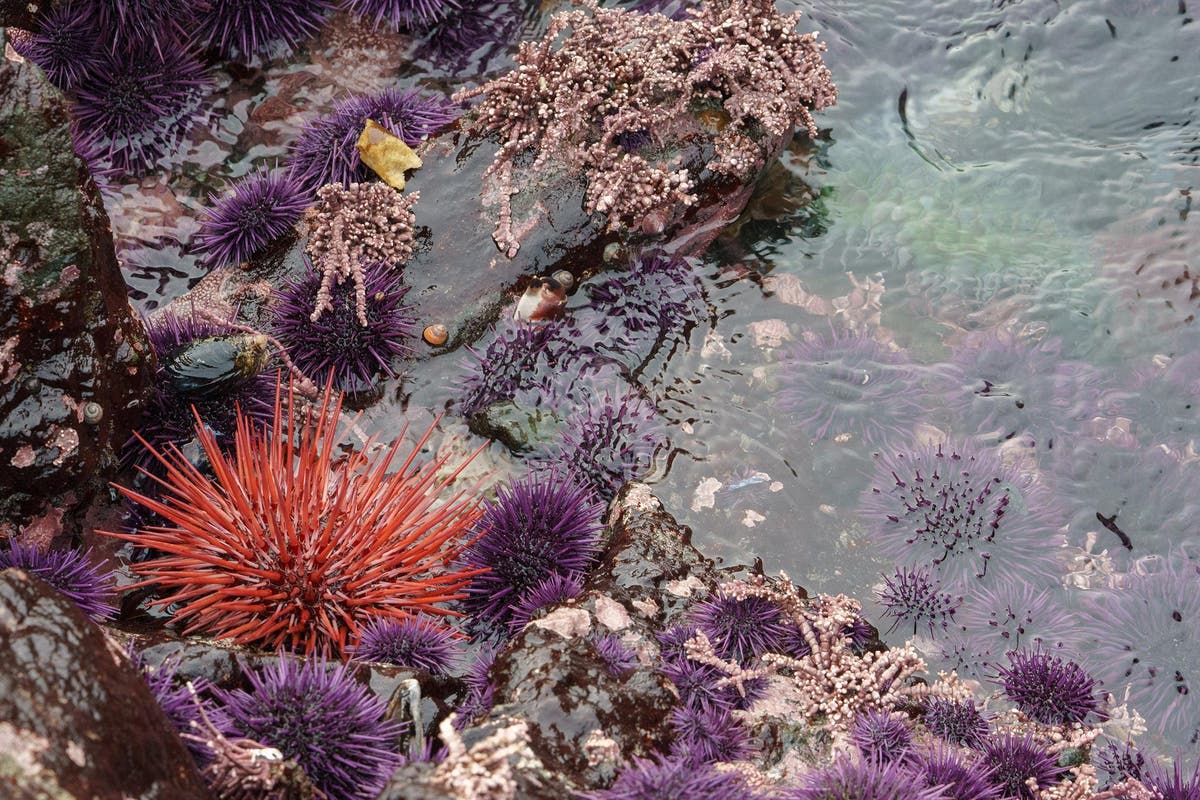
Scientists have discovered that sunflower sea stars could help restore damaged kelp forests by deterring sea urchins that overgraze these vital ecosystems, offering a natural solution to environmental degradation. Field experiments show that the presence of sea stars causes red sea urchins to avoid kelp, potentially aiding in ecosystem recovery, though further research is needed to confirm long-term effects and impact on purple sea urchins.

environment5 months ago

Sea Stars as Guardians of Kelp Forest Revival

A study by UC Santa Cruz researchers found that sunflower sea stars deter red sea urchins from grazing on kelp, creating a 'landscape of fear' that could aid in kelp forest recovery, especially after sea star populations declined due to disease. The research suggests that reintroducing sea stars might be a less labor-intensive method to control urchin populations and restore kelp ecosystems, which are vital for marine biodiversity and the economy.

science-and-technology1 year ago

Scripps Scientists Achieve Transgenic Sea Urchin Breakthrough

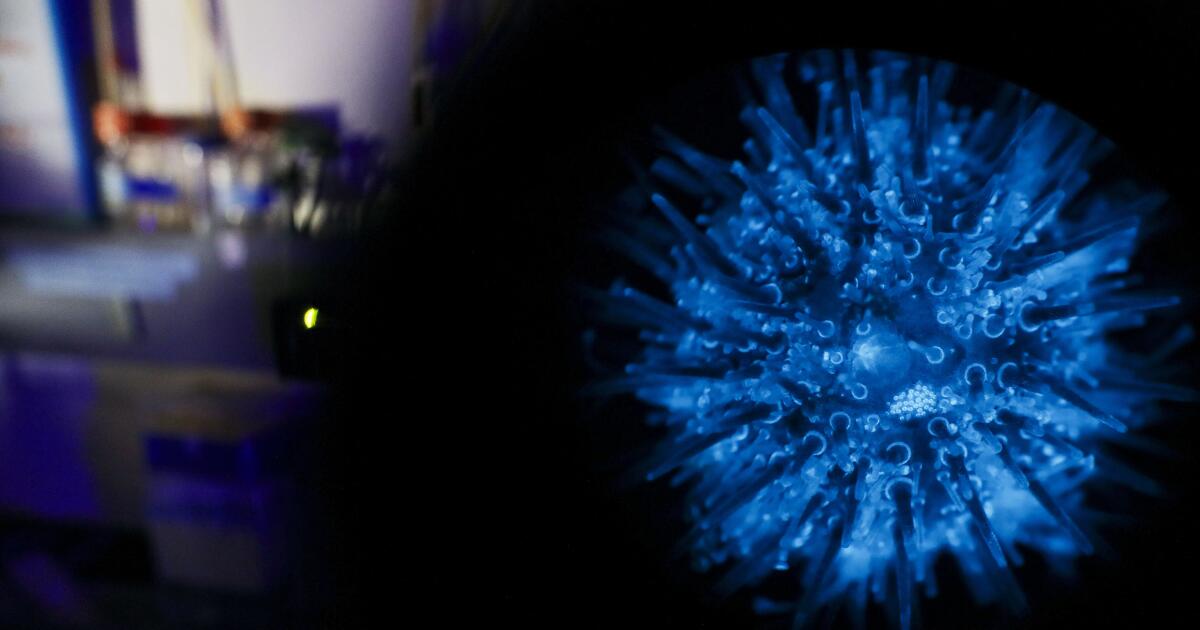
Scientists at UC San Diego's Scripps Institution of Oceanography have successfully created the first transgenic sea urchins, which glow under fluorescent light due to the insertion of jellyfish DNA. This breakthrough allows for easier genetic modification and study of sea urchins, potentially transforming them into a widely accessible model organism for research in neurobiology, developmental biology, and toxicology. The goal is to make these genetically modified urchins available to researchers globally, similar to how transgenic mice and fruit flies are used in labs.

environment2 years ago

"The Theatrical Talents of Sea Urchins: Masters of Method Acting in The Waste Land"

Sea urchins have wreaked havoc on California's kelp forests, destroying them over a span of seven years. A combination of a marine heatwave and the disappearance of their main predator, sunflower sea stars, allowed the sea urchin population to explode. These sea urchins have entered a zombie-like state, containing very little edible meat, and are now dormant, waiting for any kelp sprout to emerge so they can devour it before other urchins can. They are described as method actors performing "The Waste Land," and their destructive behavior has had a significant impact on the marine ecosystem.

environment2 years ago

Sea Urchin Die-Off Threatens Coral Reefs in Israeli Gulf

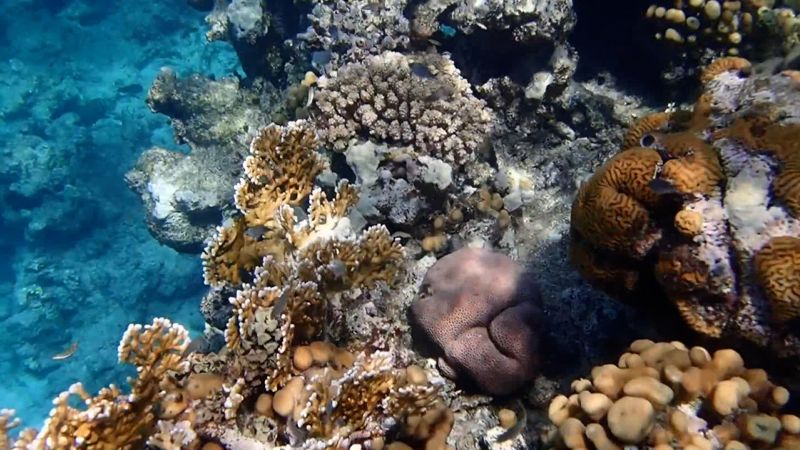
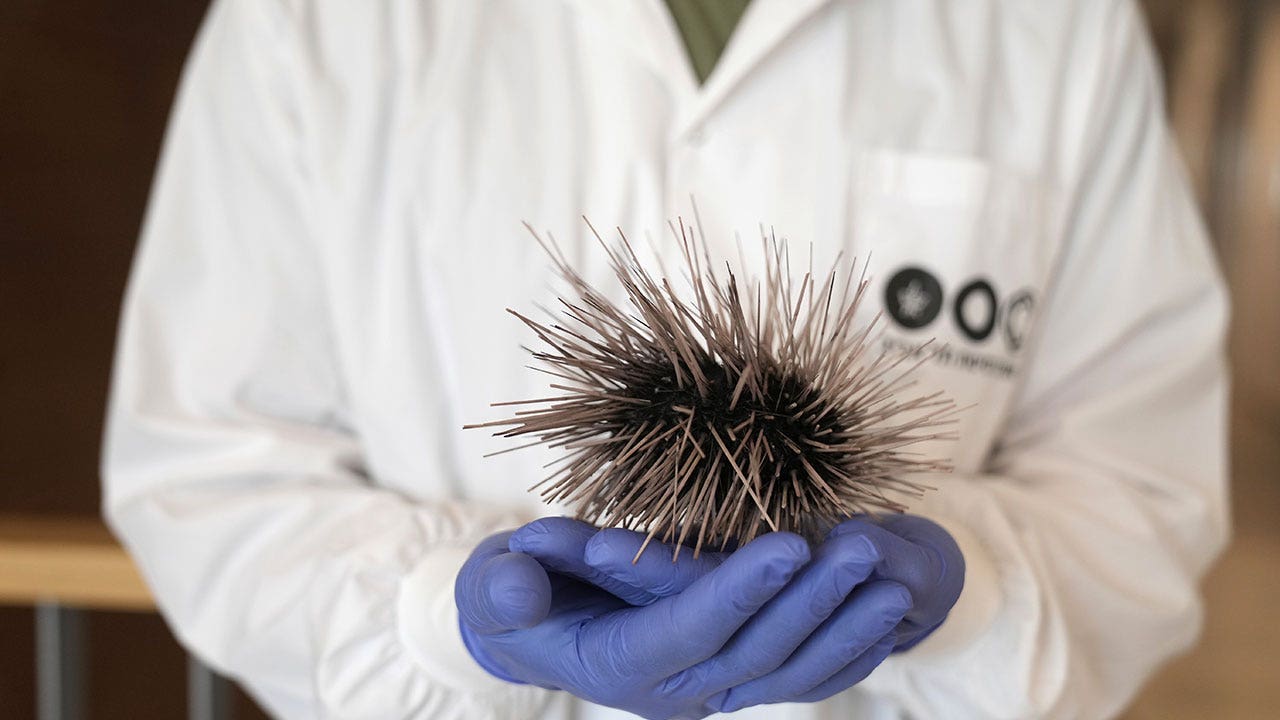
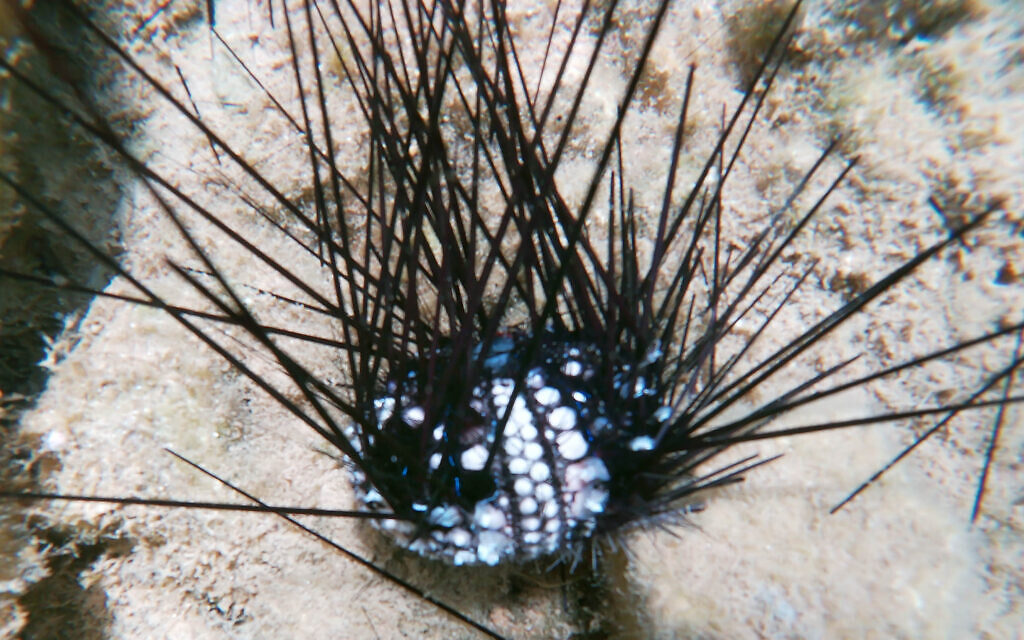
Sea urchins are dying off at an alarming rate in Israel's Gulf of Eilat due to an unknown pathogen, which threatens the Red Sea's prized coral reef ecosystems. The black sea urchin is critical to maintaining a healthy reef habitat, and without them, algae grow unchecked, choking off corals and compromising the delicate balance of the reef ecosystem. Researchers suspect a similar pathogen might also be responsible for killing sea urchins in the Mediterranean and the Red Sea, and have called for urgent action to protect already endangered reef ecosystems.

environment2 years ago

Coral at risk as Red Sea epidemic decimates sea urchins.

An epidemic spreading through the Red Sea has killed off an entire species of sea urchin in the Gulf of Aqaba, imperilling the region's uniquely resilient coral reefs. The probable culprit is a disease-causing ciliate parasite that brings with it a fast death. Sea urchins play an important role in maintaining balance by feeding on algae that would otherwise block sunshine and smother the reefs. The researchers suggest creating an isolated population of the remaining sea urchins that could hopefully be reintroduced later on.

environment2 years ago

Mass sea urchin die-off endangers Red Sea corals, say Israeli researchers.

Sea urchins in Israel's Gulf of Eilat are dying off due to an unknown pathogen, which is threatening the Red Sea's coral reef ecosystems. The black sea urchin is critical to maintaining a healthy reef habitat, and without them, algae grow unchecked, choking off corals and compromising the delicate balance of the reef ecosystem. Researchers suspect a "rapidly spreading epidemic" caused by an as-yet-unidentified pathogen. Urgent action is needed to protect Israel's already endangered reef ecosystems.

environment2 years ago

Eilat Bay's Urchins Extinct, Coral Reefs Threatened by Algae.

The entire population of black sea urchins in Eilat Bay has been wiped out by a suspected pathogenic parasite, which could cause irreversible damage to the coral reefs. Sea urchins play a critical role in preventing algae from suffocating corals. Reports of mass die-offs have also come from other Red Sea countries. Urgent steps are being considered to save the coral reefs, including the establishment of a black sea urchin breeding program. The vulnerability and sensitivity of Eilat Bay's ecosystem to environmental changes are being highlighted, and all bodies that deal with the bay are being called upon to discuss how to restrict the flow of nutrients into the sea.

environment2 years ago

Coral at risk as Red Sea epidemic decimates sea urchins.

A deadly epidemic caused by a ciliate parasite is spreading through the Red Sea, killing off an entire species of sea urchin in the Gulf of Aqaba, which is known for helping keep coral reefs healthy. The epidemic has also caused mass mortality in other countries in the region, including Jordan, Egypt, and Saudi Arabia. The sea urchins play an important role in maintaining balance by feeding on algae that would otherwise block sunshine and smother the reefs. The epidemic imperils the region's uniquely resilient coral reefs, and there is nothing that can be done to stop it at the moment.

environment2 years ago

Sea Urchin Die-Off Endangers Eilat Coral Reef in Red Sea

The mass mortality of sea urchins, particularly black sea urchins, in the Mediterranean Sea has spread to the Gulf of Eilat, threatening to destroy the coral reef. Sea urchins are essential for coral reefs' healthy functioning, as they eat large amounts of plant materials, ensuring a balance that allows the corals to thrive against the algae. The pathology observed in the sea urchins dying in Greece and Turkey is identical to the pathology in the Caribbean, and it's also the pathology seen in the sea urchins dying in the Red Sea. The cause of mortality is a pathogenic ciliate parasite, and the team has submitted their report and recommendations for emergency steps to save the coral reefs to the Nature and Parks Authority.