Tag

Science And Paleontology

All articles tagged with #science and paleontology

"Man Discovers Nearly Intact 70 Million-Year-Old Dinosaur Skeleton While Walking His Dog"
science-and-paleontology2 years ago

"Man Discovers Nearly Intact 70 Million-Year-Old Dinosaur Skeleton While Walking His Dog"

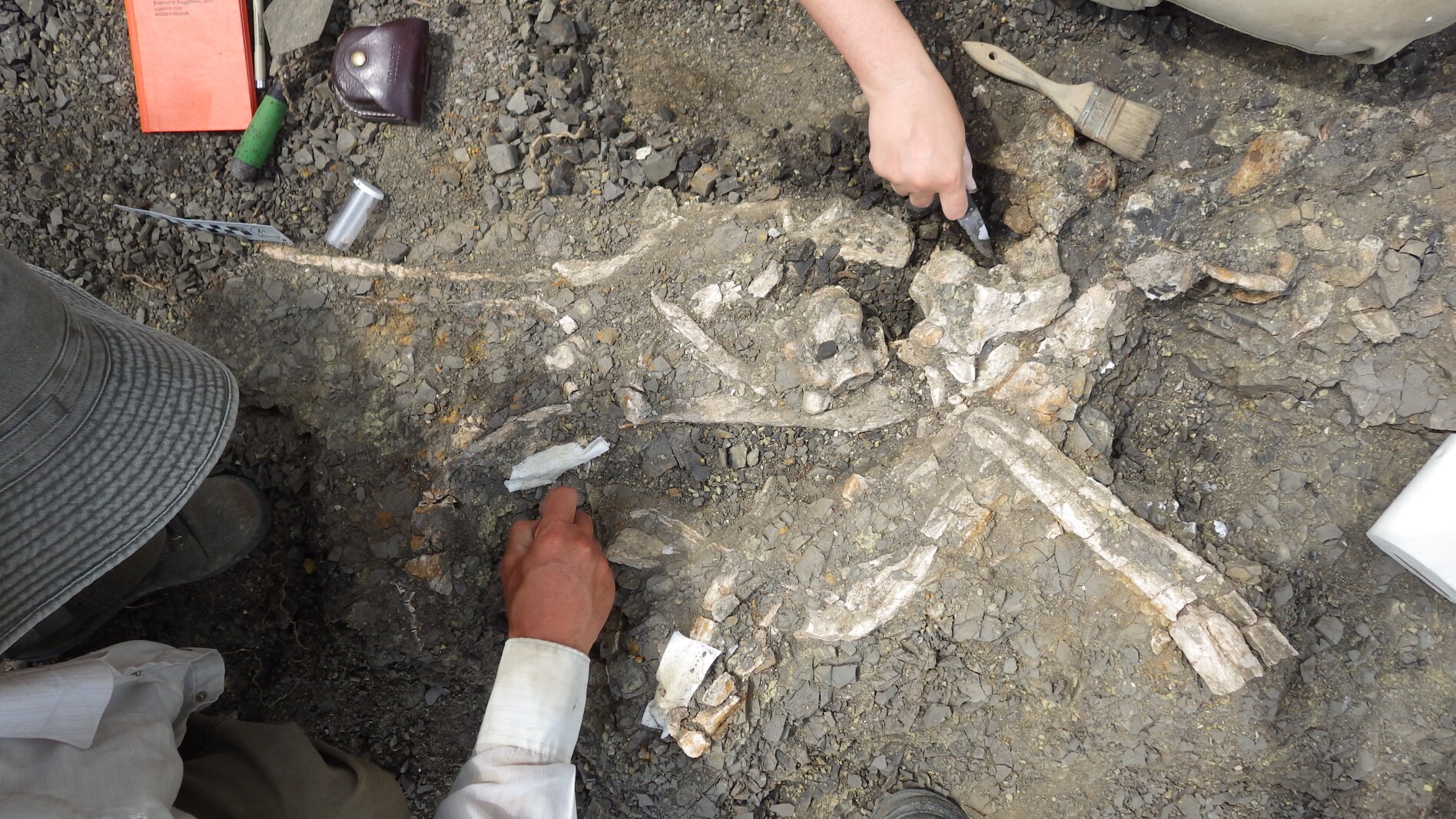
Amateur paleontologist Damien Boschetto stumbled upon a 32.8-foot Titanosaur skeleton while walking his dog in a forest in southern France, astonishing researchers with its almost original anatomical position. The find, including connecting tissues, is a rare discovery of a largely intact Titanosaur, and experts are still determining its exact species. The area where the discovery was made is a bone bed, teeming with animal bones and fossils, including remains of other dinosaurs. Boschetto's find has led him to pursue a master's degree in paleontology, leaving his job to delve further into his passion for prehistoric creatures.
"Dog Walker Discovers 70 Million-Year-Old Dinosaur Skeleton in Secret Find"
science-and-paleontology2 years ago

"Dog Walker Discovers 70 Million-Year-Old Dinosaur Skeleton in Secret Find"

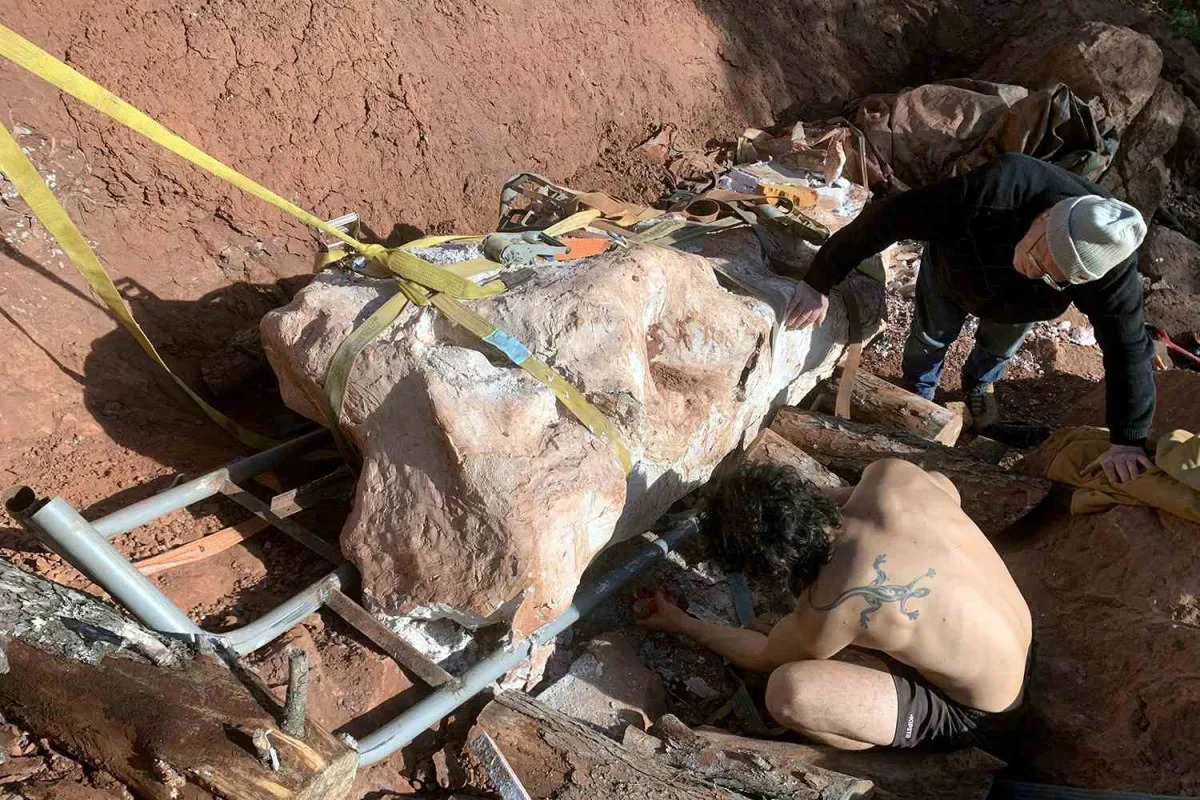
A man in France found a nearly intact skeleton of a 70-million-year-old titanosaur while walking his dog in May 2022, but kept the discovery a secret for two years to protect the excavation site from pillagers and onlookers. Damien Boschetto, 25, and the Archaeological and Paleontological Cultural Association worked to unearth the 30-foot-long fossil, which is now on display at the Cruzy Museum. Boschetto, who left his job to pursue a master’s degree in paleontology, described finding the fossil in its original anatomical position as exciting and interesting for scientific research.

"Secret Keeper: Man Hides 70-Million-Year-Old Dinosaur Fossil for 2 Years"
science-and-paleontology2 years ago

"Secret Keeper: Man Hides 70-Million-Year-Old Dinosaur Fossil for 2 Years"

A man in France stumbled upon a 70-million-year-old titanosaur fossil while walking his dog, but kept the discovery secret for two years to protect the site from vandals. The nearly 30-foot-long skeleton, nearly 70% complete, was found in Montouliers near Hérault, sparking a career change for the man who found it. The fossil will soon be displayed at the Cruzy Museum, and the man has since quit his job to pursue a master's degree in paleontology.

"Secret Keeper: Man Hides 70-Million-Year-Old Dinosaur Fossil for 2 Years"
science-and-paleontology2 years ago

"Secret Keeper: Man Hides 70-Million-Year-Old Dinosaur Fossil for 2 Years"

A man in France stumbled upon a 70-million-year-old titanosaur fossil while walking his dog, but kept the discovery secret for two years to protect the site from vandals. The nearly 70% complete skeleton sparked a career change for the man, Damien Boschetto, who found it, leading him to pursue a master's degree in paleontology. The fossil will soon be displayed at the Cruzy Museum, and Boschetto's volunteering there has been valuable for its paleontology department.

"200 Years Later: Unveiling New Discoveries About the First Dinosaur"
science-and-paleontology2 years ago

"200 Years Later: Unveiling New Discoveries About the First Dinosaur"

The first dinosaur, Megalosaurus, was named 200 years ago by English naturalist William Buckland, sparking a fascination with dinosaurs. Since then, dinosaur science has flourished, providing insights into their appearance, behavior, evolution, and eventual extinction. Significant discoveries have reshaped our understanding of dinosaurs, including their link to birds, feathered appearance, and the impact of a killer asteroid. Ongoing research continues to reveal new species and refine our knowledge of these ancient creatures.

Rare 115-million-year-old fossil found in fallen boulder
science-and-paleontology2 years ago

Rare 115-million-year-old fossil found in fallen boulder

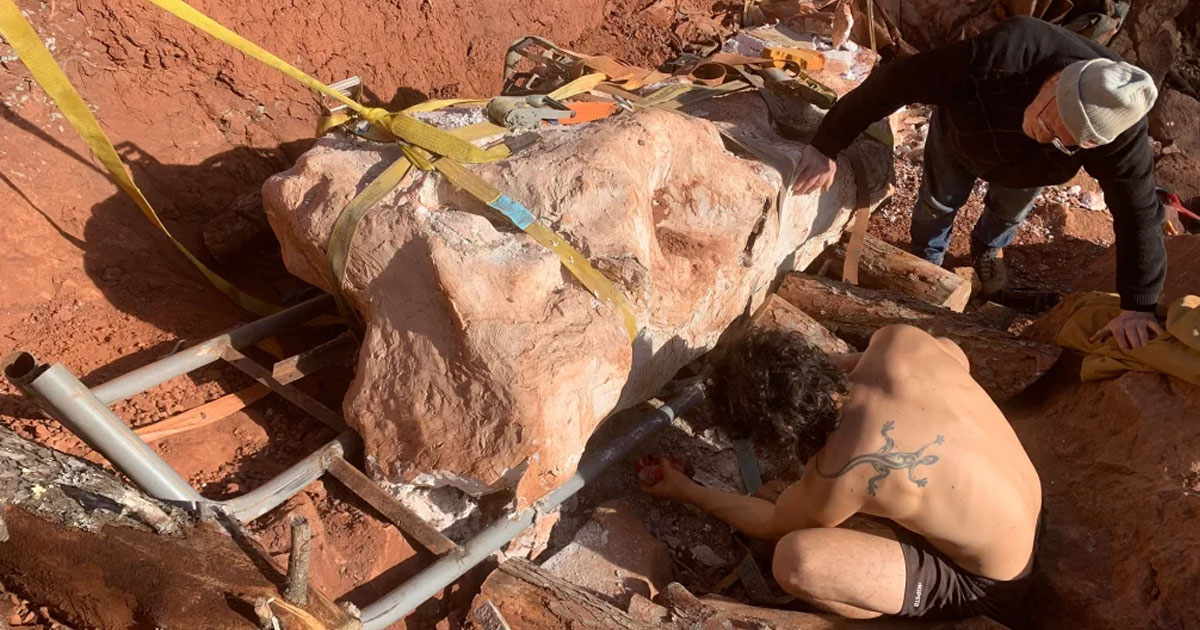
Fossil hunter Jack Wonfor discovered a 115-million-year-old epicheloniceras ammonite, weighing at least 24 stone, on the Isle of Wight. It took a week's worth of efforts to transport the enormous shelled creature back to his car. Wonfor, who has been fossil-hunting since childhood, considers it his best find and plans to donate it to the Dinosaur Isle Museum after removing the surrounding rock.

"Discovery of New Aquatic Predator: Walhalla Dinosaur Fossil Unveils Ancient Species"
science-and-paleontology2 years ago

"Discovery of New Aquatic Predator: Walhalla Dinosaur Fossil Unveils Ancient Species"

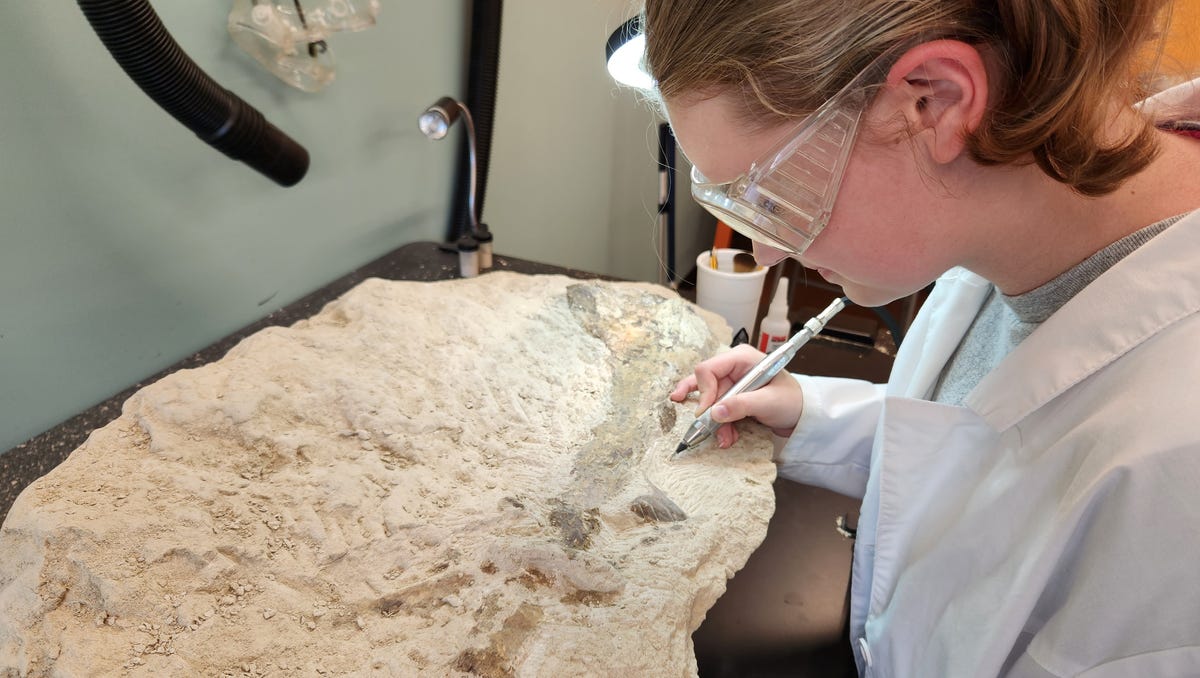
Researchers have discovered a new genus and species of mosasaur, an ancient aquatic lizard, in the Pembina Gorge north of Walhalla, North Dakota. The fossil, named Jormungandr walhallaensis, is estimated to be around 80 million years old and is considered an evolutionary link between the genuses Clidastes and Mosasaurus. The discovery fills gaps in scientists' understanding of mosasaur evolution and highlights the importance of reporting fossil findings to preserve and learn more about our past.

"Philly Welcomes Back the Legendary Prehistoric Fish for an Unforgettable Show"
science-and-paleontology2 years ago

"Philly Welcomes Back the Legendary Prehistoric Fish for an Unforgettable Show"

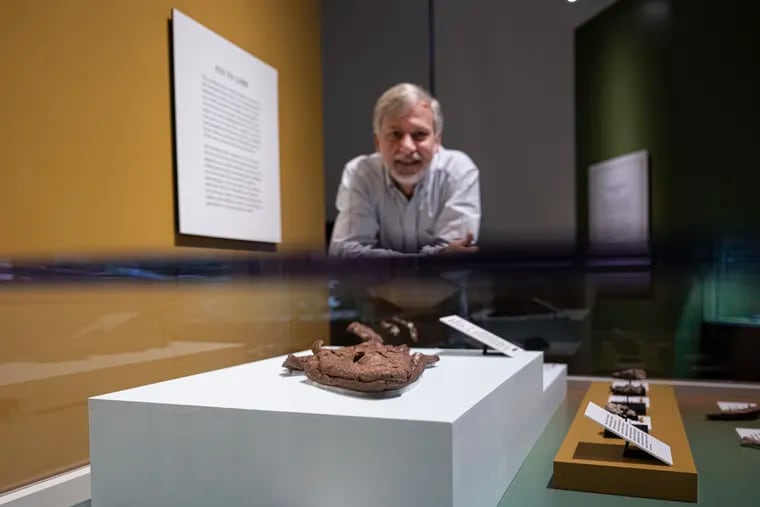
The famous prehistoric fish fossil, Tiktaalik roseae, discovered by paleontologists Ted Daeschler and Neil Shubin, returns to Philadelphia for a new exhibit at the Academy of Natural Sciences. The exhibit explores the significance of Tiktaalik's discovery and its impact on understanding the evolution of life on land. The exhibit also celebrates Daeschler's storied career as he retires from his position as curator and chair of Vertebrate Zoology. Tiktaalik, a 375-million-year-old carnivore, filled a critical gap in the fossil record and is considered one of the most important paleontological finds in decades.

"Hidden Fossil Treasure Unearthed Beneath Wastewater Pipe"
science-and-paleontology2 years ago

"Hidden Fossil Treasure Unearthed Beneath Wastewater Pipe"

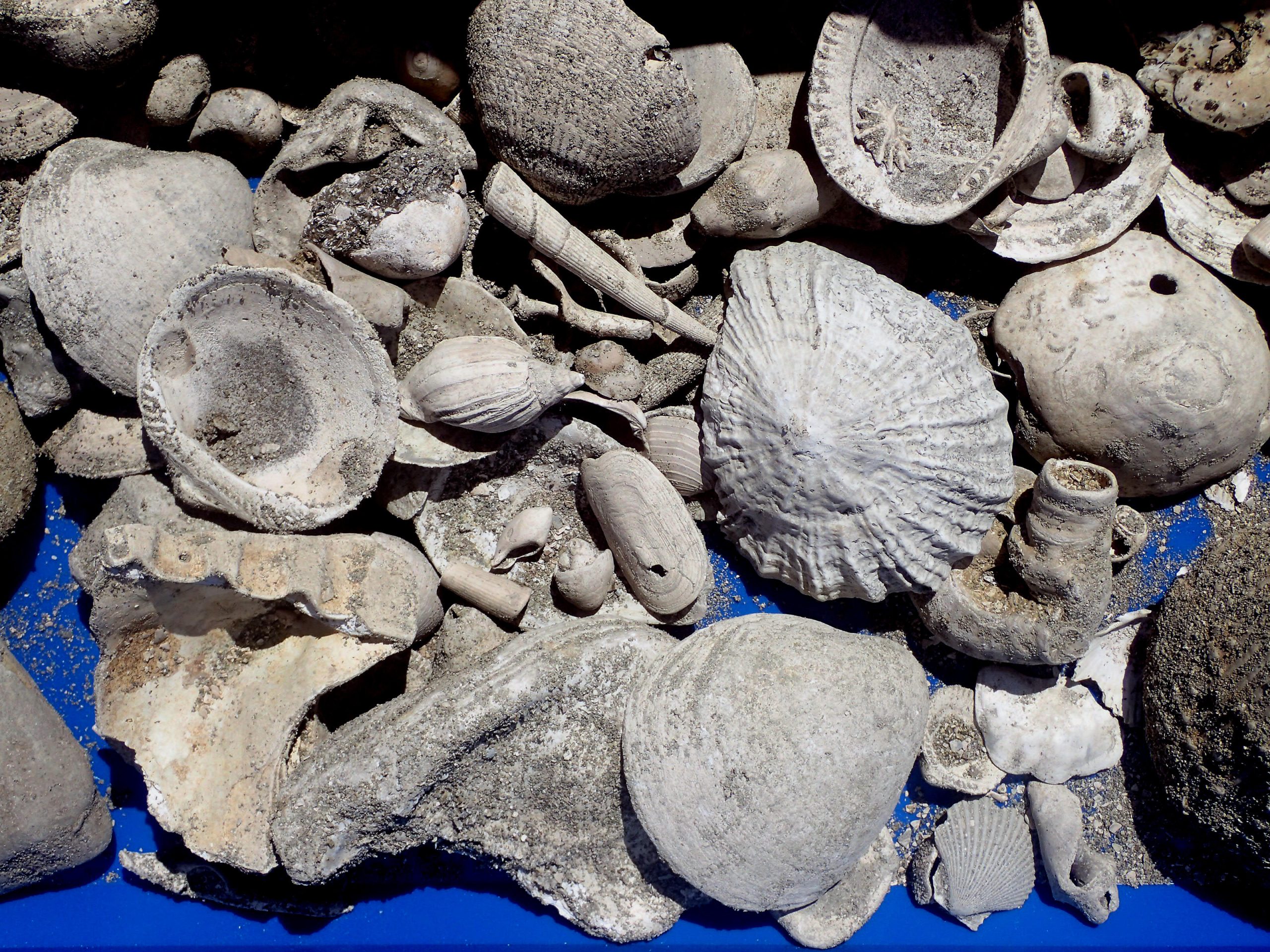
A 3-million-year-old fossil bed containing 266 species, including the world's oldest known flax snails, great white shark teeth, and an extinct sawshark spine, was discovered under the Mangere Wastewater Treatment Plant in Auckland, New Zealand. The excavation, which yielded over 300,000 fossils, provides valuable insights into the diverse ancient marine life and paleoenvironment of the region. At least ten previously unknown species were identified, and the findings have been published in the New Zealand Journal of Geology and Geophysics.

Unearthing Ancient Treasures: Fossil Hunting in Wyoming's Triceratops Gulch
science-and-paleontology2 years ago

Unearthing Ancient Treasures: Fossil Hunting in Wyoming's Triceratops Gulch

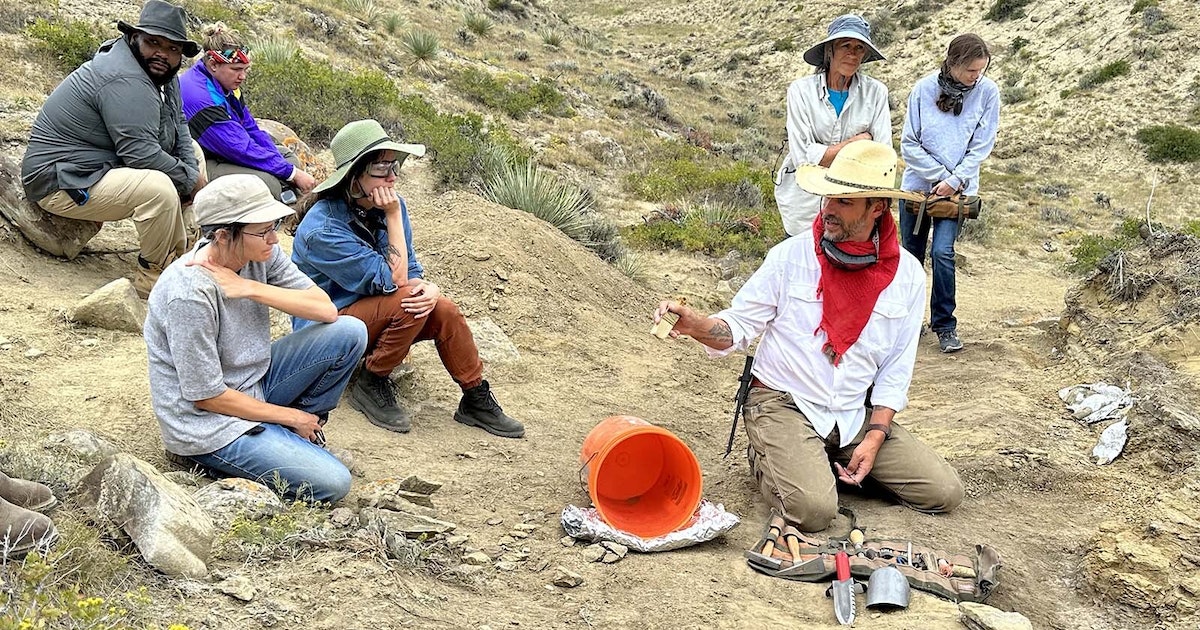
The Triceratops Gulch Project, a collaborative program between the Paleon Museum in Wyoming and the Morrison Natural History Museum in Colorado, offers summer field sessions for fossil hunting. Participants spend three days digging for fossils in the Lance Formation, which preserves the last days of the Age of Dinosaurs. The project has led to significant discoveries, including new fossils with scientific significance and the potential to change the interpretation of the Lance Formation. The ongoing research aims to increase scientific literacy and awareness of the scope of time and our position in the living world.

"Rare 'Barry' Dinosaur Skeleton Up for Auction in Paris"
science-and-paleontology2 years ago

"Rare 'Barry' Dinosaur Skeleton Up for Auction in Paris"

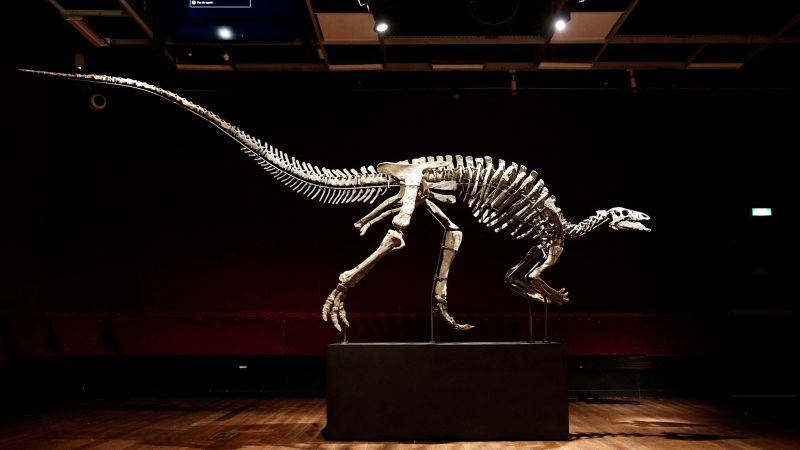
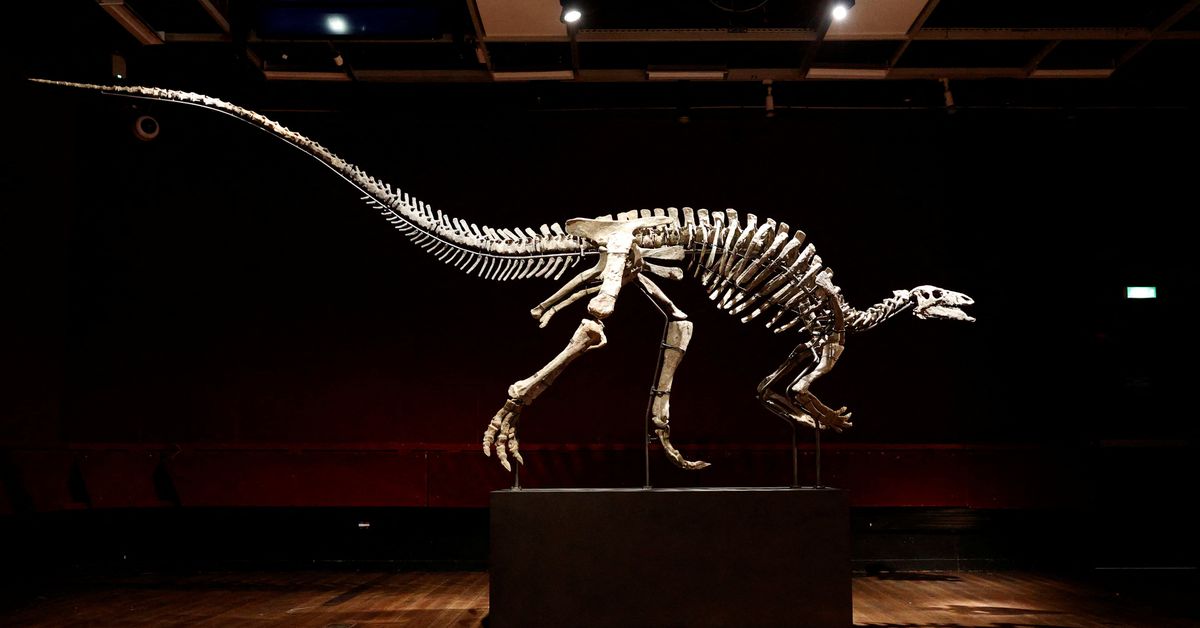
A well-preserved dinosaur skeleton, named Barry, is set to be auctioned in Paris next month. The Camptosaurus, dating back 150 million years, was discovered in Wyoming in the 1990s and has undergone restoration work by Italian laboratory Zoic. With a height of 2.1 meters and a length of 5 meters, the skeleton is considered rare due to its high level of preservation. Dinosaur specimens are infrequently sold on the art market, and the auction house expects Barry to fetch up to €1.2 million ($1.28 million) when it goes on sale on October 20.

Rare Dinosaur 'Barry' Up for Auction in Paris
science-and-paleontology2 years ago

Rare Dinosaur 'Barry' Up for Auction in Paris

A well-preserved dinosaur skeleton, named Barry, is set to be auctioned in Paris next month. The Camptosaurus skeleton, dating back 150 million years, was first discovered in Wyoming in the 1990s and has undergone restoration work. With its 90% complete skull and 80% complete skeleton, the rare specimen is expected to fetch up to 1.2 million euros ($1.28 million) at the auction.

Alabama Teen and Teacher Unearth 34-Million-Year-Old Whale Skull
science-and-paleontology2 years ago

Alabama Teen and Teacher Unearth 34-Million-Year-Old Whale Skull

A 16-year-old student in Alabama, Lindsey Stallworth, discovered a 34-million-year-old whale skull while collecting fossils on her family's farm. She brought her findings to her biology teacher, Drew Gentry, who confirmed the significance of the discovery. The team spent June and July excavating the remains, which are estimated to be from a smaller relative of Alabama's state fossil, Basilosarurus cetoides. The whale, approximately 20 feet long, could take three to four years to fully excavate.

Unearthing Ancient Giants: Denali National Park's Historic Dinosaur Discovery
science-and-paleontology2 years ago

Unearthing Ancient Giants: Denali National Park's Historic Dinosaur Discovery

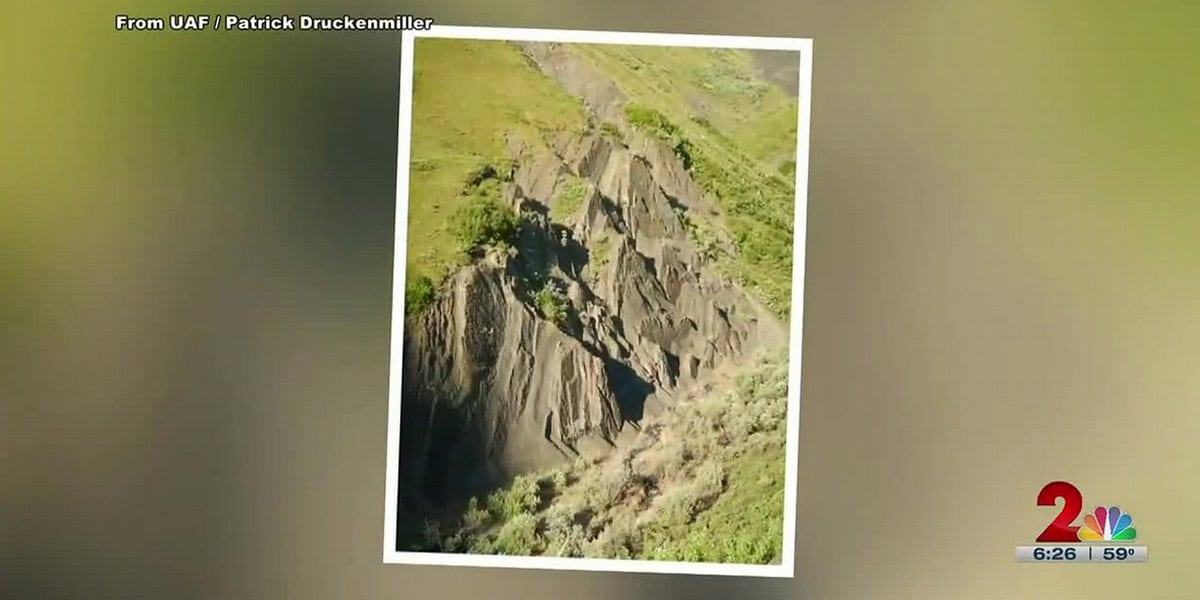
Researchers from the University of Alaska Fairbanks have discovered a significant dinosaur track site within Denali National Park and Preserve, featuring thousands of tracks spanning multiple species. The site, which is the largest single-track site ever recorded in Alaska, also contains fossilized plants, pollen grains, and evidence of freshwater shellfish and invertebrates, providing insights into the ancient environment. The exact location is being kept private to protect the site from vandalism and theft, but the researchers hope that people will explore for fossils while preserving the area for others to appreciate.

"Unlocking Early Earth and Mars: The Power of Little Rock Balls"
science-and-paleontology2 years ago

"Unlocking Early Earth and Mars: The Power of Little Rock Balls"

Princess Aira Buma-at, a geology graduate, explored the composition of diagenetic spheroids, small balls of rock, to uncover clues about early life on Earth during the Proterozoic eon. Her research suggests that the abundance of these spheroids increased following extreme Snowball Earth ice ages, possibly due to increased oxidative weathering. The findings also have implications for the possibility of extraterrestrial life on Mars, as nodules and concretions similar to diagenetic spheroids have been found on the planet. Buma-at, who grew up in the Philippines, aims to contribute to paleontology despite the underrepresentation of Filipinos in the field.