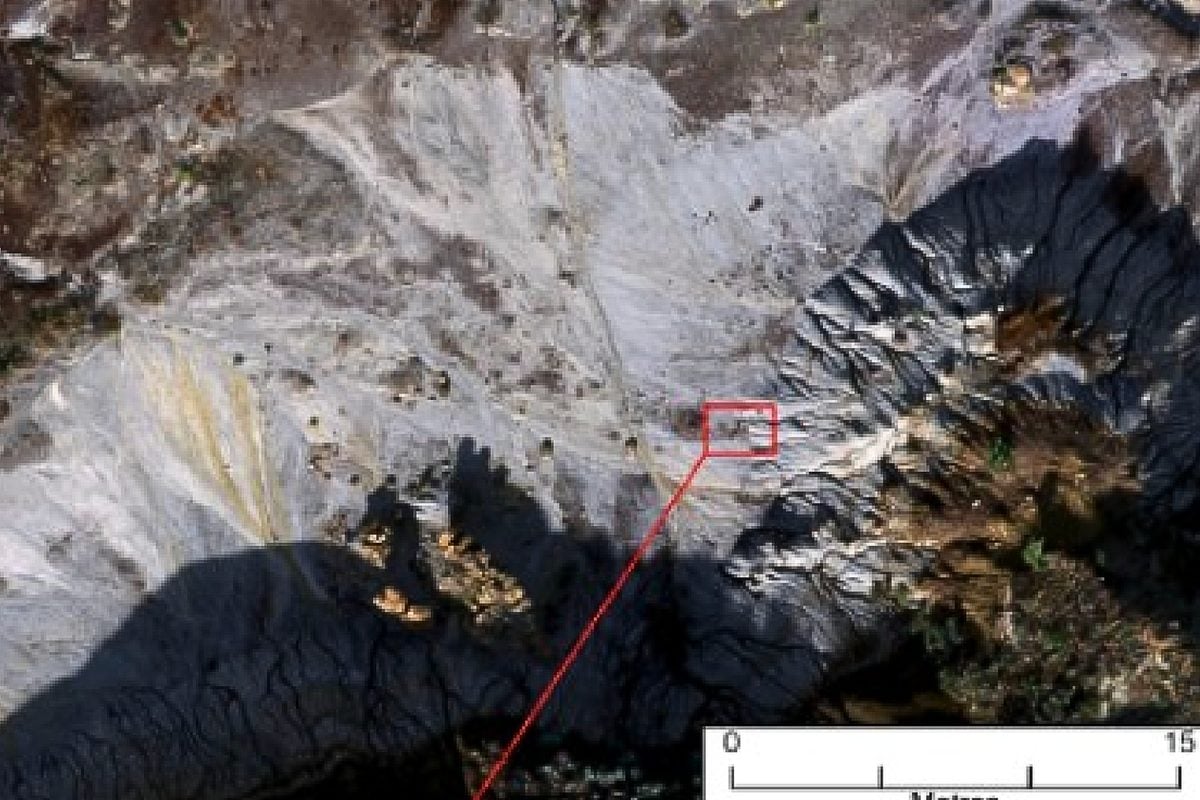
Scientists have developed a novel method for locating dinosaur fossils in Canada by using drones to detect specific lichens that colonize exposed dinosaur bones, potentially revolutionizing fossil hunting in remote areas.
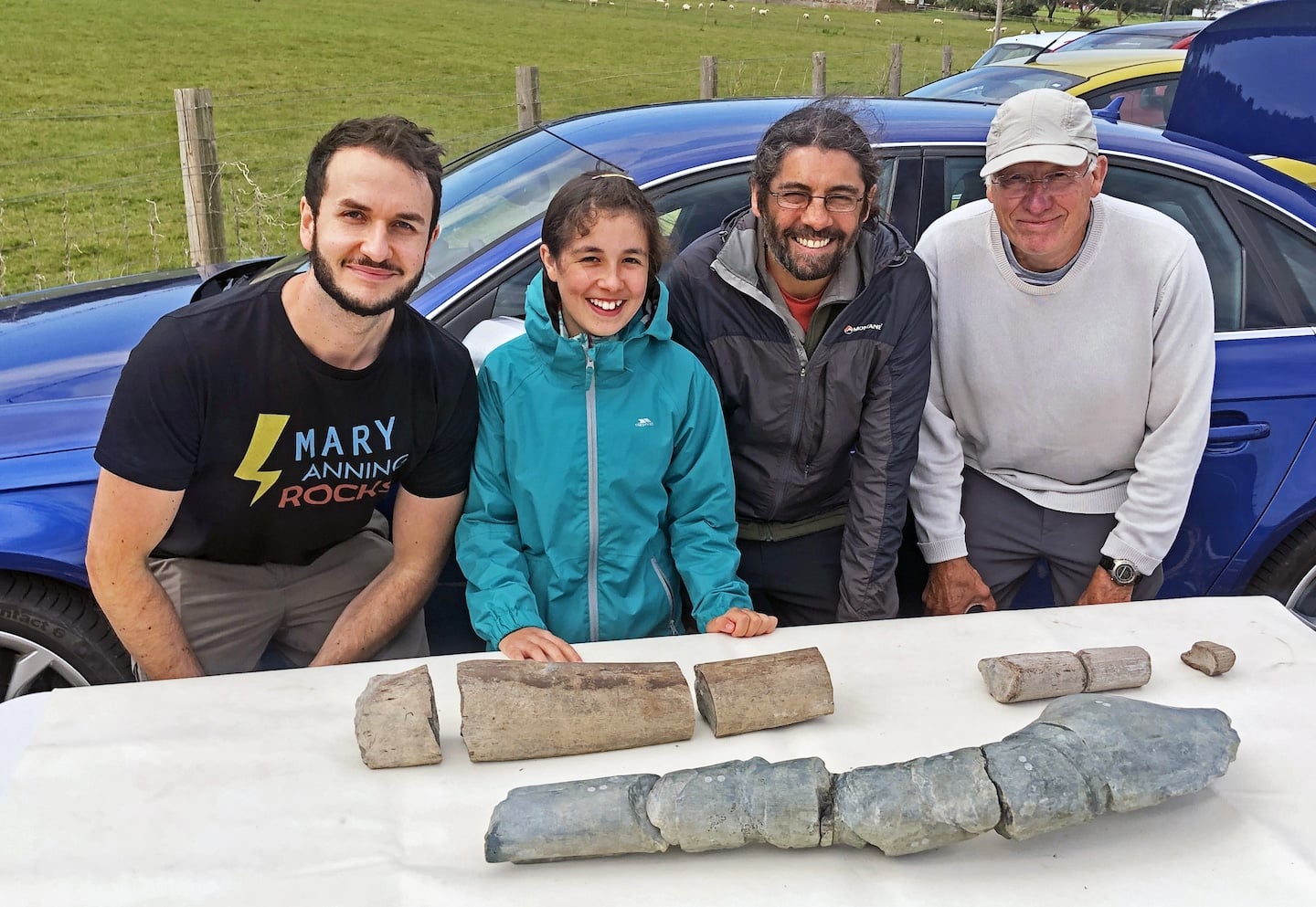
A father-daughter team in England discovered a fragment of a new species of giant ichthyosaur, a marine reptile from the Late Triassic period, on Blue Anchor Beach. Working with paleontologists, they identified the find as a new species and named it Ichthyotitan severnensis. The discovery adds to a mysterious gap in the fossil record and sheds light on the evolution of large marine reptiles. The team hopes their find will inspire others to revisit their fossil collections in the region.
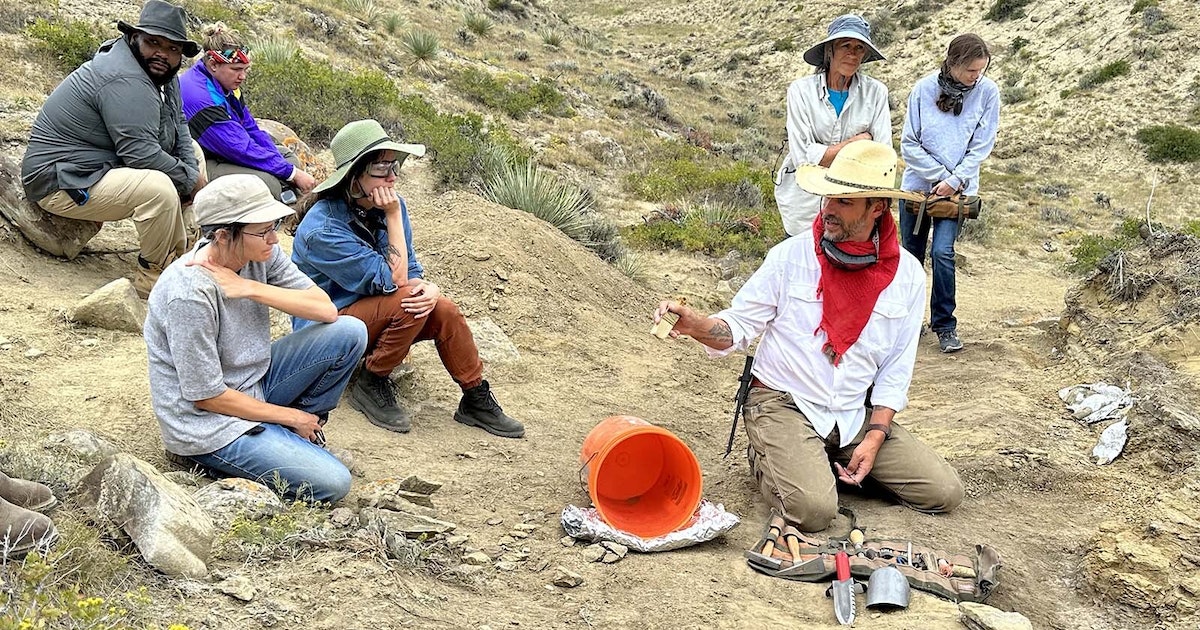
The Triceratops Gulch Project, a collaborative program between the Paleon Museum in Wyoming and the Morrison Natural History Museum in Colorado, offers summer field sessions for fossil hunting. Participants spend three days digging for fossils in the Lance Formation, which preserves the last days of the Age of Dinosaurs. The project has led to significant discoveries, including new fossils with scientific significance and the potential to change the interpretation of the Lance Formation. The ongoing research aims to increase scientific literacy and awareness of the scope of time and our position in the living world.
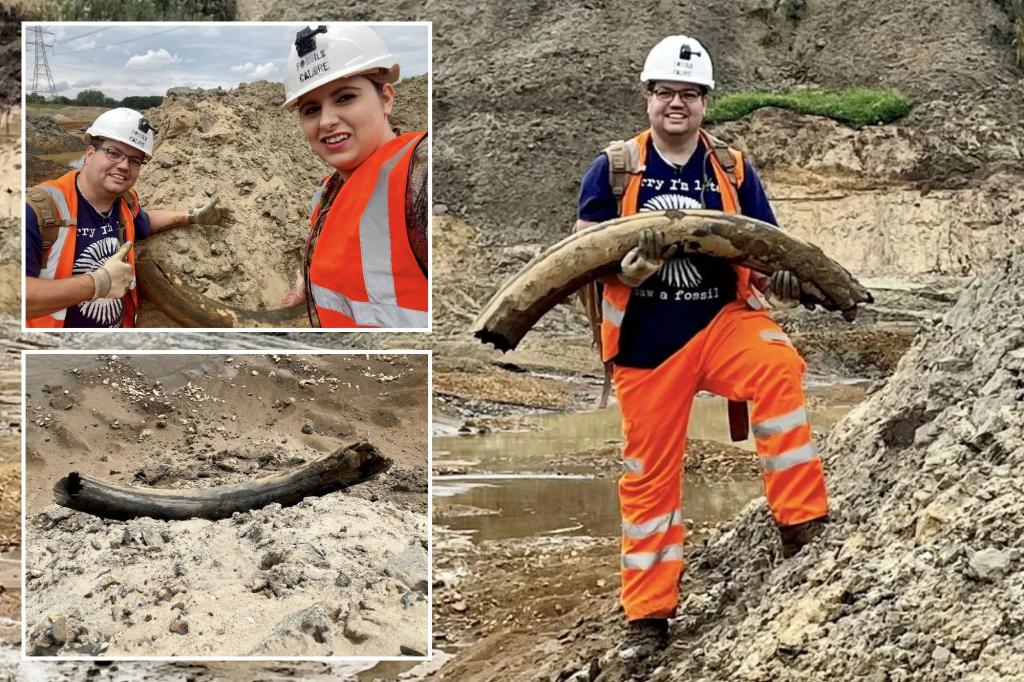
A fossil hunter discovered a 450,000-year-old mammoth tusk at a quarry in Cambridgeshire, England. The tusk, believed to belong to a steppe mammoth from before the last ice age, was found intact and is now being preserved at a paleontology museum. The museum plans to examine the tusk to learn more about the mammoth's life and habitat. The discovery adds to the museum's collection, which includes a skeleton of an iguanodon dinosaur and a plesiosaur. The museum also offers activities to educate families about paleontology and hopes to inspire future paleontologists.