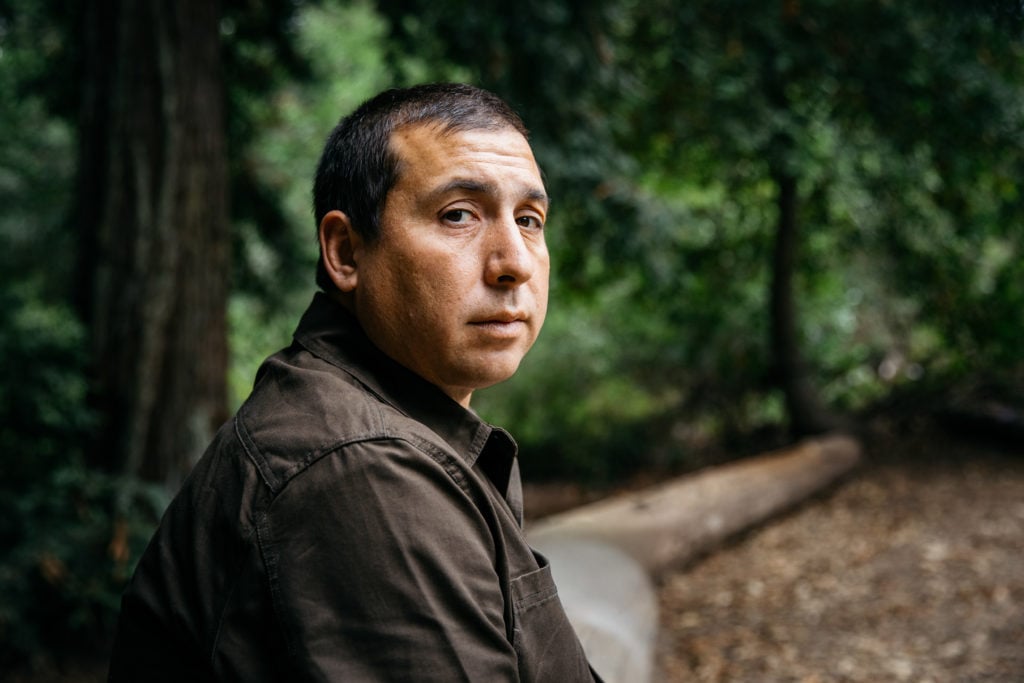
The MacArthur Foundation announced 22 fellows, including artists, scientists, and authors, each receiving an $800,000 'genius' grant for their impactful work in community engagement, Native American issues, climate science, and more, often recognizing deep community ties and resilience.

The 2025 MacArthur Fellows, a prestigious group of 22 individuals recognized for their creativity and impact across various fields such as science, arts, social justice, and more, were announced, each receiving an $800,000 no-strings-attached award. The recipients include scientists, artists, writers, and community organizers, exemplifying innovation, risk-taking, and perseverance.
A comprehensive cross-cultural study led by researchers from MIT and the Max Planck Institute for Empirical Aesthetics reveals a universal bias towards rhythms formed by simple integer ratios in music, regardless of cultural background. The study, spanning 15 countries and encompassing diverse participant groups, found a common inclination towards rhythms composed of simple integer ratios, while also highlighting significant variations in rhythmic preferences across different cultures. The findings challenge the notion that only trained musicians develop sophisticated rhythmic perceptions and underscore the profound impact of cultural and environmental factors on cognitive processes related to music.
The leap year, occurring nearly every four years, is a result of the Earth's orbit around the sun taking approximately 365.242190 days. This extra day is added to the Gregorian calendar to maintain synchronization with the solar year. The tradition of leap year has historical roots in various civilizations and has implications for birthdays, with about 5 million "leaplings" worldwide. While some celebrate leap day with festivities and traditions, others, like economist Steve Hanke, advocate for a new calendar system to eliminate the need for leap years.
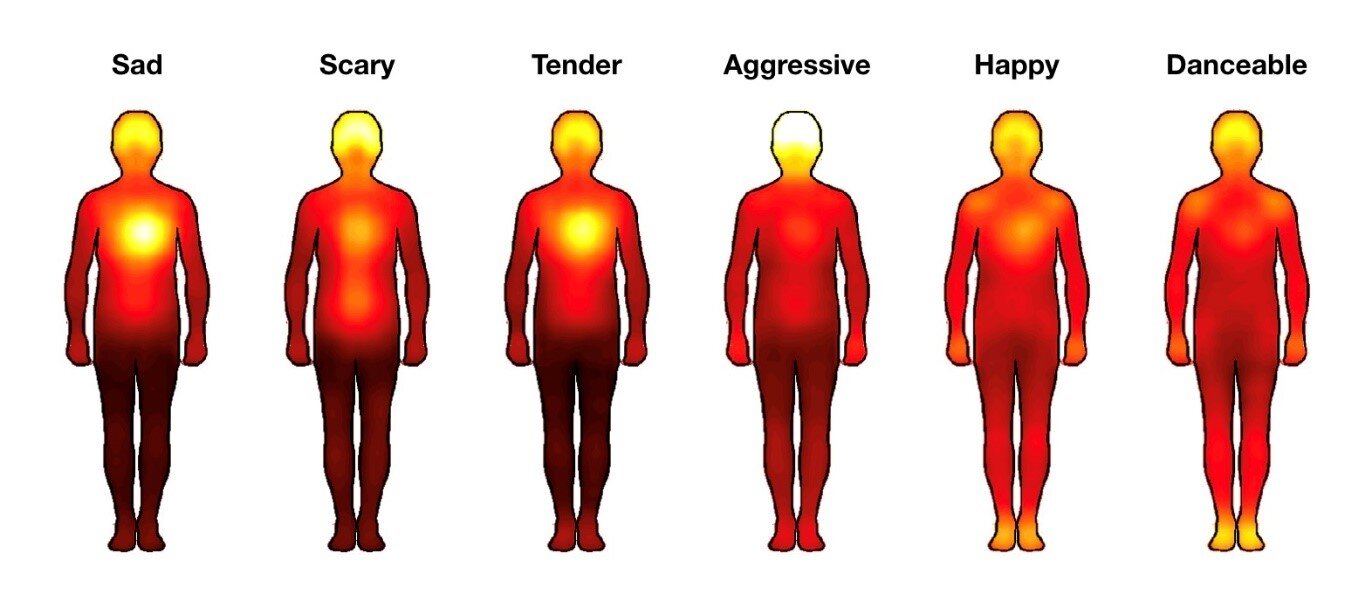
A study from the Turku PET Center in Finland has found that music evokes similar emotions and bodily sensations across Western and Asian cultures. The research suggests that music's influence on the body is universal and may have emerged during human evolution to promote social interaction and a sense of community. The study, conducted in collaboration with Aalto University and the University of Electronic Science and Technology of China, involved 1,500 participants who rated the emotions and bodily sensations evoked by Western and Asian songs.
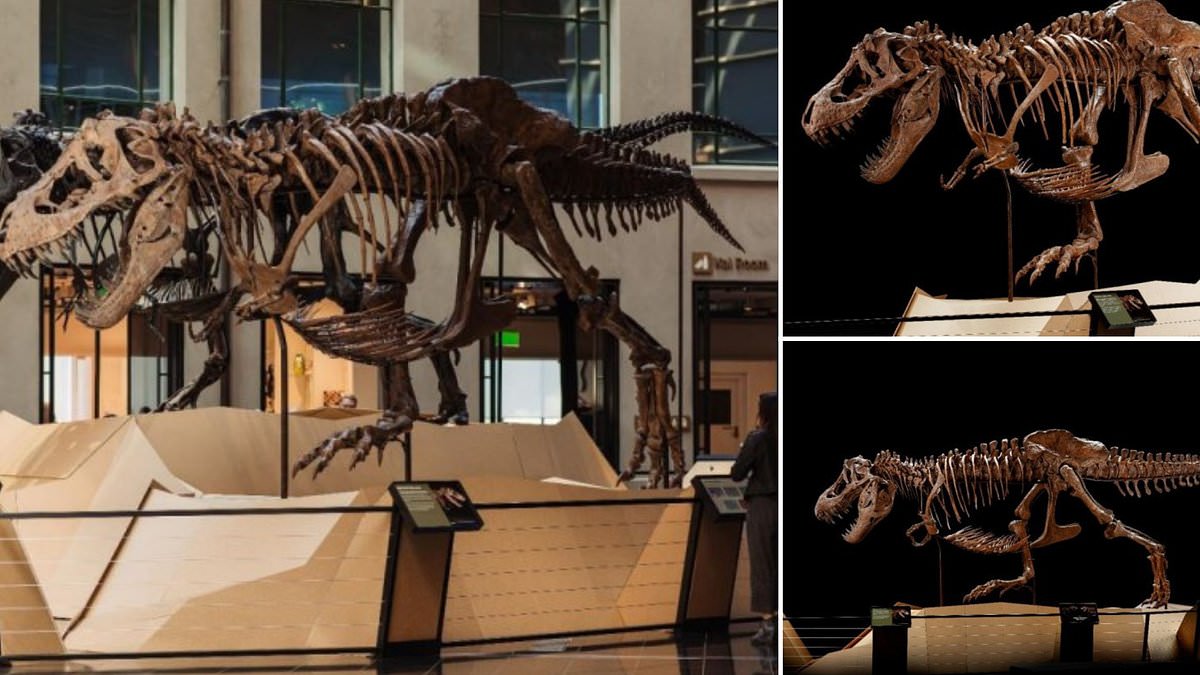
The Auckland War Memorial Museum in New Zealand is hosting a world-first exhibition featuring the skeletons of a male and female T-Rex named Barbara and Peter. Barbara is one of only three pregnant T-Rex specimens ever found, while Peter is one of only four black T-Rexes discovered. The exhibition, which has already attracted 1.6 million visitors, will end on December 10th. The specimens offer a rare opportunity to study and compare male and female T-Rexes, shedding light on their differences and behaviors.
Indigenous people across North, Central, and South America have long held a deep connection to solar eclipses, viewing them as sacred and significant events. Traditional academic science often overlooks this perspective, but some astronomers are now incorporating Indigenous knowledge into their teachings. Experiencing a solar eclipse with an Indigenous guide can be transformative, allowing visitors to reconnect with the sky and gain a new perspective on life. Indigenous-led sky watching experiences blend ancient knowledge with modern tools, reshaping both science and Indigenous-led tourism. The upcoming solar eclipse on October 14, 2023, presents an opportunity to learn about the eclipse through both Western science and Indigenous stories and ceremonies.
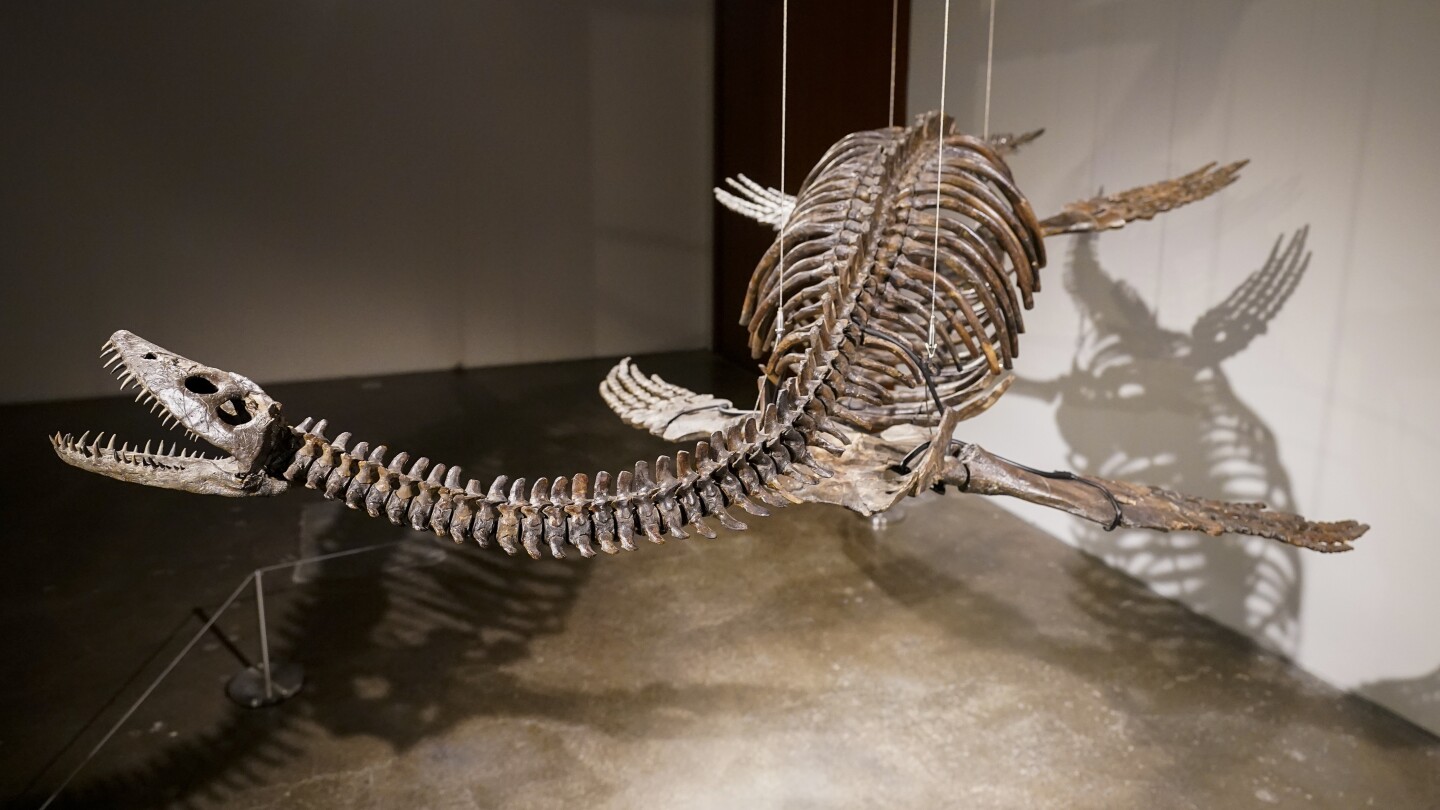
Sotheby's is set to auction the fossilized skeletons of a Pteranodon and a Plesiosaur, two prehistoric predators, in New York. The Pteranodon, with a 20-foot wingspan, is expected to fetch upwards of $6 million, while the 11-foot-long Plesiosaur, believed to have lived about 190 million years ago, is estimated to sell for $600,000 to $800,000. These fossils are rare and well-preserved specimens, attracting comparisons to the Loch Ness monster. Sotheby's has not disclosed the identity of the seller.
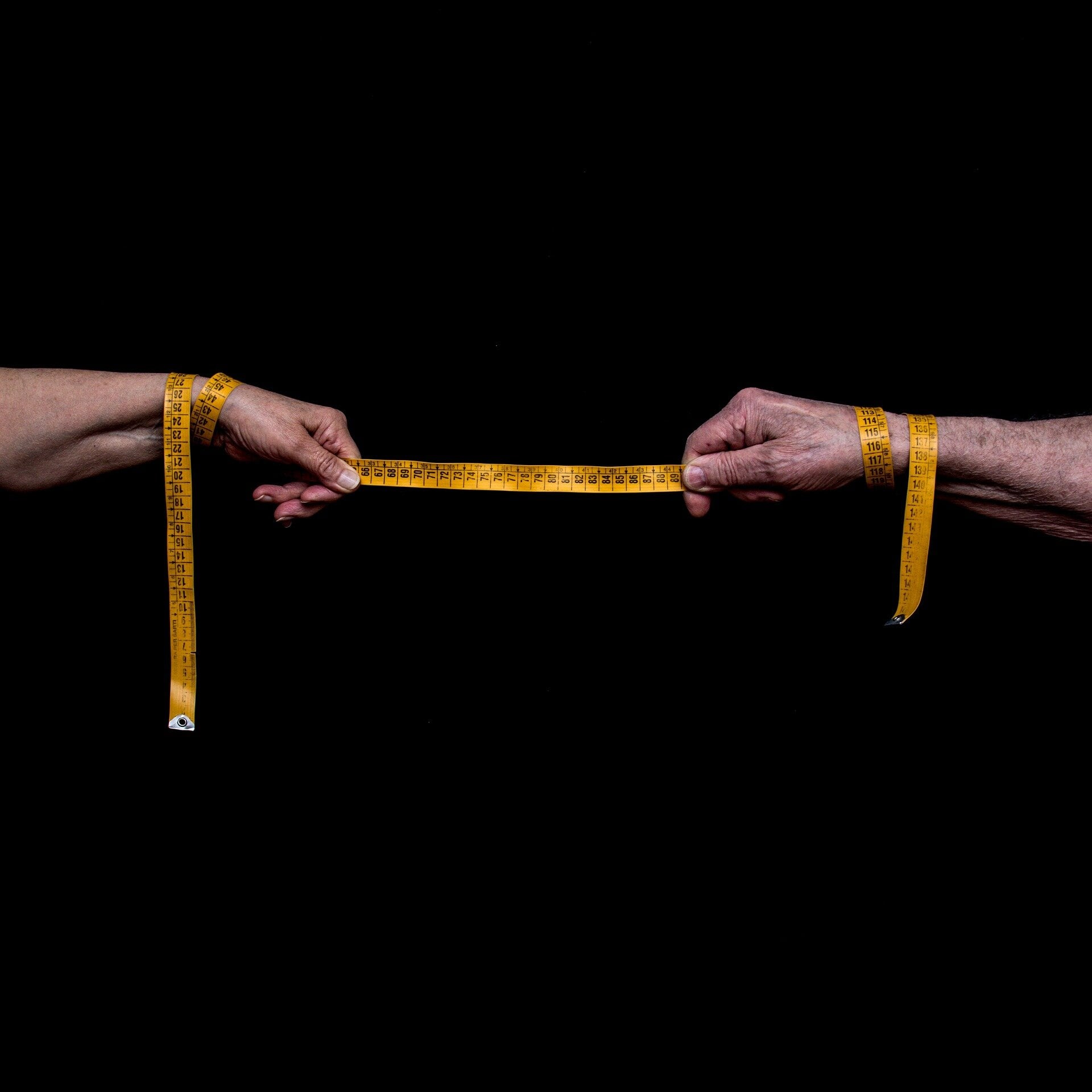
Researchers at the University of Helsinki analyzed body-based measurement systems across cultures using data from the Human Relations Area Files database and found that body-based measurements are used by all cultures, though it is used more often in some areas of interest than others. The most well-known body measures—cubits, spans and fathoms—were also the most common. The team concludes by suggesting that body-based measurements are most commonly still used today in projects that involve ergonomic design, which makes them more personalized.
A composite T-Rex skeleton called Trinity, made up of bones from three different T-Rexes, has sold for $6.1m to a private European collector of modern art and dinosaur relics at an auction in Switzerland. The skeleton, estimated to be 65m to 67m years old, had been expected to fetch a higher price. The skeleton measures 3.9 metres high, 11.6 metres long and 2.65 metres wide. More than half the skeleton’s bones are original with the rest made from plaster and epoxy resin casts.
A composite T. rex skeleton named "Trinity" made up of 293 bones, including a rare and well-preserved skull, is expected to fetch between $5.6-$8.9 million at an auction in Zurich. The restored fossil, drawn from three sites in Montana and Wyoming, is made up of more than half original bone material. T. rex roamed the Earth between 65 and 67 million years ago, and this sale marks only the third time such a T. rex skeleton has gone up for auction.
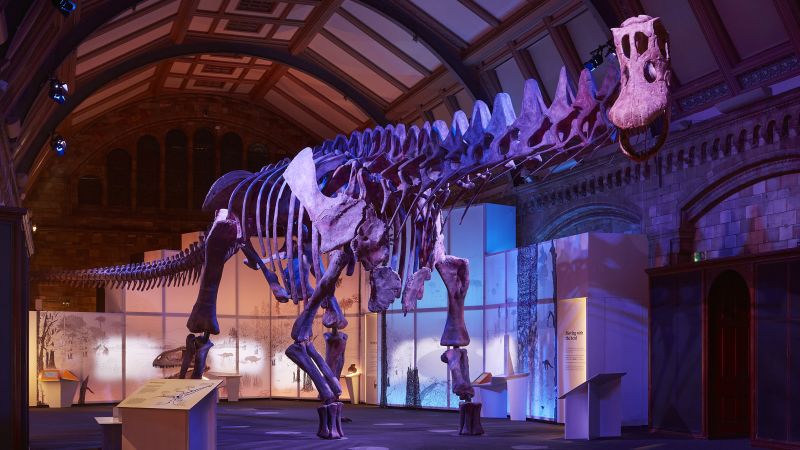
The Natural History Museum in London is displaying the skeleton of Patagotitan mayorum, a dinosaur giant from Argentina, for the first time in Europe. The cast of the skeleton, which is over five meters tall and weighs over two and a half metric tons, is accompanied by real fossils, including a 2.4-meter-long femur. The dinosaur, which could have weighed as much as 57 metric tons and stretched over 120 feet, lived on Earth around 100 million years ago. The exhibition was disrupted by the Covid pandemic and is now open to the public.
Scientists at University of Texas’s Jackson School Museum of Earth History have named a beaver fossil, discovered in a filing cabinet, Anchitheriomys buceei after Texas-based gas station chain Buc-ee's. The fossil was first discovered in 1941 by a team of Texas A&M University paleontologists, and was forgotten amid the rest of A&M’s vast paleontological collection, including after it was moved to the University of Texas in the 1980s.
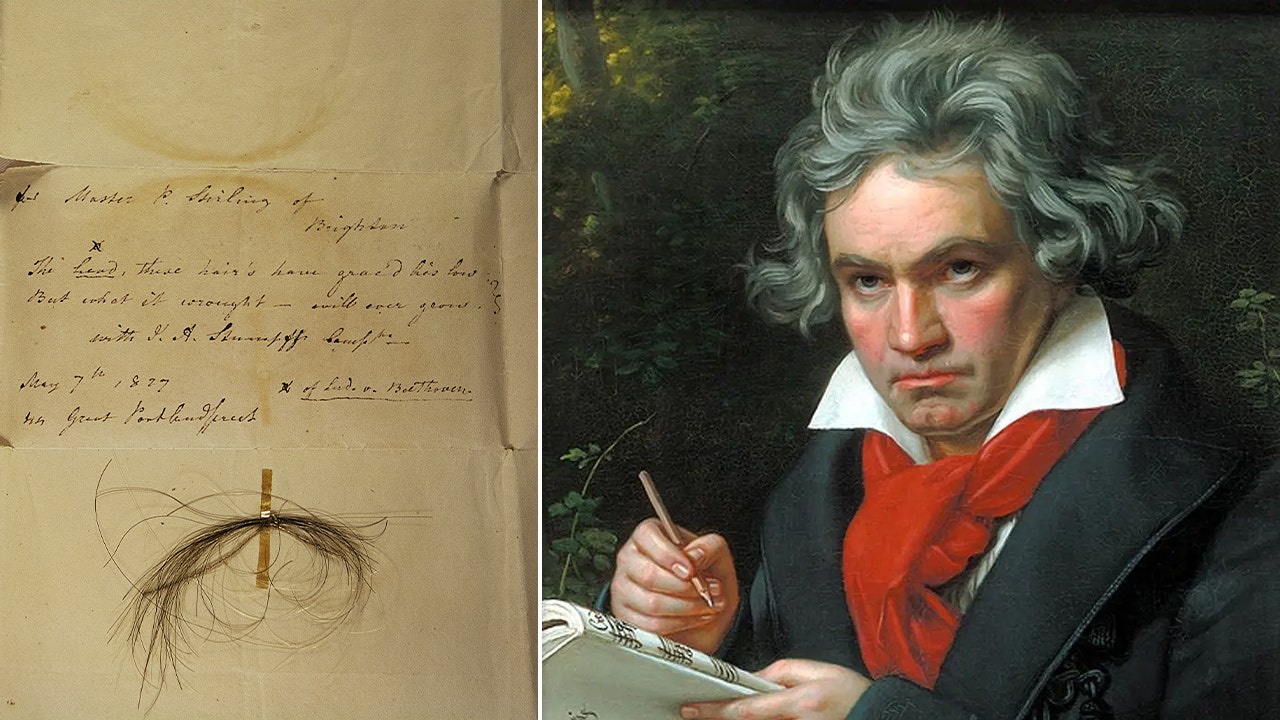
A genetic study conducted on locks of Ludwig van Beethoven's hair revealed more details about the composer's death at a relatively young age in March 1827. The study found that Beethoven had a genetic predisposition for liver disease and a hepatitis B infection during the months prior to his death. The composer's heavy alcohol consumption presented "plausible explanations" for his severe liver disease. The study also revealed an extrapair paternity event in his paternal line between the conception of Hendrik van Beethoven in Kampenhout, Belgium in c.1572 and the conception of Ludwig van Beethoven seven generations later in 1770, in Bonn, Germany. The study debunked a forensic investigation completed in 2007 that suggested lead poisoning could have sped up his death.
Researchers have genetically analyzed the DNA in authenticated samples of Beethoven's hair to shed light on his health problems, including progressive hearing loss and gastrointestinal issues. The primary cause of his hearing loss has never been known, but the study reveals that his death was probably the result of a hepatitis B infection, exacerbated by his drinking and numerous risk factors for liver disease. The study also suggests an extrapair paternity event in Beethoven's paternal line between the conception of Hendrik van Beethoven in Kampenhout, Belgium in c.1572 and the conception of Ludwig van Beethoven seven generations later in 1770, in Bonn, Germany.