Tag

Plesiosaur

All articles tagged with #plesiosaur

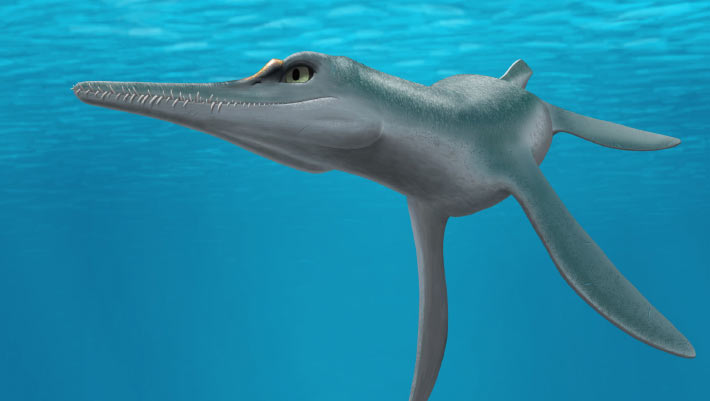
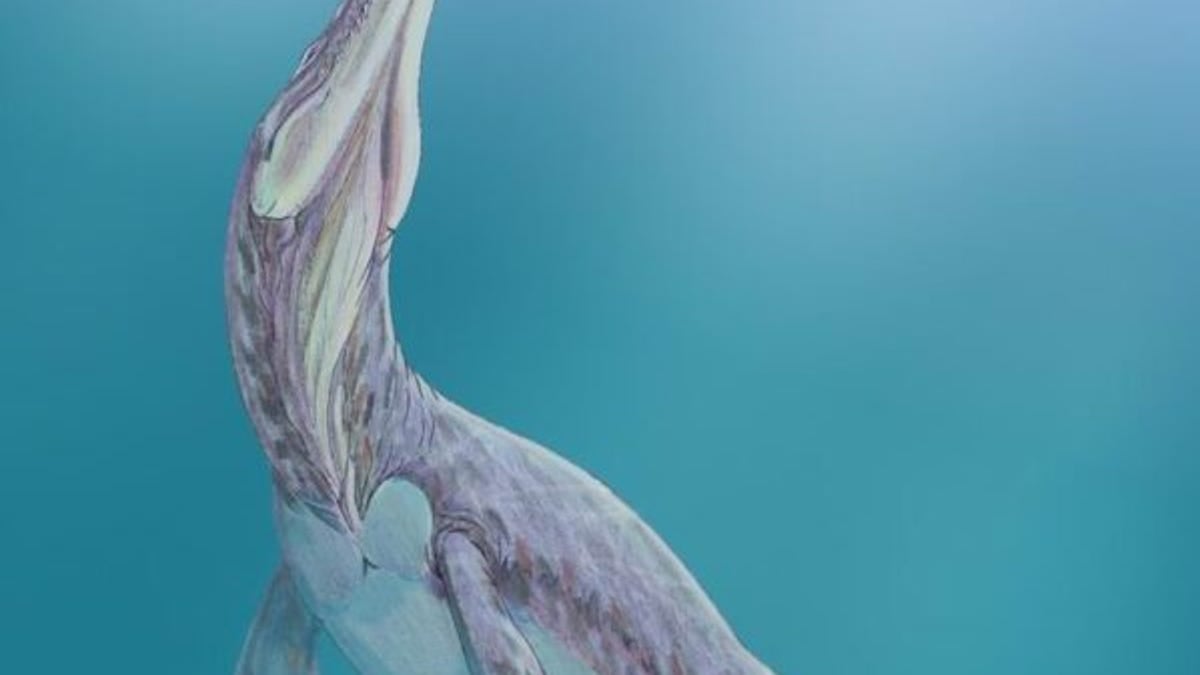
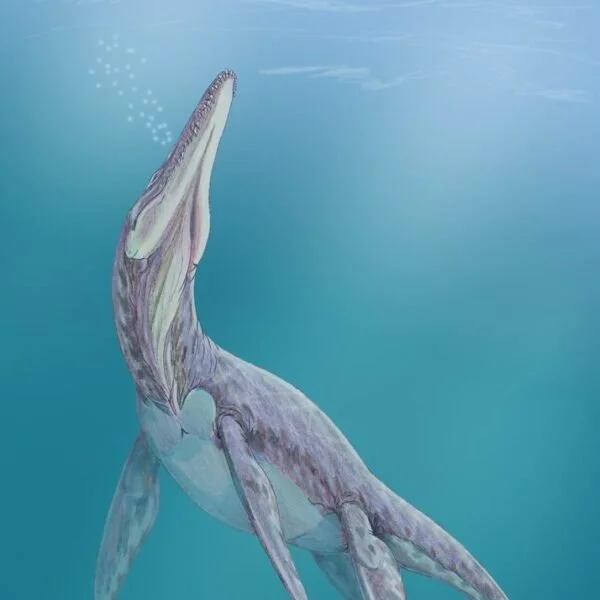
Rare Jurassic Sea Monster with Long Neck Discovered in Germany

Originally Published 5 months ago — by The Daily Galaxy

Featured image for Rare Jurassic Sea Monster with Long Neck Discovered in Germany
Source: The Daily Galaxy

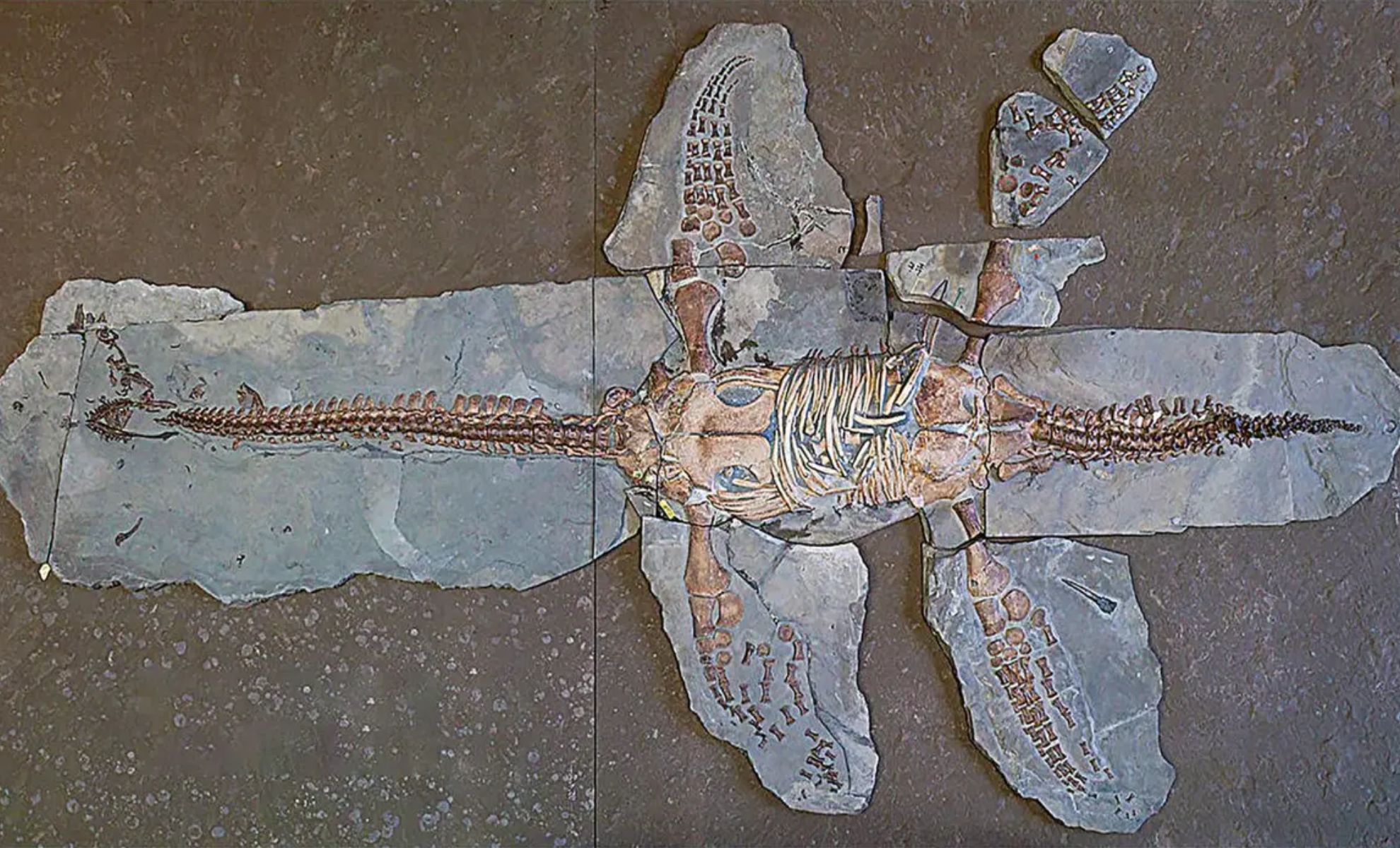
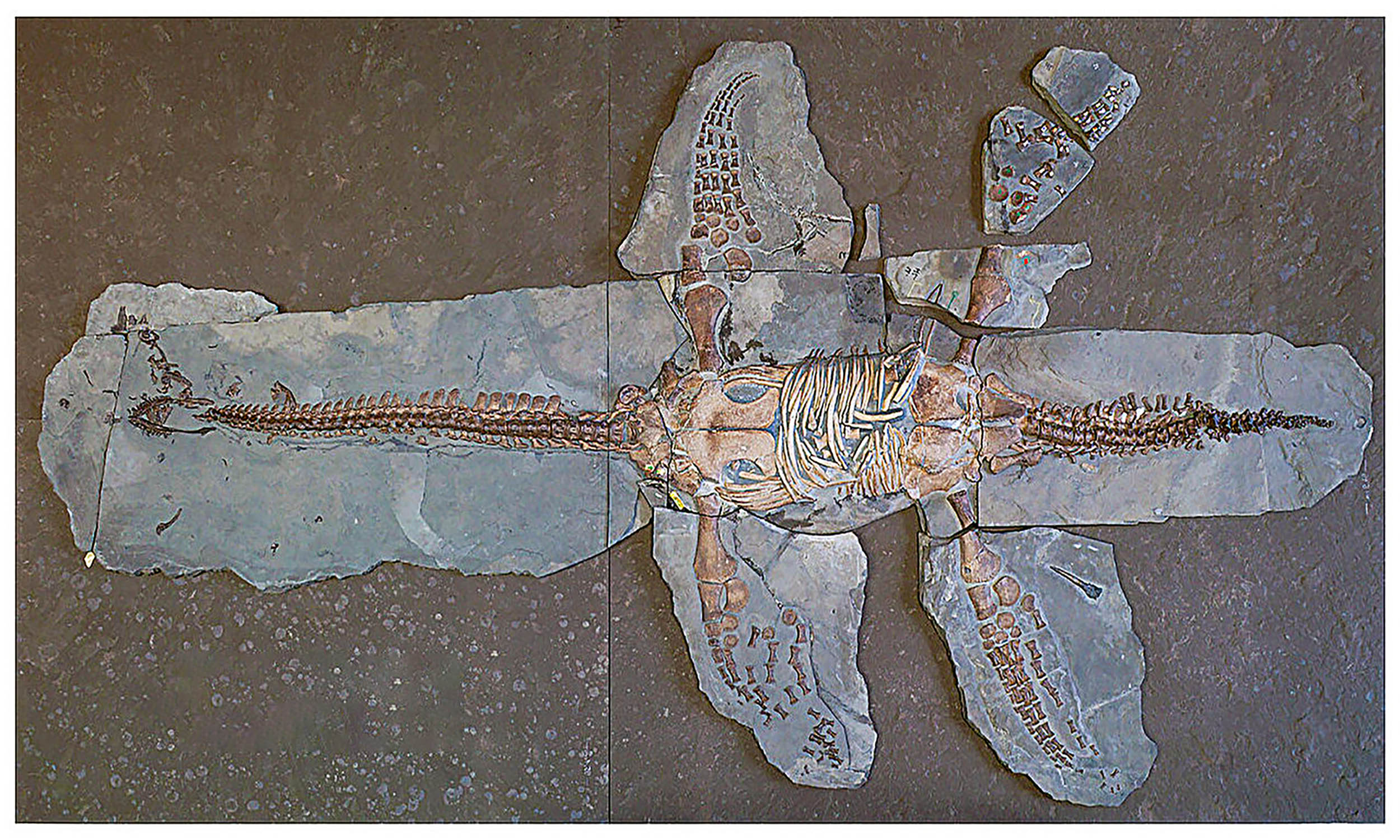
A nearly 50-year-old fossil from Germany has been reclassified as a new genus and species, Plesionectes longicollum, a Jurassic marine reptile with an exceptionally long neck, revealing new insights into plesiosaur evolution and adaptation during a period of significant oceanic change.
Scientists Discover 183-Million-Year-Old Fossil Preserving Skin and Scales

Originally Published 7 months ago — by Indian Defence Review

Featured image for Scientists Discover 183-Million-Year-Old Fossil Preserving Skin and Scales
Source: Indian Defence Review

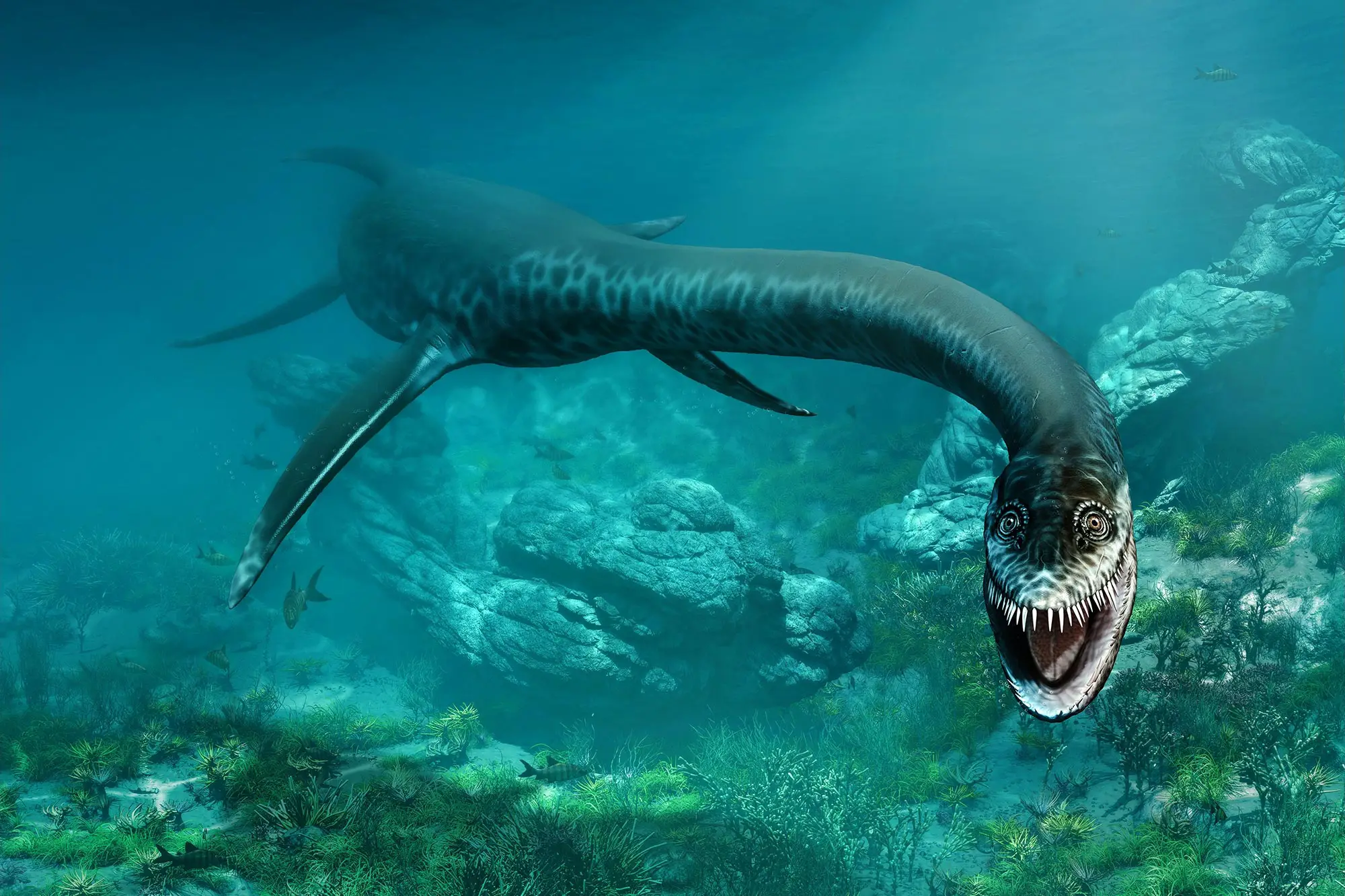
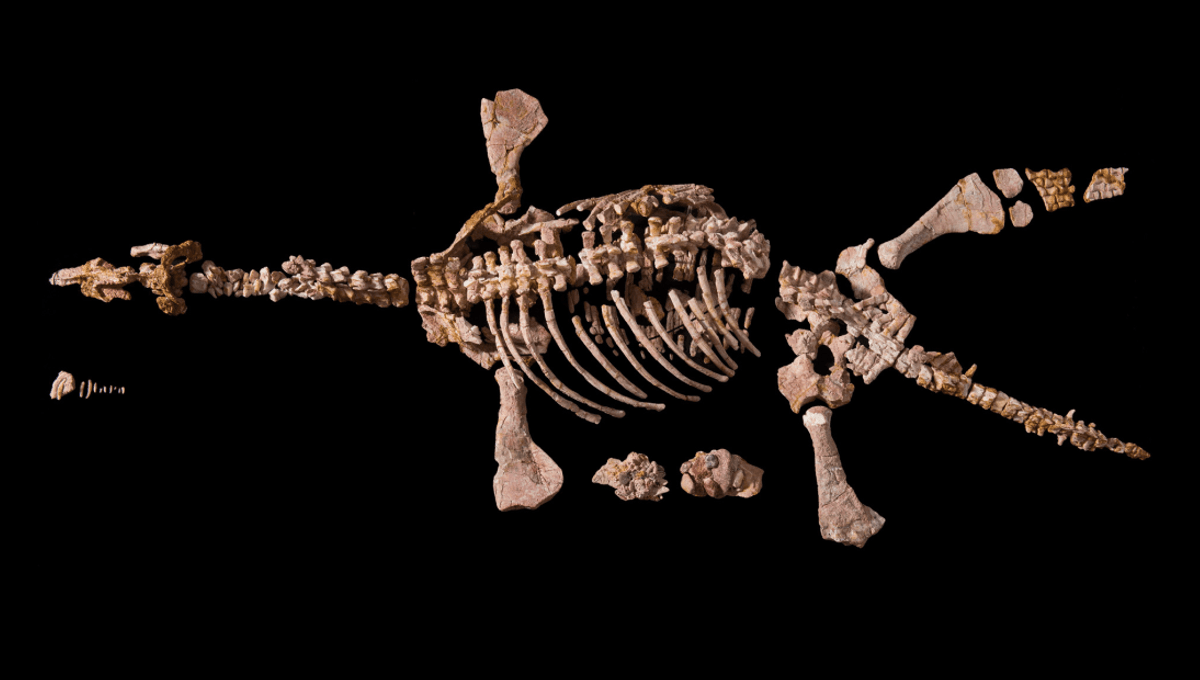
A remarkably preserved 183-million-year-old plesiosaur fossil from Germany reveals soft tissues, skin, scales, and a tail fin, providing new insights into its appearance, movement, and evolution, challenging previous assumptions about marine reptile camouflage and agility.

Ancient Plesiosaur Fossil Reveals Well-Preserved Skin and New Insights

Originally Published 7 months ago — by Earth.com

Featured image for Ancient Plesiosaur Fossil Reveals Well-Preserved Skin and New Insights
Source: Earth.com

A 180-million-year-old plesiosaur fossil with well-preserved skin and tissue provides new insights into the creature's appearance, evolution, and regional diversity, revealing details about its skin texture, coloration, and hydrodynamic adaptations that challenge previous assumptions about marine reptiles.

"Discovery of a New Plesiosaur Species in the US"

Originally Published 2 years ago — by Sci.News

Featured image for "Discovery of a New Plesiosaur Species in the US"
Source: Sci.News

Scientists have discovered a new genus and species of plesiosaur named Unktaheela specta, based on fossils found in Wyoming and South Dakota, which lived about 80.5 million years ago during the Late Cretaceous. This small polycotylid marine reptile, measuring between 7.5 to 8.5 feet in length, had a wide skull and unique paddles, with eye-shading features suggesting it was adapted for visual hunting in sunlit waters. The findings, which provide insights into the ecological niches of Cretaceous marine reptiles, were published in the journal Cretaceous Research.

Ancient Jurassic Vertebrate Fossils Unearthed in Texas

Originally Published 2 years ago — by SciTechDaily

Featured image for Ancient Jurassic Vertebrate Fossils Unearthed in Texas
Source: SciTechDaily

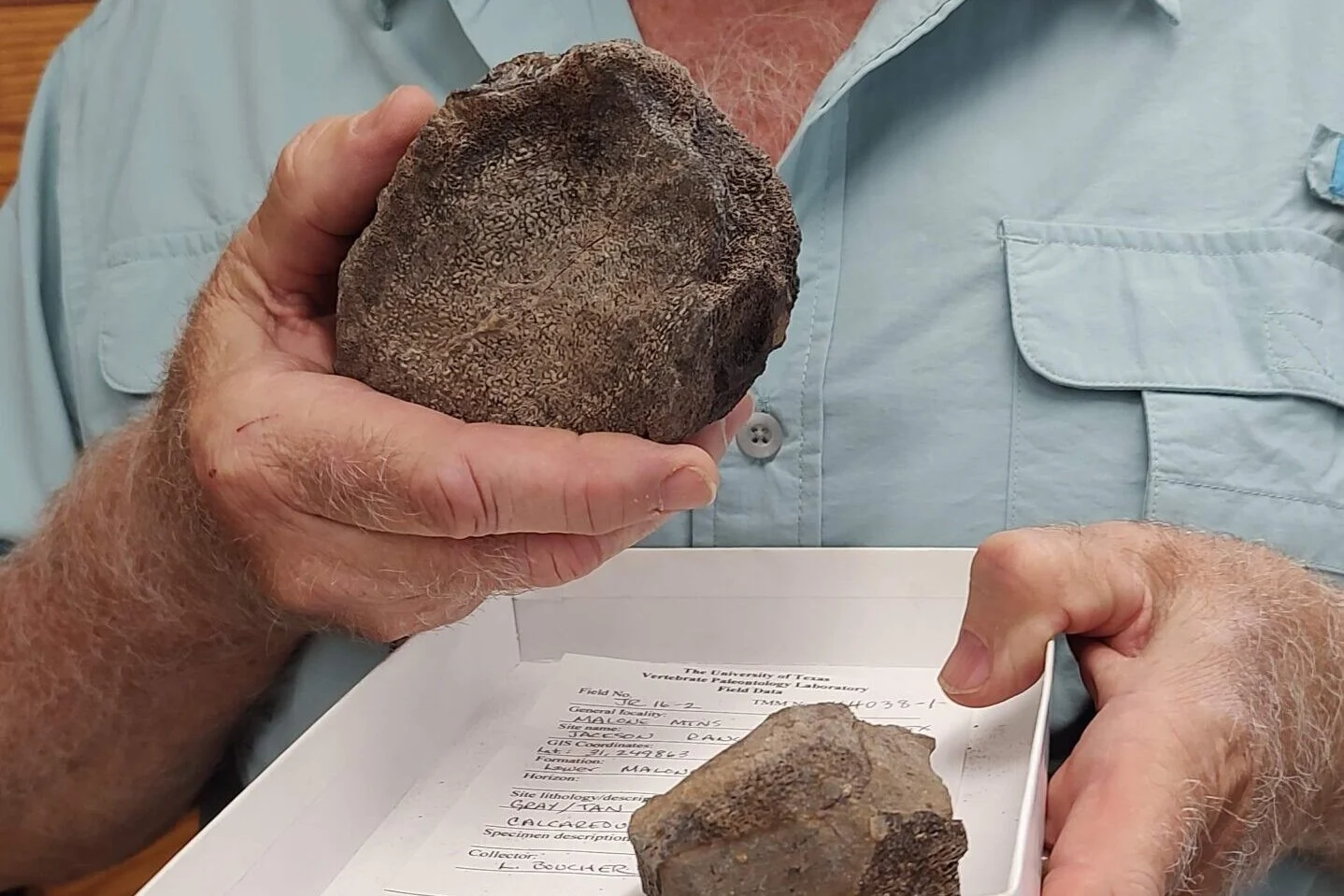
Scientists from The University of Texas at Austin have discovered the first-ever Jurassic vertebrate fossils in Texas, specifically from a plesiosaur, filling a significant gap in the state's fossil record. These fossils provide insight into the prehistoric times when the marine creature inhabited the shallow waters of present-day northeastern Mexico and western Texas around 150 million years ago. The discovery was made in the Malone Mountains of West Texas and includes not only plesiosaur bones but also other specimens that offer a glimpse into the ancient marine environment. This finding highlights the value of fieldwork and the potential for further discoveries in the area.

Rare Fossilized Predators Up for Auction at Sotheby's

Originally Published 2 years ago — by The Associated Press

Featured image for Rare Fossilized Predators Up for Auction at Sotheby's
Source: The Associated Press

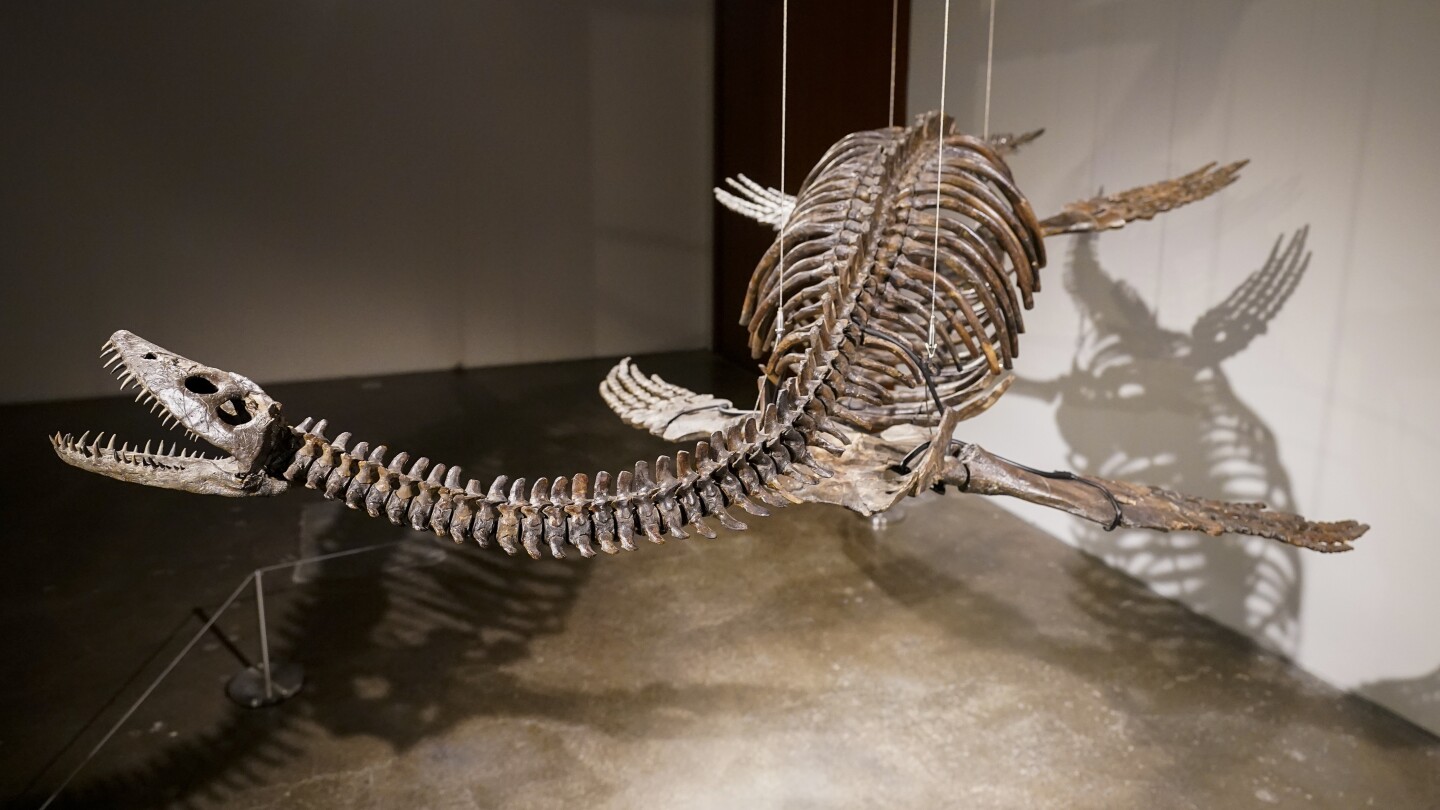
Sotheby's is set to auction the fossilized skeletons of a Pteranodon and a Plesiosaur, two prehistoric predators, in New York. The Pteranodon, with a 20-foot wingspan, is expected to fetch upwards of $6 million, while the 11-foot-long Plesiosaur, believed to have lived about 190 million years ago, is estimated to sell for $600,000 to $800,000. These fossils are rare and well-preserved specimens, attracting comparisons to the Loch Ness monster. Sotheby's has not disclosed the identity of the seller.

"Unearthing Texas' First Jurassic Sea Creature Fossil Unveils Exciting Possibilities"

Originally Published 2 years ago — by Chron

Featured image for "Unearthing Texas' First Jurassic Sea Creature Fossil Unveils Exciting Possibilities"
Source: Chron

Scientists from the University of Texas at Austin have discovered the first Jurassic fossils of an extinct marine reptile, a plesiosaur, in the Malone Mountains of West Texas. This finding fills a major gap in the state's fossil record, as previously only marine invertebrates were found from this time period. The discovery provides solid proof that Jurassic bones can be found in Texas and opens the door for further exploration and understanding of the region's prehistoric past.

"Texas Unearths First Jurassic Vertebrate Fossil, Paving the Way for Exciting Discoveries"

Originally Published 2 years ago — by Austin American-Statesman

Featured image for "Texas Unearths First Jurassic Vertebrate Fossil, Paving the Way for Exciting Discoveries"
Source: Austin American-Statesman

Scientists at the University of Texas at Austin have discovered the first known Jurassic vertebrate fossils in Texas, filling a significant gap in the state's fossil record. The bone fragments belong to a plesiosaur, an extinct marine reptile, and were found in the Malone Mountains. Prior to this discovery, only marine invertebrate fossils had been collected in Texas. The findings provide evidence that Jurassic bones can be found in the state and offer insights into the region's ancient history.

"Unearthing Texas' Ancient Secrets: Jurassic Vertebrate Fossils Discovered"

Originally Published 2 years ago — by Phys.org

Featured image for "Unearthing Texas' Ancient Secrets: Jurassic Vertebrate Fossils Discovered"
Source: Phys.org

Scientists at The University of Texas at Austin have described the first known Jurassic vertebrate fossils found in Texas. The fossils, which are bone fragments from a plesiosaur, an extinct marine reptile, were discovered in the Malone Mountains of West Texas. This discovery fills a major gap in the state's fossil record, as previously only fossils from marine invertebrates had been found from the Jurassic period. The findings provide solid evidence of Jurassic vertebrates in Texas and offer insights into the region's ancient history.

Uncovering the Prehistoric Diet of 'Eric' the Opalized Plesiosaur.

Originally Published 2 years ago — by IFLScience

Featured image for Uncovering the Prehistoric Diet of 'Eric' the Opalized Plesiosaur.
Source: IFLScience

Palaeontologists used X-rays to investigate the gut contents of an opalized plesiosaur known as "Eric" and discovered 17 vertebrae of a previously undescribed teleost fish, demonstrating that plesiosaurs were pescatarians. The study provides new insights into the diets and lifestyles of plesiosaurs and can help us better understand how predicted changes in climate could affect extant marine life. Eric's remains have been opalized, a phenomenon that's almost unique to Australia that turns remains into literal gems.