
The Cultural Significance of Body-Based Measurements.
TL;DR Summary
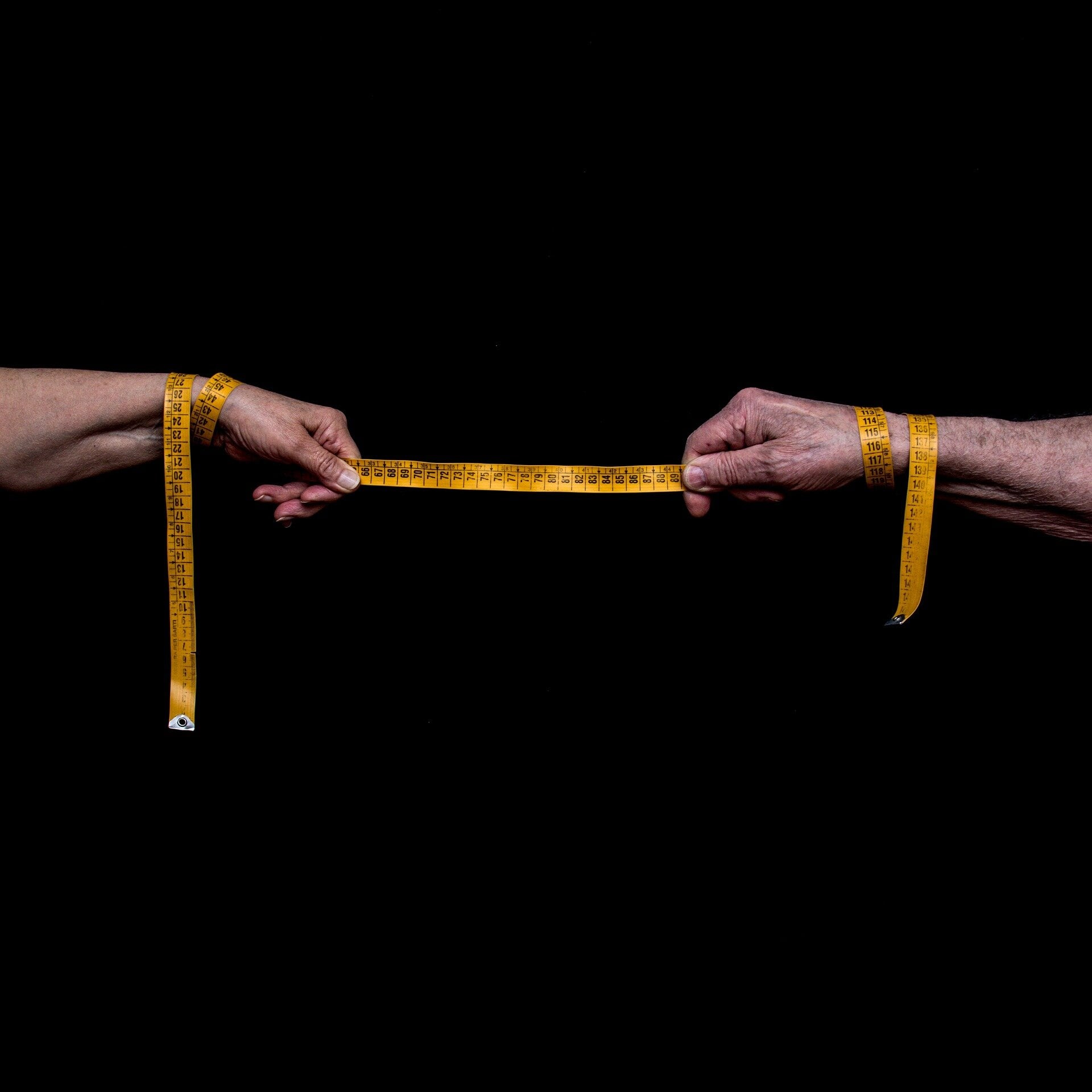
Researchers at the University of Helsinki analyzed body-based measurement systems across cultures using data from the Human Relations Area Files database and found that body-based measurements are used by all cultures, though it is used more often in some areas of interest than others. The most well-known body measures—cubits, spans and fathoms—were also the most common. The team concludes by suggesting that body-based measurements are most commonly still used today in projects that involve ergonomic design, which makes them more personalized.
Topics:science#anthropology#cultural-evolution#ergonomic-design#historical-measurement-systems#human-body-based-measurements#science-and-culture
- Looking at the development and use of human body-based measurements across cultures Phys.org
- Why human societies still use arms, feet, and other body parts to measure things Science
- 'Body-based measurements' like handspans and fathoms work better than metric alternatives Daily Mail
- Embodying measurement Science
Reading Insights
Total Reads
0
Unique Readers
1
Time Saved
2 min
vs 3 min read
Condensed
84%
521 → 81 words
Want the full story? Read the original article
Read on Phys.org