A study in the Journal of Psychopharmacology reveals how alcohol alters internal bodily sensations, with less sensation linked to higher risk of alcohol use disorder. Using digital mapping and physiological measures, researchers found that alcohol-induced bodily sensations vary during intoxication and are connected to subjective feelings of stimulation and sedation, potentially influencing addiction vulnerability. The study also highlights placebo effects and individual differences in bodily awareness, offering new insights into the role of interoception in alcohol experiences and addiction risk.
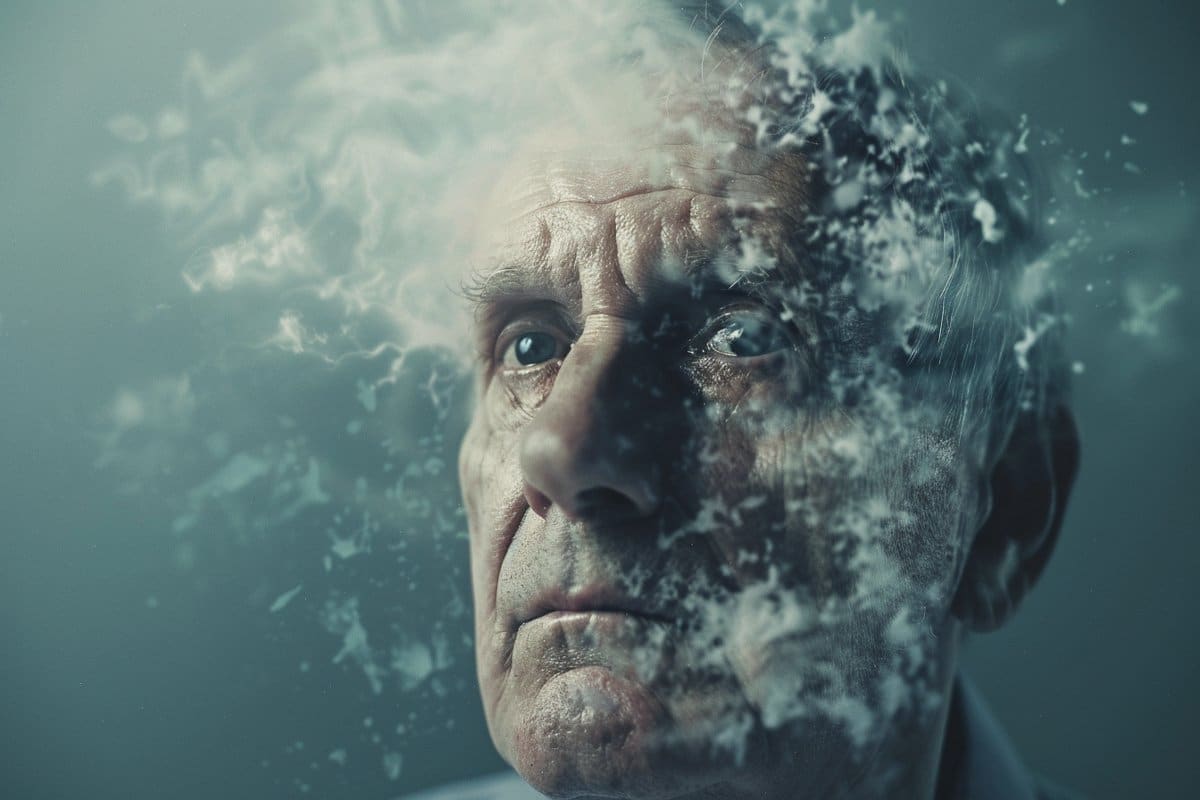
A study conducted by the University of Turku found that people with Parkinson’s disease experience altered bodily sensations related to basic emotions differently from healthy individuals, with significant shifts in sensation locations, particularly with anger moving from the chest to the abdomen. This research highlights the impact of non-motor symptoms, particularly emotional processing abnormalities, in affecting the quality of life for those with Parkinson’s, and suggests that dysfunction of the autonomic nervous system plays a key role. The study offers new insights into emotional processing in neurological disorders and could influence future treatments and research approaches.
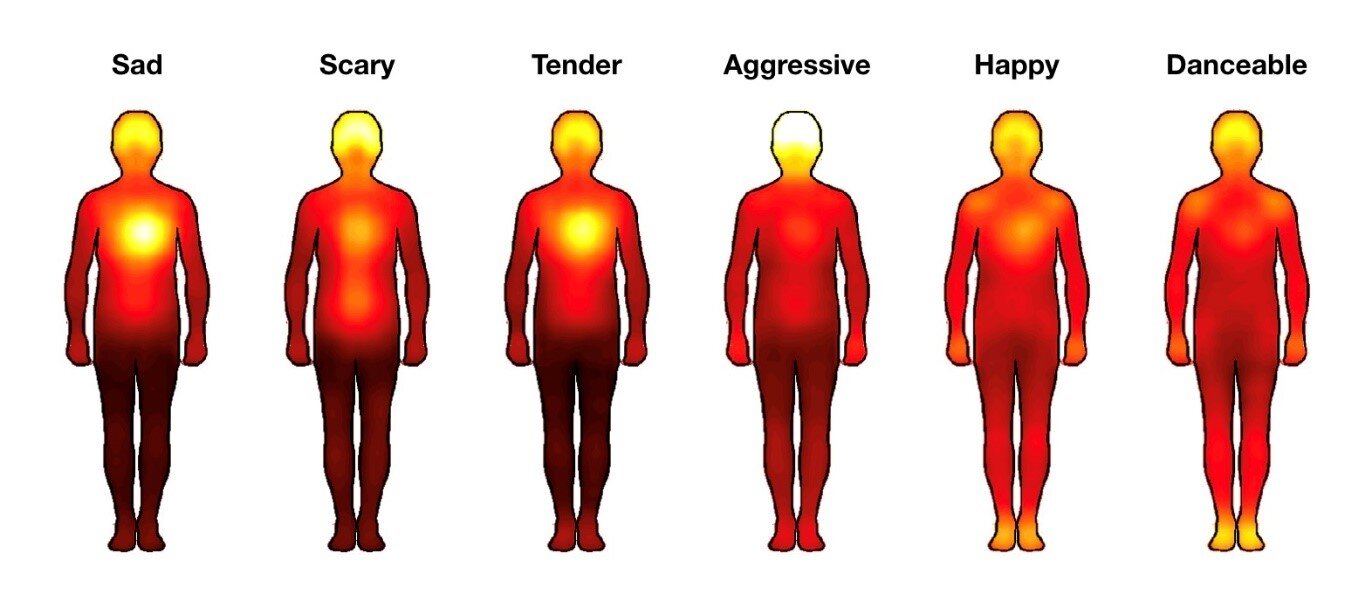
A study from the Turku PET Center in Finland has found that music evokes similar emotions and bodily sensations across Western and Asian cultures. The research suggests that music's influence on the body is universal and may have emerged during human evolution to promote social interaction and a sense of community. The study, conducted in collaboration with Aalto University and the University of Electronic Science and Technology of China, involved 1,500 participants who rated the emotions and bodily sensations evoked by Western and Asian songs.