Tag

Scandinavia

All articles tagged with #scandinavia

archaeology10 days ago

Ancient Fingerprint Could Unlock Secrets of Scandinavia’s Oldest Wooden Boat

Researchers analyzing a 2,000-year-old wooden boat in Scandinavia discovered a fingerprint in the tar used to seal it, providing new insights into the origins of the boat and its raiders, with evidence suggesting a Baltic Sea region origin rather than Hamburg, and plans to further study the wood's tree rings and DNA to learn more about the ancient people.


world3 months ago

Copenhagen Airport Drone Incident Sparks Security Concerns

A skilled drone pilot flew multiple unidentified drones over Copenhagen Airport, causing a hours-long shutdown of the airspace. Authorities believe the act was likely a show of skill rather than an attack, though they consider the possibility of a Russian hybrid attack. The drones disappeared after several hours, and flights resumed with delays. The incident raises concerns about drone security in northern Europe amid increased Russian activity.

science1 year ago

Genetic Clues Reveal Unique Viking Settlers in Faroe Islands and Iceland

A study published in Frontiers in Genetics reveals that the Viking settlers of the Faroe Islands and Iceland came from distinct Scandinavian gene pools. Using advanced genetic analysis, researchers found that the Faroese settlers were a diverse group from Norway, Denmark, and Sweden, while Icelandic settlers had a different genetic makeup. This suggests separate Viking colonization events for the two regions, challenging previous assumptions of a shared Norse origin.

geology1 year ago

"Unearthing Scandinavia's Ancient Origins: The Discovery of a 3.75 Billion Year Old Earth's Crust Segment"

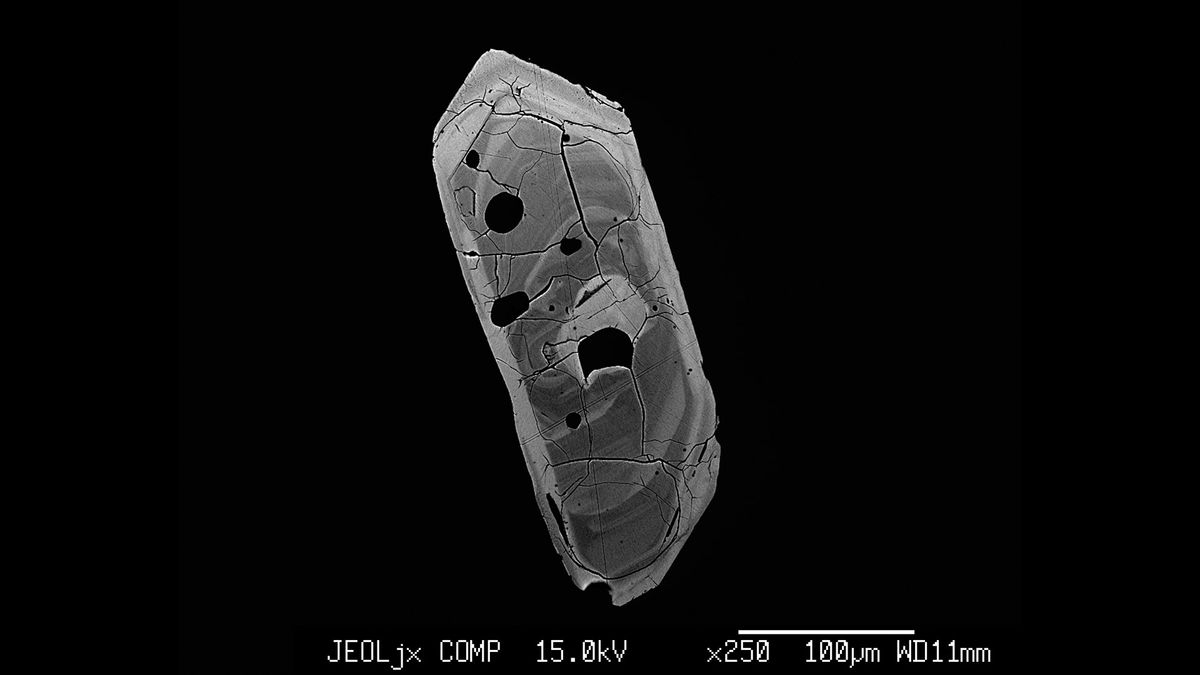
Researchers studying zircon crystals in river sand and rocks in Finland have discovered a hidden chunk of Earth's crust that originated in Greenland and played a crucial role in the formation of Scandinavia. The crystals, dating back 3.75 billion years, provide insights into the formation and growth of the oldest parts of the continental crust, shedding light on the birth of continents and their influence on Earth's habitability. This discovery may help understand how other landmasses on Earth formed and spread across the planet.

health-and-science1 year ago

"Unearthing Lethal Stone Age Epidemics"

A recent study reveals that Stone Age populations in Scandinavia suffered and often died from bacterial diseases such as meningitis and food poisoning due to close living quarters and lack of antibiotics. The study, which screened 38 individuals from farmer and hunter-gatherer contexts, found microbial DNA in the remains of infected humans, shedding light on the impact of lifestyle transitions on health during the Stone Age. The research highlights the prevalence of bacterial diseases spread through food and water, emphasizing the potential for further exploration of prehistoric societies.

health-and-science1 year ago

"The Deadly Impact of Bacterial Diseases in the Stone Age"

A new study coordinated from the Centre for Palaeogenetics in Stockholm explores the prevalence of bacterial diseases during the Stone Age in Scandinavia, revealing that bacterial poisoning through food, water, and close contact caused significant suffering and fatalities. The research, which screened 38 individuals from different Stone Age contexts, identified microbes such as Neisseria meningitidis, Yersinia entrecolitica, and Salmonella enterica, all of which are easily treatable with antibiotics today. The study sheds light on the impact of lifestyle transitions, particularly the shift from hunting-gathering to farming, on the prevalence of bacterial diseases, offering new insights into a previously unexplored aspect of prehistoric societies.

archaeology1 year ago

"Deadly Kisses: Ancient Scandinavian Bodies Uncover Surprising Secrets"

A new study published in Scientific Reports reveals that ancient Scandinavian bodies dating back 6,000 years show evidence of deadly bacterial infections, including Y. pestis, the bacteria that causes the plague, making it the oldest case of the plague found in remains to date. The shift from nomadic to agricultural communities led to increased population density and interactions with livestock, resulting in infections from food, water, and close human contact. The presence of bacteria causing meningitis and gonorrhea reflects the cultural change as people became less nomadic and started living in larger communities at the end of the Stone Age.

archaeology1 year ago

"New Research Reveals Violent Sacrifice of Ancient Traveler in Prehistoric Denmark"

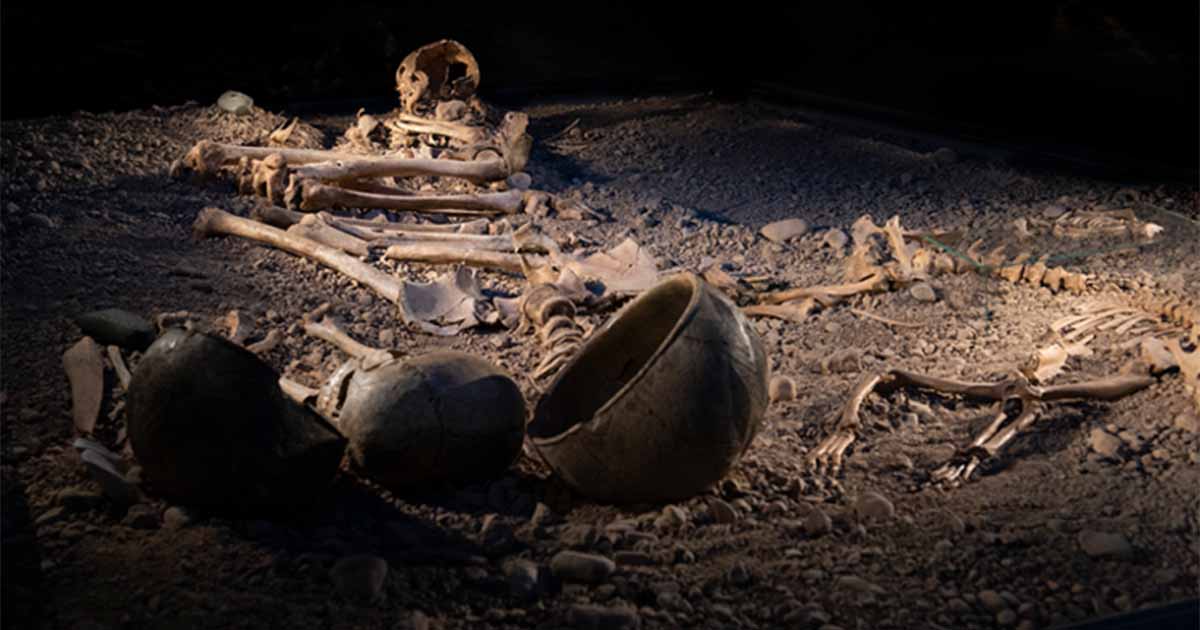
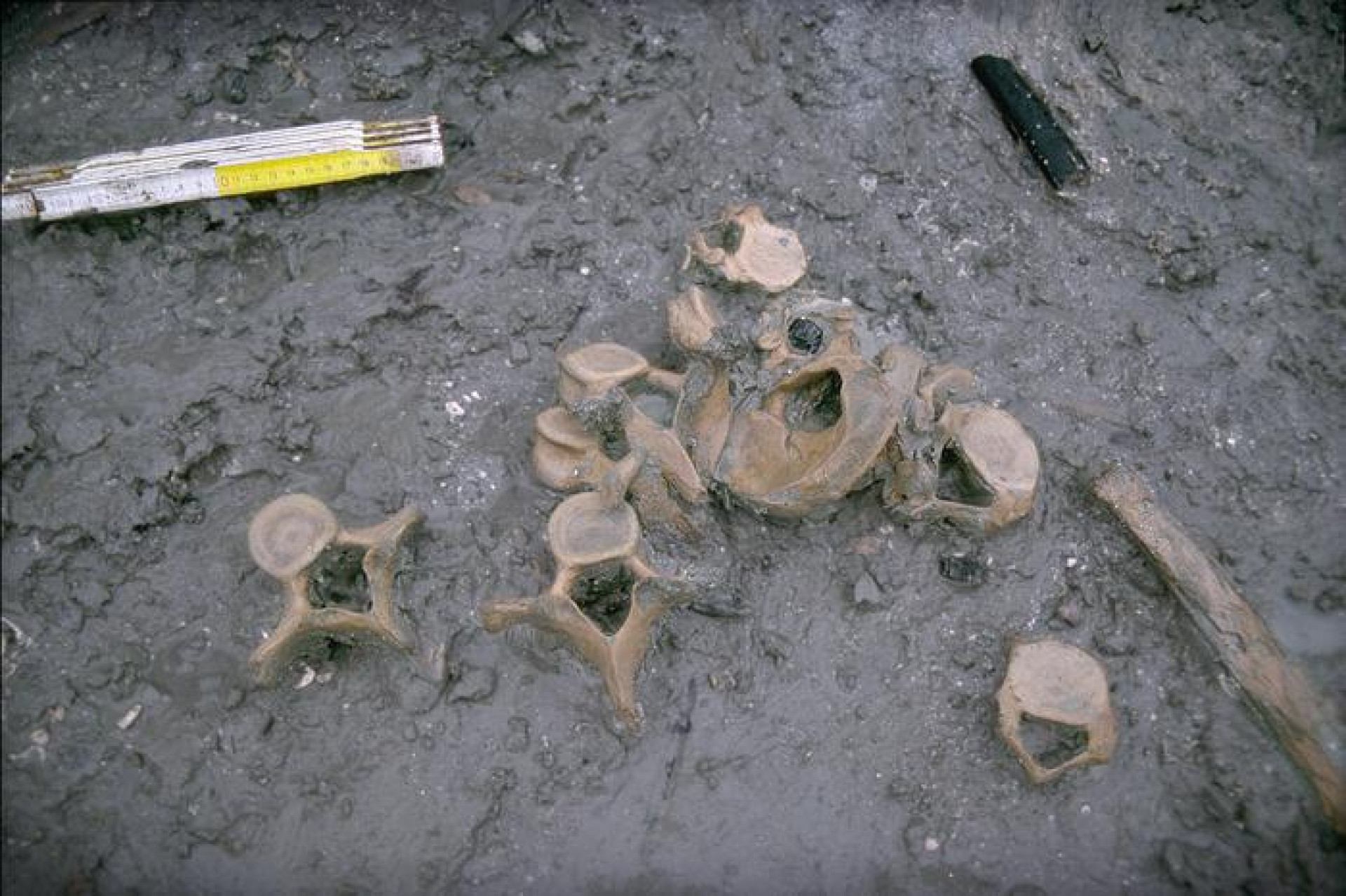
New research on the "Vittrup Man," an ancient individual who died over 5,000 years ago in Northwest Denmark, reveals that he migrated from northern Norway to Denmark in his late teens and lived in a farming community for 10 to 20 years before being brutally clubbed to death. Advanced techniques in DNA analysis, dental calculus, and isotope analysis have provided unprecedented insights into his life history, shedding light on his geographical and dietary development. The study, part of a larger analysis of prehistoric Nordic populations, suggests that the man's genome differed from the rest of the Danish Stone Age population, and researchers speculate that he may have been sacrificed, although the exact circumstances remain unclear.

archaeologyanthropology1 year ago

"DNA Analysis Suggests Scandinavia's First Farmers Slaughtered Hunter-Gatherers"

A new study from Lund University in Sweden, published in Nature, suggests that the arrival of the first farmers in Scandinavia 5,900 years ago led to the rapid extinction of the hunter-gatherer population within a few generations, contrary to previous beliefs. DNA analysis of skeletal remains indicates two major population turnovers in Denmark over the past 7,300 years, with the first occurring when a farmer population displaced the hunter-gatherers, possibly through violence and the introduction of new pathogens from livestock. A second turnover occurred about 4,850 years ago when people with genetic roots in Yamnaya, originating from southern Russia, replaced the previous farmer population. The study sheds new light on historical migration flows and provides insights into the development of certain diseases.

archaeology2 years ago

"Insight into Stone Age Life: Teenagers' 9700-Year-Old Chewing Gum Unveils Fascinating Details"

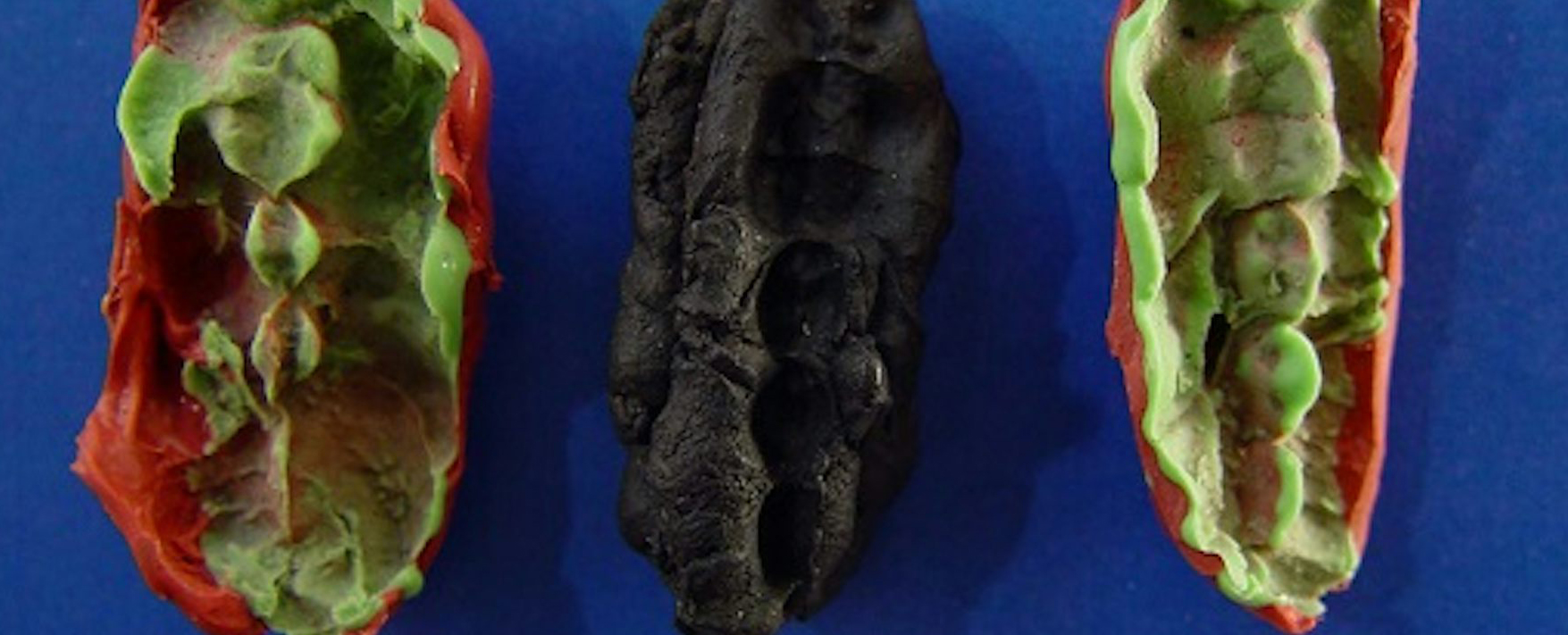
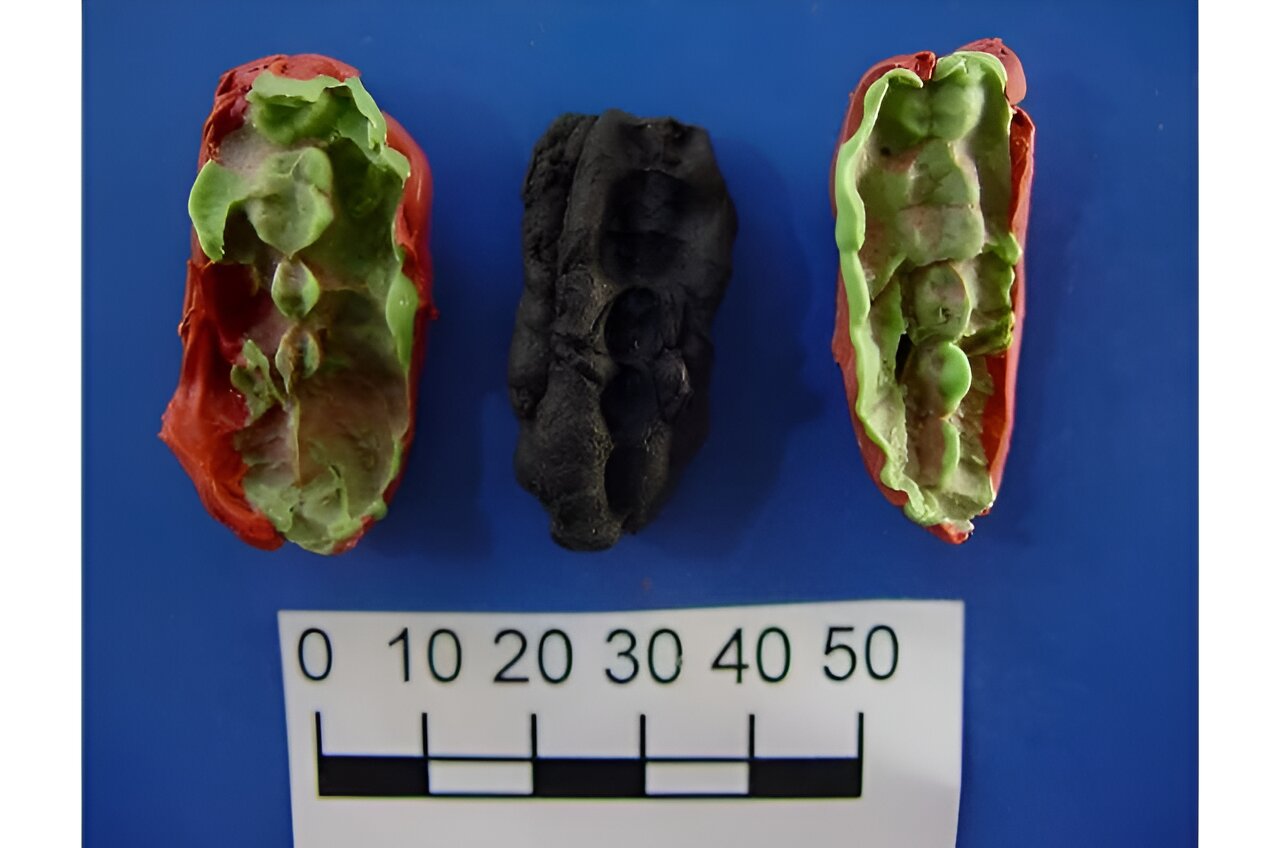
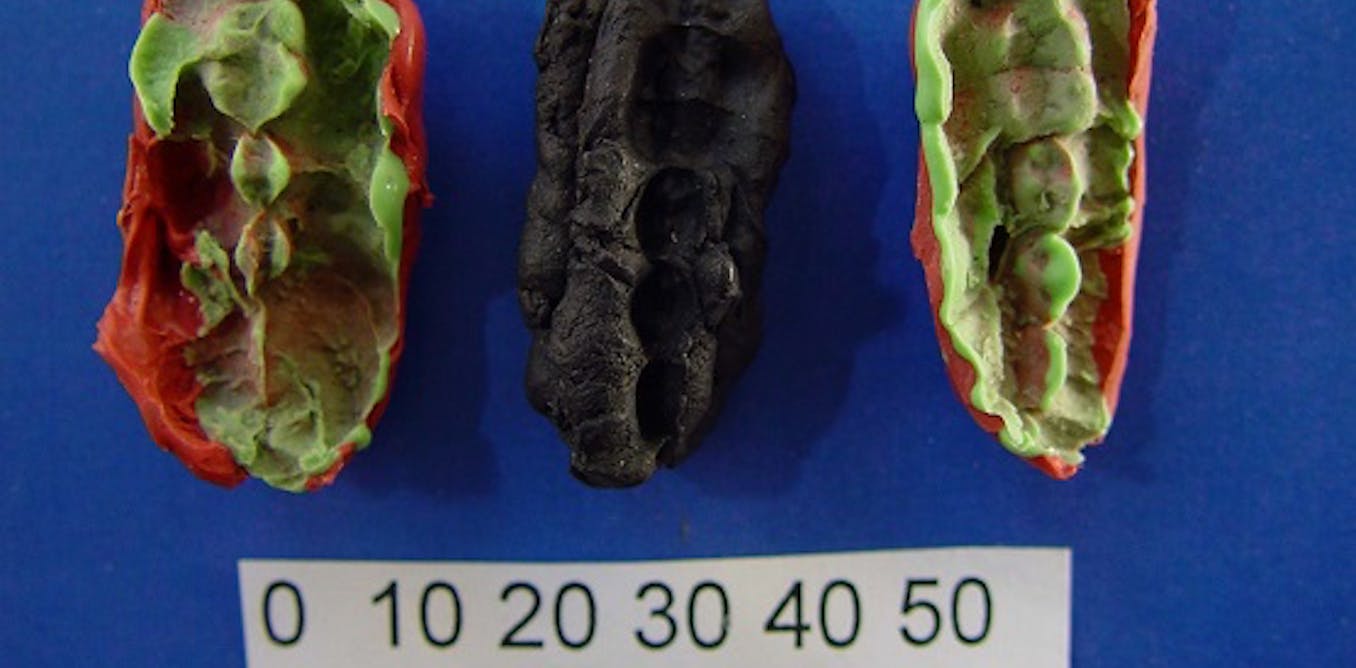
Analysis of chewed resin from Stone Age teenagers at a site in Sweden has provided insights into their lives 9,700 years ago. DNA analysis of the resin revealed human DNA, indicating the presence of teenagers of both sexes. The resin also contained DNA from bacteria, fungi, red deer, brown trout, hazelnuts, and possibly fox. The study suggests that the teenagers were using the resin for tool making and recreational or medicinal purposes. The analysis also indicated that one of the teenagers likely suffered from severe gum disease. This research provides valuable information about the lifestyle and health of Stone Age people and opens up new possibilities for understanding ancient cultures through DNA analysis.

archaeology2 years ago

"Stone Age Chewing Gum Unveils Scandinavia's Ancient Diet and Health"

DNA analysis of chewed resin from Stone Age hunter-gatherers in Scandinavia reveals their diet, health, and culture. The resin, dated to 9,700 years ago, contained human DNA, indicating the presence of teenagers, both boys and girls, who were likely preparing glue for tool making. The DNA also revealed traces of bacteria associated with periodontitis, suggesting that one of the teenagers suffered from severe gum disease. Additionally, DNA from red deer, brown trout, and hazelnuts was found, shedding light on the group's diet and lifestyle during the Mesolithic period.

archaeology2 years ago

"Stone Age Chewing Gum Unveils Ancient Diet and Health Secrets"

An international research team led by Stockholm University analyzed chewed resin dating back 9,700 years from the west coast of Scandinavia, revealing the dietary habits of Stone Age people engaged in fishing and hunting. The DNA-rich mastic unveiled a diverse culinary palette including deer, trout, and hazelnuts, providing a rare glimpse into Mesolithic life and shedding light on their dental health.

archaeology2 years ago

"Revealing Stone Age Diets and Dental Health Through Ancient Chewing Gum DNA"

Ancient chewing gum from the Stone Age has provided insights into the diet and lifestyle of people living on the west coast of Scandinavia over 10,000 years ago. Analysis of DNA extracted from the gum revealed a varied diet including deer, trout, and hazelnuts, shedding light on the transition from nomadic hunter-gatherers to settled agricultural societies. The research also uncovered health challenges faced by these ancient Scandinavians, offering a snapshot of their lives and the legacy of Stone Age hunter-gatherers in human evolution.

archaeology-genetics2 years ago

"Revealing Stone Age Diets and Dental Health Through Chewing Gum Analysis"

DNA analysis of chewed resin from Stone Age hunter-gatherers in Scandinavia reveals their diet, health, and cultural practices. The resin contained human DNA, providing some of the oldest human genomes from Scandinavia, as well as DNA from bacteria, fungi, red deer, brown trout, hazelnuts, and foxes. The analysis suggests that one of the teenagers had severe gum disease (periodontitis) and provides insights into the oral microbiome and potential diseases of the ancient group. This research sheds light on the lifestyle and health of ancient Scandinavians during the Mesolithic period.