The Trump administration is overhauling federal student loan repayment plans, phasing out the popular SAVE plan and reducing available options, which may leave borrowers with fewer affordable choices and increase the risk of default, especially for new borrowers after July 1, 2026.
The Senate narrowly approved a bill that significantly reduces the number of federal student loan repayment options, caps graduate loan amounts, and affects current SAVE plan borrowers, with potential implications for future borrowers if the House passes the legislation.
The US government is intensifying efforts to collect on defaulted federal student loans through wage garnishment and Treasury Offset, potentially affecting over 10 million borrowers, while recent legislation threatens to increase payments for millions enrolled in the SAVE plan, delaying loan forgiveness and raising financial burdens.
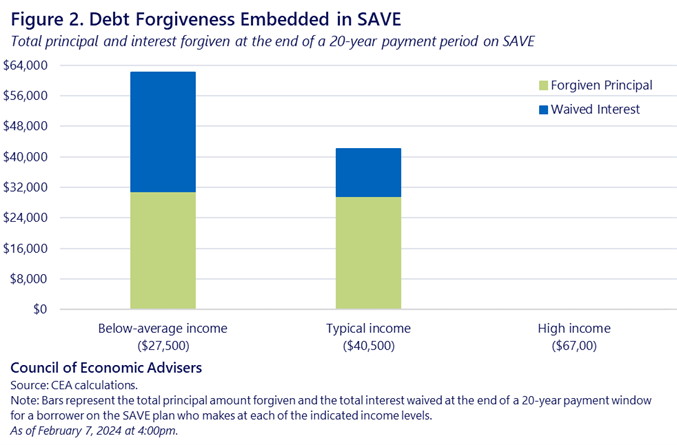
The Biden Administration has initiated the forgiveness of $60 million in student loans for over 7,500 Ohioans enrolled in the income-driven SAVE plan, with more borrowers across the country expected to benefit from the $1.2 billion forgiveness program. Eligible borrowers must be enrolled in the SAVE plan, have made at least 10 years of payments, and originally taken out less than $12,000 in loans. The plan, designed for low- and middle-income borrowers, sets monthly payments based on discretionary income and has recently expanded to provide relief for more individuals.
President Joe Biden will announce $1.2 billion of student debt relief for nearly 153,000 borrowers and will send emails to ensure they know about it. The relief covers borrowers enrolled in Biden’s new loan repayment program, who initially borrowed $12,000 or less and have been repaying their debt for at least 10 years. The administration has approved loan discharges totaling nearly $138 billion for nearly 3.9 million borrowers through various administrative actions. The latest tranche of loan forgiveness is part of Biden’s new loan repayment program, known as the SAVE plan, which offers lower monthly payments based on borrowers’ income and an easier path to debt cancellation after years of payments.
The U.S. Supreme Court is set to hear a challenge to the EPA's "good neighbor" provision aimed at reducing smog and air pollution, while Alabama fertility clinics face uncertainty after a state Supreme Court ruling on frozen embryos. The Education Department has wiped out student loan balances for nearly 153,000 borrowers under the new SAVE plan, and a photo project highlights the experiences of Ukrainian caretakers in Italy. Health experts offer advice on maintaining muscle strength, and Australian scientists have discovered the fastest-growing black hole ever recorded, while tech startups are developing AI agents to complete everyday tasks.
President Biden has announced the approval of $1.2 billion in student debt cancellation for almost 153,000 borrowers enrolled in the SAVE repayment plan, ahead of schedule. This brings the total student debt cancellation under the Biden-Harris Administration to nearly $138 billion for almost 3.9 million borrowers. The SAVE plan provides debt forgiveness to borrowers who have been in repayment for as little as 10 years and took out $12,000 or less in student loans. The administration is also making efforts to enroll more borrowers in the SAVE plan and has taken historic steps to improve the student loan program and make higher education more affordable for more Americans.
President Biden announced that student borrowers who took out less than $12,000 in loans and have been in repayment for 10 years could have their remaining loan balance canceled immediately starting in February, as part of the new Saving on a Valuable Education (SAVE) plan. This plan aims to provide debt relief to community college borrowers, low-income borrowers, and those struggling to repay their loans, and links repayments to income, potentially lowering monthly payments to $0 for some borrowers. About 6.9 million borrowers are enrolled in the new plan, with approximately 3.9 million having monthly payments of $0.
The Biden administration is fast-tracking a plan to erase the debts of federal student loan borrowers who initially borrowed less than $21,000, with debts automatically erased in February for those who borrowed $12,000 or less and have been in repayment for at least 10 years, as long as they enroll in the new income-based repayment plan known as SAVE. The plan exempts more of a borrower's income from the monthly payment math than previous plans and promises multiple windows for loan forgiveness, drawing criticism from House Republicans while President Biden vows to veto any bill to kill the plan.
The Biden administration has announced plans to forgive the student loans of borrowers who have been in repayment for a decade or more and originally took out $12,000 or less, with the relief expected to start next month for those enrolled in the new Saving on a Valuable Education (SAVE) plan. The U.S. Department of Education is launching an outreach campaign to encourage eligible borrowers to sign up for the SAVE plan, aiming to provide faster debt relief for struggling borrowers, particularly those with smaller loans, who have been making payments for years.
Student loan borrowers are preparing for the resumption of payments, but there are repayment options available. Missing a payment between now and next September won't impact credit scores due to a one-year grace period. The Saving on a Valuable Education (SAVE) plan can significantly reduce loan amounts and offer $0 monthly payments, forgiving loans after 10 years instead of 20. The plan also prevents loan balances from increasing for borrowers who make payments on time. However, borrowers must sign up for the SAVE plan to access its benefits, as there are opponents in Congress seeking to block it.
The Biden administration has introduced a 12-month on-ramp to repayment for federal student loans, starting in October 2023. During this period, borrowers will have the option to delay making payments without facing negative consequences such as default or credit bureau reporting. However, interest will still accumulate on the loans. The on-ramp provides flexibility for borrowers who may need more time to adjust their budgets, but alternative options like the SAVE income-driven repayment plan, which offers monthly payments as low as $0 and prevents interest accumulation, may be more beneficial. It is advised to explore all available options before deciding on the on-ramp.
Over 4 million people have enrolled in President Biden's new student loan repayment plan, known as SAVE, which aims to lower monthly bills as student loan payments resume in October. The plan, available to most federal student loan borrowers, provides relief to those struggling with debt. While some borrowers were automatically transferred from a previous repayment plan, others must apply for SAVE. The plan calculates payments based on income and family size, with some borrowers seeing payments set at $0. Unpaid interest will not accrue if a full monthly payment is made. Additional parts of the plan will be phased in next year, including shorter time to debt forgiveness. The Biden administration is also pursuing a separate pathway for student loan forgiveness, but it may take months or years to implement.
The Biden administration has introduced the Saving on a Valuable Education (SAVE) repayment plan, which aims to provide affordable student loan repayment options. The plan offers benefits such as affordable monthly payments, a cap on interest charges, and forgiveness after as little as 10 years. However, the plan may not be suitable for everyone, particularly those with mid-level loan balances or parent Plus borrowers. It is recommended to use the Federal Student Aid loan simulator tool to compare repayment options and choose the best plan based on individual circumstances.
The Biden administration is launching a beta website for its new income-driven student loan repayment plan, called the SAVE plan, allowing borrowers to begin submitting applications as federal student loan payments are set to resume in October. The plan aims to lower monthly loan payments for some borrowers and reduce the amount they pay back over the lifetime of their loans. Borrowers can access the beta website and complete the enrollment process, which is estimated to take 10 minutes. The plan determines payments based on income and family size, with some payments as low as $0. The income threshold to qualify for $0 payments has been increased, and more than 1 million additional borrowers are expected to qualify. The full website launch will occur in August, and the plan is expected to cost the federal government between $138 billion and $361 billion over 10 years.