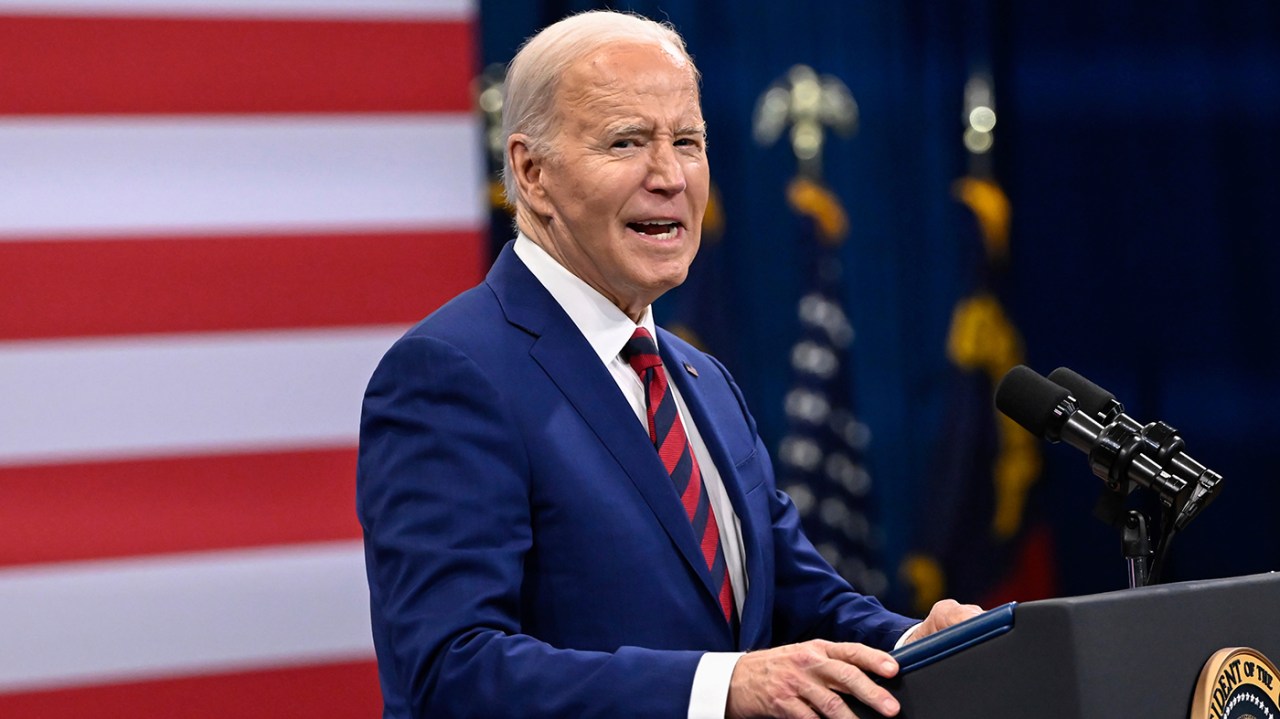
The Biden administration has finalized a rule expected to increase the adoption of electric heavy-duty trucks in the U.S., with projections indicating that over 20% of the heaviest trucks' sales could be electric by 2040. The rule sets average pollution limits for truck fleets, pushing for the use of electric and lower-emitting technologies. It is estimated to prevent a billion metric tons of greenhouse gas emissions by 2055 and reduce other types of pollution, benefiting public health. While environmental groups generally praised the updated standards, some expressed that the rule could have gone further in reducing truck emissions.
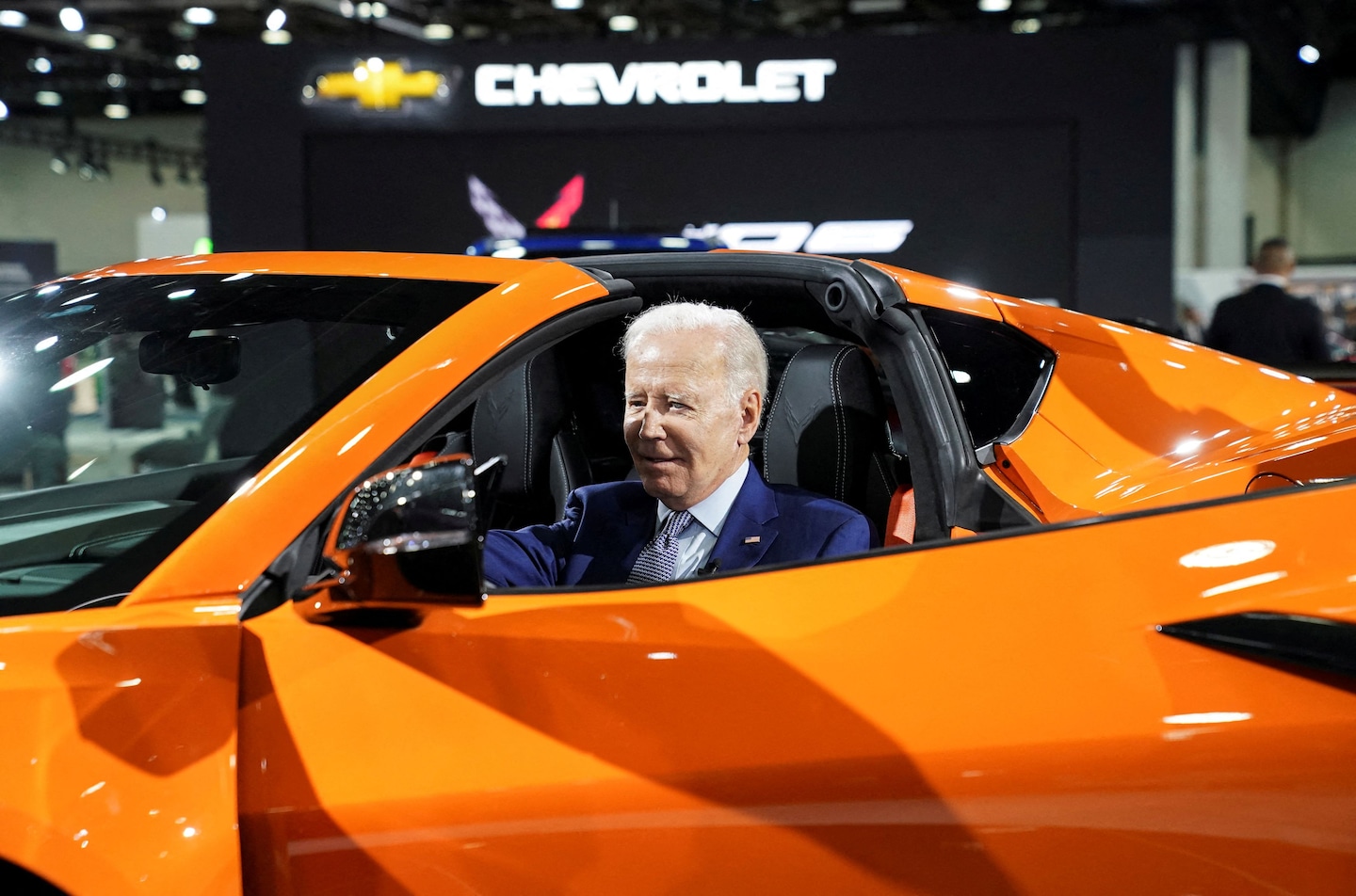
The Biden administration has finalized stringent limits on emissions from passenger cars and light trucks, aiming to accelerate the transition to electric vehicles (EVs) by requiring automakers to increase EV sales and reduce carbon emissions from gasoline-powered models. The rule, a concession to labor unions, allows automakers to comply by boosting sales of plug-in hybrid vehicles as well. Despite a recent slowdown in EV sales, the rule is expected to prevent billions of metric tons of carbon emissions and reduce air pollution-related deaths. However, it faces opposition from Republican-led states, fossil fuel companies, and former president Donald Trump, who has criticized Biden's EV goals.
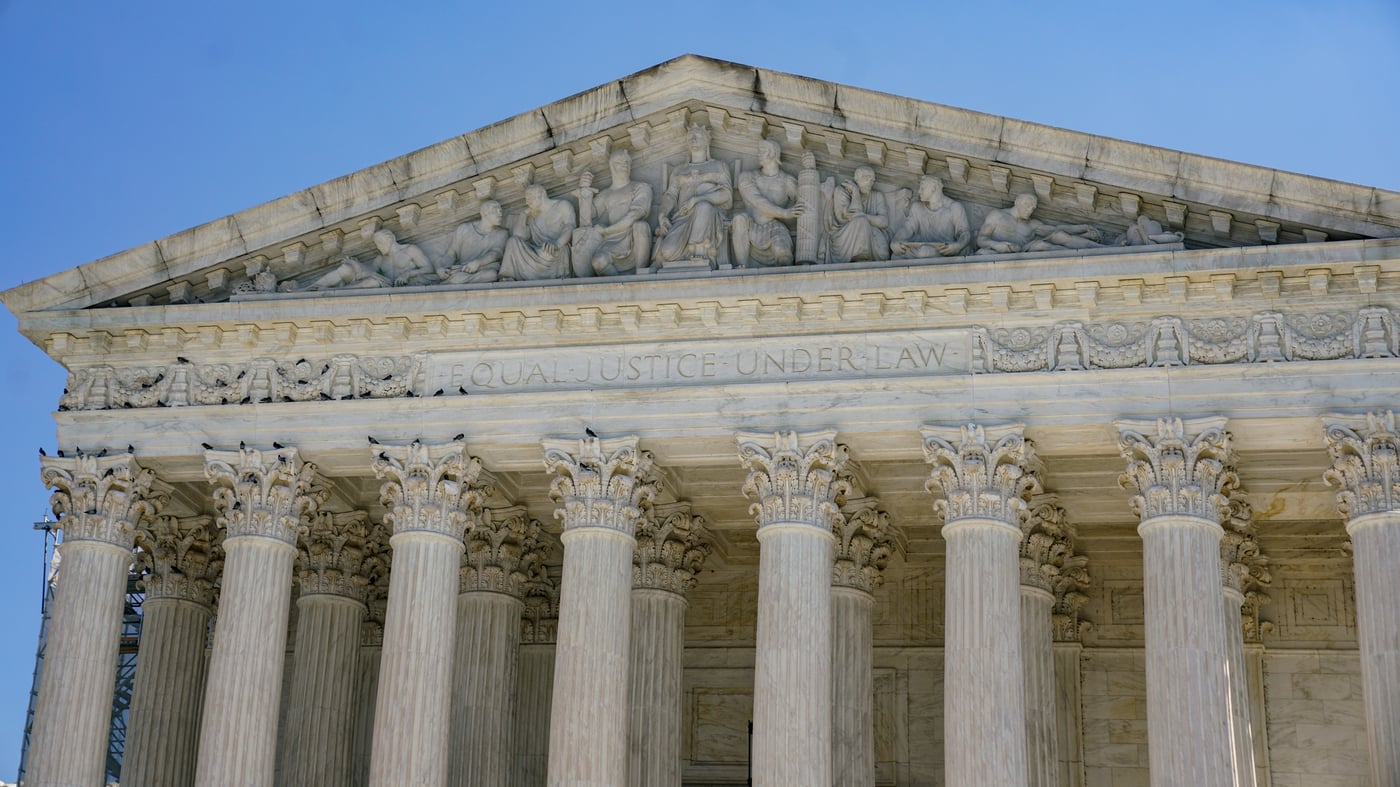
The U.S. Supreme Court is set to hear a challenge to the EPA's "good neighbor" provision aimed at reducing smog and air pollution, while Alabama fertility clinics face uncertainty after a state Supreme Court ruling on frozen embryos. The Education Department has wiped out student loan balances for nearly 153,000 borrowers under the new SAVE plan, and a photo project highlights the experiences of Ukrainian caretakers in Italy. Health experts offer advice on maintaining muscle strength, and Australian scientists have discovered the fastest-growing black hole ever recorded, while tech startups are developing AI agents to complete everyday tasks.