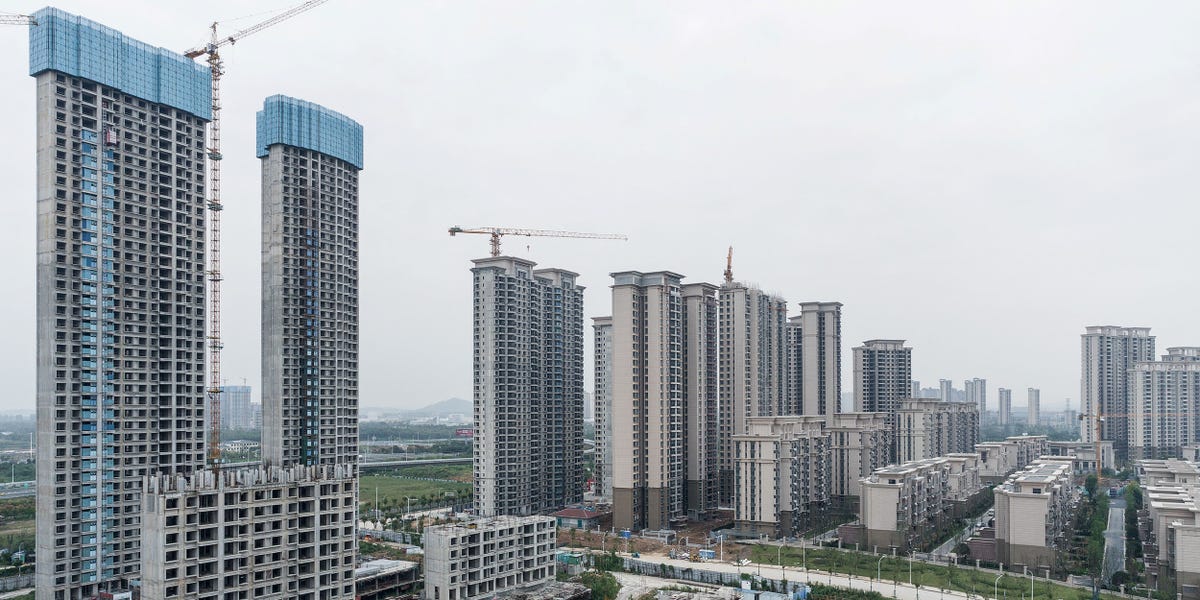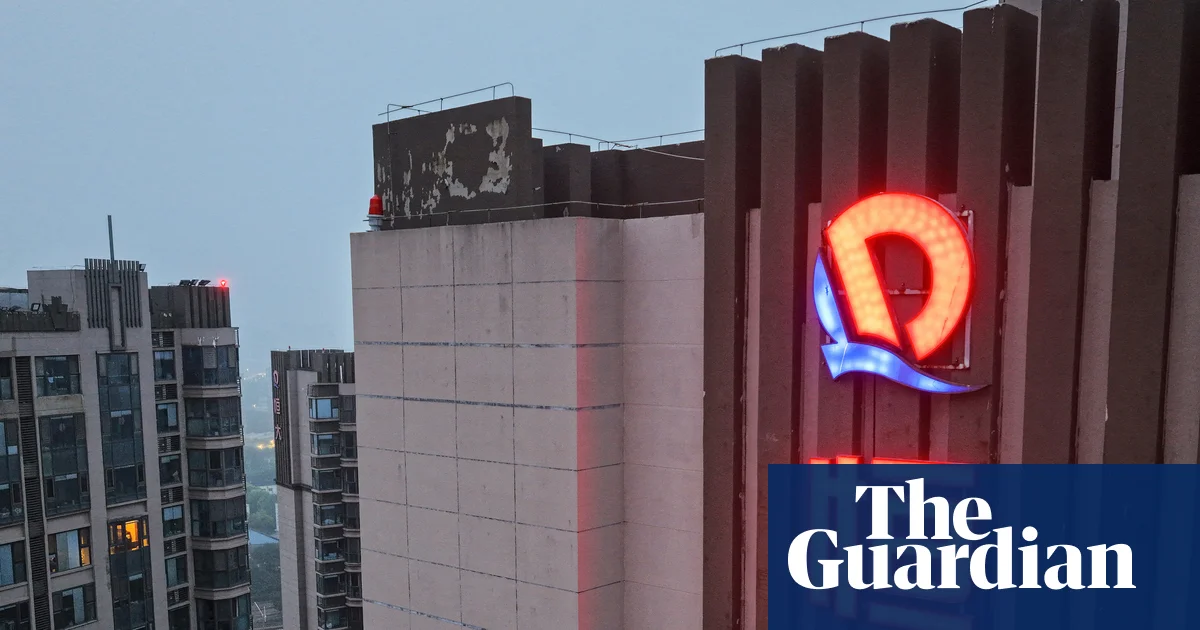
Evergrande, once China’s second-largest property developer, has been delisted from the Hong Kong stock exchange after an 18-month trading freeze and liquidation process, marking its collapse from a peak valuation of over HK$400bn to just HK$2bn amid China’s ongoing property market downturn and massive debt default.
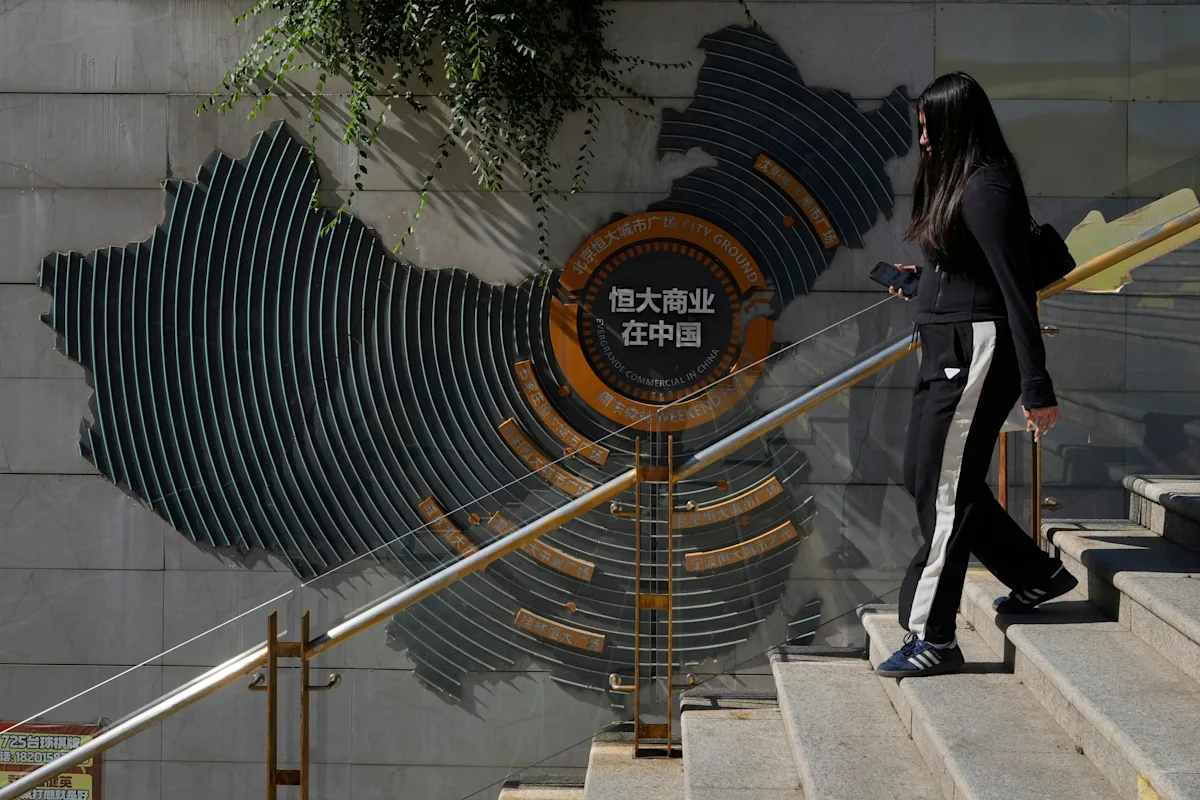
China Evergrande, once a leading property developer, was delisted from the Hong Kong Stock Exchange as it continues to wind up over $340 billion in debts, marking a significant step in its collapse that has contributed to China's ongoing property market crisis and economic slowdown.
The Trump administration is overhauling federal student loan repayment plans, phasing out the popular SAVE plan and reducing available options, which may leave borrowers with fewer affordable choices and increase the risk of default, especially for new borrowers after July 1, 2026.
New World Development faces a critical test as it must pay $5.05 million on a dollar bond, with concerns about potential default amid its high debt levels and liquidity issues, which could impact Hong Kong's real estate market. The company is actively seeking refinancing and asset sales to manage its financial stress.
Many student loan borrowers who voted for Trump oppose the abrupt restart of collections on defaulted loans, citing financial hardship and feeling that the process is happening too quickly, despite some still supporting the goal of loan repayment. The administration resumed negative credit reporting and plans wage garnishments, causing concern among borrowers struggling to meet payments.
China's ongoing real estate crisis could worsen as concerns mount over state-backed developer Vanke seeking debt maturity extensions, raising fears of a potential default that could undermine confidence in all property developers in the country. Despite being considered financially sound, Vanke's reported cash crunch has led to a downgrade by Moody's and prompted Beijing's intervention to coordinate discussions with banks and creditors to avert a default. The situation highlights the significance of state-backed developers in China's economy and the potential for broader economic repercussions both domestically and globally.
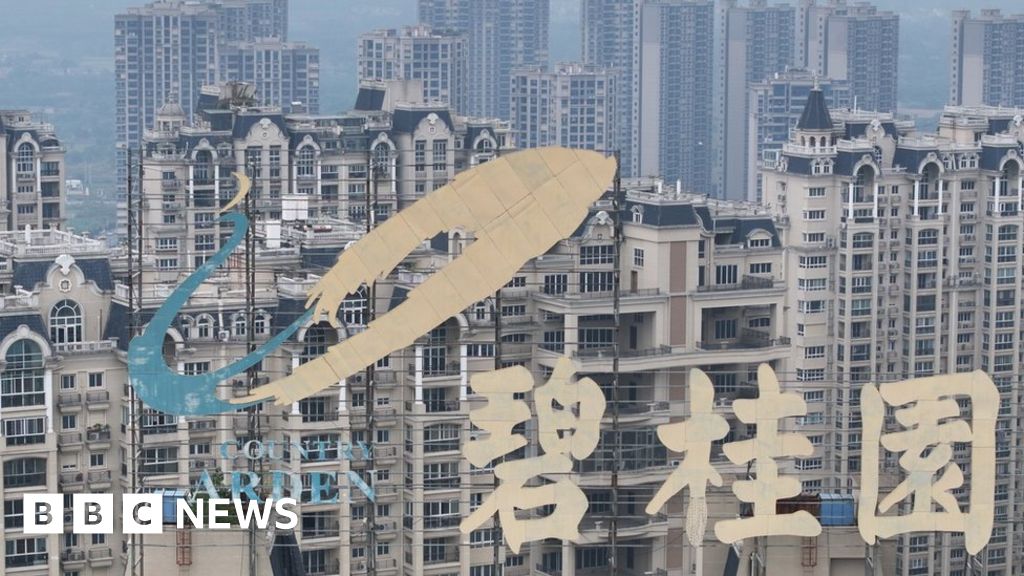
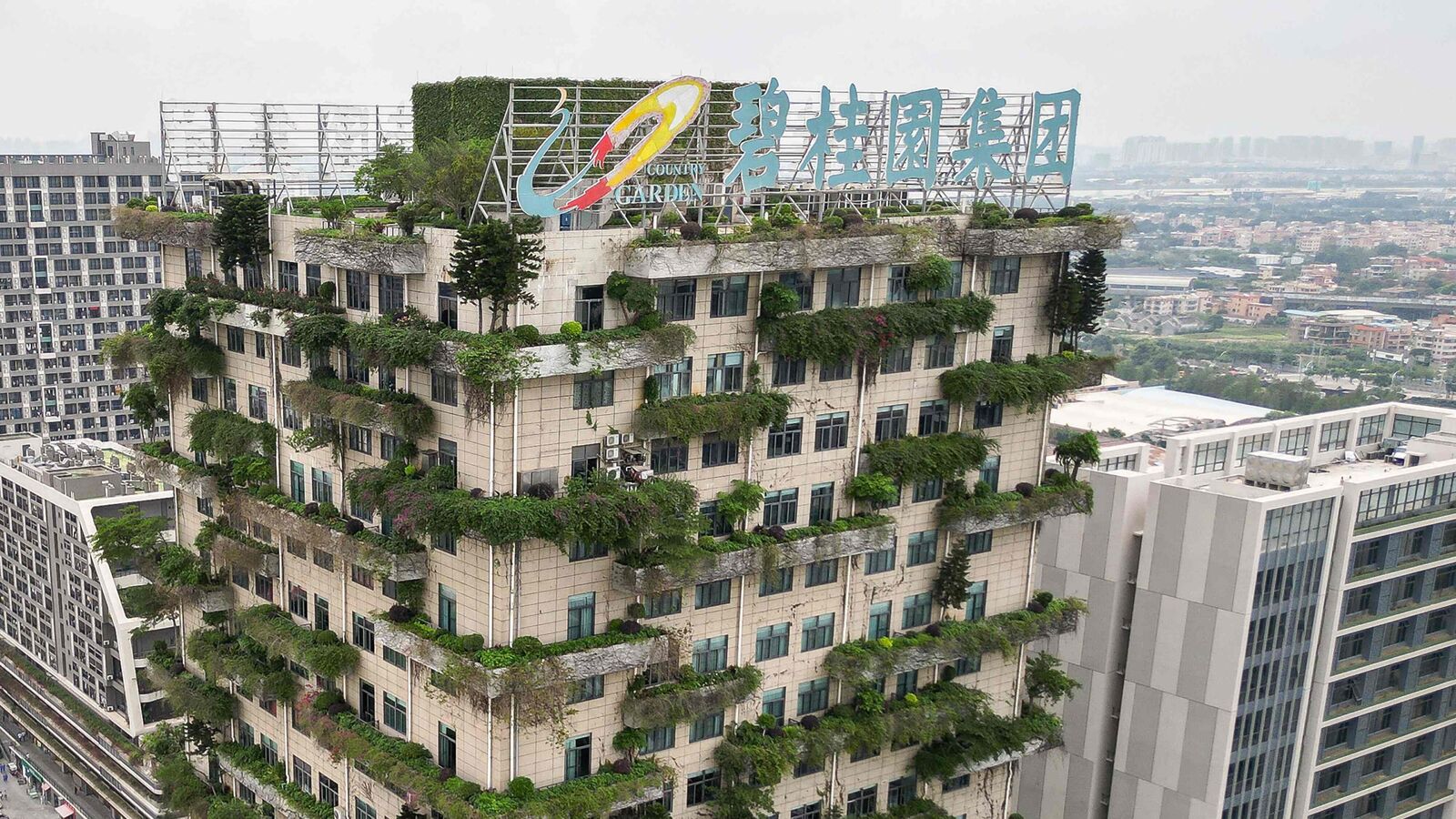
Chinese property developer Country Garden, which defaulted on its debt last year, is now facing a liquidation petition from a creditor after failing to repay a loan. This comes amid a real estate crisis in China, with the collapse of rival firm Evergrande adding to concerns. Country Garden has stated it will vigorously oppose the petition, and a court hearing has been set for May 17. The ongoing real estate downturn in China has led to numerous major developers defaulting on their debt, prompting the central bank to take measures to address the crisis.
Astra, a struggling space company, has defaulted on a recent debt agreement and may not be able to raise the necessary cash as funds dwindle. The company failed to meet minimum cash reserve requirements associated with a $12.5 million note issuance, resulting in a debt of $8 million. While Astra is in discussions with other investors, there is no assurance that additional transactions will be completed in a timely manner, if at all. The company previously cut its workforce by 25% and is expected to report third-quarter results in November.
China's largest private property developer, Country Garden, is reportedly on the verge of defaulting on its overseas debt, adding to concerns about China's post-pandemic recovery. With $11 billion in debt and another $6 billion in onshore loans, a default by Country Garden would mark one of the country's biggest corporate debt restructurings. The property market, which accounts for a third of China's economy, has been struggling, with property sales and investment declining. The possible default by Country Garden follows the crisis faced by rival Evergrande, triggering a real estate market crisis in China.
China's largest private property developer, Country Garden Holdings, is on the verge of defaulting on its $11 billion overseas debt, as it has yet to make a coupon payment due on Wednesday. This potential default would deepen the crisis in China's property sector, which accounts for a quarter of the country's economy. If the payment is not made by midnight in New York, the company will be deemed in default. With $11 billion of offshore bonds and $6 billion of onshore loans, a default by Country Garden could lead to one of China's largest corporate debt restructurings.
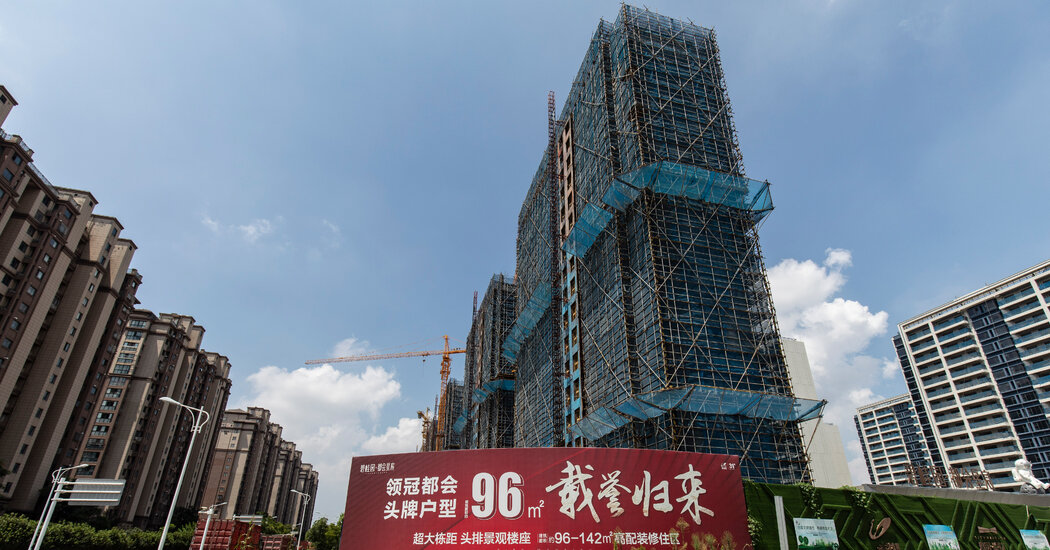
Chinese real estate giant Country Garden has announced that it is unable to repay a loan and expects to miss upcoming overseas debt payments due to plummeting sales amid China's worsening property crisis. The company, once China's largest homebuilder, is facing approximately $187 billion in liabilities and is one of the biggest casualties of the country's imploding real estate market. Country Garden has been selling off assets and negotiating with creditors to restructure liabilities or delay payments, but its struggle to sell new apartments has severely impacted its cash flow. The company's presales of unfinished apartments fell for a sixth straight month in September, down 81% from the same month last year.
Chinese homebuilder Country Garden has warned that it may default on its debts after reporting a loss of $7 billion for the first half of the year. The company attributed the poor performance to the slump in the real estate market, particularly in smaller Chinese cities. Country Garden confirmed that it had missed interest payments on some of its bonds and expressed concerns about its ability to continue as a going concern. The troubled real estate giant is facing a liquidity crisis, which has raised fears of a wider impact on China's economy. In an effort to support the property sector, a major Chinese city, Guangzhou, has relaxed mortgage rules for homebuyers. Country Garden's stock has plummeted this year, and the company is under pressure to pay off its nearly $200 billion in total liabilities.
US stocks closed higher on Friday after a labor market report showing moderating wage growth in May indicated the Federal Reserve may skip a rate hike in two weeks, while investors welcomed a Washington deal that avoided a catastrophic debt default. The tech-heavy Nasdaq index surged to a 13-month intraday high and posted its sixth-straight week of gains that marked its best winning streak since January 2020. All 11 S&P 500 sectors advanced, with the materials index leading, up 3.4%, and the consumer discretionary sector, housing Amazon, close behind, rising 2.2%.
As concerns grow over a potential U.S. debt default, experts recommend protecting your financial well-being by diversifying investments, including allocating funds to bonds and reviewing your 401(k) plan. It is also advised to have an emergency fund and avoid taking on unnecessary debt.
Money market funds have become popular due to low yields on traditional savings accounts and difficulty in cashing in higher-yielding investments. With over $5 trillion in assets, they are important to the financial system. However, a potential debt default could destabilize this crucial piece of infrastructure.