Many federal student loan borrowers are unaware of available relief programs like income-based repayment plans and loan forgiveness, leading some to pay more than necessary; increasing awareness and understanding of these options can help borrowers manage and reduce their debt effectively.
Multiple lawsuits have been filed against the Education Department over a controversial loan forgiveness rule, with plaintiffs arguing it violates the Higher Education Act and First Amendment rights, while the department defends the rule as a neutral enforcement against misuse of taxpayer funds.
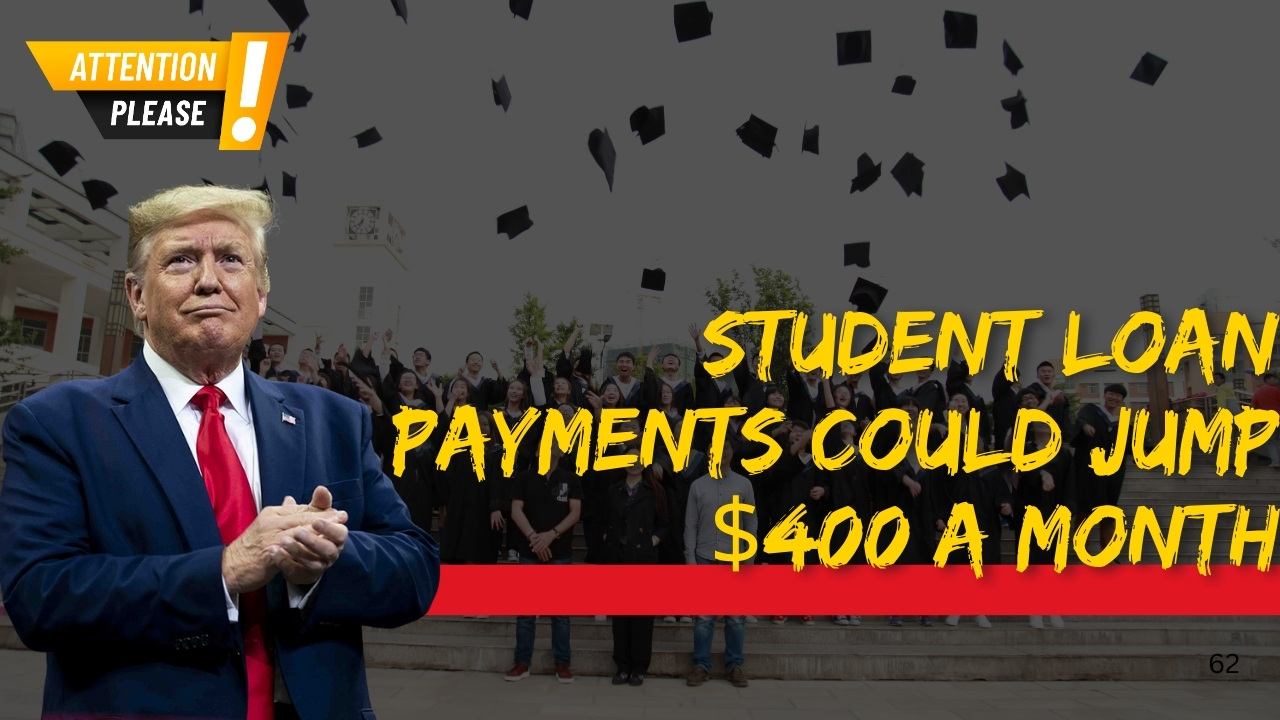
Millions of federal student loan borrowers face potential monthly payment increases of $400 or more due to the new OBBBA law, which phases out several income-driven repayment plans and introduces a new, often more costly, repayment option, impacting current, new, and Parent PLUS borrowers over the next few years.
Approximately 460,000 student loan borrowers will be denied the Biden-era SAVE repayment plan as the program is deemed illegal and being phased out, leading to concerns about higher payments and reduced forgiveness opportunities, with new plans being introduced by the Department of Education amid ongoing legal and legislative changes.
The One Big Beautiful Bill Act, signed into law on July 4, 2025, introduces immediate changes to federal student loan programs, including removing the partial financial hardship requirement for income-based repayment plans, allowing certain consolidation loan borrowers to enroll in IBR, reducing annual loan limits for part-time students, and amending the Public Service Loan Forgiveness program to include payments under the new Repayment Assistance Plan. It also delays the implementation of certain Biden Administration regulations related to borrower defense and closed school discharges, restoring previous regulations for loans before July 1, 2035.
With Donald Trump's potential return to the presidency, federal student loan borrowers face uncertainty as Trump's administration has been opposed to broad-based loan forgiveness initiatives championed by President Biden. Biden's major student loan forgiveness efforts, including the SAVE plan, have faced legal challenges, and Trump's administration could phase them out if they are deemed legal. Additionally, Trump's stance on closing the Department of Education and his opposition to broad loan forgiveness suggest significant changes in student loan policies, leaving millions of borrowers in limbo.
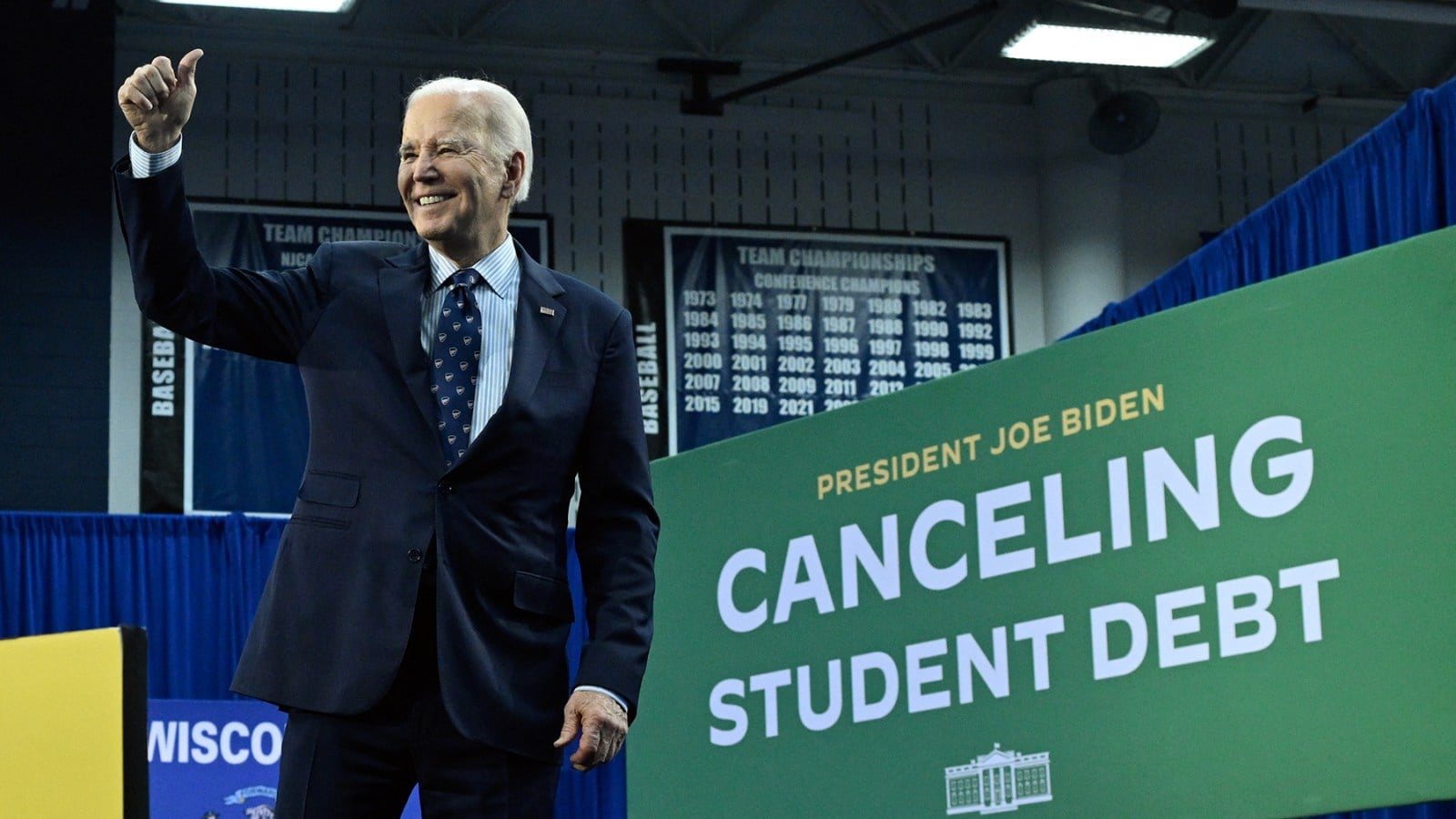
President Biden's administration has announced $7.4 billion in student loan debt forgiveness for 277,000 borrowers through the SAVE program, income-driven repayment adjustments, and fixes to the Public Service Loan Forgiveness program. Notifications will be sent via email, and applications are still open for eligible borrowers. The administration faces legal challenges from Republican states, but continues to unveil new plans for student loan forgiveness, including waiving interest, automatically discharging debt, and assisting borrowers facing hardship.
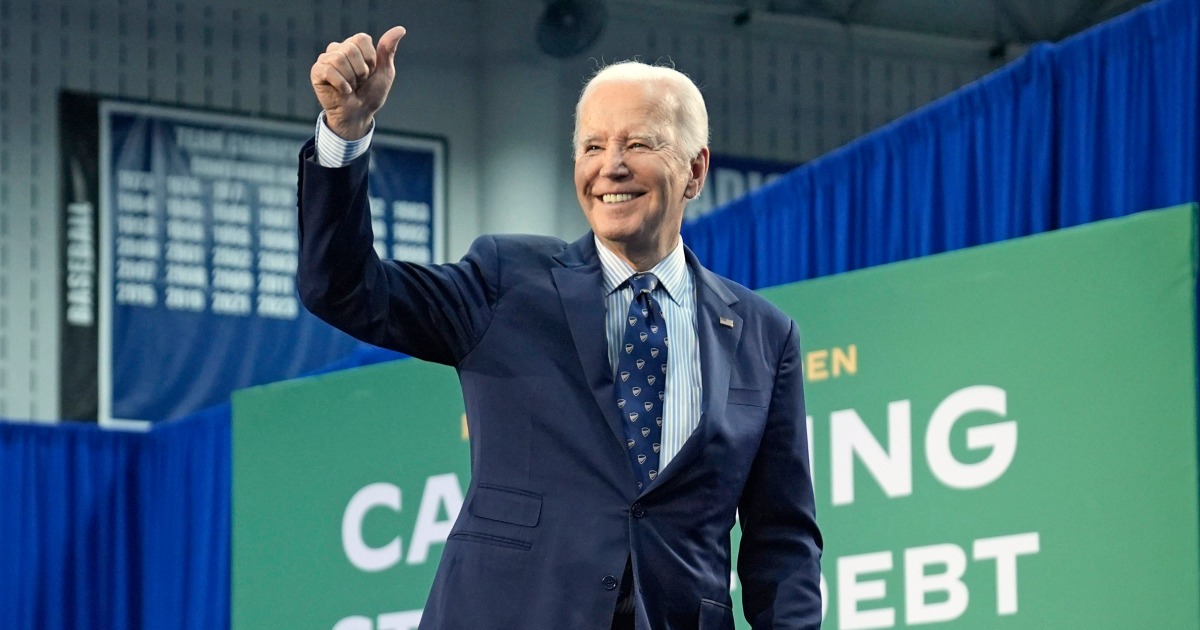
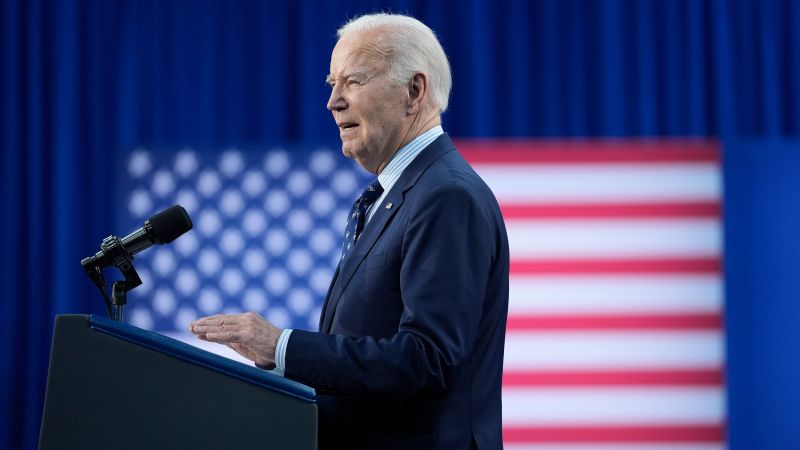
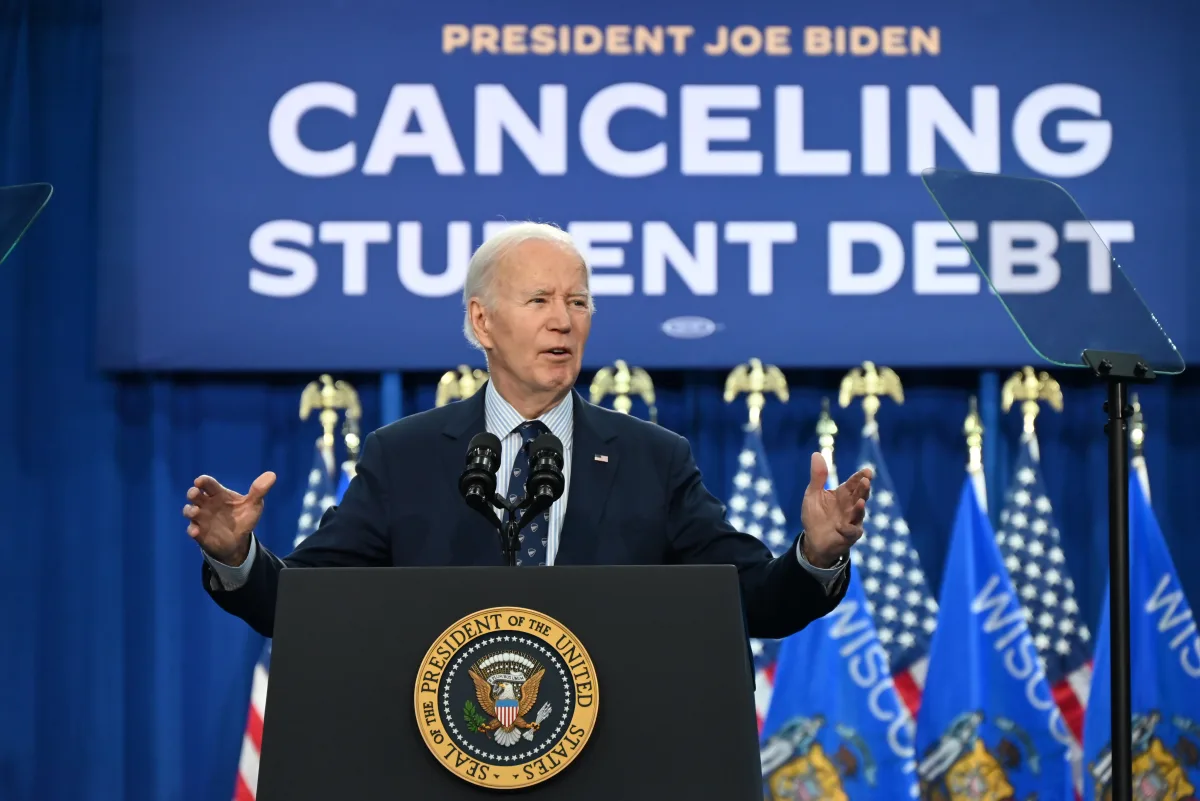
President Joe Biden announced the cancellation of $7.4 billion in student loans for 277,000 borrowers, bringing the total amount canceled to $153 billion for 4.3 million Americans. The relief targets borrowers in specific repayment plans and aims to provide assistance to those facing financial hardship. Biden emphasized his commitment to ensuring higher education is a pathway to the middle class and criticized Republican opposition to debt cancellation. The Education Department plans to waive interest for millions of borrowers, discharge debt for eligible individuals, and assist those in low-financial-value programs. Public input on the proposed actions will be sought in the coming weeks.
The Biden administration has announced the forgiveness of an additional $7.4 billion in student loan debt for 277,000 borrowers, bringing the total amount of student loan debt canceled to $153 billion for nearly 4.3 million people. This move is part of the administration's efforts to provide relief to specific groups of borrowers, such as public sector workers and low-income individuals. However, these actions have faced criticism from Republicans, who argue that the cost is being transferred to taxpayers and that the administration is circumventing legal challenges. Despite facing legal hurdles, the administration continues to work on new proposals to provide relief to certain groups of borrowers, with some potentially taking effect as soon as this fall.
The Biden administration is set to forgive $7.4 billion in student debt for 277,000 borrowers through the new Saving on a Valuable Education (SAVE) plan, with more than 206,000 borrowers benefiting from debt erasure due to shorter repayment periods for small loan amounts, over 65,000 borrowers having their loans canceled through fixes to income-driven repayment plans, and 4,600 borrowers benefiting from improvements to the government's loan forgiveness program for public servants.
President Biden is attempting to cancel student loan debt for up to 25 million borrowers through a new plan that could write down balances by $5,000 to $20,000 per borrower, potentially costing the government billions in lost revenue. The plan targets people who have been paying their loans for 20 years or more, but faces challenges from both Republicans and Democrats. Critics argue that the relief primarily benefits higher-income individuals and lacks corresponding reforms to the student debt program, potentially leading to a return to prior debt levels within five years.
President Biden announced a new student debt relief plan that aims to provide up to $20,000 in interest relief to over 20 million borrowers and full forgiveness for millions more. The plan targets various groups, including those with ballooning loan balances, low- and middle-income borrowers, individuals eligible for existing loan forgiveness programs, and those facing hardships due to medical or child care costs. The proposal still needs to be finalized and faces expected legal challenges, but could potentially provide significant relief to nearly 30 million Americans.
The Biden administration has announced new student loan plans that could provide relief to millions of Americans, including $20,000 in loan forgiveness for balances that have grown due to unpaid interest, automatic debt relief for those who qualify under certain programs, and relief for those enrolled in low-financial-value education programs or experiencing financial hardship. The administration estimates that more than 30 million Americans would benefit from these plans, with a focus on helping Black and Latino borrowers and those who attended community college. If finalized, the plans would begin this fall, but they are likely to face legal challenges.
The Biden administration has unveiled a new plan to eliminate student debt for millions of Americans, offering targeted relief to specific groups of borrowers, including those who've carried debt for many years and those struggling to make payments. The plan aims to cancel up to $20,000 in interest for any borrower, with additional relief for low and middle-income borrowers enrolled in income-driven repayment plans. It also includes automatic discharge for eligible borrowers and relief for long-time borrowers and those experiencing economic hardship. The Education Department must gather public comment on the proposal before issuing a final version of its plan, and it is expected to face legal challenges.
President Biden is set to announce new proposals for partial or complete student loan forgiveness, targeting accrued and capitalized interest on federal student loans. The plan, subject to federal rulemaking process, could see 23 million American borrowers having all of their balance growth forgiven, with single borrowers making under $120,000 per year and enrolled in income-based repayment plans eligible for waiver of the entire amount their balance has grown. The proposals also include automating loan forgiveness programs and canceling student debt for borrowers experiencing hardship, but may face potential legal challenges.