The Trump administration is overhauling federal student loan repayment plans, phasing out the popular SAVE plan and reducing available options, which may leave borrowers with fewer affordable choices and increase the risk of default, especially for new borrowers after July 1, 2026.
Student loan borrowers are preparing for the resumption of payments, but there are repayment options available. Missing a payment between now and next September won't impact credit scores due to a one-year grace period. The Saving on a Valuable Education (SAVE) plan can significantly reduce loan amounts and offer $0 monthly payments, forgiving loans after 10 years instead of 20. The plan also prevents loan balances from increasing for borrowers who make payments on time. However, borrowers must sign up for the SAVE plan to access its benefits, as there are opponents in Congress seeking to block it.
Student loan borrowers who have applied to either the Public Service Loan Forgiveness or Income-Driven Repayment Forgiveness programs can appeal for forgiveness. Under the Public Service Loan Forgiveness program, loans are typically forgiven after 120 payments or ten years of continuous payments. Borrowers can appeal if they have evidence of eligibility or disagree with the payment count. The Income-Driven Repayment Forgiveness plan caps monthly loan payments based on income, and loans can be forgiven after 20-25 years of repayment. Borrowers can also appeal for a one-time adjustment to bring their loans closer to forgiveness. These measures are separate from the Biden administration's plan to wipe out up to $20,000 for federal student loan borrowers, which was struck down by the Supreme Court in June.
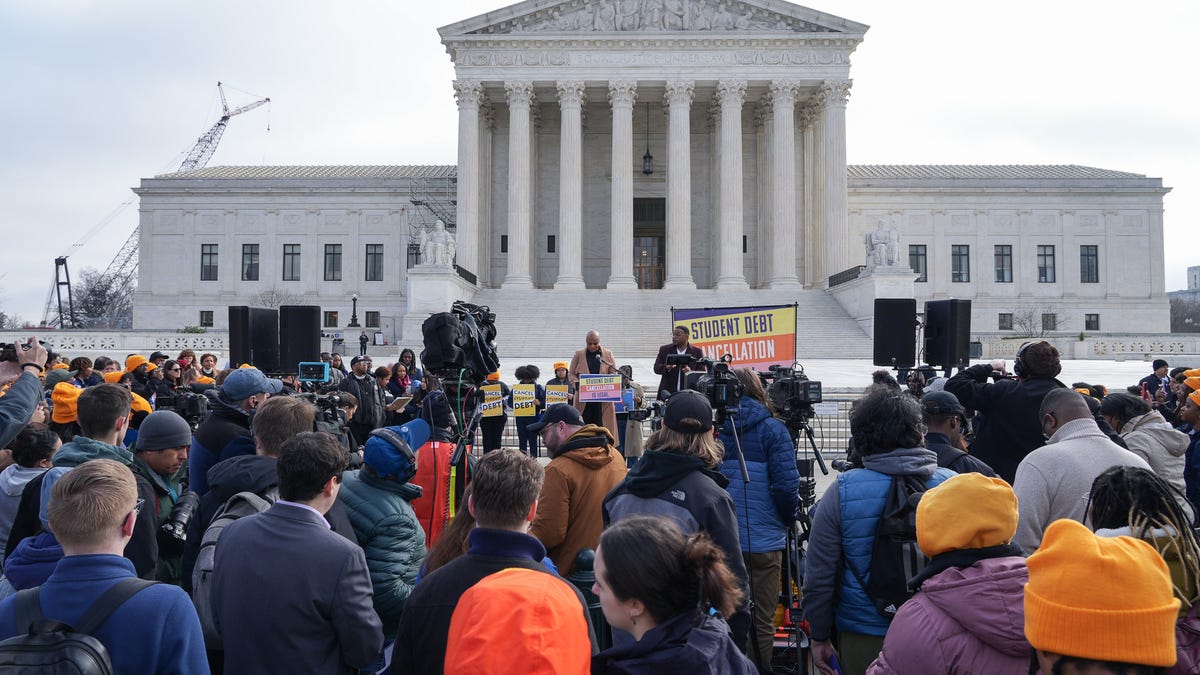
The Supreme Court has ruled against President Joe Biden's plan to cancel student loan debt, meaning that 43 million federal loan borrowers will need to resume payments starting in October. Student loan interest will start accruing on September 1. The average borrower has around $38,000 in loans. However, there are some protections in place, such as the "on-ramp" repayment program, which allows borrowers with late or missed payments to avoid default or credit harm. Borrowers are advised to create a StudentAid.gov profile, check with their loan servicer, and explore repayment options. The fight to cancel student loan debt is not over, as President Biden plans to pursue debt cancellation through the Higher Education Act of 1965.
The student loan payment pause, which began during the pandemic, is ending for 40 million borrowers. Borrowers should confirm their student loan servicer and amount owed, speak with their servicer, look through payment plan options, and consider Biden's student loan relief proposal. The Supreme Court is expected to have a decision on student debt relief by the end of the month.