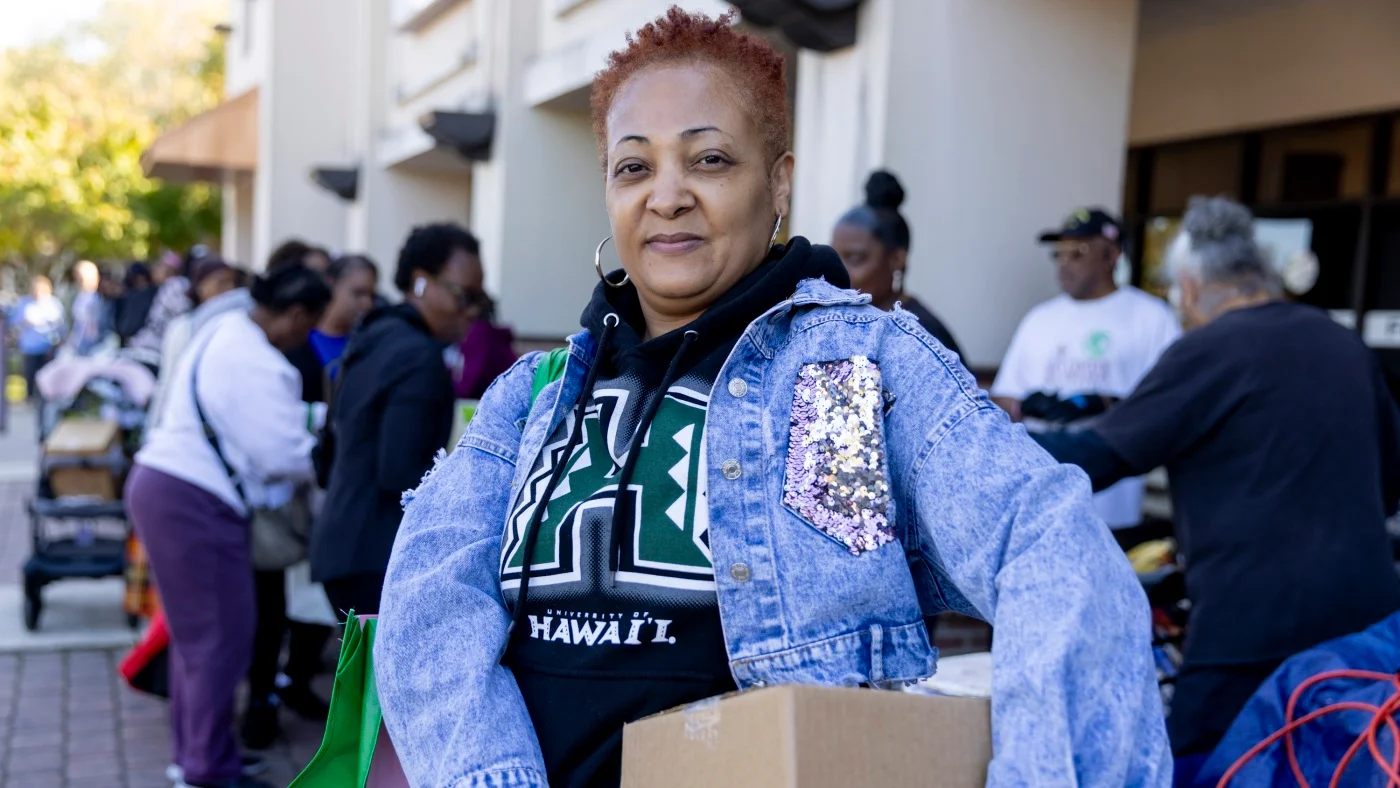
Many federal workers across the U.S. are not receiving their pay due to a government shutdown, leading to increased reliance on food banks and short-term loans, while some essential personnel continue to be paid through alternative funding sources, highlighting the economic strain and community impact of the shutdown.
The Consumer Financial Protection Bureau (CFPB) is distributing $1.8 billion to 4.3 million consumers who were charged illegal fees by credit repair companies, including Lexington Law and CreditRepair.com. This marks the largest distribution from the CFPB's victims relief fund, which is financed by civil penalties from companies violating consumer protection laws. The distribution follows a legal judgment against these companies for violating the Telemarketing Sales Rule. Payments will be sent to affected consumers without requiring any action from them.
The Florida Division of Emergency Management is urging residents to take advantage of two 14-day Disaster Preparedness Sales Tax Holidays, from June 1-14 and August 24-September 6, to purchase essential disaster supplies tax-free. This initiative, supported by Governor Ron DeSantis and the Florida Legislature, aims to help Floridians prepare for the 2024 Atlantic Hurricane Season and save money on necessary items like pet supplies, tarps, batteries, generators, and flashlights.
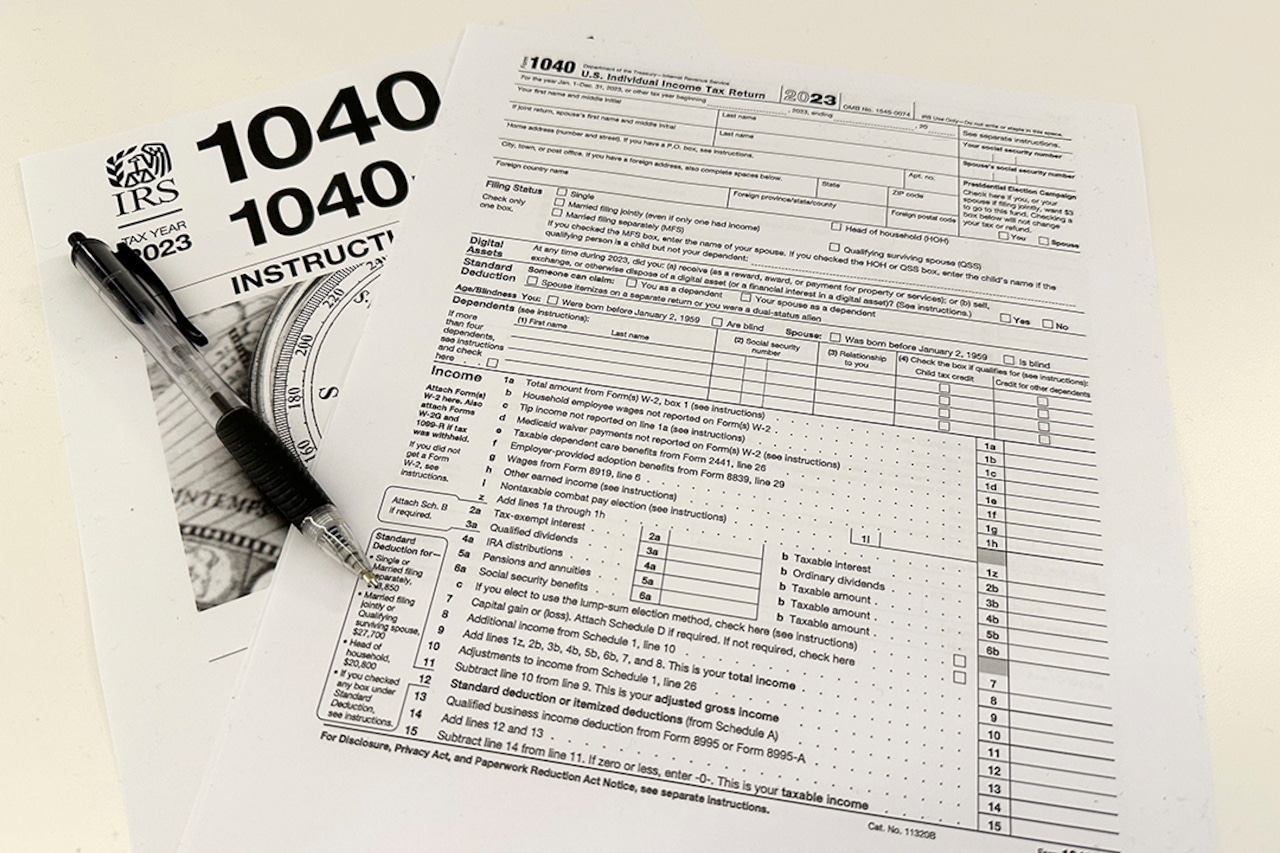
As Tax Day 2024 arrives, several national restaurant chains are offering free or discounted food to help ease the financial burden of tax season. Deals include free sandwiches for Arby's Rewards members, $10 off orders over $40 for California Pizza Kitchen rewards program members, a buy one get one free offer for Krispy Kreme doughnuts, and various discounts and freebies at TGI Friday's, White Castle, Dave & Buster's, Fazoli's, Potbelly, and Grubhub.
The Biden administration is forgiving almost $6 billion in student debt for 77,700 borrowers who are public service employees, such as teachers, nurses, social workers, and firefighters. This forgiveness amounts to about $77,000 per person and is part of the Public Service Loan Forgiveness (PSLF) program. The administration has made changes to the PSLF program, resulting in about 871,000 Americans receiving student loan forgiveness through the program. Recipients will receive an email from President Biden alerting them about their debt cancellation, and an additional 380,000 people enrolled in PSLF will receive an email next week letting them know they are within one to two years of qualifying for debt forgiveness through the program.
The U.S. Department of Education has extended the deadline for income-driven and public student loan forgiveness applications to April 2024, providing at least three years of additional credit toward loan forgiveness. This move is part of the Biden administration's efforts to alleviate financial pressures faced by students and graduates, particularly those affected by past bureaucratic challenges. The extension aims to accurately reflect borrowers' payment histories and includes periods of forbearance or deferment that were previously excluded from forgiveness calculations. The adjustment predominantly benefits borrowers enrolled in Income-Driven Repayment (IDR) plans and those participating in the Public Service Loan Forgiveness (PSLF) program. The change is expected to bring financial relief and stability to a significant portion of the student borrower population.
Governor Gretchen Whitmer has announced that over 700,000 Michigan households will receive Working Families Tax Credit checks in early 2024, providing an average of $550 per person. These checks are part of the $1 billion in tax cuts signed into law earlier in the year. Eligible Michiganders do not need to submit additional paperwork, and checks will be mailed based on their 2022 tax return. The checks will be the difference between the 6% tax credit received and the 30% owed under the new law.
The Home Energy Assistance Program (HEAP) in New York State is accepting applications from November 1 until funds run out or mid-March, providing financial relief to eligible customers for winter heating bills. RG&E predicts lower gas heating bills but higher electric bills this winter, with an approximate $40 reduction in gas costs and a $40 increase in electric costs compared to last year. HEAP also offers financial assistance for repairing or replacing home-heating sources, and RG&E encourages customers to reach out for help if needed. Budget billing and payment plans are available to help customers manage their energy costs.
Alabama residents will start receiving tax rebates next month, with single individuals receiving $150 and married couples receiving $300. The one-time rebates are expected to benefit around 1.9 million state residents. The rebates are being funded by a $2.8 billion surplus in the Education Trust Fund and will cost the state approximately $393 million. Eligible recipients must have filed a state income tax return for 2021 by October 17th of last year. The rebates will be distributed via direct deposit or mailed checks starting from November 30th.
Student loan borrowers are preparing for the resumption of payments, but there are repayment options available. Missing a payment between now and next September won't impact credit scores due to a one-year grace period. The Saving on a Valuable Education (SAVE) plan can significantly reduce loan amounts and offer $0 monthly payments, forgiving loans after 10 years instead of 20. The plan also prevents loan balances from increasing for borrowers who make payments on time. However, borrowers must sign up for the SAVE plan to access its benefits, as there are opponents in Congress seeking to block it.
Entergy Louisiana has partnered with local agencies to provide $1 million in bill payment assistance to qualifying residential customers who have been affected by higher-than-expected utility bills due to the historic heat of the summer. Eligible customers can apply for a one-time $200 credit on their utility bill through their local United Way website. The assistance is available on a first come, first served basis, and customers must meet certain income requirements. Additionally, a portion of the funds will be allocated to Entergy's The Power to Care program, which supports older adults and customers with disabilities.
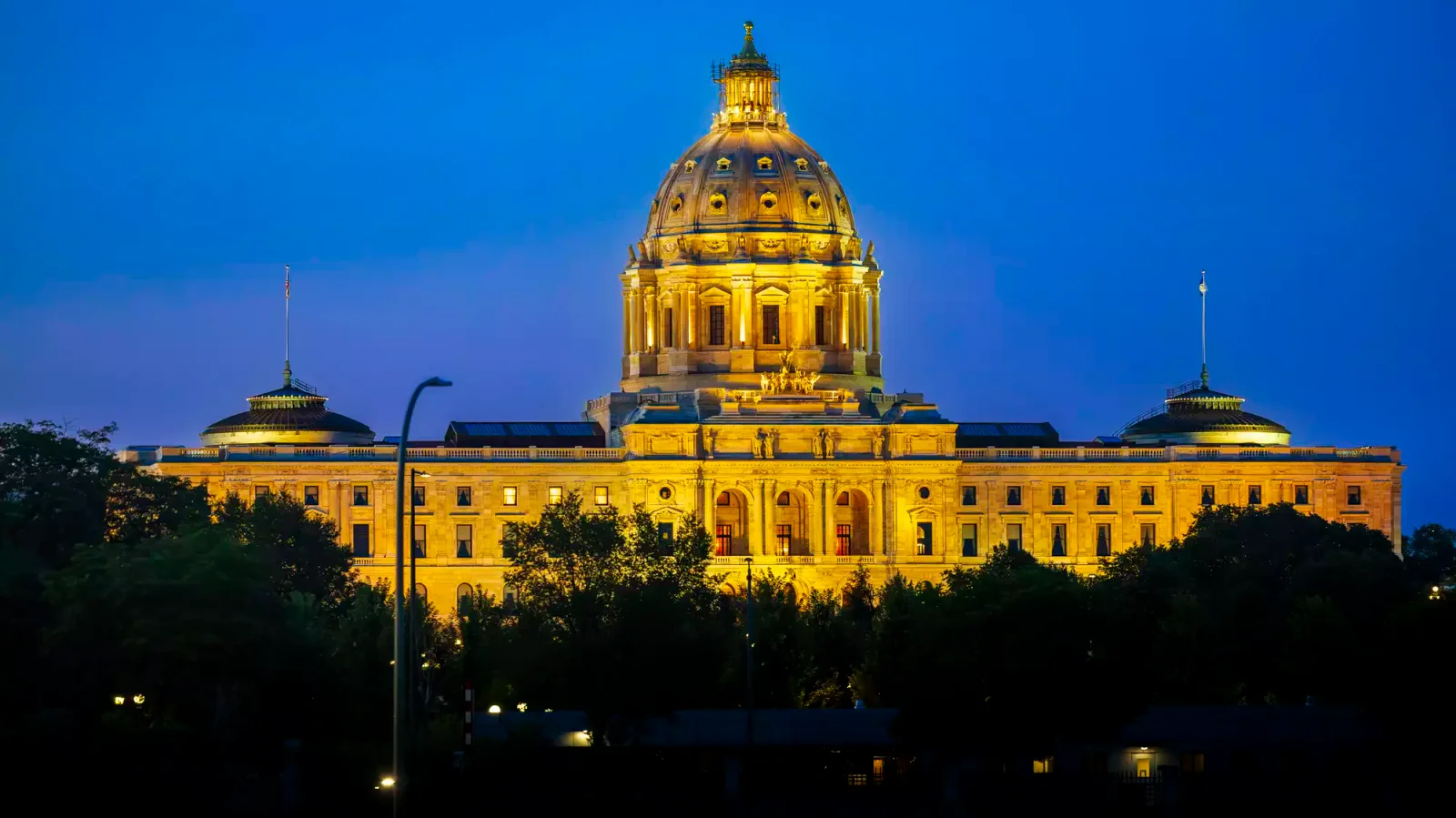
Over $1.1 billion in tax rebates will be distributed to qualifying Minnesotans, with the first wave of payments being direct deposits and paper checks to follow. The rebates were carved out of a projected budget surplus and are reserved for married filers with an adjusted gross income below $150,000 or single filers beneath $75,000. The amount of $260 per person can be multiplied by the number of recipients in a household, with married filers and up to three dependents earning the maximum. The rebates were designed to offset financial hardships during COVID-19 and inflationary pressures, and a final ruling on federal taxation of these payments is pending.