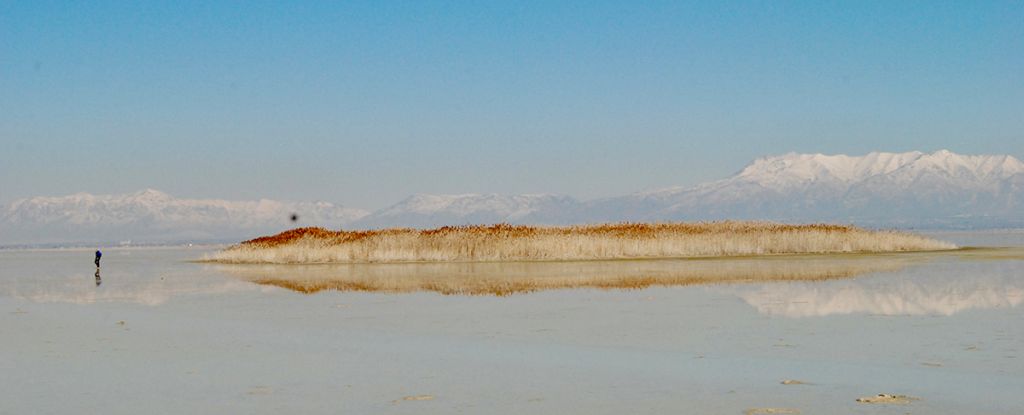
Scientists have discovered that the strange islands appearing on Utah's Great Salt Lake are formed by underground freshwater reservoirs, which may help understand and protect the lake's fragile ecosystem amid declining water levels and increasing salinity.
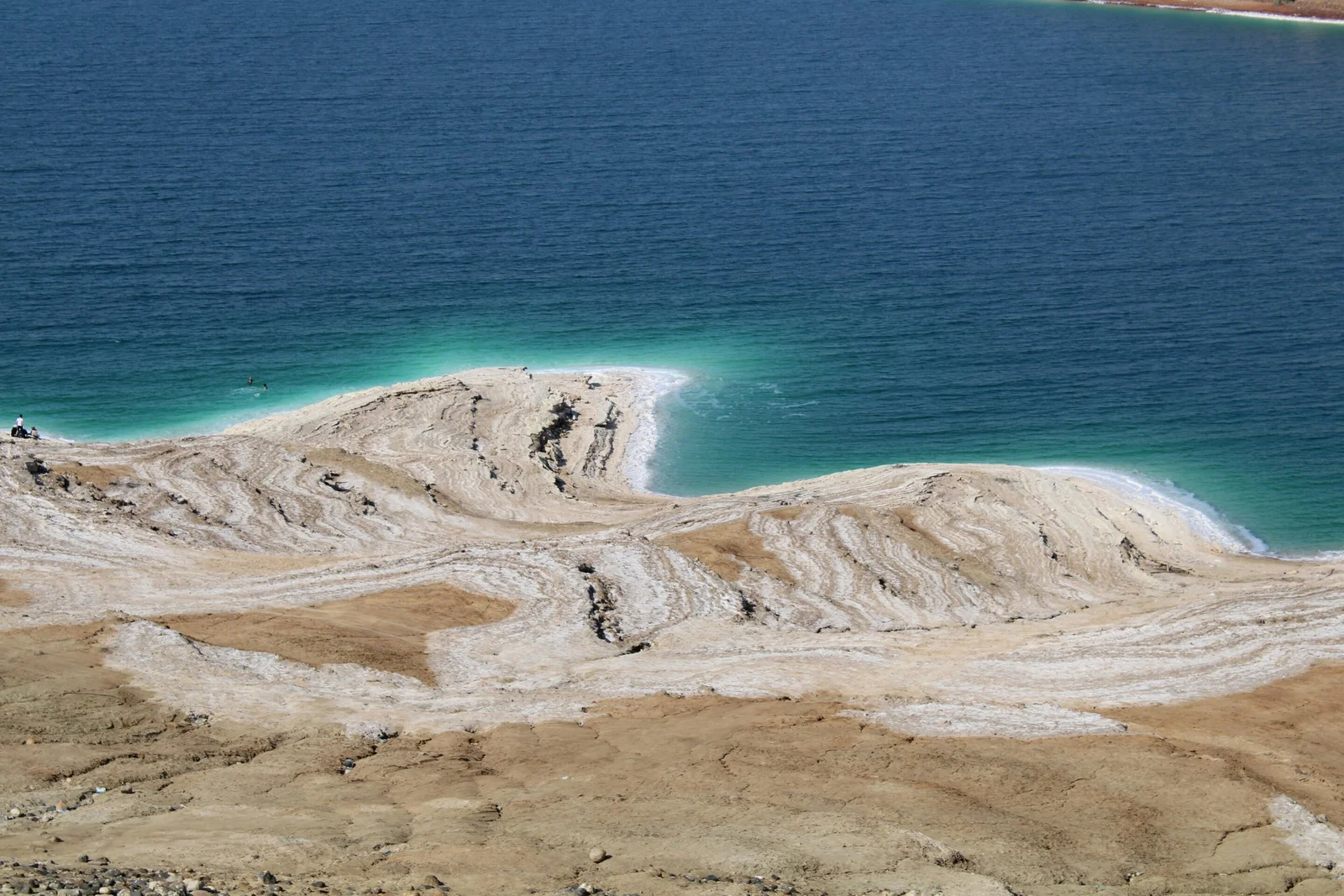
Researchers study the Dead Sea's unique conditions to understand the formation of massive salt deposits, revealing processes like evaporation, temperature fluctuations, and double diffusion that contribute to salt giant formation, with implications for understanding similar structures in Earth's history and potential resource extraction.
Researchers have discovered a historic reversal in the Southern Ocean's circulation, with increasing surface salinity and rising deep waters bringing heat and CO₂ to the surface, disrupting traditional ocean dynamics, accelerating ice melt, and potentially triggering significant global climate impacts similar to the collapse of the Atlantic Meridional Overturning Circulation.
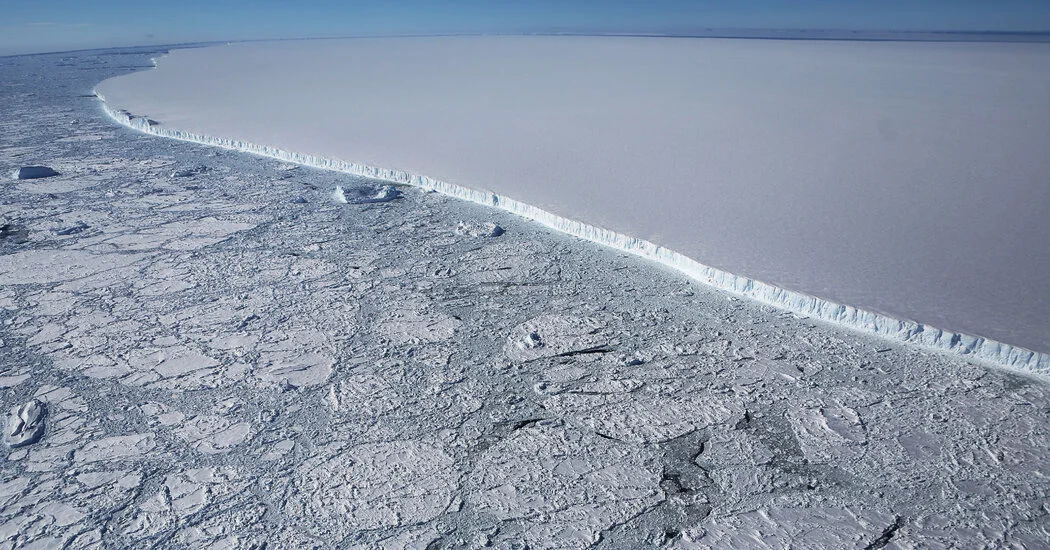
The Southern Ocean around Antarctica is becoming saltier and losing sea ice at an unprecedented rate, driven by a surprising feedback loop where increased salinity causes heat to rise from the depths, melting ice and further accelerating climate change impacts globally. This rapid change threatens ecosystems, sea levels, and weather patterns, highlighting the urgent need for continued monitoring and updated climate models.
A recent study reveals that increasing salinity in the surface waters near Antarctica is accelerating sea ice melt, contributing to the observed decline in Antarctic sea ice over the past decade and indicating a shift to a new environmental system.
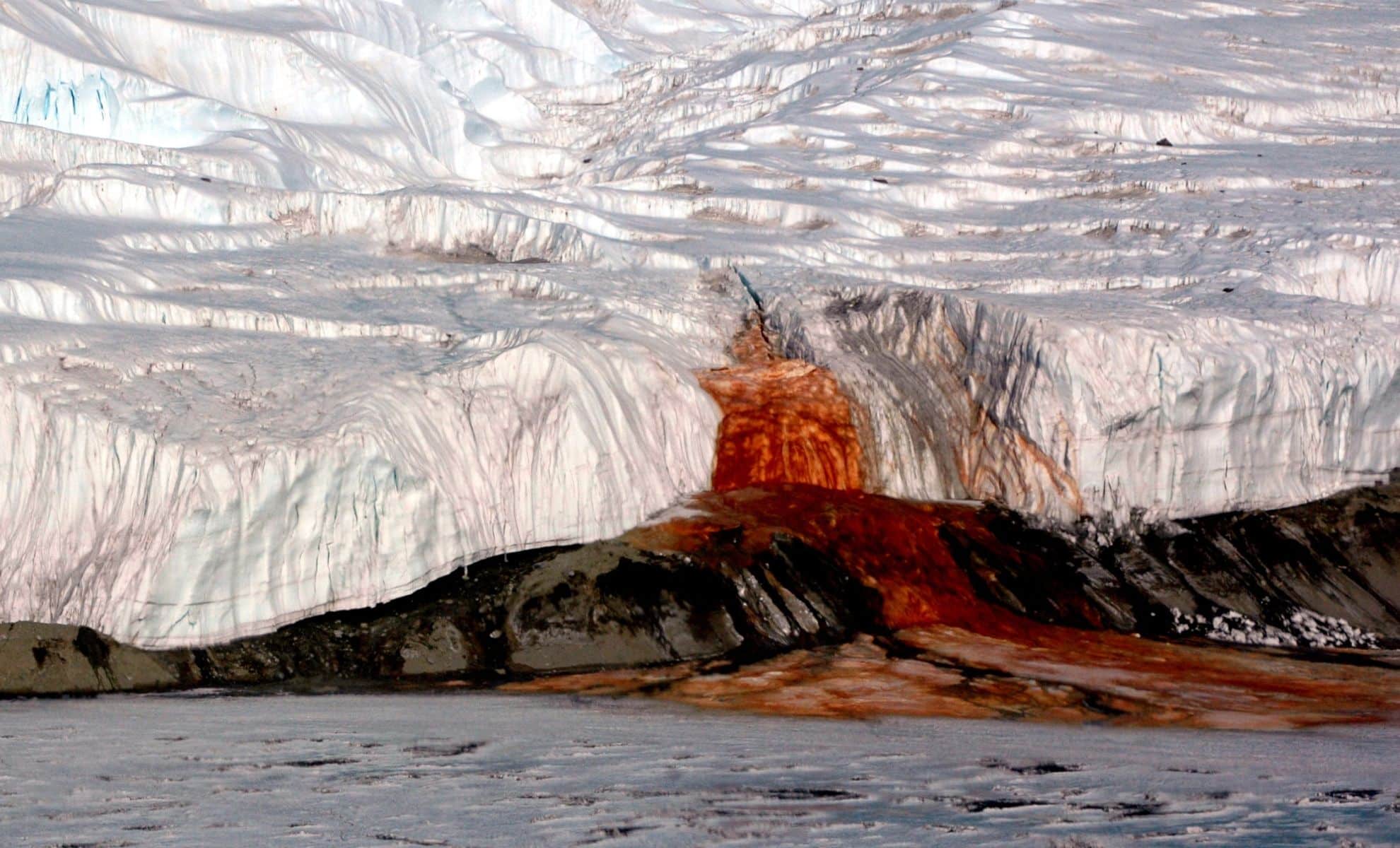
Scientists have discovered that Antarctica's Blood Falls is caused by ancient, iron-rich, highly saline water trapped beneath a glacier for around 1.5 million years. The high salinity prevents freezing in extreme cold, and when the iron oxidizes upon contact with air, it turns the water red, creating the striking waterfall.
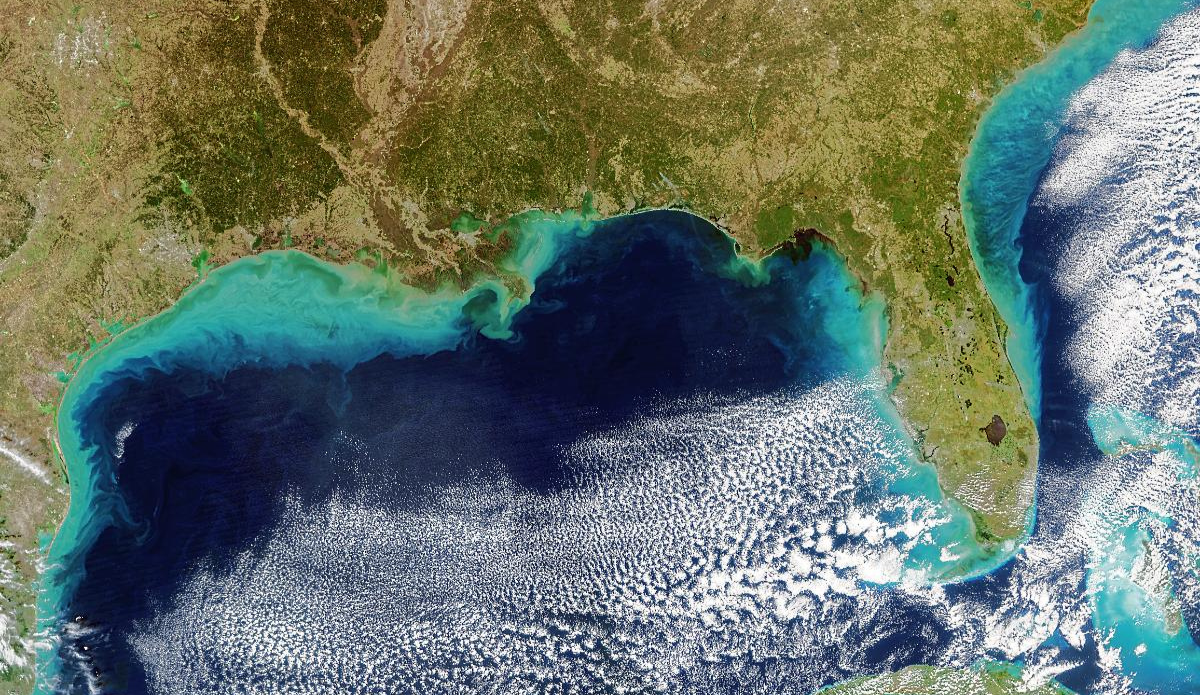
NASA has observed how El Niño affects the salinity of coastal waters, with satellite images revealing changes in sediment marks and dissolved salt content. The event leads to less freshwater flowing from rivers into the ocean, resulting in higher salt content at river mouths and up to 125 miles from shore. This relationship between El Niño/La Niña weather cycles and the coastal water cycle will have significant impacts on marine environments and global climate as weather events intensify.
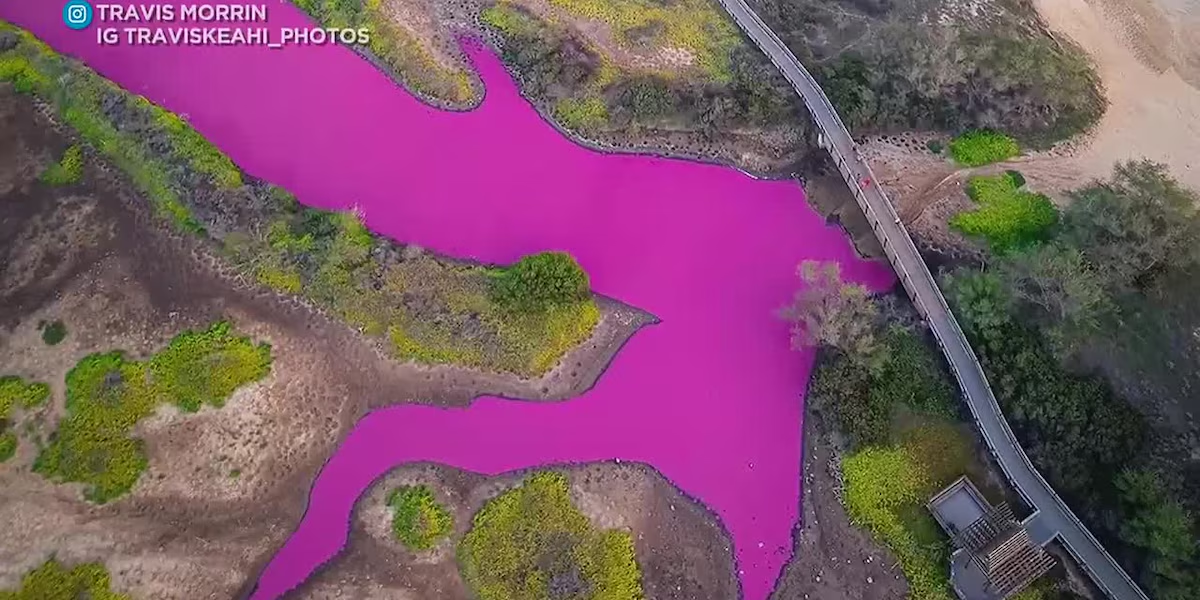
Kealia Pond in Maui, Hawaii, has turned a vibrant pink and purple color due to a natural phenomenon caused by a type of halobacteria found in waters with high salinity. The U.S. Fish and Wildlife Service confirms that the pink water has been present for the last nine days and is not likely toxic. Samples have been sent to the University of Hawaii for further testing. Spectators are enjoying the rare and beautiful sight, which has drawn a crowd of onlookers.