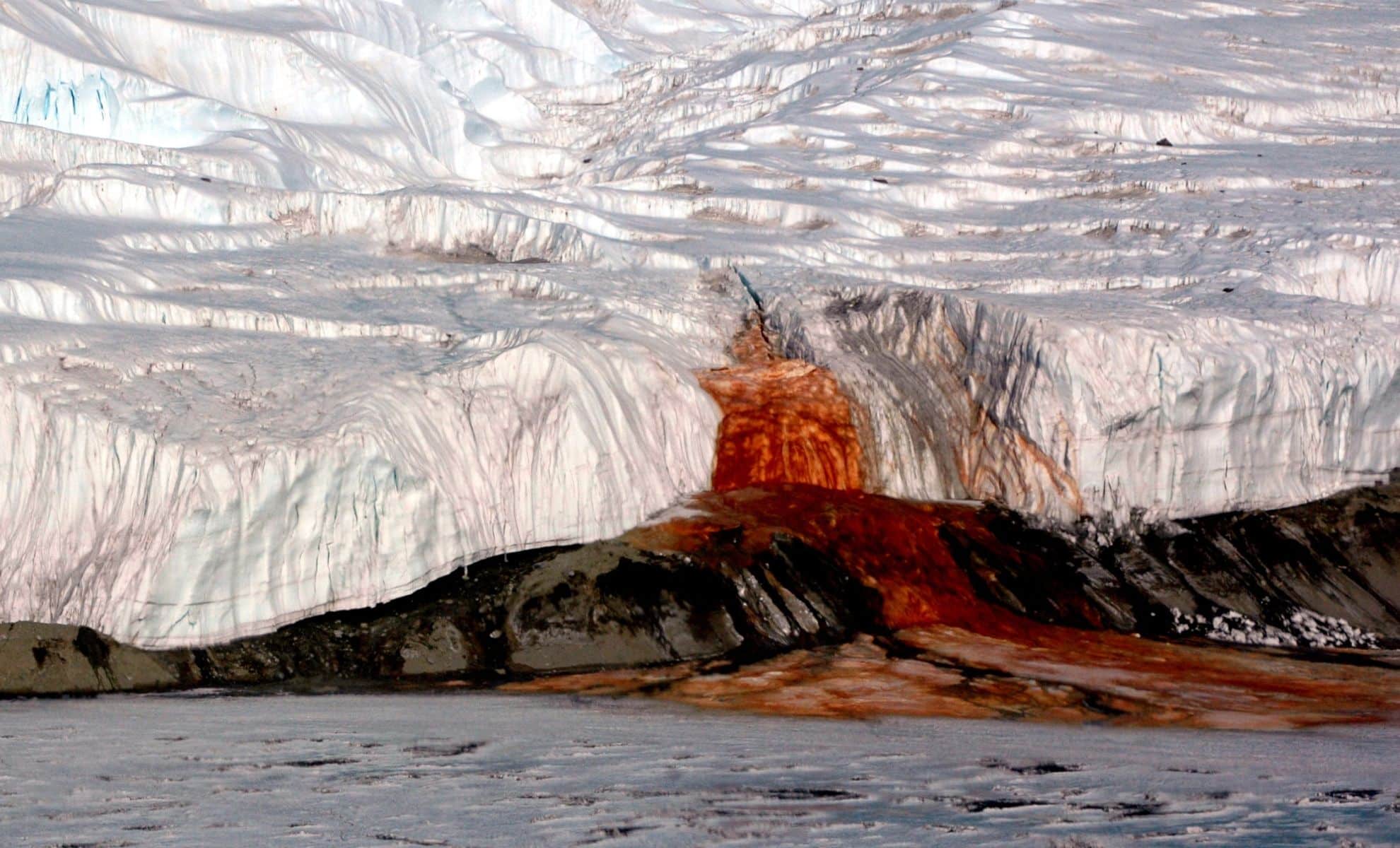
Scientists have discovered that Antarctica's Blood Falls is caused by ancient, iron-rich, highly saline water trapped beneath a glacier for around 1.5 million years. The high salinity prevents freezing in extreme cold, and when the iron oxidizes upon contact with air, it turns the water red, creating the striking waterfall.
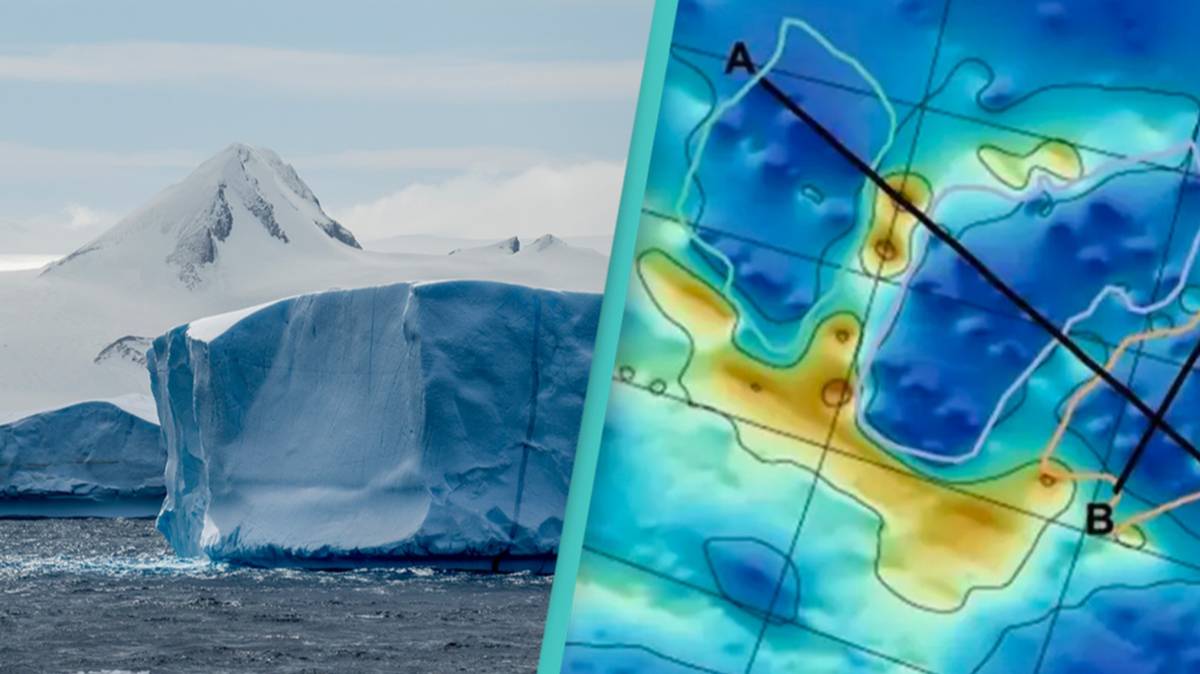
A hidden landscape larger than Belgium, discovered under layers of thick ice in East Antarctica, could potentially be exposed if the ice caps continue to melt. Recent research has found that the Denman and Scott Glaciers in East Antarctica are experiencing an acceleration of ice melting, which could contribute up to five feet to rising sea levels. The study also revealed the presence of long rivers of freshwater flowing from inside the ice sheets towards the coast due to geothermal heat. This freshwater, when thrown into the ocean, could draw warm ocean water closer to the ice, accelerating the melting process. Scientists warn that the potential melting of this hidden landscape could have dangerous consequences and may lead to underestimating Antarctica's contribution to global sea level rise.