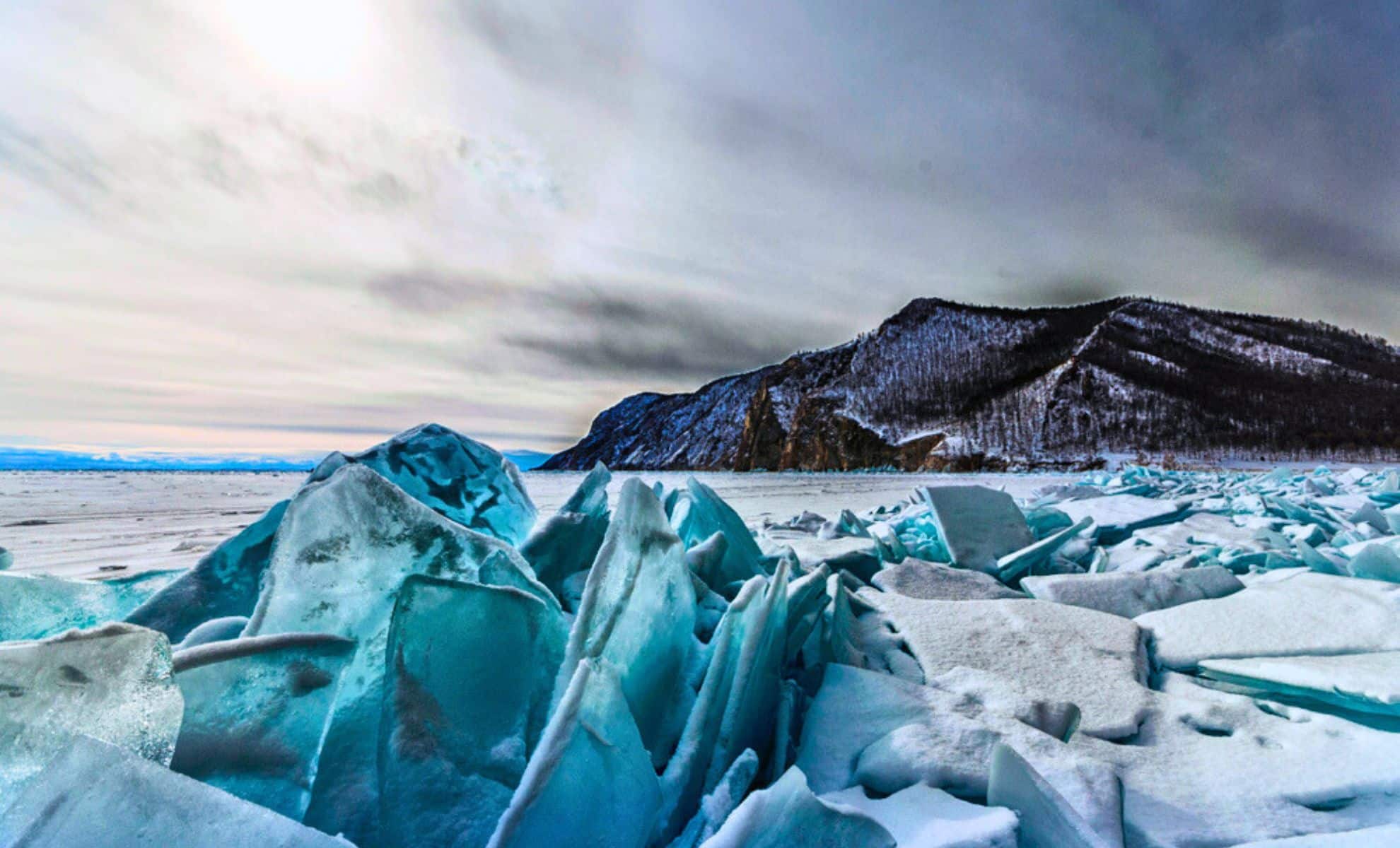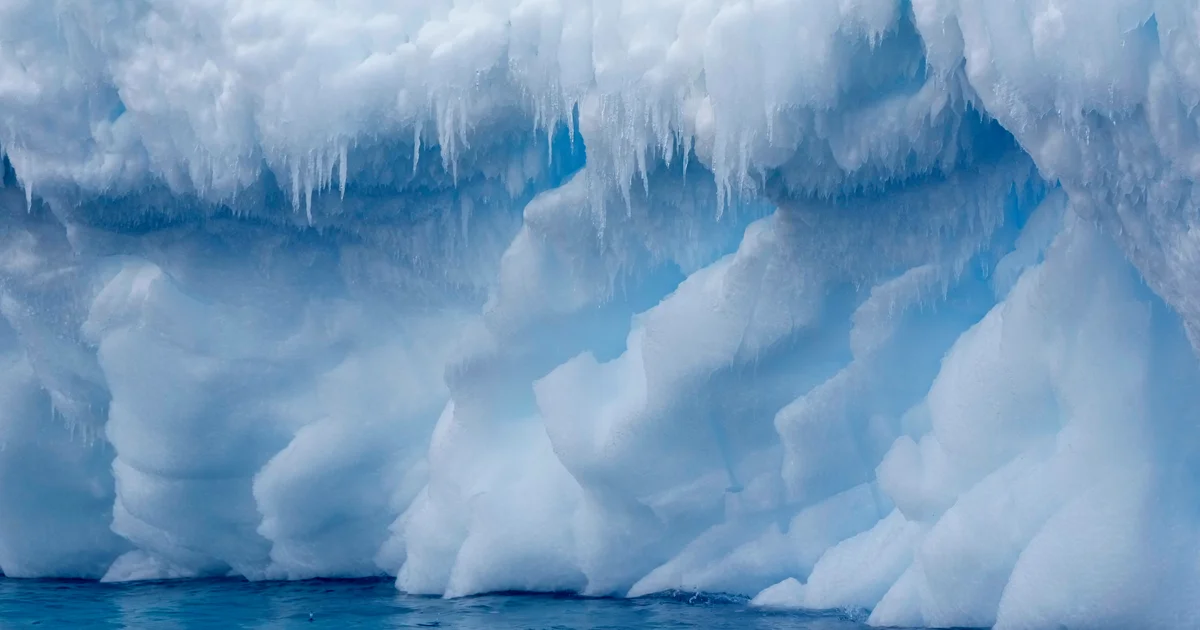
A massive hole in Antarctic sea ice, known as a polynya, was caused by complex interactions between wind, ocean currents, and salinity, revealing how localized ocean processes can have significant impacts on global climate and ocean circulation. The event, driven by Ekman-driven salt transport and deep convection, highlights the changing dynamics of the Southern Ocean in the context of climate change, with potential implications for heat and carbon exchange.
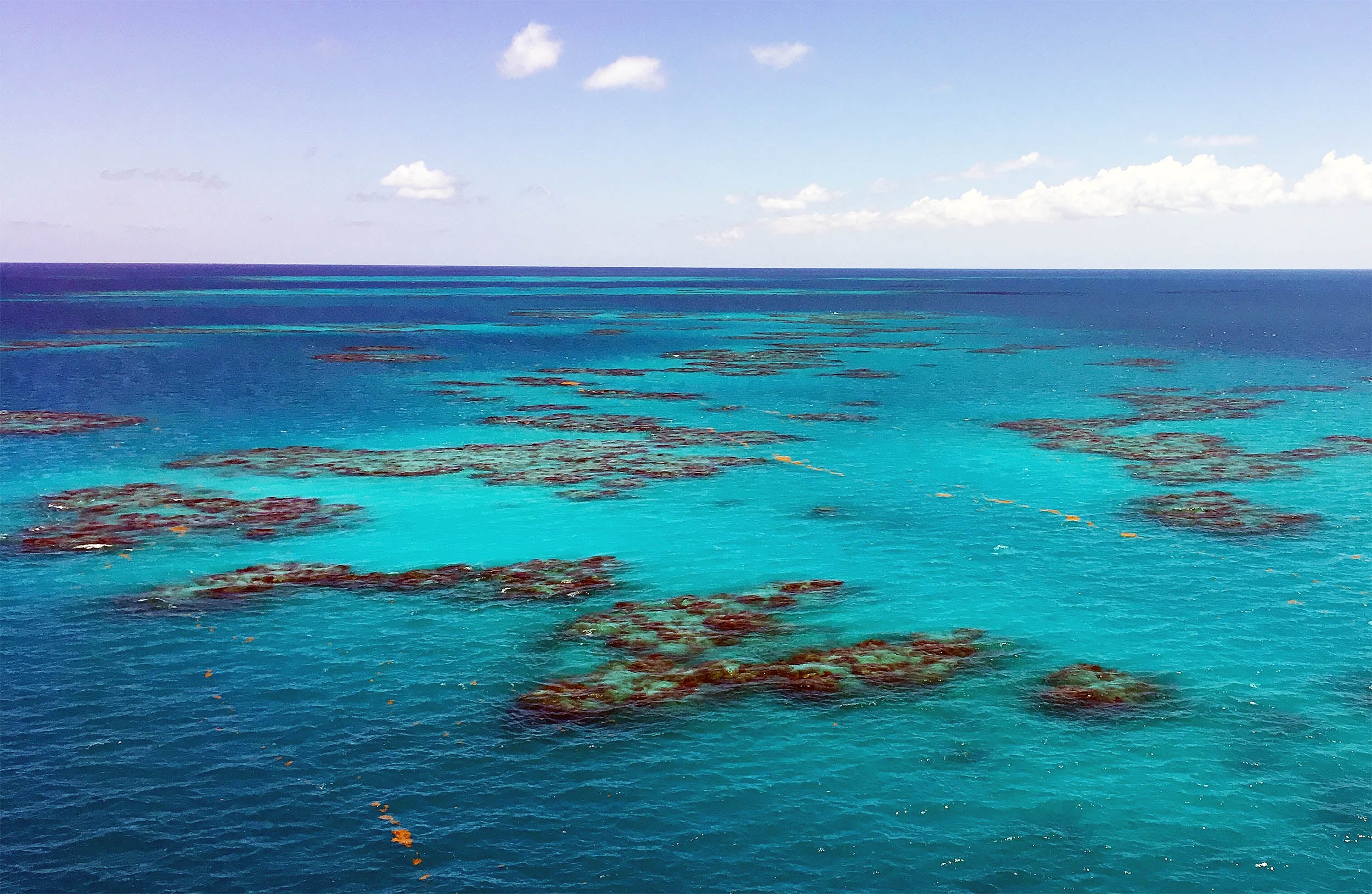
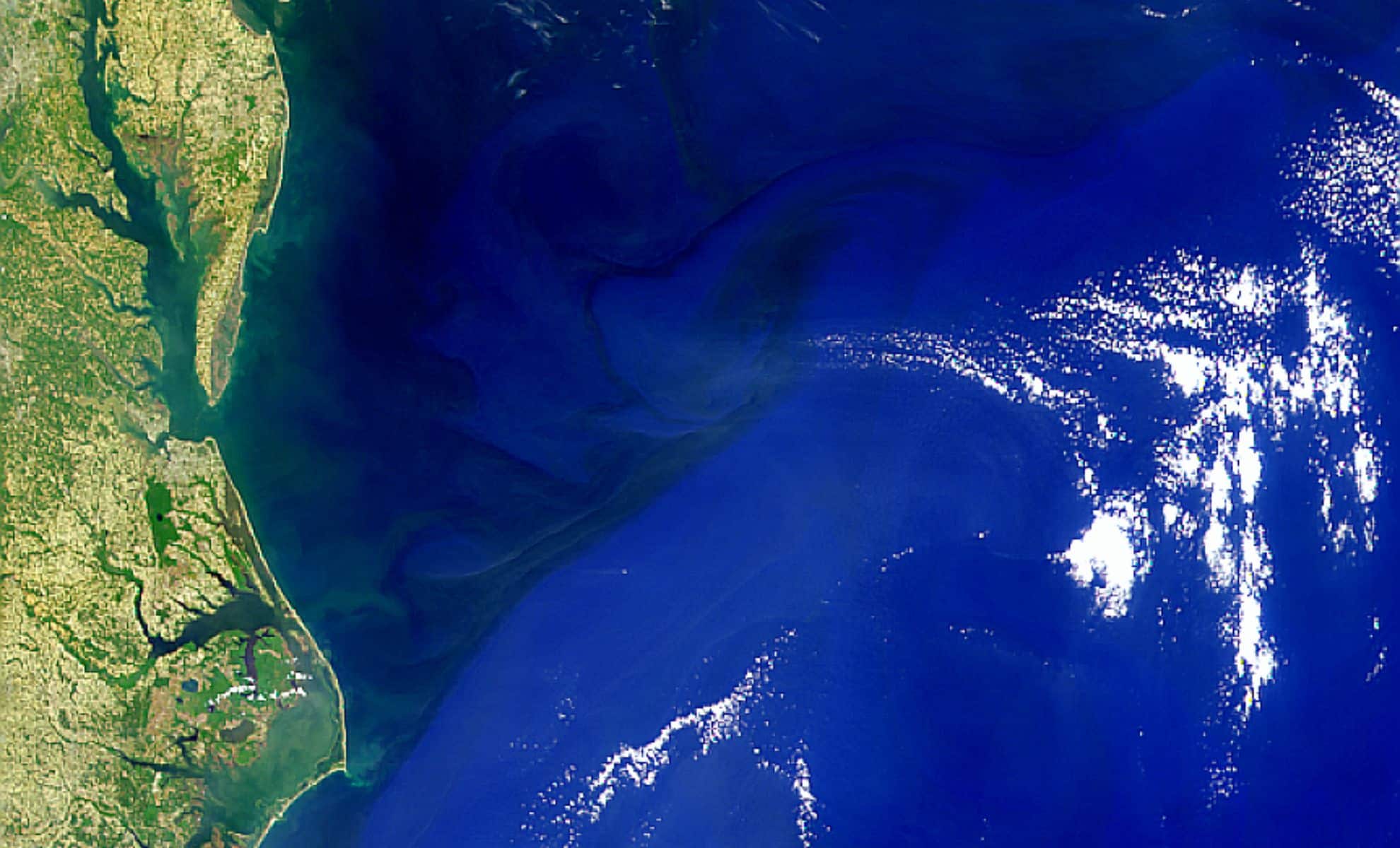
The Sargasso Sea, unique for having no land boundaries and characterized by floating Sargassum seaweed mats, plays a crucial role in marine ecosystems and Earth's climate regulation, but faces threats from pollution and climate change that require international conservation efforts.
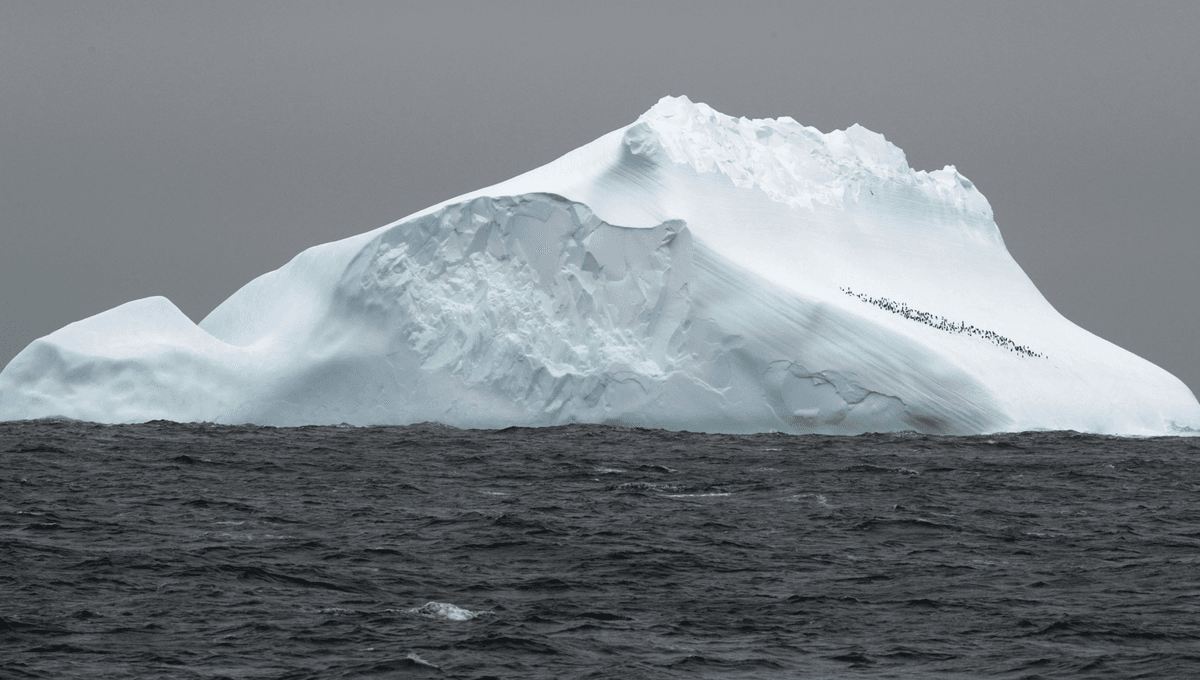
Research indicates that the Antarctic Circumpolar Current (ACC), the world's largest ocean current, may shift its location and change its strength over the coming centuries due to natural cycles and climate change, potentially impacting global climate, sea levels, and ecosystems.
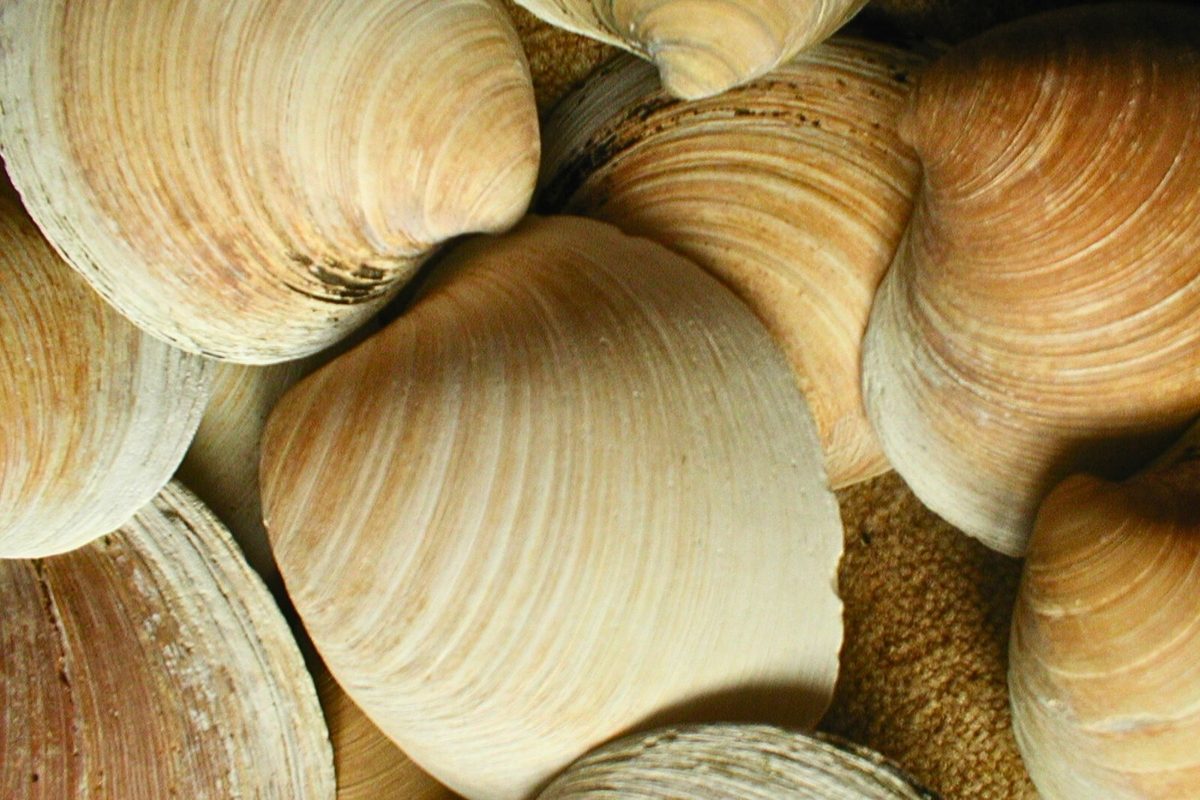
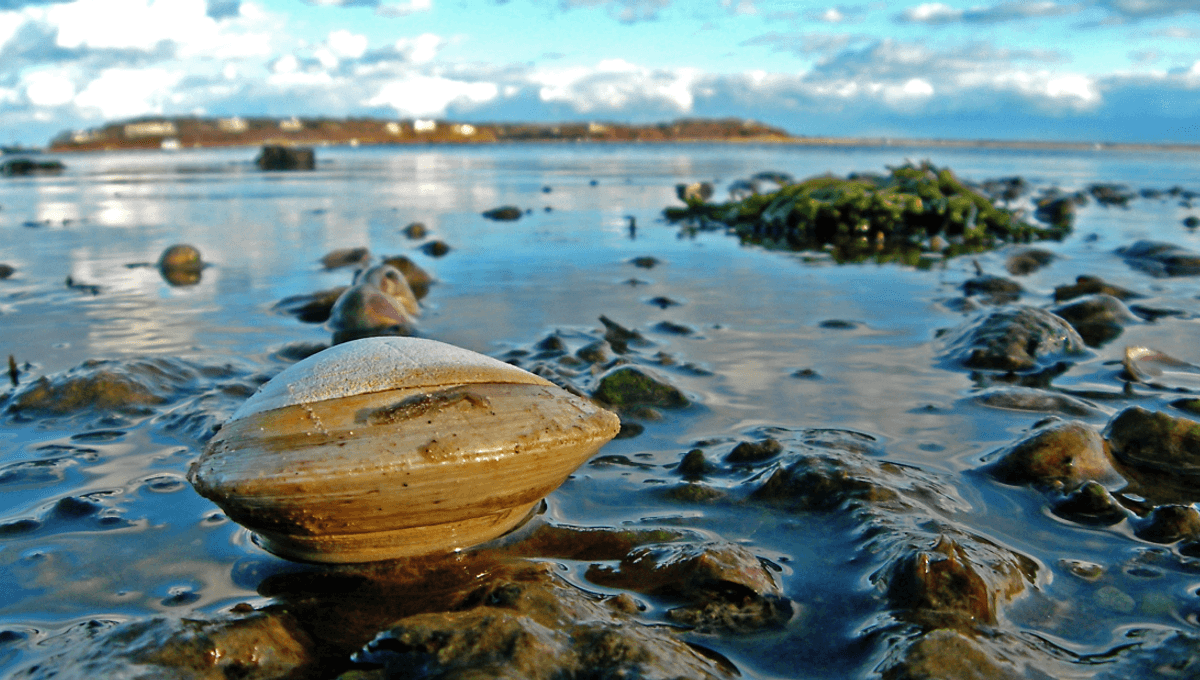
Scientists studying ancient clam shells have found evidence suggesting the Atlantic Ocean is nearing a critical tipping point in its current systems, which could lead to significant climate disruptions globally. The study highlights two destabilization episodes in the past 150 years, with current signs indicating increased instability, emphasizing the importance of reducing greenhouse gas emissions to prevent severe climate impacts.
Scientists have used 500-year-old clam shells to identify signs of destabilization in Atlantic Ocean currents, indicating a potential approaching 'tipping point' that could significantly impact global climate, with melting polar ice and climate change contributing to this destabilization.
A recent study using clam shell growth rings confirms that climate change is disrupting the North Atlantic subpolar gyre, a key ocean current system, which could lead to significant regional and global climate impacts, including more extreme weather, sea level rise, and shifts in ocean heat transport, signaling potential irreversible tipping points in Earth's climate systems.
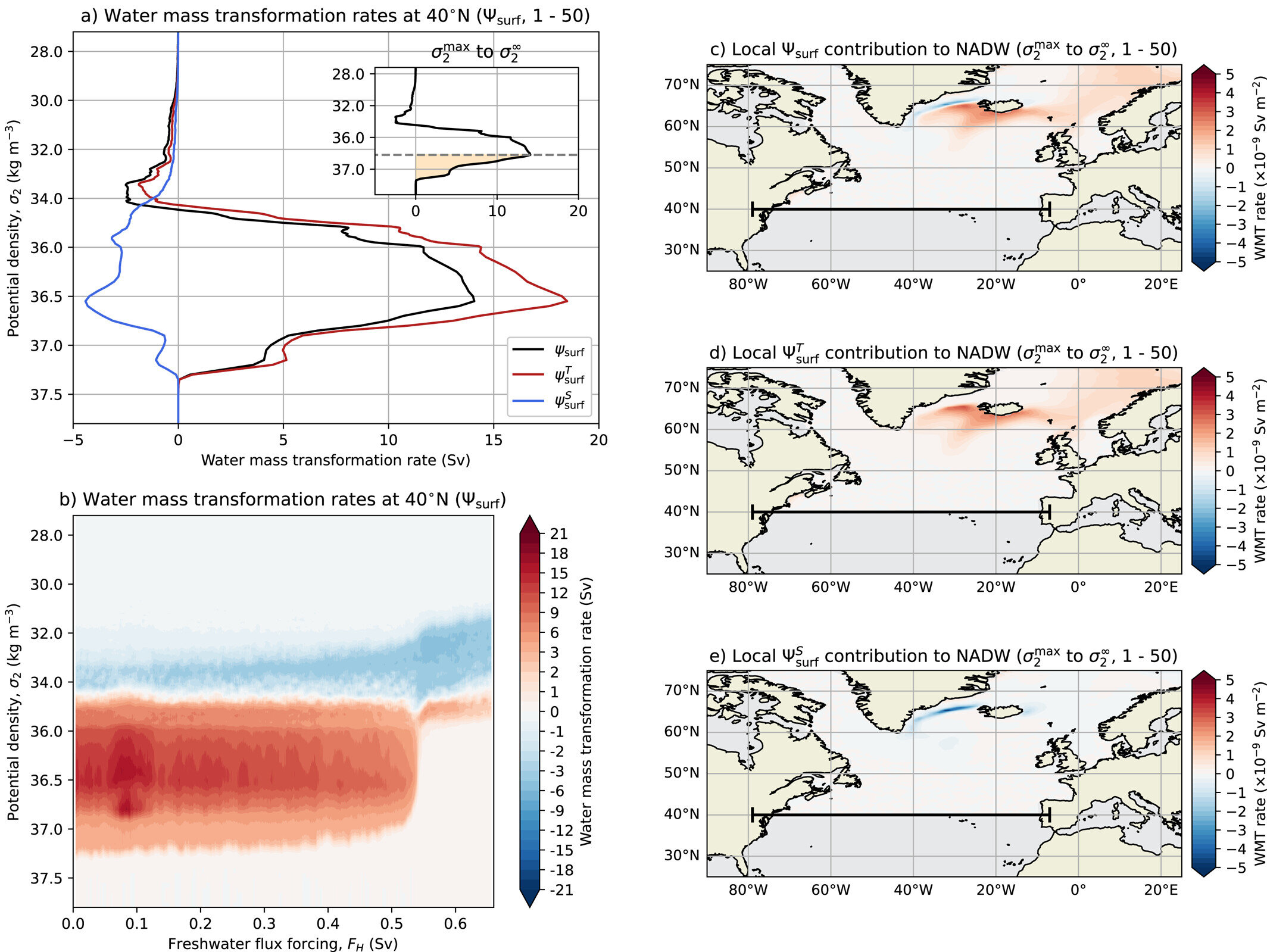
Scientists warn that the Atlantic Meridional Overturning Circulation (AMOC), including the Gulf Stream, could collapse after 2100 under high-emission scenarios, leading to extreme European winters, dry summers, and global weather disruptions, with the risk increasing if greenhouse gas emissions are not reduced.
A new study warns that the collapse of the Atlantic Meridional Overturning Circulation (AMOC), a crucial ocean current system, is more likely than previously thought, potentially occurring within the next 50 to 100 years due to human-caused pollution, with the tipping point possibly reached in the next 10 to 20 years, posing serious global climate risks.,
A new study warns that human-caused pollution could cause the Atlantic Meridional Overturning Circulation (AMOC) to collapse within the next 50 to 100 years, with the tipping point possibly occurring in the next 10 to 20 years, posing severe global climate risks. Urgent action to reduce emissions is necessary to prevent catastrophic environmental consequences, including colder Europe, disrupted weather patterns, and rising sea levels.
A new physics-based indicator suggests that the Atlantic Meridional Overturning Circulation (AMOC) could collapse as early as 2023 under high-emission scenarios, with a median predicted collapse around 2055, potentially leading to drastic climate changes in Northwestern Europe. Urgent climate action and reduced emissions are necessary to mitigate this risk.
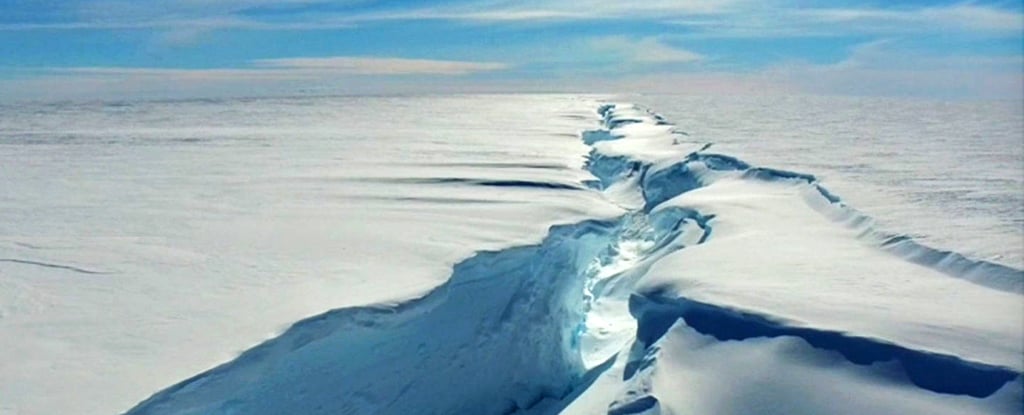
A recent study confirms rapid and unprecedented changes in Antarctica, including shrinking sea ice, melting ice shelves, slowing ocean currents, and potential collapse of ice sheets, which threaten global sea levels and climate stability, emphasizing the urgent need for global action to reduce greenhouse gas emissions.
Experts warn that abrupt and irreversible climate shifts in Antarctica, driven by global warming, could cause sea levels to rise meters and have catastrophic consequences for future generations, emphasizing the urgent need to limit CO2 emissions to prevent crossing critical tipping points.
A study using Bermuda stalagmites reveals that the Gulf Stream has shifted northward since 1449, indicating a long-term weakening of the Atlantic Meridional Overturning Circulation (AMOC), which could lead to significant global climate disruptions if it continues to weaken due to rising global temperatures.
On August 5, 2025, Earth experienced a slight slowdown in its rotation, making the day about 1.45 milliseconds longer due to atmospheric, oceanic, and internal planetary factors, highlighting the complex and dynamic forces influencing our planet's spin.
A study has identified a mysterious biological barrier in the North Atlantic that prevents knobless deep-sea jellyfish from migrating from Arctic waters to the Atlantic, despite genetic similarities with their knobbed counterparts, highlighting complex dispersal patterns and evolutionary questions in marine biodiversity.