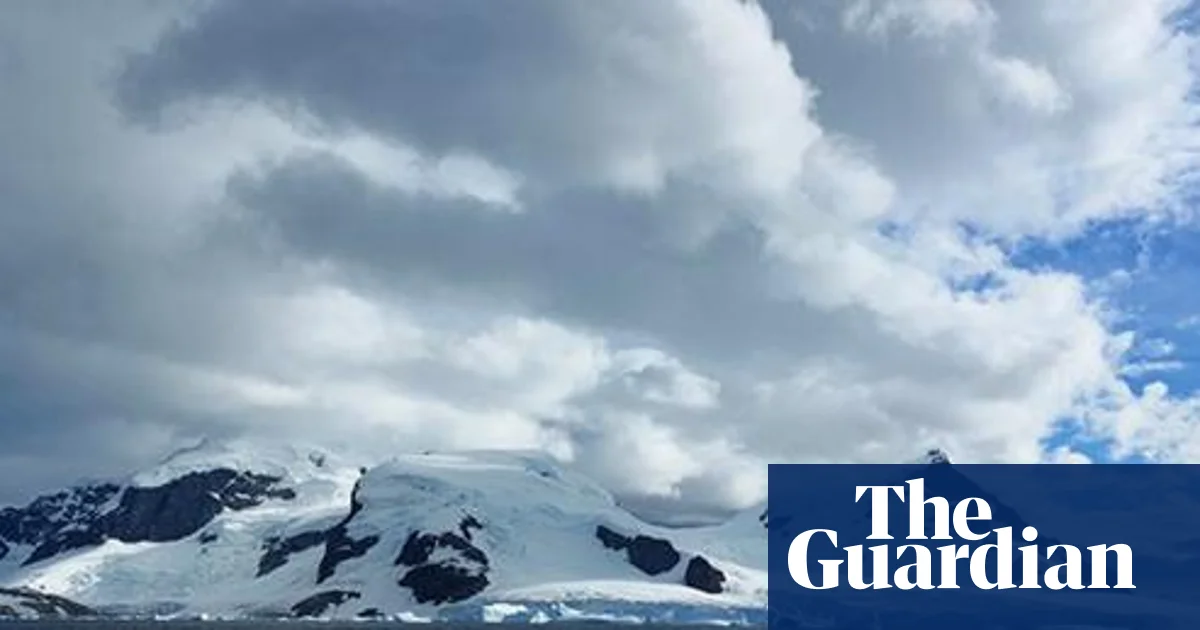
A study reveals that despite climate change predictions, the Southern Ocean continues to absorb CO2 due to increased freshwater input from melting glaciers and sea ice, which enhances water stratification and temporarily prevents deep water from releasing stored CO2. However, ongoing wind strengthening may soon disrupt this balance, potentially reducing the ocean's capacity to act as a carbon sink and accelerating climate change.
Recent research indicates that the North Atlantic subpolar gyre is destabilizing and may be nearing a tipping point, which could lead to severe climate consequences such as extreme weather in Europe. This destabilization, linked to global warming and historical ocean patterns, poses significant risks even if the broader Atlantic Meridional Overturning Circulation remains intact.
A recent study warns that the Atlantic Meridional Overturning Circulation (AMOC), a crucial ocean current system regulating global climate, could collapse as early as 2055 due to warming and melting Arctic ice, with significant worldwide consequences. Detecting early signs through surface buoyancy flux indicates the weakening of the AMOC, and while reducing carbon emissions could prevent or delay collapse, the risk remains, emphasizing the urgent need for climate action.
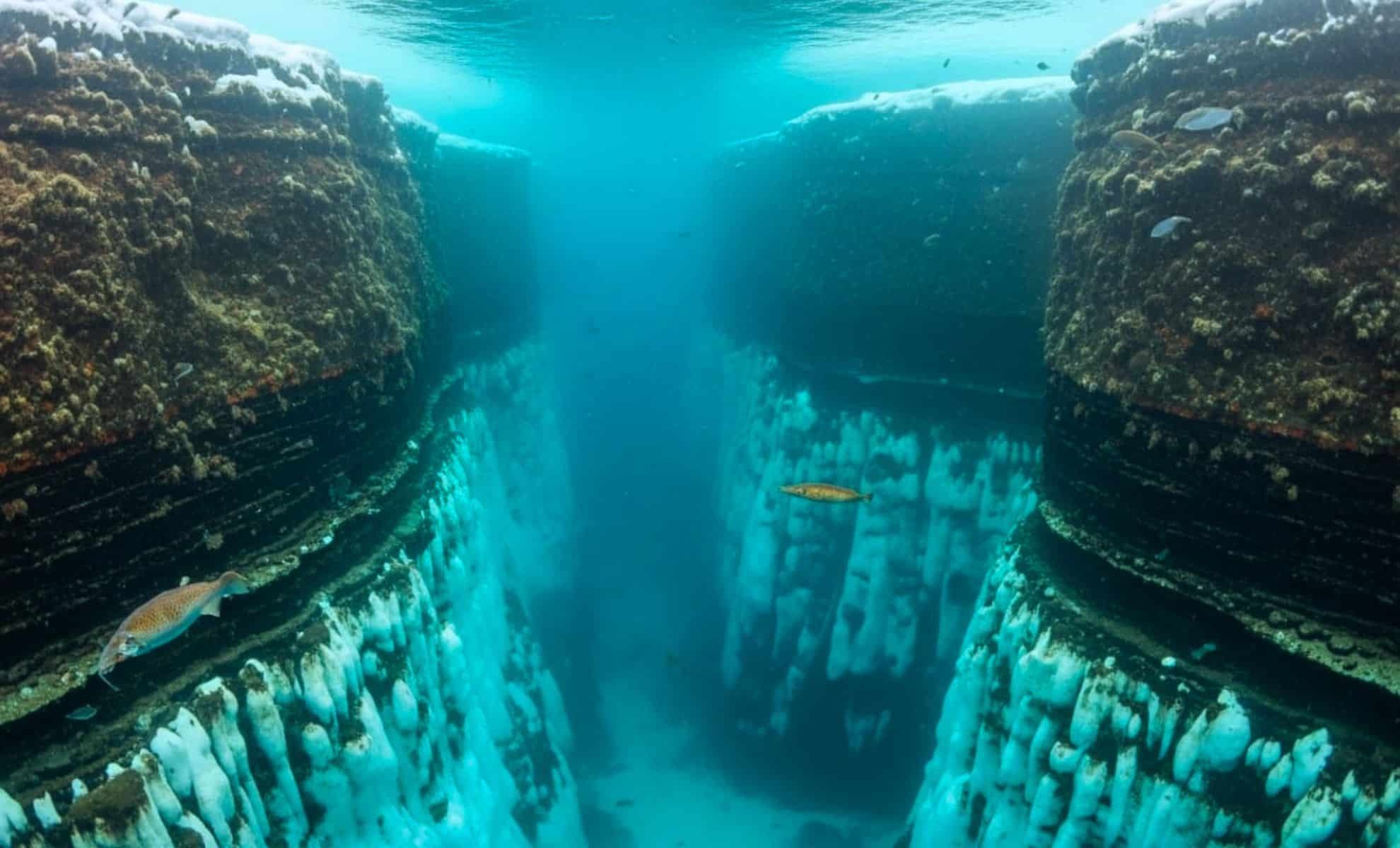
Scientists have mapped over 300 previously unknown submarine canyons beneath Antarctica's ice, revealing their significant role in ocean dynamics and ice sheet stability, which could impact future sea-level rise predictions and climate models.
Scientists have mapped 332 Antarctic seafloor canyons, revealing their potential impact on ocean circulation, ice-shelf thinning, and climate change, emphasizing the need for high-resolution data to improve climate models and predictions.
Scientists have discovered 332 submarine canyons beneath Antarctica, significantly more than previously known, which play a crucial role in ocean circulation, ice-shelf dynamics, and climate regulation. The study highlights differences between East and West Antarctic canyons and emphasizes the need for detailed mapping to improve climate models.
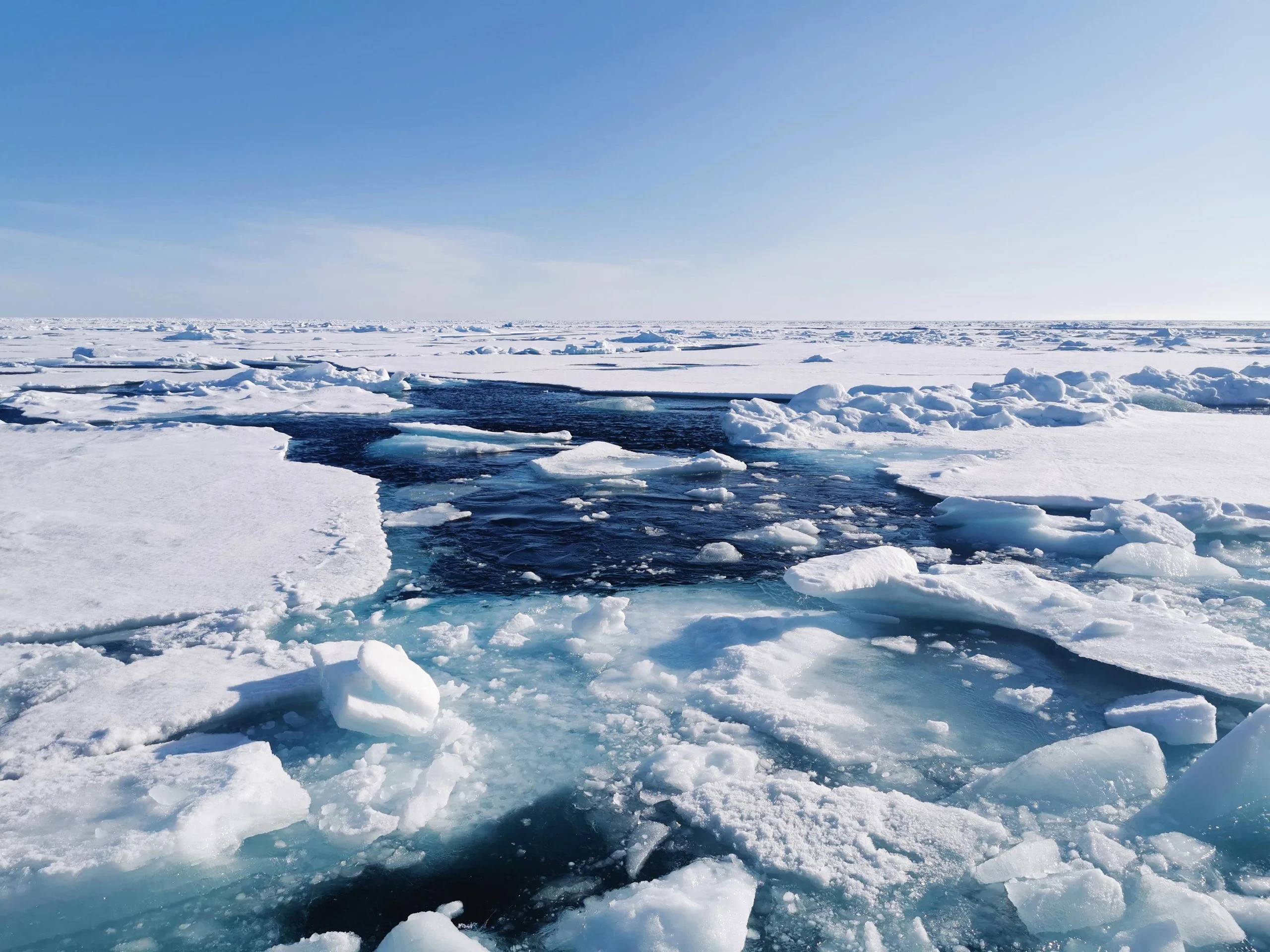
A new study challenges the long-held belief that a thick, permanent ice shelf once covered the Arctic, revealing instead that the region was characterized by seasonal sea ice over the past 750,000 years, allowing for open water and marine life even during cold periods, which has important implications for understanding past and future climate change.
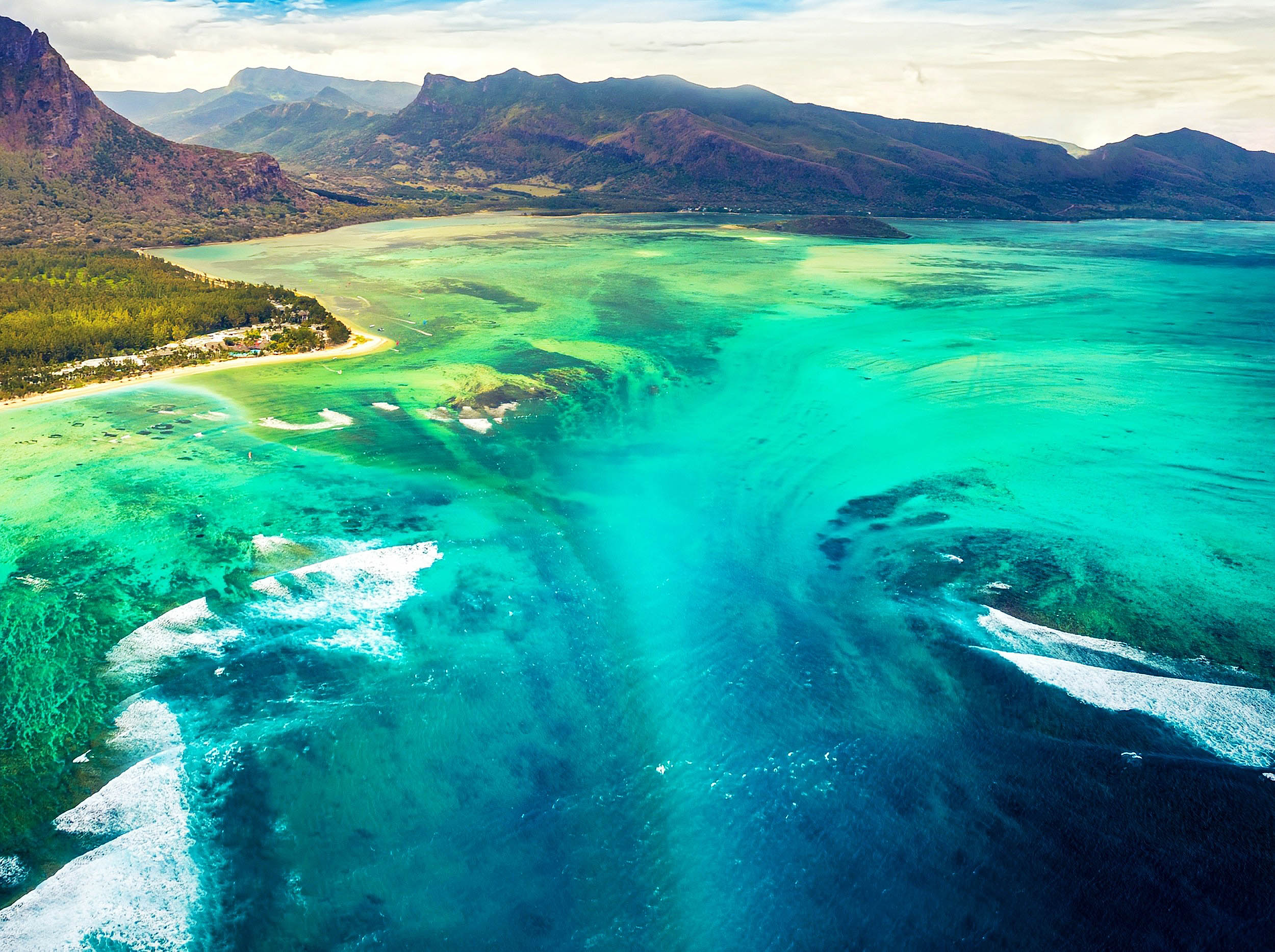
The world's largest waterfall, the Denmark Strait cataract, is a massive, silent undersea flow of cold, dense Arctic water plunging over a submerged ridge between Iceland and Greenland, significantly influencing global ocean circulation and climate, yet remains largely unseen and understudied.
Researchers have discovered a historic reversal in the Southern Ocean's circulation, with increasing surface salinity and rising deep waters bringing heat and CO₂ to the surface, disrupting traditional ocean dynamics, accelerating ice melt, and potentially triggering significant global climate impacts similar to the collapse of the Atlantic Meridional Overturning Circulation.
A recent study shows that changes in water density in the subpolar North Atlantic quickly influence the strength of the Atlantic Meridional Overturning Circulation (AMOC), a key component of Earth's climate system, with implications for climate prediction and monitoring strategies.
Recent research published in Nature Geoscience highlights the alarming slowdown of the Atlantic Meridional Overturning Circulation (AMOC), a crucial component of Earth's global ocean conveyor belt. This slowdown, attributed to global warming and increased meltwater from the Greenland ice sheet, threatens to disrupt climate patterns, leading to harsher winters in Europe, altered rainfall patterns, and faster warming in the southern hemisphere. The study warns that the AMOC could weaken by 30% by 2040, urging immediate action to reduce emissions and mitigate further climate disruption.
A new study led by a University of Maryland researcher has documented a significant slowing of the Atlantic Meridional Overturning Circulation (AMOC), a crucial ocean current system that regulates Earth's climate. The study found that the AMOC's flow remained stable from 1955 to 1994, but began to decline in the mid-1990s due to the warming of the ocean's surface and changes in salinity. This slowing could lead to global climate changes, impacting marine ecosystems and causing unpredictable climate feedbacks. The study suggests that scenarios involving the slowdown or collapse of AMOC cannot be dismissed, and further research is needed to understand the future trajectory of ocean climate.
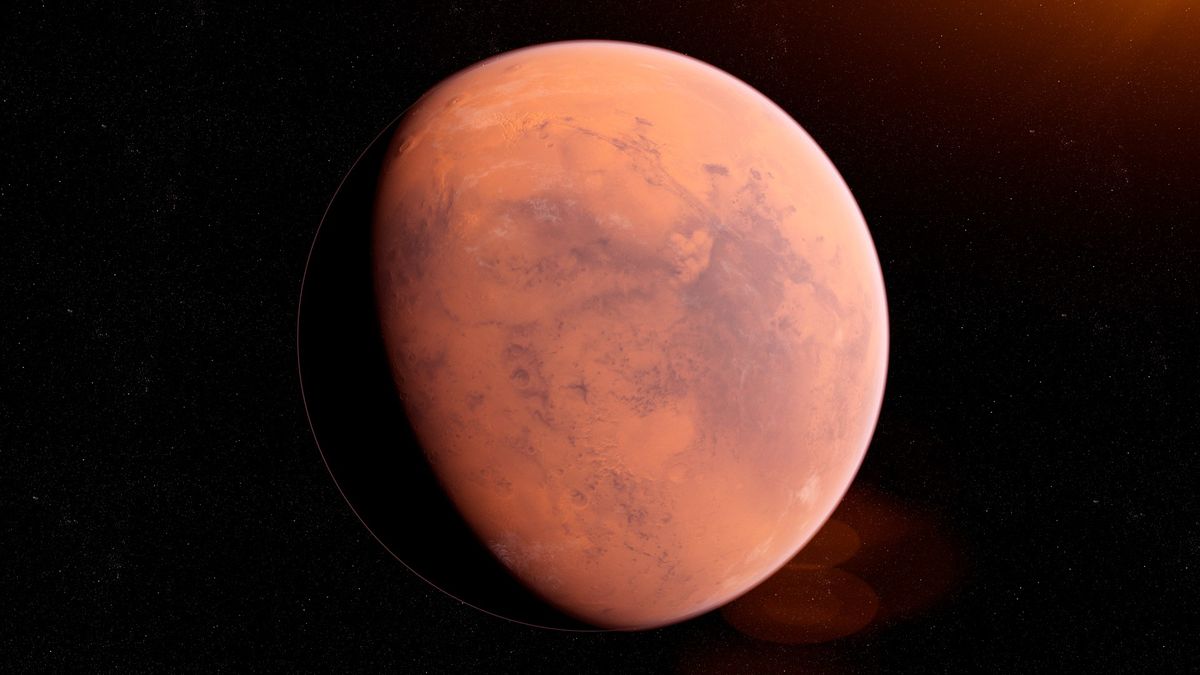
New research suggests that Mars' gravitational pull on Earth influences the climate by affecting ocean circulation every 2.4 million years, leading to periods of stronger or weaker deep-sea currents. This coincides with known gravitational interactions between the two planets, causing Earth to be pulled slightly closer to the sun, resulting in warmer climates. While not linked to human-driven global warming, this cycle may help maintain deep ocean currents, potentially benefiting ocean circulation if the Atlantic Meridional Overturning Circulation were to slow or stop.
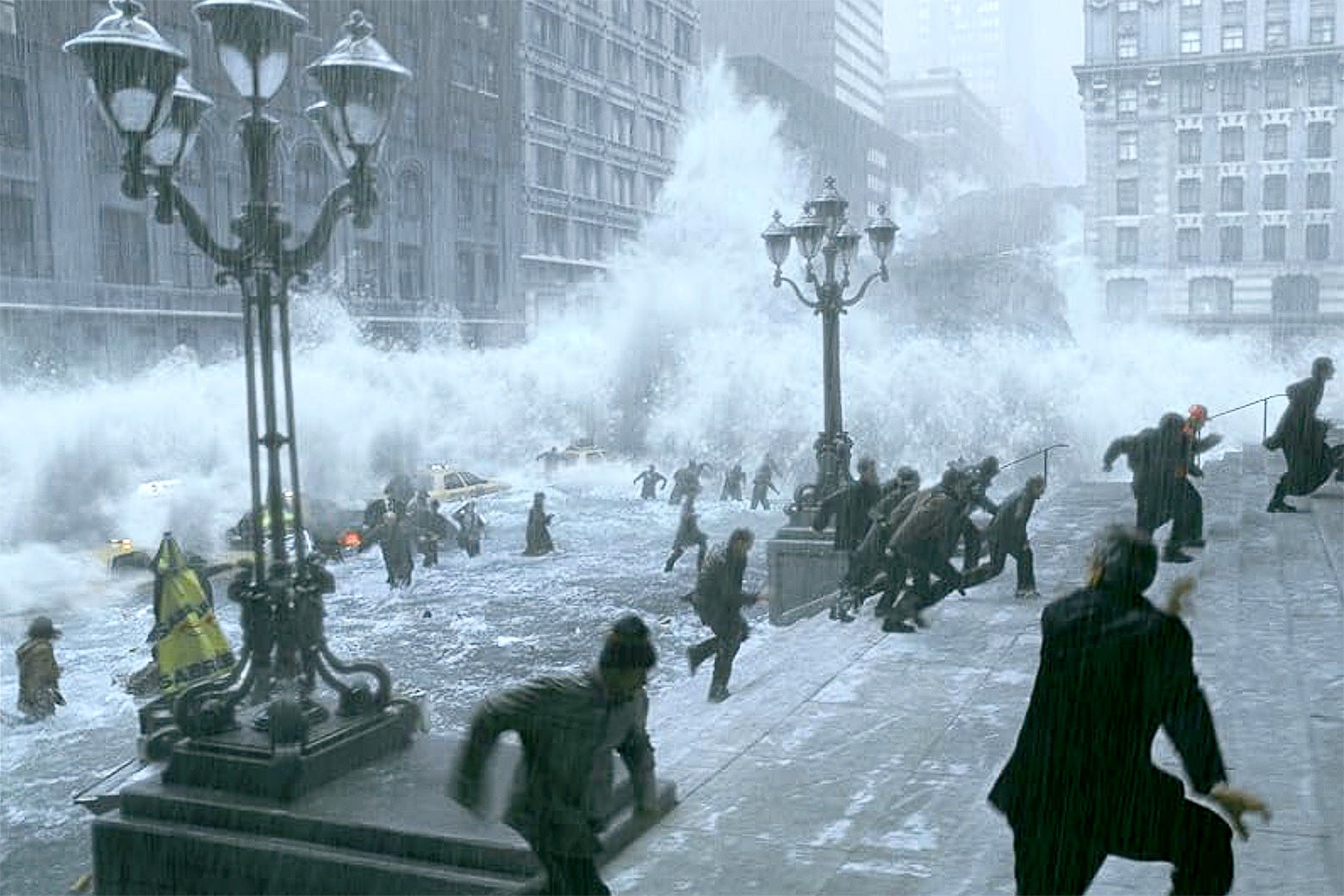
A new study suggests that the Atlantic Meridional Overturning Circulation (AMOC) will eventually collapse due to melting ice sheets in Greenland, leading to significant climate impacts. The collapse would result in heat lingering in the Southern Hemisphere, cooling in Western Europe, and up to a meter rise in sea level in some places. While the scenario won't be as dramatic as portrayed in "The Day After Tomorrow," it will have far-reaching consequences, emphasizing the urgency of reducing greenhouse emissions to mitigate the effects of global warming.
The Atlantic meridional overturning current (AMOC) is a crucial ocean current that transports heat from the Equator north along the East Coast of America and affects the climate of the US, Canada, Greenland, Scandinavia, the UK, and Europe. Recent research suggests that the AMOC is slowing and could potentially stop flowing in the next few decades due to global warming and increased meltwater from Greenland and the Arctic ice sheets. If the AMOC collapses, it could lead to dramatic climate changes, including significant cooling in Europe, rising sea levels along the US east coast, and disruptions to rainfall patterns in various regions, with irreversible consequences on human timescales. The findings emphasize the urgent need to address climate change and reduce reliance on fossil fuels to mitigate the potential catastrophic impacts on the environment and human civilization.