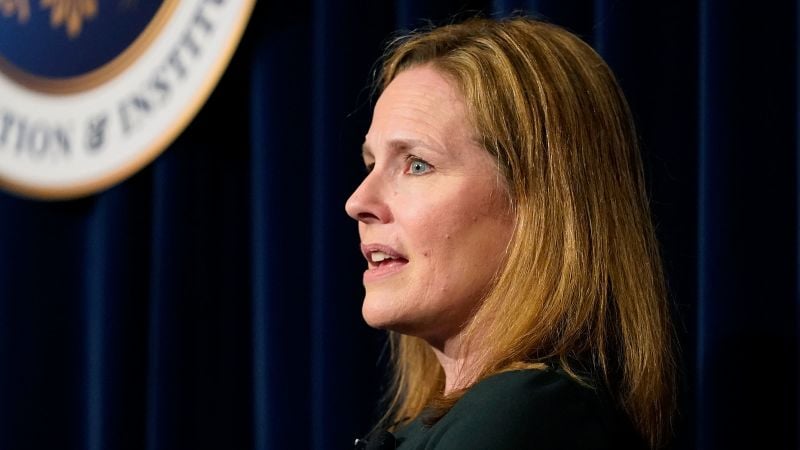
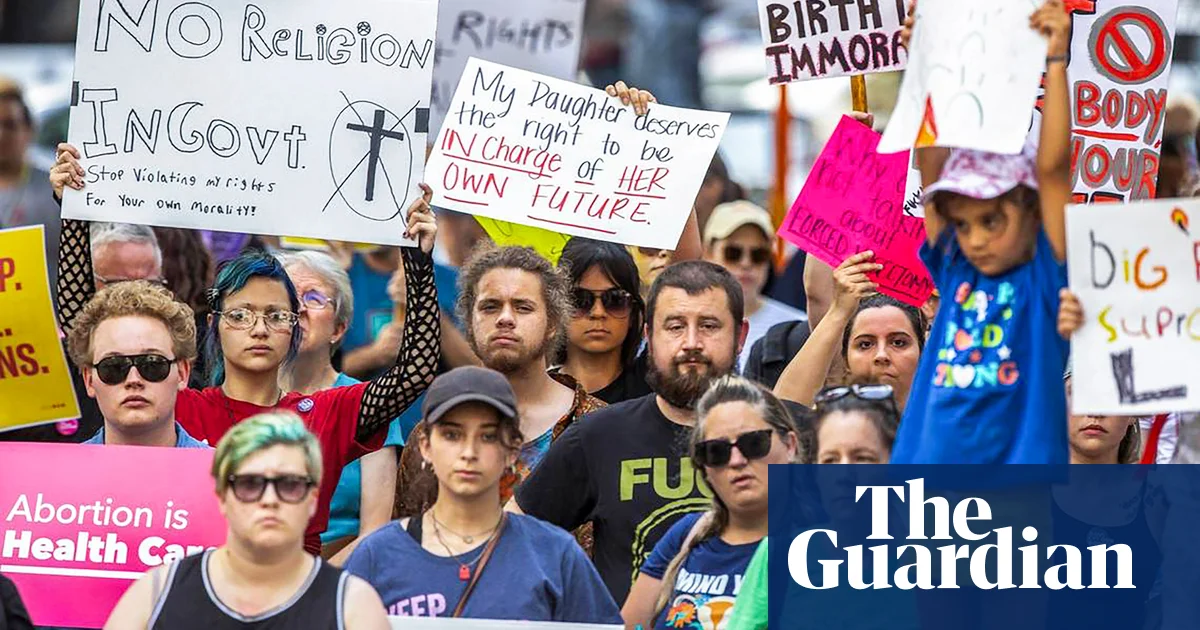
Justice Amy Coney Barrett defends the Supreme Court's decision to overturn Roe v. Wade, describing the 1973 ruling as a historic outlier that went against the will of many Americans, in her new memoir.
Justice Amy Coney Barrett defends her vote to overturn Roe v. Wade in her new memoir, explaining her view that the Court's role is to respect the will of the American people and criticizing Roe as an overreach. She also discusses her decision-making process, her views on religious bias, and the dynamics within the Supreme Court, emphasizing her commitment to the law over personal beliefs.
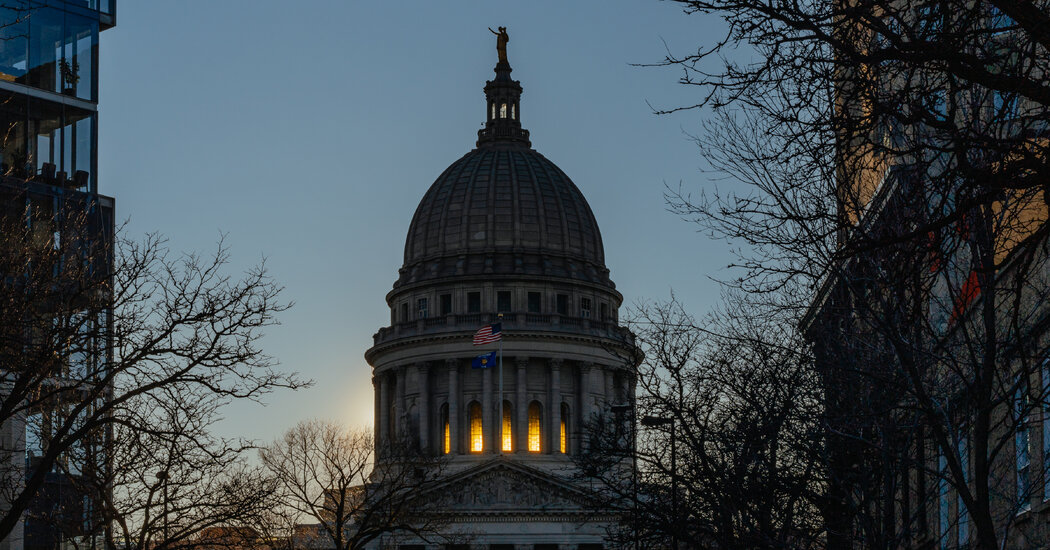
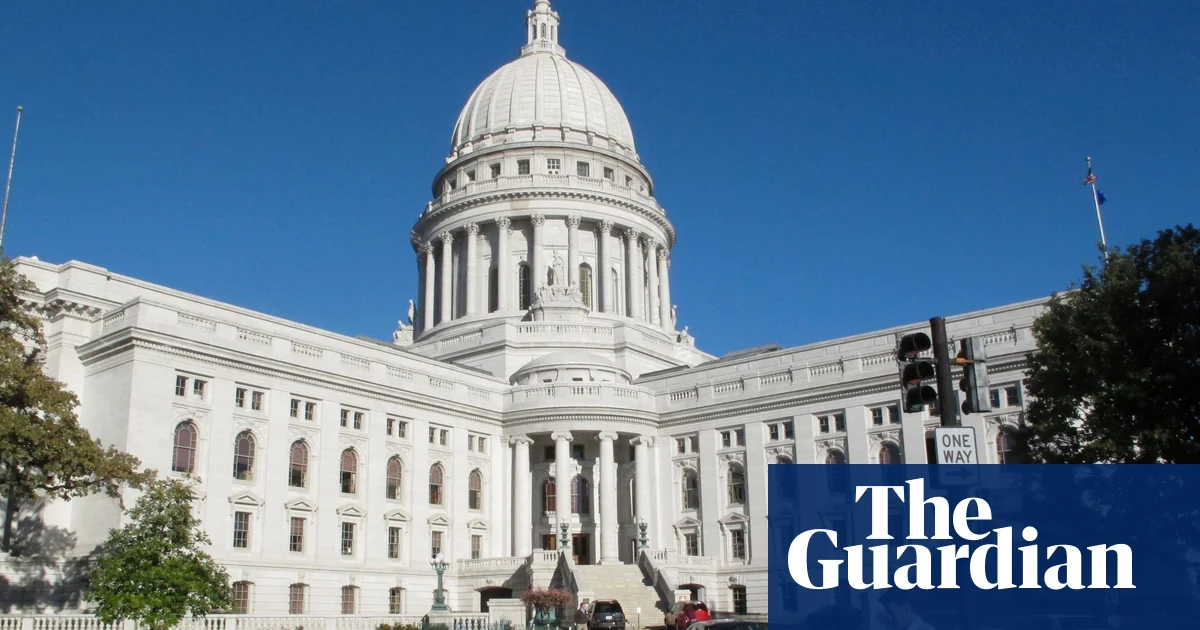
The Wisconsin Supreme Court struck down an 1849 abortion ban, affirming that recent legislation effectively repealed it, marking a victory for abortion rights activists in the state amidst ongoing legal and political battles over abortion laws.
The Wisconsin Supreme Court invalidated a dormant 1849 abortion law, ruling 4-3 that it was overridden by more recent legislation regulating abortion, following the overturn of Roe v. Wade. The decision reflects the impact of recent elections and ideological shifts on abortion rights in the state, with the court emphasizing comprehensive modern laws as a substitute for the old ban.
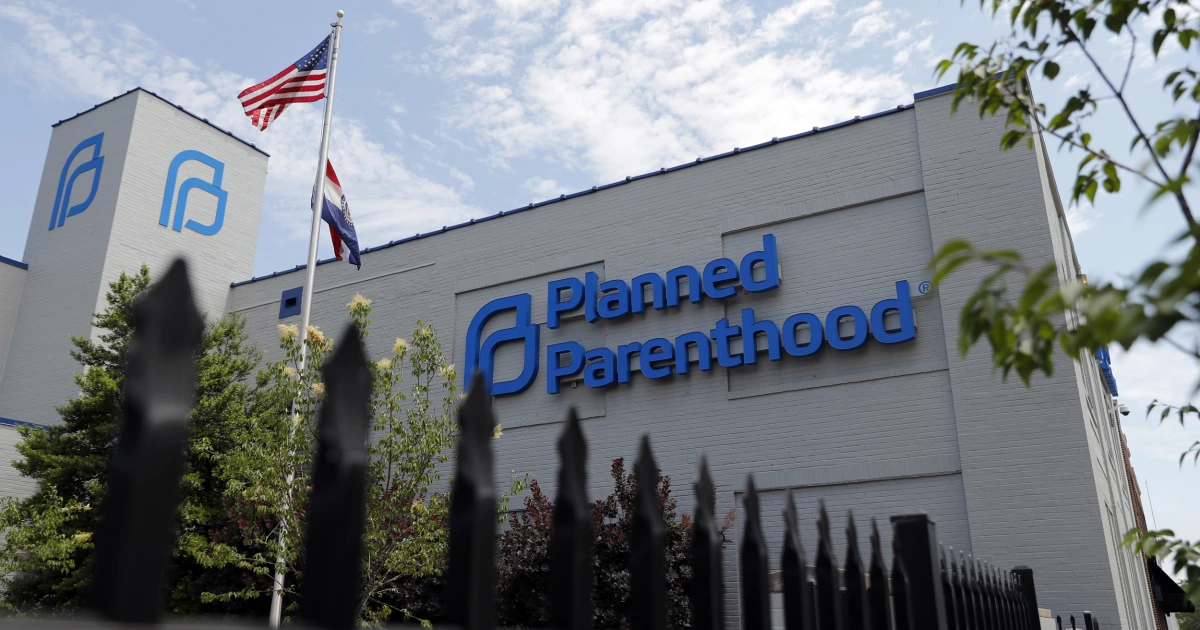
The Supreme Court ruled 6-3 in favor of South Carolina, preventing Medicaid patients from suing to enforce their right to choose healthcare providers, thereby supporting efforts to defund Planned Parenthood in the state amidst ongoing debates over abortion rights and healthcare funding.
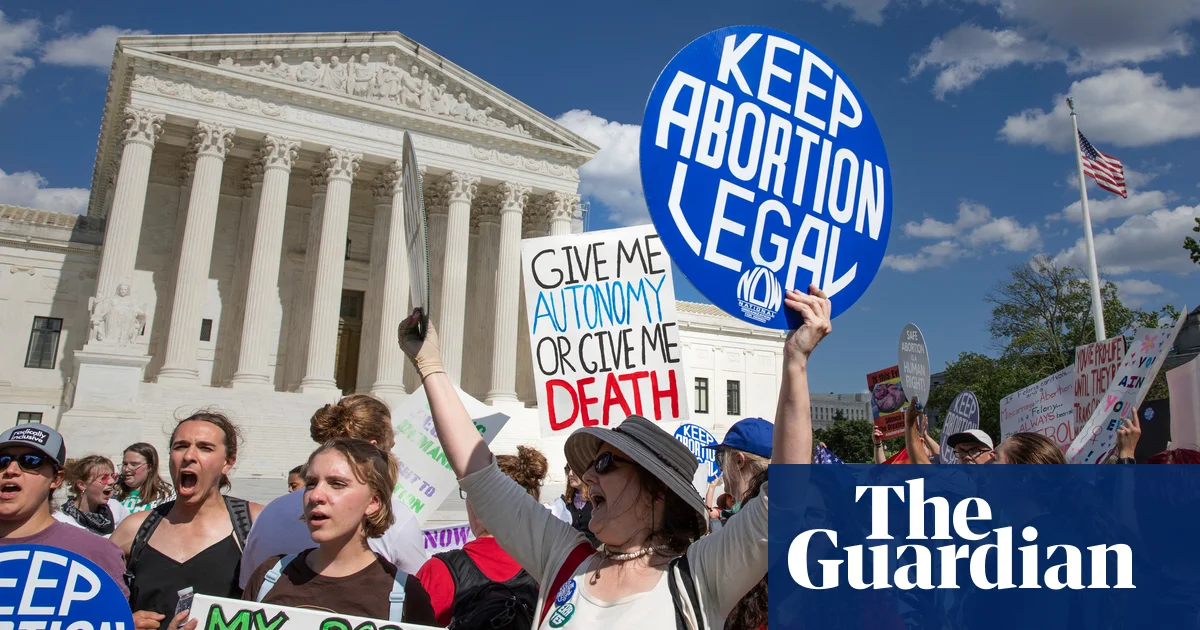
Three years after the overturning of Roe v Wade, US abortion numbers have increased, driven by telehealth services and shield laws, despite bans in many states. The data shows a record high of 1.14 million abortions in 2024, with a significant rise in telehealth abortions, especially in rural areas, and ongoing legal challenges to shield laws and access to abortion drugs.
A CDC report reveals that the number of abortions in the US fell by only 2% in 2022 despite state bans following the overturning of Roe v Wade. The report highlights a divide in access, with some states enacting strict bans while others have protective laws, leading to increased abortions in those areas. The availability of abortion pills and telemedicine has helped maintain abortion numbers. However, the report's data is incomplete, as some states do not provide comprehensive information. The sustainability of current abortion access, reliant on donations and support organizations, remains uncertain.
After the overturning of Roe v. Wade, abortions increased due to a network of medical providers who prescribed and shipped abortion pills via telemedicine, facilitated by FDA policy changes during the COVID-19 pandemic. States enacted laws to protect these providers, and increased funding and educational campaigns expanded access to in-person abortions. Organizations like Aid Access saw a surge in demand, leveraging FDA policies that eased restrictions on medication abortions. However, potential political changes could threaten this access, as anti-abortion activists target telehealth provisions.
A pregnant woman in Kentucky, identified as Mary Poe, has filed a lawsuit challenging the state's near-total abortion ban and six-week ban, arguing they violate constitutional rights to privacy and self-determination. The lawsuit, supported by the ACLU and other legal representatives, seeks class-action status for those affected by the bans, which force individuals to carry pregnancies to term or travel out of state for abortion care. This legal action comes amid a broader context of restrictive abortion laws in several states following the overturning of Roe v Wade.
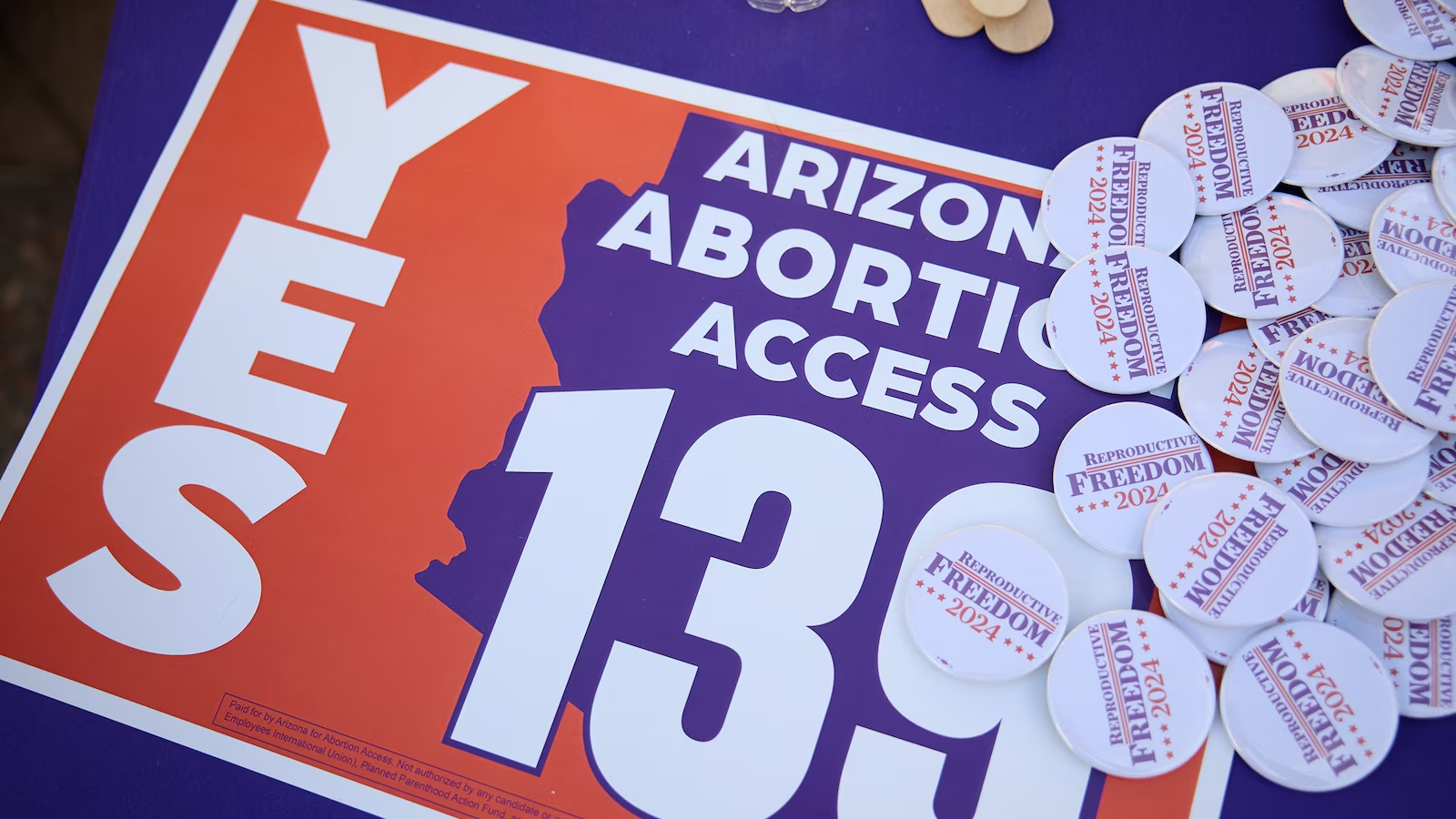
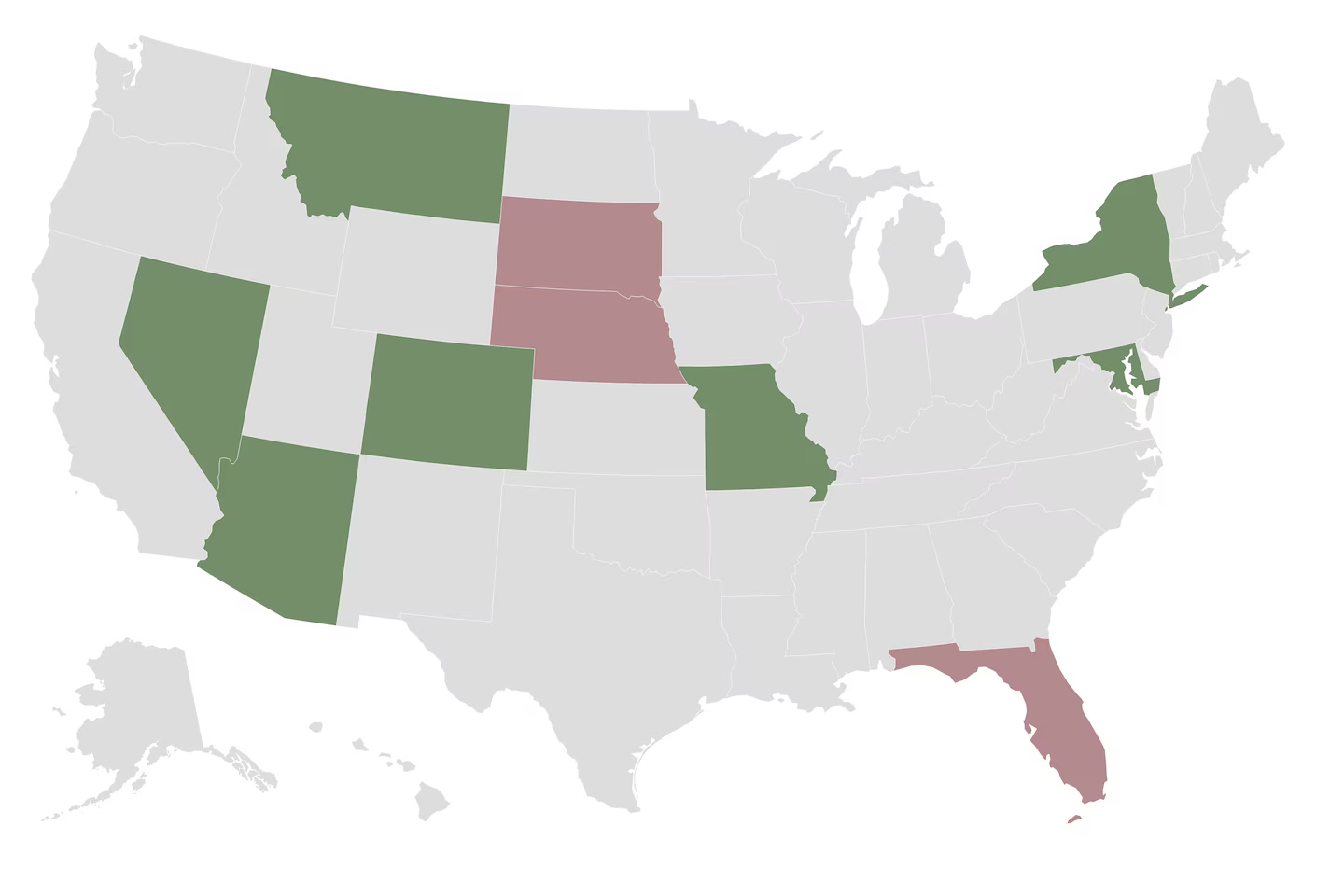
In the 2024 election, voters in 10 U.S. states decided on measures related to abortion access, with seven states enshrining or further protecting abortion rights in their constitutions, while three states failed to pass such measures, maintaining strict bans. This follows the 2022 Supreme Court decision overturning Roe v. Wade, which allowed states to set their own abortion laws. Currently, 13 states have nearly ceased all abortion services, and four have enacted six-week bans. The election results reflect a varied landscape of abortion access across the country.
In the 2024 elections, voters in 10 U.S. states decided on measures related to abortion access, with seven states enshrining or further protecting abortion rights in their constitutions, while three states failed to pass such measures, maintaining strict bans. This follows the 2022 Supreme Court decision overturning Roe v. Wade, which allowed states to individually regulate abortion. Currently, 13 states have nearly ceased all abortion services, and four have enacted six-week bans. The article provides a detailed state-by-state breakdown of current abortion laws and recent ballot measure outcomes.
The Wisconsin Supreme Court appears likely to rule against enforcing an 1849 law banning most abortions, following the overturning of Roe v Wade. The court, now with a liberal majority, is considering whether the old law was impliedly repealed by subsequent abortion regulations. Justice Janet Protasiewicz's election shifted the court's ideological balance, and the case has become a focal point in Wisconsin's political landscape. The court's decision could impact the legal status of abortion in the state, with arguments highlighting the law's lack of exceptions for rape, incest, and health concerns.
Voters in seven states approved ballot measures to protect abortion rights in their state constitutions, potentially enhancing reproductive health care for over 2 million women. However, similar measures in Florida, Nebraska, and South Dakota did not pass, marking the first rejections of such initiatives since the Supreme Court overturned Roe v. Wade in 2022.
During a Nashville concert, Billie Eilish criticized Donald Trump, expressing concern over his treatment of women and referencing his past legal issues related to sexual abuse. She dedicated her song "TV" to women, highlighting the overturning of Roe v. Wade and her personal experiences with abuse. Eilish emphasized her support for women and described the election results as a "war on women."
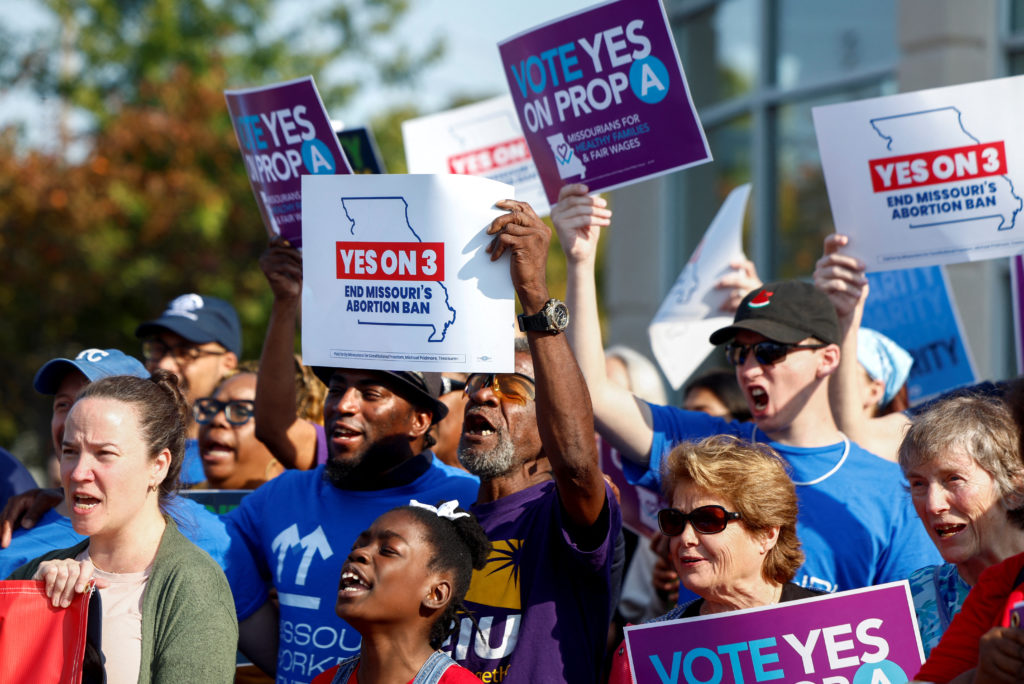
Abortion rights advocates achieved victories in seven states, including Missouri, where voters cleared the way to potentially overturn a strict abortion ban. However, similar measures were defeated in Florida, Nebraska, and South Dakota, maintaining existing bans. The results reflect ongoing shifts in abortion policy following the 2022 Supreme Court decision overturning Roe v. Wade. Missouri's amendment, if enacted, would allow abortion restrictions only after fetal viability. Meanwhile, Florida's defeat of an abortion rights measure was a political win for Governor Ron DeSantis.