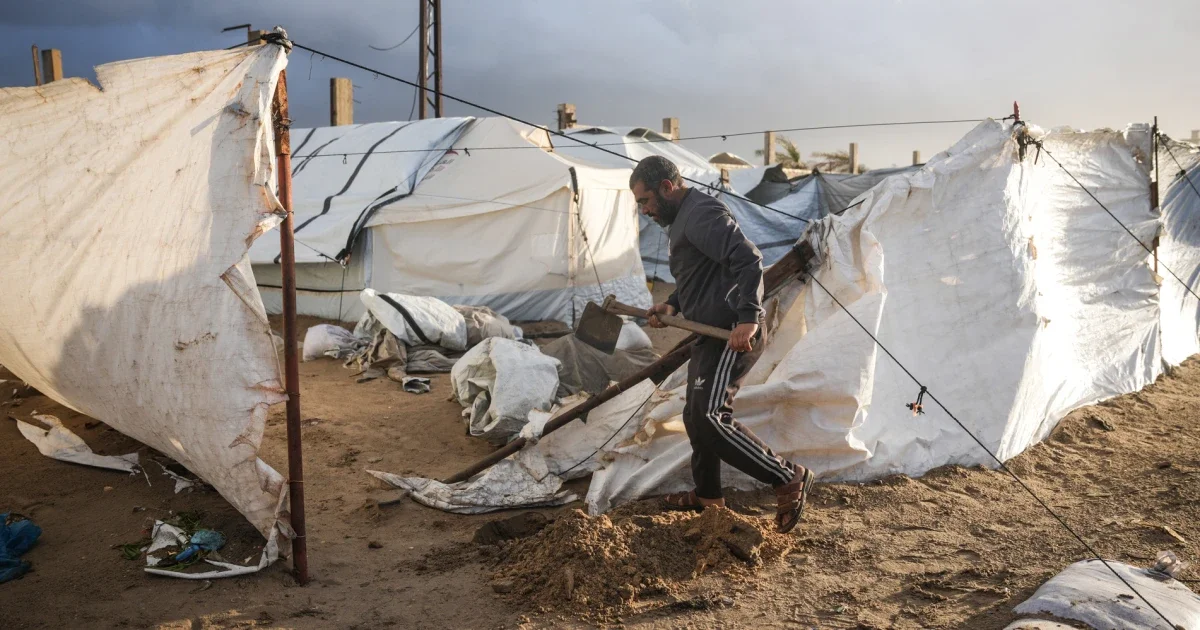
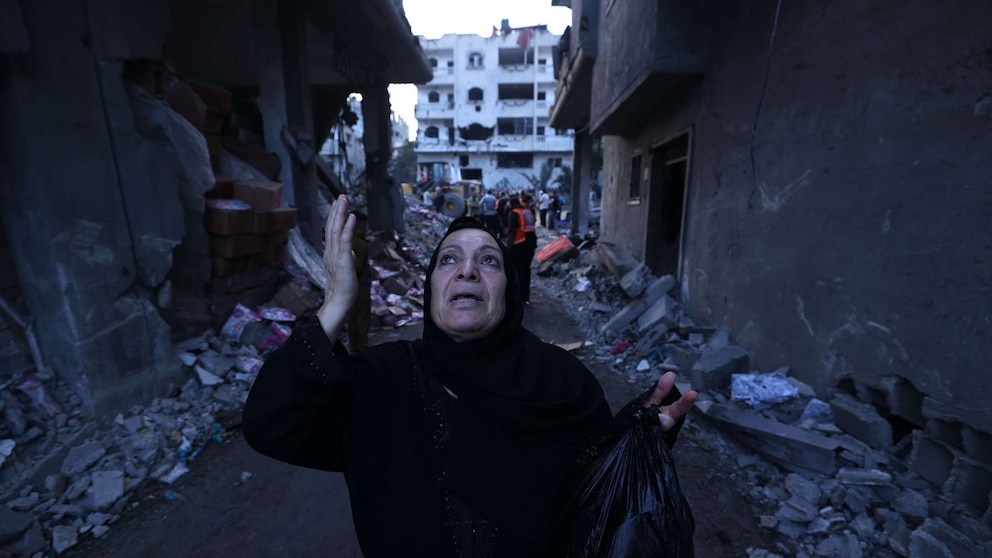
Storms battered makeshift tents in Khan Younis, flooding shelters and leaving families cold as winter deepens; thousands of tents were damaged and infant deaths from the cold rose to four, with aid still hampered by bans on building materials and new NGO vetting rules, complicating relief as Gaza’s civilians remain highly vulnerable.
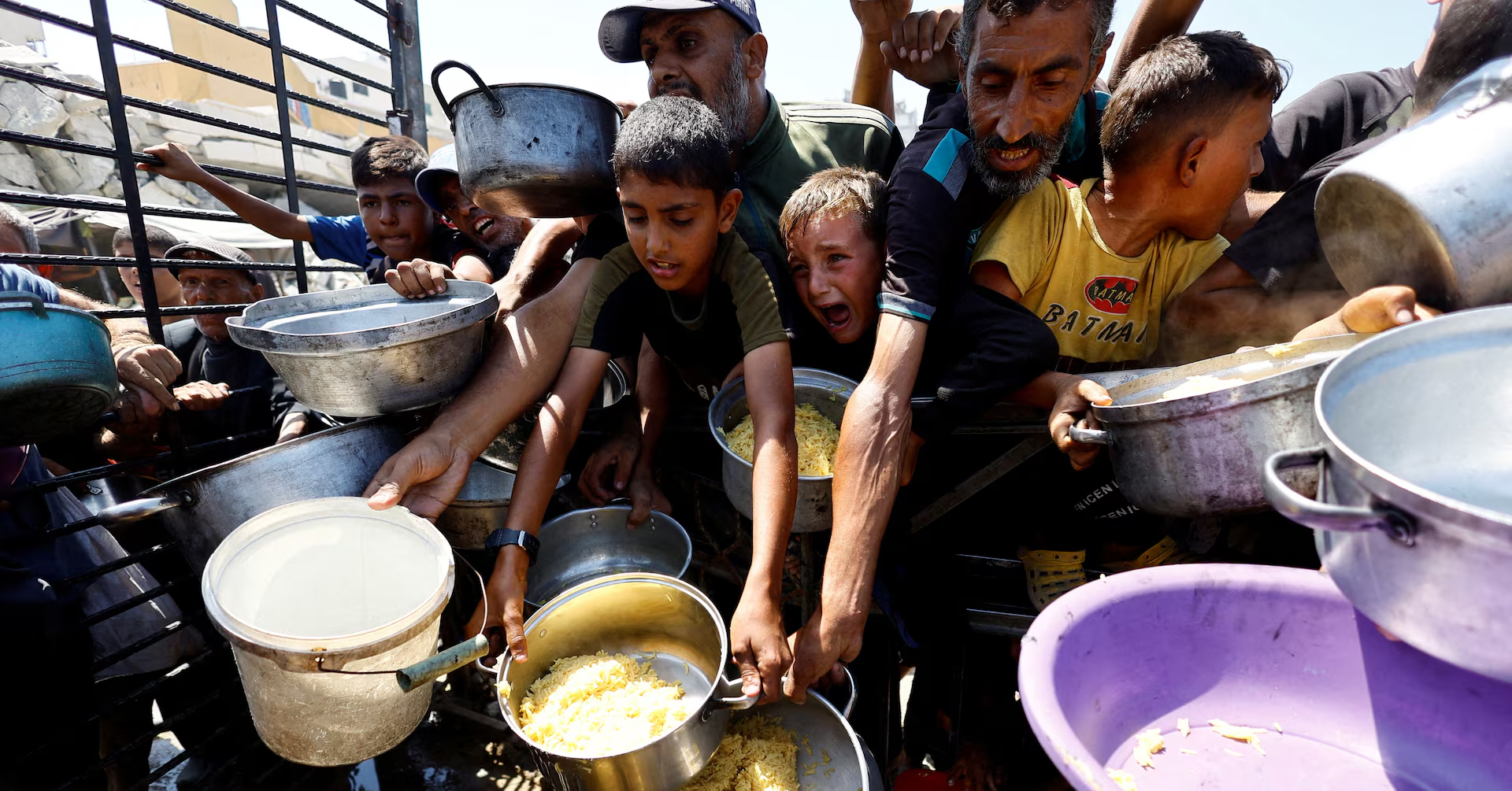
The global hunger monitor announced that famine conditions in Gaza have improved due to increased aid access following a ceasefire, but the situation remains critical with ongoing humanitarian challenges and disputed aid figures between Israel and aid agencies.
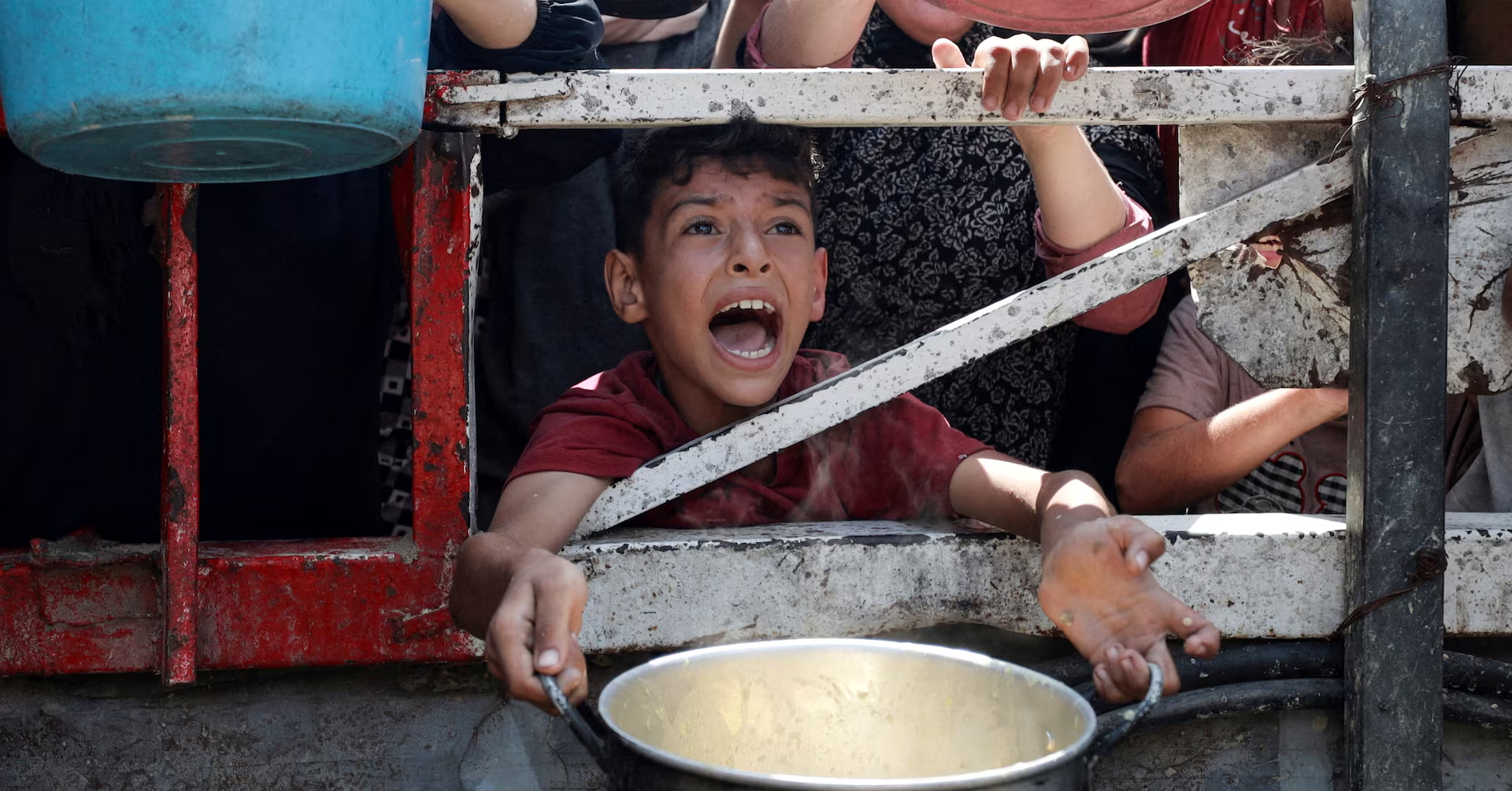
A severe food crisis in Gaza is nearing famine levels due to ongoing conflict, with international warnings of potential mass starvation unless aid restrictions are eased. Despite some aid entering Gaza, delivery remains insufficient, and the death toll has surpassed 60,000, highlighting the urgent need for increased humanitarian assistance.
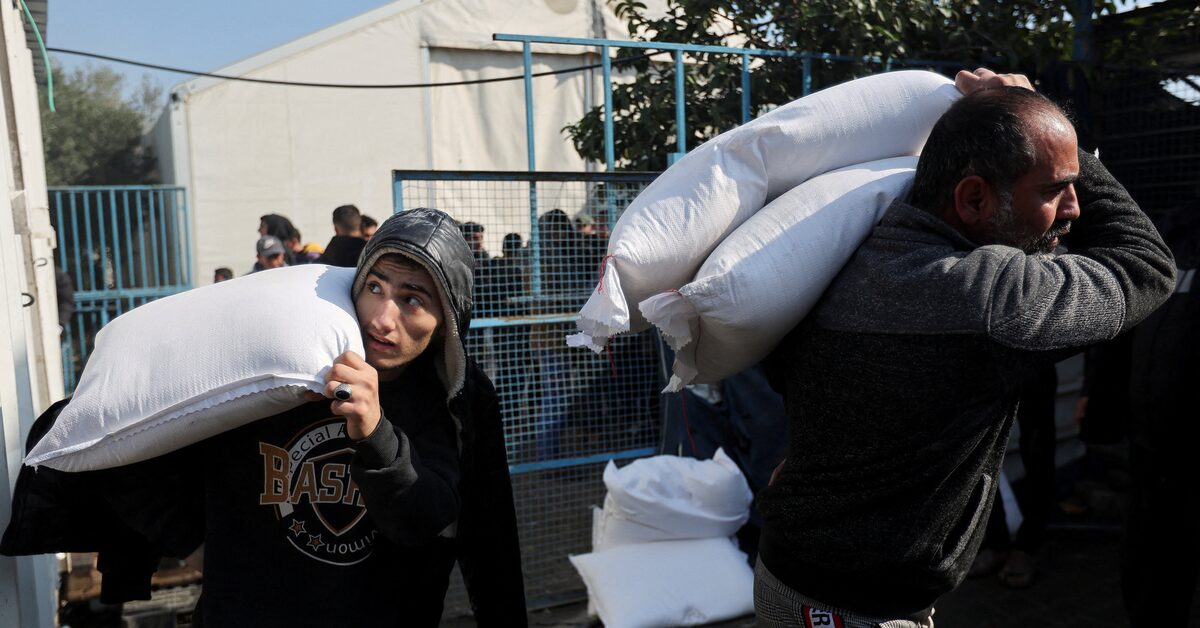
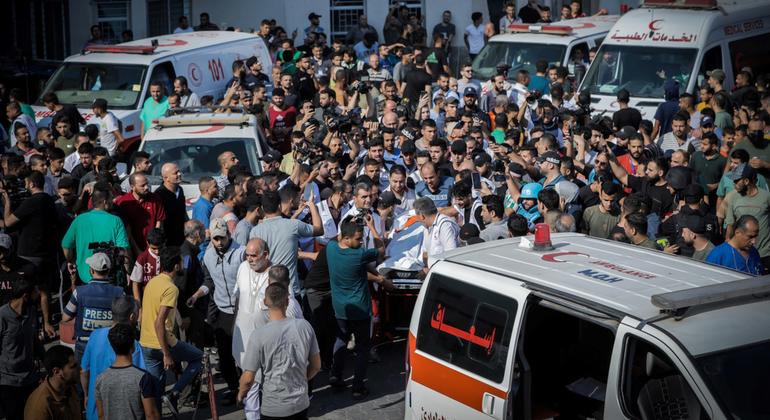
Israeli forces opened fire on Gazans seeking food aid, killing at least 32 people, amid ongoing conflict and difficulties in accessing humanitarian assistance, with both sides blaming each other for the escalation. The situation highlights the severe humanitarian crisis in Gaza and the challenges in peace negotiations.
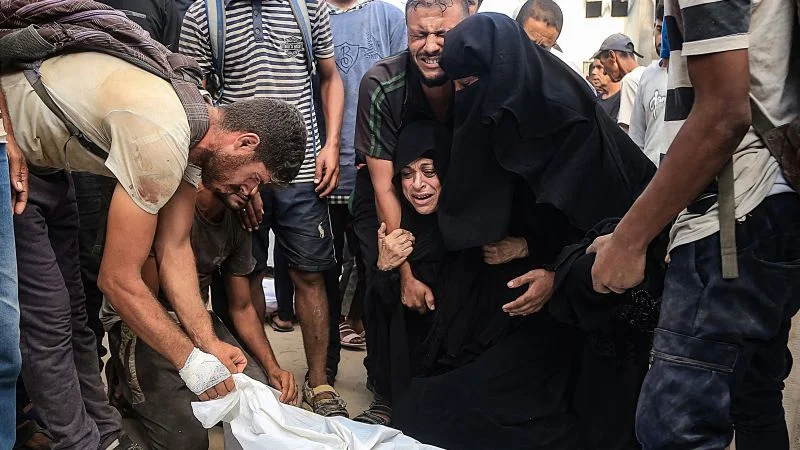
Israeli forces conducted deadly airstrikes and gunfire in Gaza, killing at least 74 people, including women and children, as Palestinians sought food aid amid ongoing conflict, with significant destruction and casualties reported across Gaza City and southern areas.
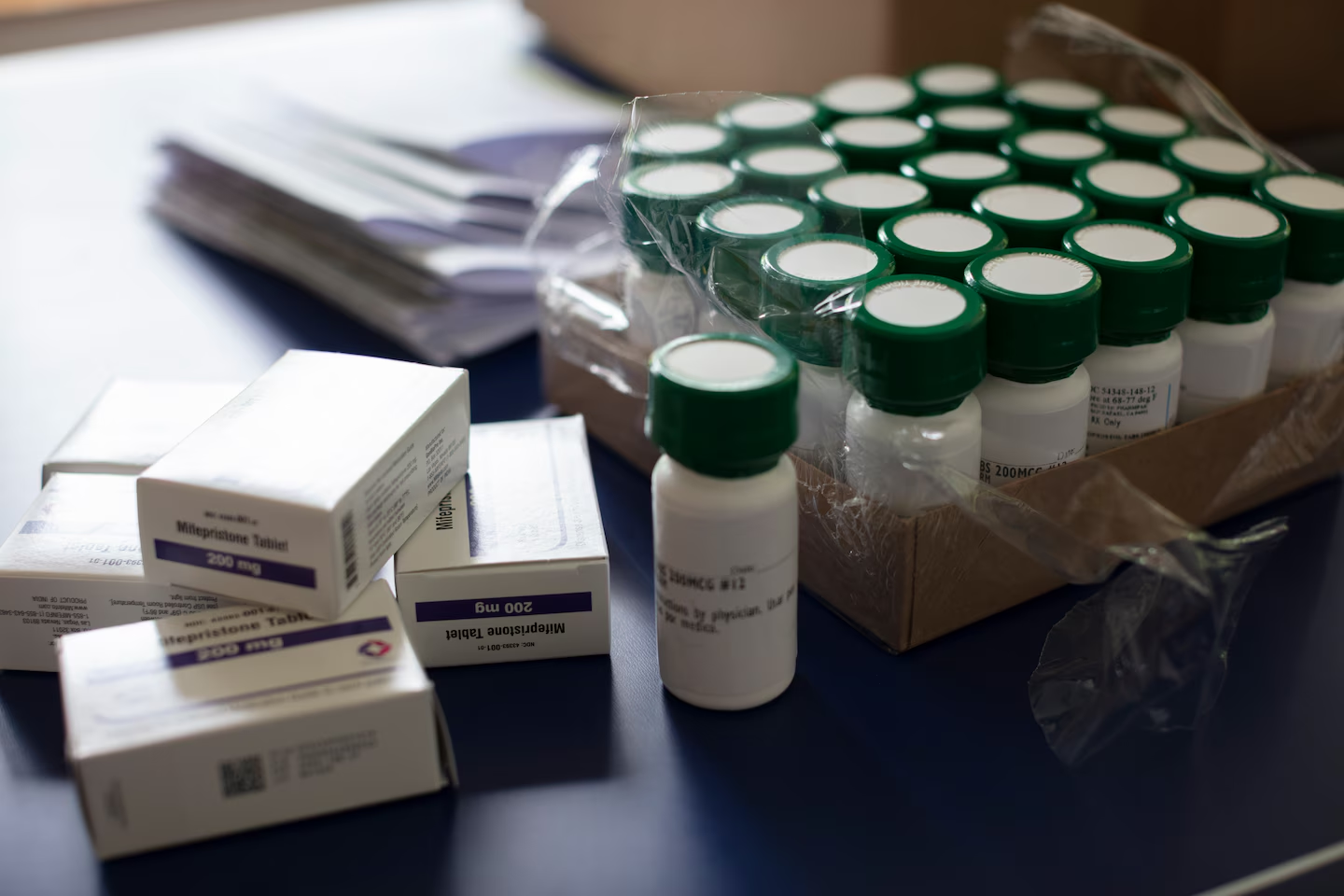
After the overturning of Roe v. Wade, abortions increased due to a network of medical providers who prescribed and shipped abortion pills via telemedicine, facilitated by FDA policy changes during the COVID-19 pandemic. States enacted laws to protect these providers, and increased funding and educational campaigns expanded access to in-person abortions. Organizations like Aid Access saw a surge in demand, leveraging FDA policies that eased restrictions on medication abortions. However, potential political changes could threaten this access, as anti-abortion activists target telehealth provisions.
Women are increasingly stockpiling abortion pills in anticipation of potential restrictions on reproductive rights under Donald Trump's presidency. Aid Access, a major supplier of these medications, reported a surge in requests, receiving 10,000 in just 24 hours following the election, compared to their usual 600 daily requests.
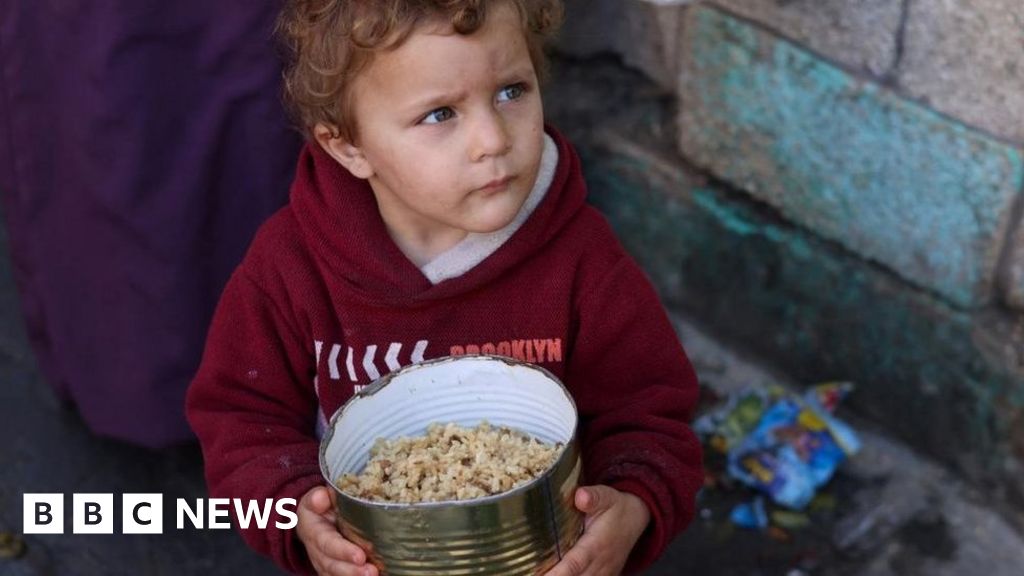
Residents in the isolated north of Gaza are resorting to grinding animal feed into flour and digging for water as aid convoys are increasingly denied permits to enter, leading to acute malnutrition among young children and a growing risk of famine. The UN warns that more than half the aid missions to the north of Gaza were denied access last month, with Israeli forces interfering in how and where aid is delivered. The territory, reliant on food aid before the war, now faces a public health crisis with a lack of shelter, sanitation, and medical care.
A study has shown a significant increase in non-pregnant women ordering abortion pills as a precaution, a practice known as advance provision, particularly in states where abortion access is at risk following the Supreme Court's decision to overturn Roe v. Wade. The data, collected from Aid Access, indicates that demand surged after the draft decision leak and subsequent court rulings threatening the availability of mifepristone. Most women cited the desire to "ensure personal health and choice" and to "prepare for possible abortion restrictions." Legal experts suggest that advance provision may be permissible in some states with abortion bans, while abortion rights advocates argue that it is a safe way to increase access to abortion care.
The United Nations Security Council is expected to vote on a resolution demanding that Israel and Hamas allow aid access to the Gaza Strip and establish UN monitoring of humanitarian assistance. The fate of the resolution depends on negotiations between the United States and the United Arab Emirates, with the US seeking to tone down language on a cessation of hostilities. UN officials and aid agencies warn of a humanitarian catastrophe in Gaza, with the majority of the population displaced and facing mass starvation and disease. The resolution needs at least nine votes in favor and no vetoes from the US, France, China, Britain, or Russia.
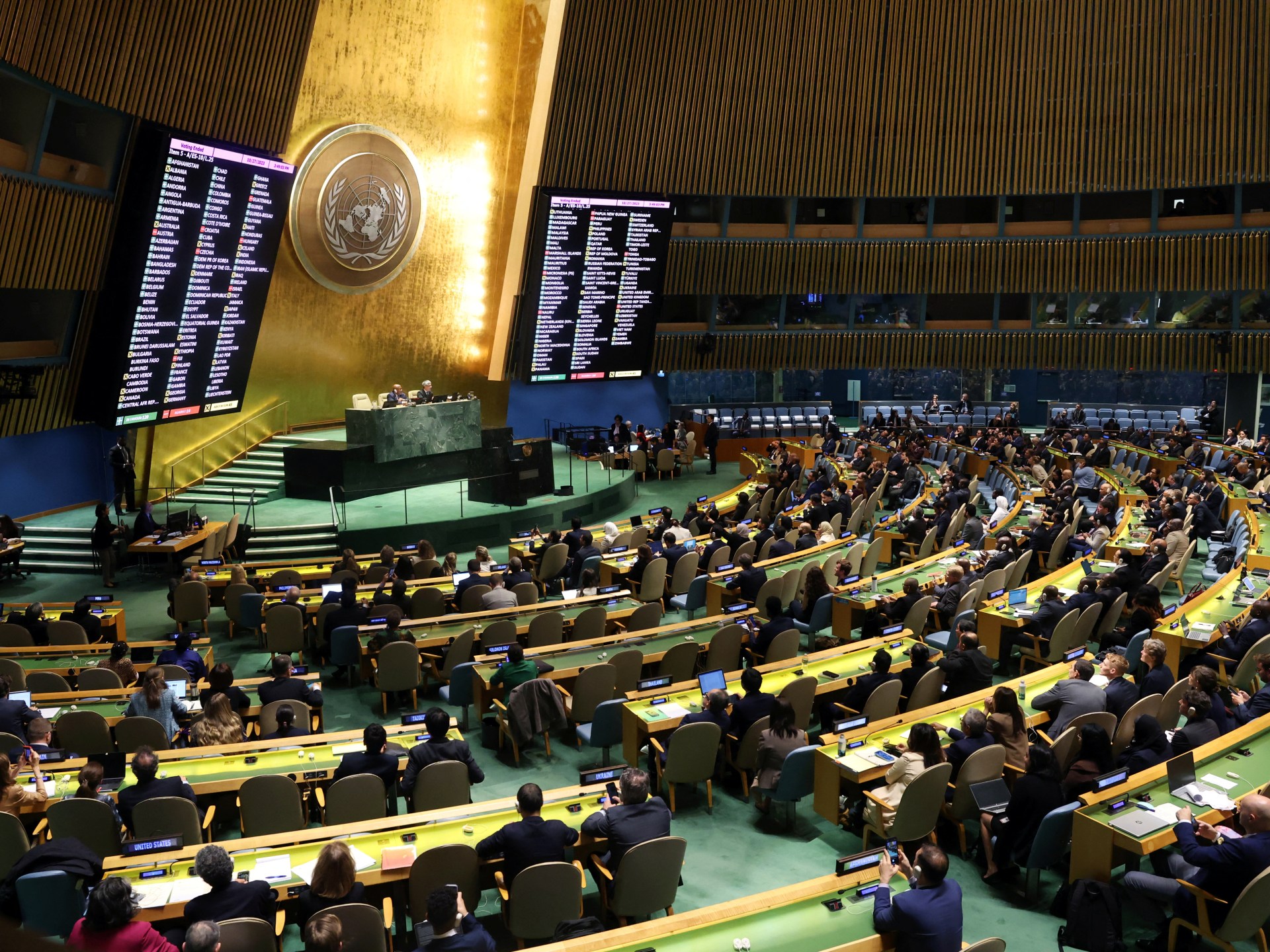
The United Nations General Assembly has passed a resolution calling for an immediate humanitarian truce between Israel and Hamas, as well as demanding aid access to Gaza. 120 countries voted in favor of the resolution, 14 countries voted against, including Israel and the United States, while 45 others abstained. Canada introduced an amendment that would have condemned Hamas for a recent attack on Israel, but ultimately abstained from the vote.
The "specter of death" looms over Gaza as humanitarian aid is blocked from entering the blockaded strip, causing severe shortages of water, food, and fuel. Aid convoys are waiting outside Gaza for access, while pressure mounts for the establishment of a humanitarian corridor. The United States and Israel have agreed to develop a plan for aid delivery, but Egypt claims that Israel is not cooperating. The health crisis in Gaza is worsening, with overwhelmed health services and shortages of medicines and specialists. The conflict has claimed over 4,000 lives, and food and water supplies are running out. The World Health Organization warns of potential disease outbreaks due to overcrowding and lack of sanitation. The U.N. calls for the lifting of the siege and safe access for essential supplies.
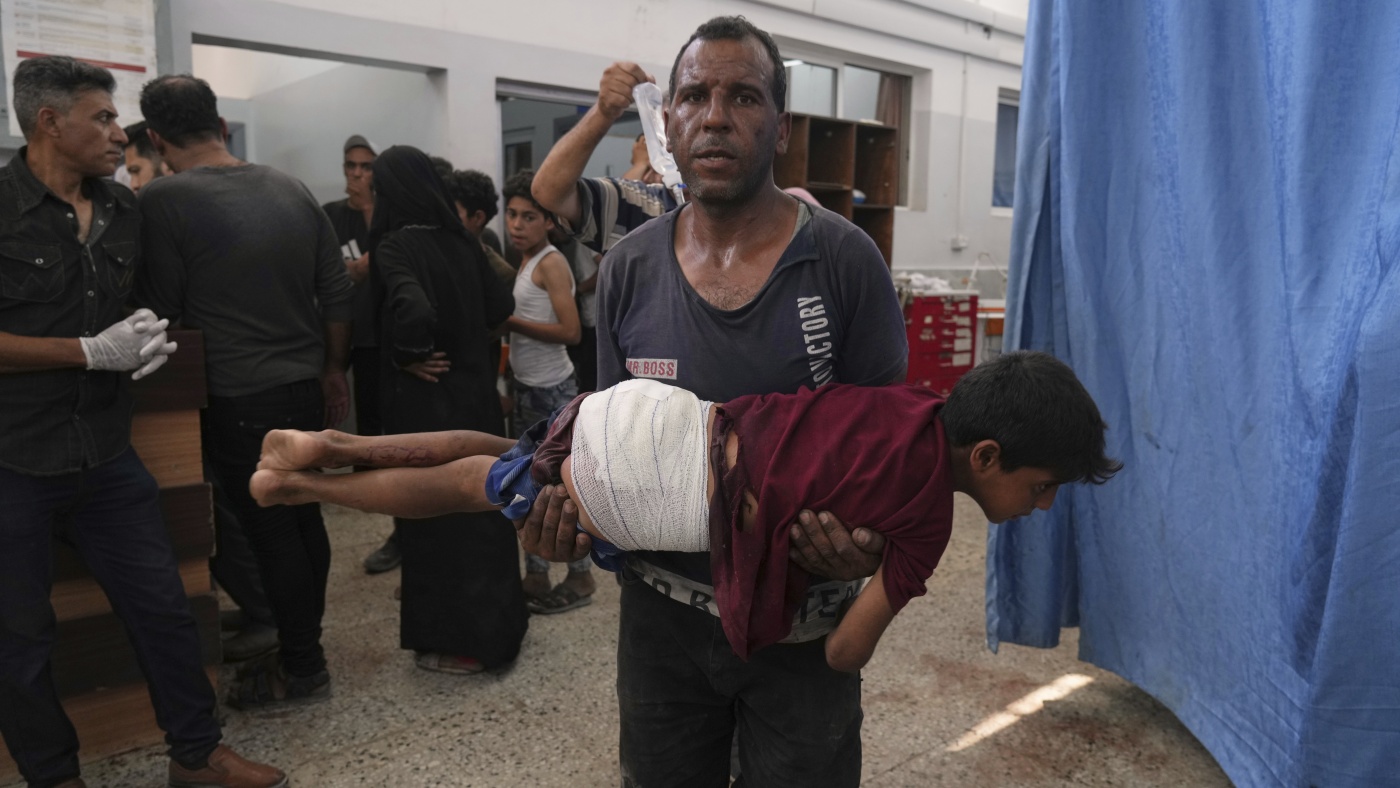
Humanitarians are calling for urgent aid access to Gaza as the enclave remains sealed off, leaving 2.3 million residents without outside assistance. Displacement has increased by 30% in the past 24 hours, with over 338,000 people seeking shelter, mostly in UNRWA schools. The UN World Food Programme and UNRWA are providing food to displaced people, but stocks are depleting rapidly. Hospitals in Gaza are at a breaking point, with limited electricity and medical supplies. UN-appointed rights experts are calling for the release of hostages and an end to the targeting of civilians. The water crisis is worsening due to damaged infrastructure and the blockade, and the UNFPA is deeply concerned about the safety and wellbeing of pregnant women in Gaza.
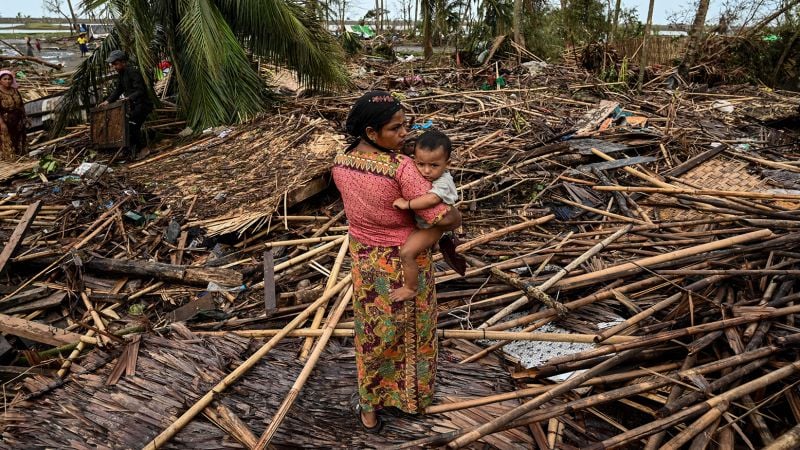
Myanmar's ruling junta has suspended humanitarian access to western Rakhine state, where more than a million vulnerable people are in urgent need of aid a month after Cyclone Mocha devastated the region, according to the United Nations. The decision has paralyzed the humanitarian response to the cyclone and crippled life-saving aid distributions to storm-hit communities. The UN has had "significant engagement" with Naypyidaw and regional officials, but the initial approval for distribution and transportation plans and additional travel authorization was rescinded, pending further clearances.