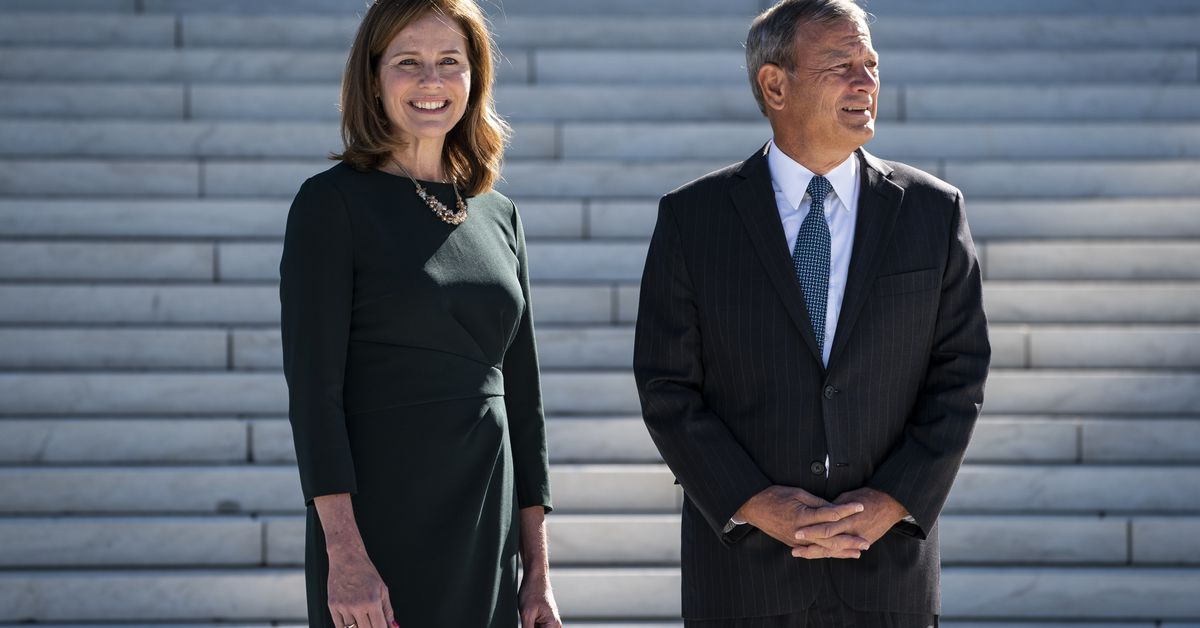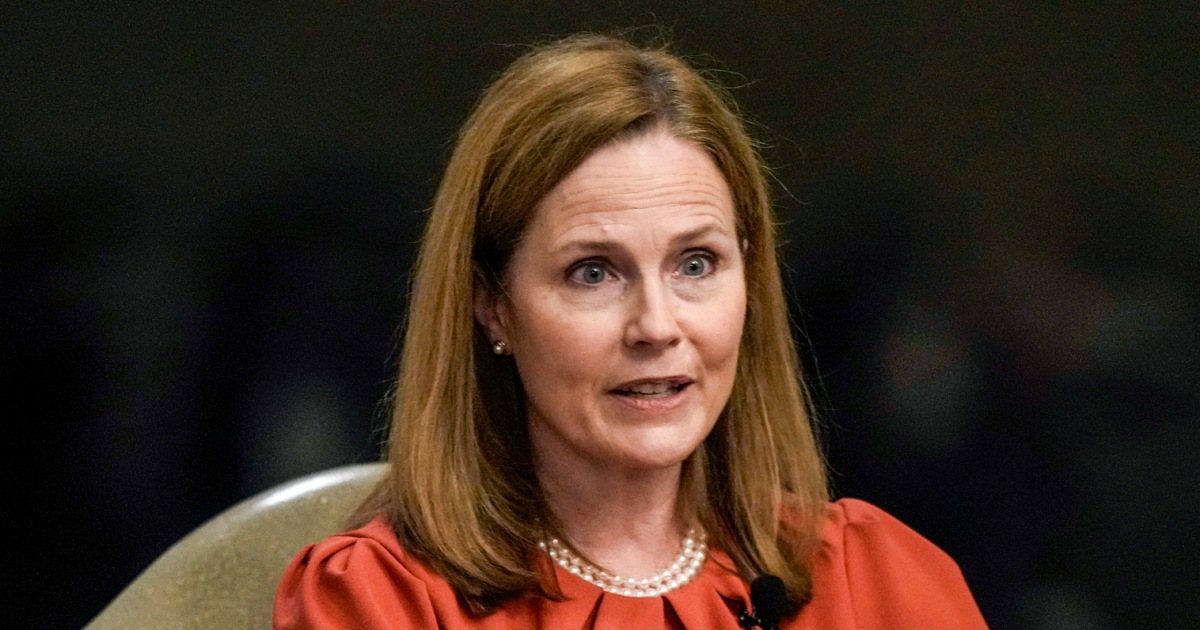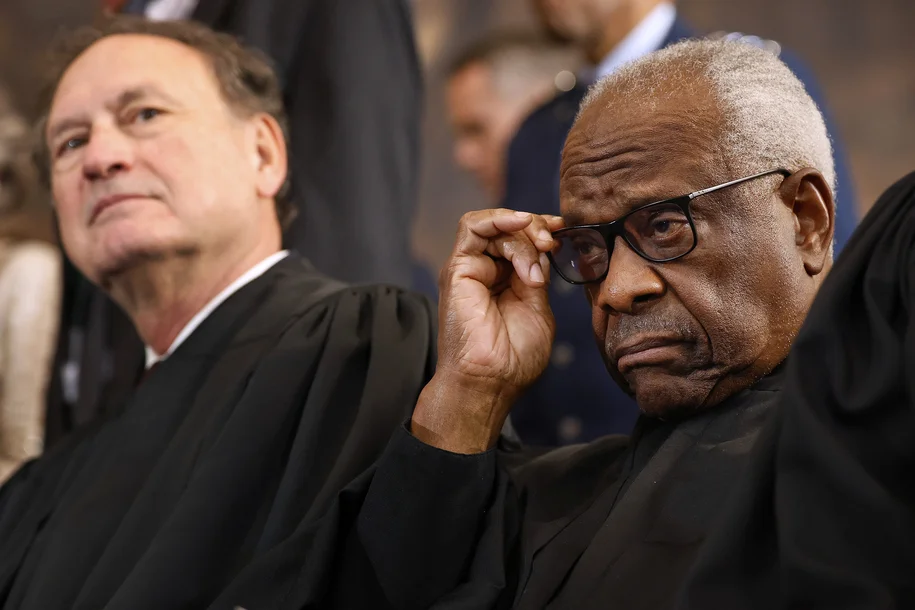
The article criticizes Supreme Court Justices Alito and Barrett for undermining the principle of originalism by dismissing expert consensus in favor of ideological and political motives, highlighting a hypocrisy in their reliance on professional opinion when it suits their outcomes, despite their criticism of such consensus in other contexts.
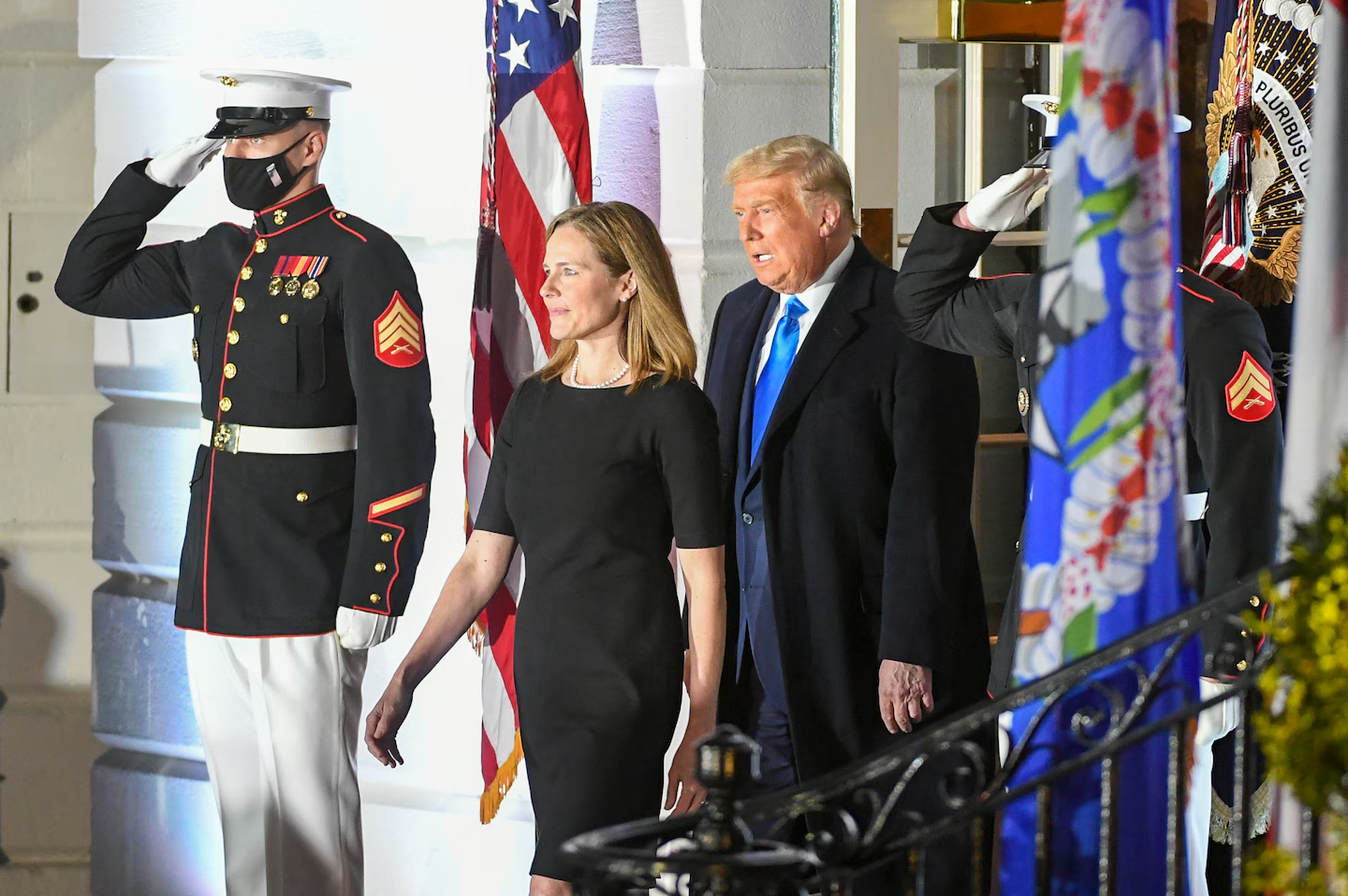
Justice Amy Coney Barrett defends the Supreme Court's decision to overturn Roe v. Wade, describing the 1973 ruling as a historic outlier that went against the will of many Americans, in her new memoir.
Four Supreme Court justices are considering overruling the Chevron v. National Resources Defense Council decision, which limits federal judges' ability to make policy decisions. Justices Roberts and Barrett are uncertain about the decision, with Barrett expressing concerns about the disruptive consequences of overruling Chevron and Roberts downplaying its significance. Overruling Chevron would transfer an immense amount of power to the justices, effectively making them the ultimate decision-makers on policy questions previously handled by federal agencies. The case raises the question of whether unelected judges should have such authority, and the outcome remains uncertain.
Conservative Justice Amy Coney Barrett expressed support for a code of conduct for the Supreme Court, stating that it would be a "good idea" and that the justices already hold themselves to the highest ethical standards. The court has faced scrutiny over alleged ethics lapses, prompting calls for a new ethics code. Other justices, including Elena Kagan and Brett Kavanaugh, have also expressed support for such a code. The court has yet to adopt a code, but Chief Justice John Roberts has indicated that they are exploring ways to reflect their commitment to ethical standards.