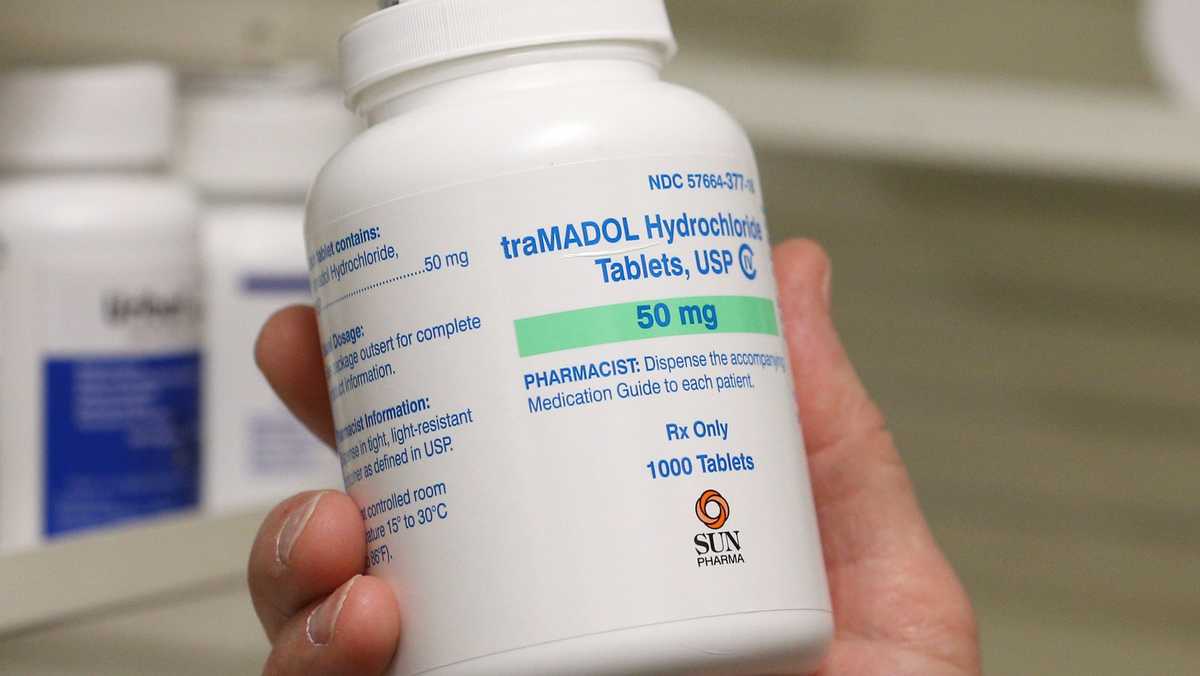
A comprehensive review finds that tramadol provides only modest pain relief for chronic pain but carries significant risks, including heart problems and increased adverse events, suggesting its benefits may not outweigh the harms and prompting a reevaluation of its widespread use.
A comprehensive review finds that tramadol provides only minimal relief for chronic pain and is associated with increased risks of serious side effects, including heart problems and potential cancer, suggesting its widespread use should be reconsidered due to its limited benefits and significant harms.
Scientists at USF Health have discovered new ways opioid receptors can function, potentially leading to pain medications that provide effective relief without the dangerous side effects like respiratory depression, by favoring a reverse signaling pathway. This research could pave the way for safer, non-addictive pain treatments and improve understanding of receptor mechanisms.
A comprehensive review suggests that tramadol, a widely prescribed opioid for chronic pain, offers only modest pain relief and poses significant health risks, including heart problems and increased cancer risk, leading experts to recommend minimizing its use due to the potential harms outweighing the benefits.
A comprehensive review suggests that tramadol, a widely prescribed opioid for chronic pain, offers minimal pain relief while significantly increasing the risk of serious health issues such as heart disease, leading researchers to recommend reducing its use due to the potential harms outweighing the benefits.
The White House announced a trade truce with China, including Beijing's commitment to lift export restrictions on rare earths vital for U.S. industries and to curb the flow of chemicals used in fentanyl production, though concerns remain about China's commitment to these measures.
A recent systematic review suggests that tramadol provides minimal pain relief for chronic pain conditions while doubling the risk of serious side effects, mainly cardiac issues, leading experts to recommend reconsidering its use for such cases.
A recent study published in BMJ Evidence-Based Medicine suggests that tramadol, a widely used opioid for chronic pain, offers only minimal pain relief and carries significant risks, including serious side effects and potential for addiction, leading experts to recommend minimizing its use and exploring alternative treatments.
A recent study published in BMJ Evidence-Based Medicine suggests that tramadol, a widely used opioid for chronic pain, offers only minimal pain relief with significant risks, including serious side effects and potential for addiction, leading experts to recommend minimizing its use and exploring alternative treatments.
A recent study published in BMJ Evidence-Based Medicine suggests that tramadol, a widely used synthetic opioid for chronic pain, offers only minimal pain relief with significant risks, including serious side effects and potential for addiction, leading experts to recommend minimizing its use and exploring alternative treatments.
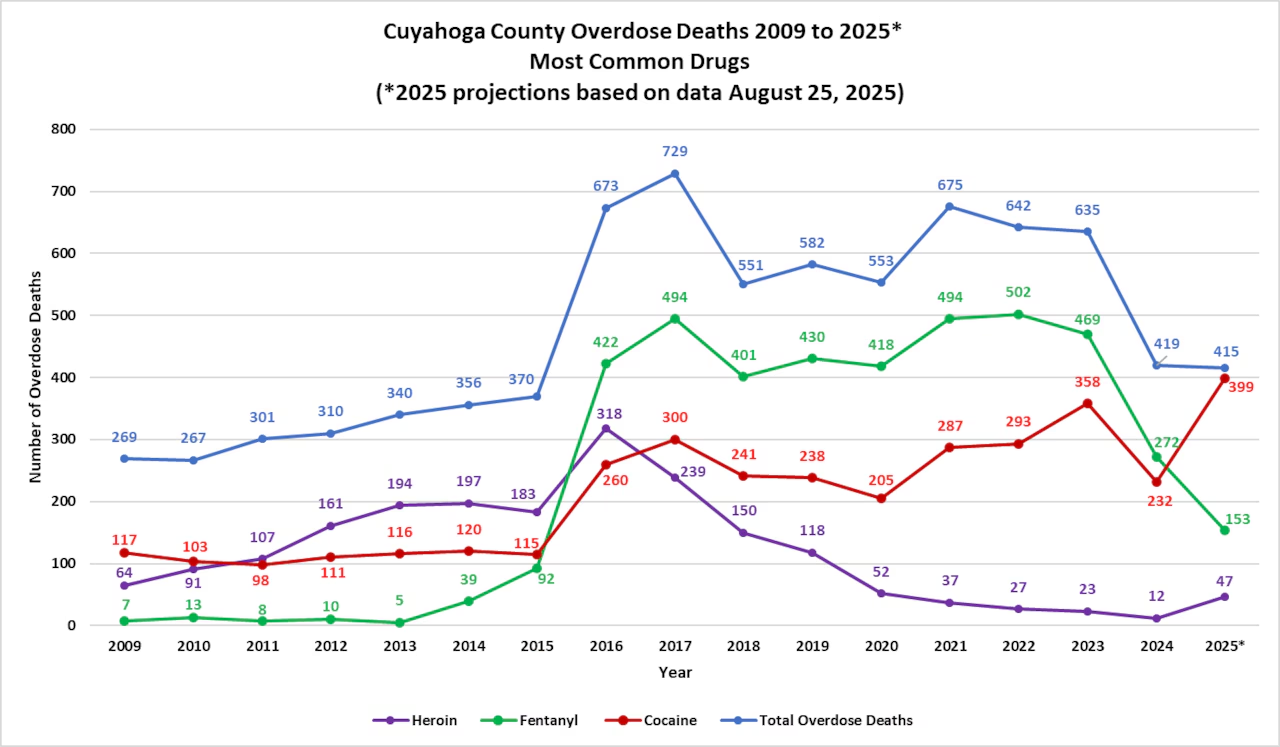
Cocaine has surpassed opioids, including fentanyl, as the leading cause of overdose deaths in Cuyahoga County, marking a significant shift in drug-related fatalities and highlighting the need for new prevention strategies, especially targeting Black communities and stimulant use.
Dr. Sanjay Gupta explores the nature of pain, emphasizing that all pain is processed in the brain and can be managed through various treatments beyond opioids, including nerve blocks, virtual reality, and meditation, offering hope for those suffering from chronic pain.
Researchers from Kyoto University have developed a new painkiller that is as effective as opioids like fentanyl but without addictive properties or severe side effects, potentially replacing opioids for pain management, especially in cancer patients. The drug has shown promising results in animal studies and a small clinical trial, and a Phase II trial is planned in the US.
The FDA is recommending regulatory action to control 7-hydroxymitragynine (7-OH), a potent opioid byproduct of the kratom plant, due to its abuse potential and presence in unregulated products, especially those appealing to youth. The agency emphasizes the risks and is working to prevent a new wave of opioid addiction by alerting healthcare professionals and consumers, and collaborating with the DEA for scheduling.
A study analyzing over 22 million urgent care visits found that a significant percentage resulted in inappropriate prescriptions, including antibiotics, glucocorticoids, and opioids, highlighting the need for stewardship programs to reduce misuse and improve prescribing practices.