Tag

Rising Interest Rates

All articles tagged with #rising interest rates

The Unseen Potential of House Republicans

Originally Published 2 years ago — by Yahoo Finance

House Republicans, amidst their internal conflicts and leadership changes, have lost sight of their original purpose of cutting federal spending. However, the bond market is signaling that the massive issuance of US debt may be reaching unsustainable levels, causing long-term rates to rise and creating turbulence in the stock market. The federal deficit for fiscal 2023 reached $1.7 trillion, and with rising rates, the government's borrowing costs are set to increase significantly. The average interest rate the US government pays on its debt has risen to nearly 3%, the highest level since 2011, and is expected to continue rising. This combination of excessive borrowing and higher interest rates poses a serious threat to the government's financial situation, with interest payments potentially surpassing defense spending. While Republicans have a history of advocating for spending cuts, they often avoid addressing the core issues and fail to propose comprehensive solutions. However, the market is suggesting that it may be time to address the growing federal debt through a combination of higher taxes, reduced benefits, and other measures.


"Financial Health Concerns: Low Emergency Savings and Scary Savings Mistakes Plague Americans"

Originally Published 2 years ago — by CNBC

Featured image for "Financial Health Concerns: Low Emergency Savings and Scary Savings Mistakes Plague Americans"
Source: CNBC

A new report from Bankrate reveals that 81% of Americans did not contribute to their emergency savings in 2023, with 60% feeling behind in building a cash cushion. Rising prices and high household expenses have made it difficult for households to save, putting them in a bind. The injection of stimulus money in 2020 provided a temporary safety net, but those savings have now largely been depleted. Soaring inflation and rising interest rates have further exacerbated the situation. Financial experts recommend finding alternative sources of income, such as side hustles or freelance work, to boost savings in the face of increasing expenses.

Navigating the Downsize Dilemma: Finding a New Home with Less Square Footage

Originally Published 2 years ago — by The New York Times

Featured image for Navigating the Downsize Dilemma: Finding a New Home with Less Square Footage
Source: The New York Times

Homebuilders in the United States are responding to rising interest rates by constructing smaller homes in exurban areas. With mortgage costs increasing, builders are reducing square footage and offering more compact designs to keep monthly payments affordable for buyers. This trend is transforming traditionally spacious exurbs into higher-density communities with smaller single-family houses. Builders are reconfiguring floor plans and community designs to meet buyers' affordability needs. The average size of new homes is expected to decline, with more duplexes and small-lot single-family homes being built. The shift towards smaller homes is driven by the need to maintain affordability in the face of rising borrowing costs.

"Corporate Apocalypse: Predicting a Surge in Failures by 2024"

Originally Published 2 years ago — by Reuters

Featured image for "Corporate Apocalypse: Predicting a Surge in Failures by 2024"
Source: Reuters

Debt-laden companies across Europe, Middle East, and Africa are facing a $500 billion refinancing challenge in the first half of 2024, which could lead to the demise of many "zombie" businesses. As interest rates rise and banks tighten risk ahead of stricter capital rules, weaker companies are seeking new loans and debt deals just as government borrowing costs soar globally. Failure to secure affordable cash could result in insolvencies and layoffs. Signs of distress are already evident, with corporate insolvencies in England and Wales up 19% in August. The Bank of England has warned lenders about the risk of corporate loan defaults, and some banks are referring more small businesses to their restructuring teams. The looming refinancing task, coupled with tougher capital rules for banks from 2025, is expected to strain support for struggling companies.

Navigating the Year-End Stock Market Worries: Protecting Against the Biggest Risk

Originally Published 2 years ago — by MarketWatch

Featured image for Navigating the Year-End Stock Market Worries: Protecting Against the Biggest Risk
Source: MarketWatch

Stock investors are facing a growing list of risks heading into the fourth quarter, including rising interest rates, a possible revival of inflation, and gridlock in Washington. The Federal Reserve's rate-hiking mode and the prospect of $100-a-barrel oil are reigniting inflation concerns. With the central bank's interest-rate target already at a 22-year high and likely to go higher, Treasury yields have reached levels not seen in at least a dozen years, creating the need for investors to search for protection. Some analysts remain optimistic about the economy's momentum, while others express concerns about a potential recession.

"High-Yield Stock at 52-Week Low: A Smart Investment Opportunity"

Originally Published 2 years ago — by The Motley Fool

Featured image for "High-Yield Stock at 52-Week Low: A Smart Investment Opportunity"
Source: The Motley Fool

Despite a 20% decline in share price over the past year, Realty Income, a real estate investment trust (REIT), continues to perform well in terms of its business operations. The underperformance of the stock is largely attributed to rising interest rates, which affect income-focused stocks like REITs. However, Realty Income's business model, which focuses on single-tenant, net-leased properties, remains strong, with steady growth and predictable income. With a dividend yield of 5.6% and a track record of market-beating performance, the author plans to continue buying shares in Realty Income.

Berkshire Hathaway's Record Profits and Cash Pile Surge

Originally Published 2 years ago — by Reuters

Featured image for Berkshire Hathaway's Record Profits and Cash Pile Surge
Source: Reuters

Berkshire Hathaway, led by Warren Buffett, reported its highest ever quarterly operating profit, driven by rising interest rates and improved performance at its insurance businesses. However, the company's Clayton Homes and building products businesses, as well as its Forest River unit, were negatively impacted by the higher rates. Profit also declined at the BNSF railroad due to lower shipments and increased competition. Berkshire sold more stocks than it bought during the quarter and ended with a near-record $147.4 billion in cash. Buffett remains cautious about high stock valuations and the lack of attractive investment opportunities.

Kitchenware Company Seeks Bankruptcy Protection in US

Originally Published 2 years ago — by The Guardian

Featured image for Kitchenware Company Seeks Bankruptcy Protection in US
Source: The Guardian

Instant Brands, the maker of Pyrex kitchenware and Instant Pot pressure cooker, has filed for Chapter 11 bankruptcy protection in the US, citing rising interest rates as the reason for its financial difficulties. The company plans to restructure its liabilities of up to $1bn and continue serving retailers without interruption while seeking to prevent the sale of its brands. Instant Brands has received a commitment for $133m in financing from its existing lenders to see it through the bankruptcy process.

World Bank predicts slow global growth due to interest rates, inflation, and pandemic aftermath.

Originally Published 2 years ago — by The New York Times

Featured image for World Bank predicts slow global growth due to interest rates, inflation, and pandemic aftermath.
Source: The New York Times

The World Bank has warned of sluggish global growth this year and next due to rising interest rates, which are slowing consumer spending and business investment, and threatening the stability of the financial system. The bank projected that global growth would slow to 2.1 percent this year from 3.1 percent in 2022, and in 2024 output is now expected to rise to 2.4 percent, weaker than the bank’s previous prediction of 2.7 percent. The report also warned that 65 percent of countries would experience slower growth this year than last, and 14 of 28 low-income countries are in debt distress or at a high risk of debt distress.

The Increasing Inaccessibility of Buying a New Car

Originally Published 2 years ago — by The Washington Post

Featured image for The Increasing Inaccessibility of Buying a New Car
Source: The Washington Post

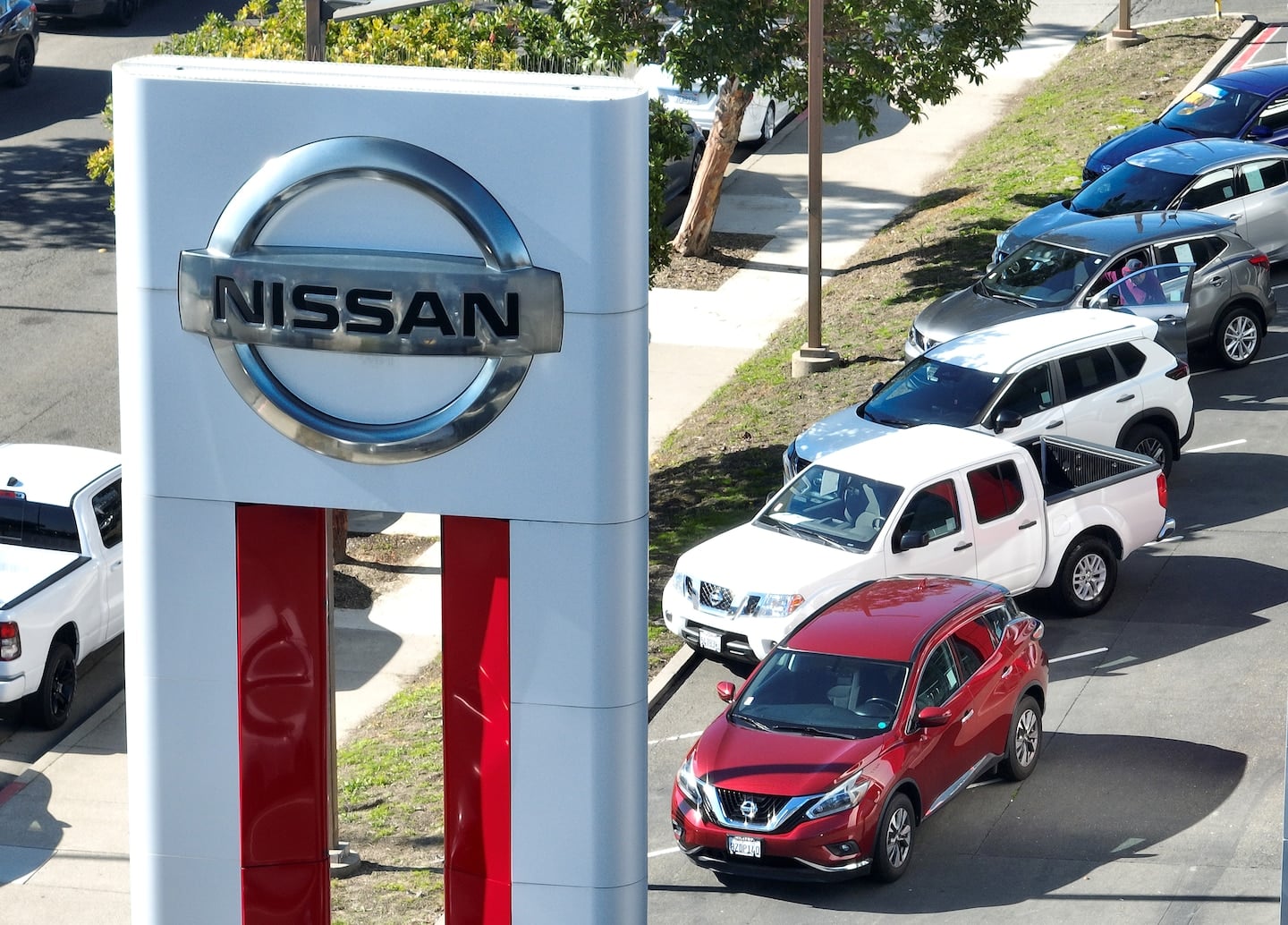
More Americans are being priced out of the new car market due to rising interest rates and a lack of affordable options. Spending on new cars by the lowest 20% of earners dropped to its lowest level in 11 years, while spending on new cars by the top 20% reached its highest level on record. The average price of a new car in the United States hit $48,008 in March, up 30% from March 2020. Automakers are selling fewer new vehicles in the United States than they did before the pandemic, but their 2022 revenue was still $15 billion higher than in 2019, because the mix they are selling is more expensive.

Commercial Real Estate Faces Distress and Uncertainty Amid Economic Turmoil

Originally Published 2 years ago — by The Wall Street Journal

Featured image for Commercial Real Estate Faces Distress and Uncertainty Amid Economic Turmoil
Source: The Wall Street Journal

High-end office buildings, also known as class-A properties, are experiencing an increase in defaults and vacancies due to remote work and rising interest rates. These buildings, which were previously able to increase rents during the pandemic, are now under pressure as the distress in the office market spreads to more corners of the commercial real estate market.