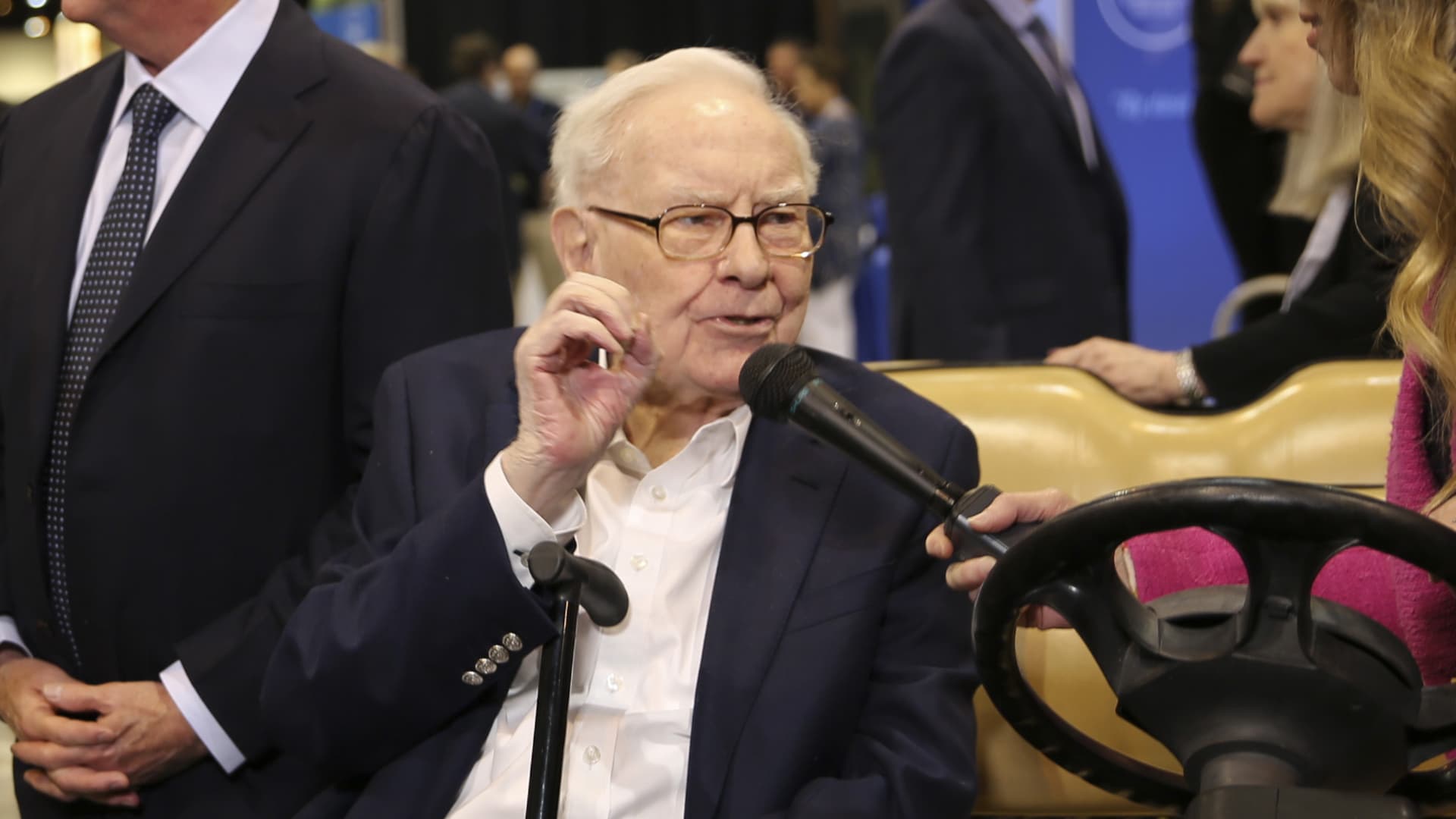
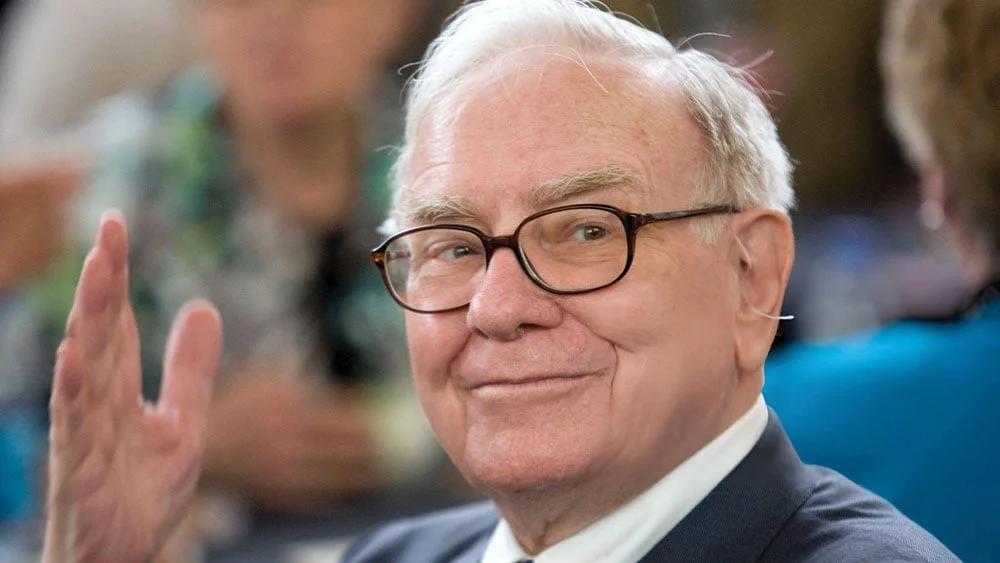
Berkshire Hathaway's operating earnings surged 34% to $13.485 billion in Q3, driven by a significant increase in insurance income, while its cash reserves hit a record $381.6 billion with no share buybacks, and Buffett plans to step down as CEO with Greg Abel taking over.
Caterpillar reported a slight decrease in sales for Q2 2025, with revenues at $16.6 billion, and a decline in profit margins and earnings per share compared to the previous year, but maintained strong cash flow and continued stock repurchases and dividends.
Berkshire Hathaway's Q2 operating profit declined by 4% to $11.2 billion, impacted by foreign exchange losses and a $3.8 billion write-down of its Kraft Heinz stake, with no stock buybacks during the period; stock prices fell amid leadership transition and macroeconomic concerns.
Paramount+ lost 1.3 million subscribers in Q2 but saw a 15% revenue increase to $2.1 billion and a significant boost in operating income, driven by higher subscription revenue and content growth, despite higher operating costs.
The Green Bay Packers reported a strong financial year with an $83.7 million operating profit, driven mainly by an extra home game at Lambeau Field and increased revenue from broadcasting and local sources, despite higher expenses related to team travel and stadium investments. The team continues to invest heavily in stadium and facilities upgrades, maintaining a competitive edge, while also boosting community impact and reserve funds.
Toyota reported a nearly 20% drop in second-quarter operating profit, missing analyst estimates, as it faces challenges in the shift towards electric vehicles. Despite a decline in sales volume and net profit, Toyota raised its full-year dividend forecast. The company has been cautious about fully embracing electric vehicles, citing potential job losses. Toyota has also faced multiple vehicle recalls and scrutiny over false data used in vehicle certification.
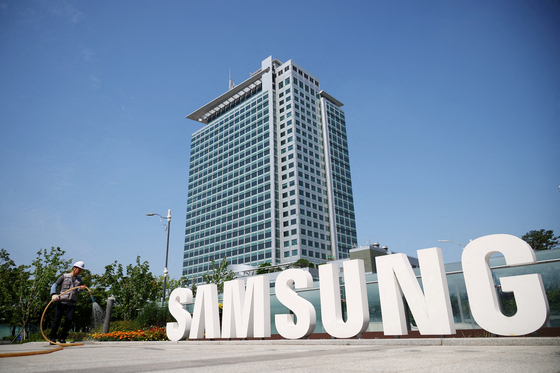
Samsung Electronics has announced its earnings guidance for the first quarter of 2024, with consolidated sales estimated at approximately 71 trillion Korean won and consolidated operating profit at approximately 6.6 trillion Korean won, based on K-IFRS. The estimates represent the median of the provided range, with sales expected to range between 70 trillion to 72 trillion Korean won and operating profit between 6.5 trillion to 6.7 trillion Korean won.
Adidas warns of a sales decline in North America in 2024 as it continues to sell off its remaining Yeezy inventory, with currency-neutral sales expected to decline to a mid-single-digit rate. The company reported a 2023 operating profit of 268 million euros, significantly above prior expectations, despite the cessation of its Yeezy line. Adidas aims to return to top-line growth by scaling up successful shoe lines and introducing new ones, projecting an operating profit of around 500 million euros in 2024 despite unfavorable currency effects.
Sony's new interim CEO, Hiroki Totoki, plans to improve margins and operating profit for Sony Interactive Entertainment by implementing a more aggressive multiplatform plan to bring PlayStation first-party content to PC. This strategy aims to expand the user base and increase operating profit, as the company anticipates a gradual decline in PlayStation 5 hardware sales. This shift in approach comes as a departure from the previous stance under former CEO Jim Ryan, signaling a potential change in Sony's game release strategy.
Samsung Electronics reported a 34.57% drop in operating profit in the fourth quarter, in line with its earlier guidance, with revenue at 67.78 trillion Korean won. The decline is attributed to the impact of inflationary pressures and excess chip inventories. However, the company expects a moderate improvement in earnings in the first half of 2024, with a more significant improvement in the second half, as it anticipates a continued recovery in memory chip prices and demand for IT products.
In Q3 2023, Amazon reported $143 billion in revenue, with the majority coming from online stores and third-party seller services. Surprisingly, 62% of its operating income was generated by Amazon Web Services (AWS), the cloud computing segment, which posted a 30% operating margin and $23 billion in sales. Despite fierce competition from Microsoft Azure and Google Cloud, AWS remains a dominant force in the industry and is poised to benefit from the projected $1.6 trillion global market for cloud infrastructure services by 2030. While other segments like digital advertising and the online marketplace are also significant revenue sources, AWS is expected to continue growing in importance for Amazon's future success.
Samsung Electronics forecasts an 84.9% drop in operating profit for last year due to a downturn in the semiconductor industry, with an expected operating profit of 6.5 trillion won, the lowest since 2008. The company's annual sales figure is projected to be 258.2 trillion won, down 14.6% from the previous year. The memory chip business is estimated to have generated 15 trillion won of operating losses in 2023, but is expected to rebound in 2024. The final earnings report is expected to be announced by the end of the month.
Samsung Electronics Co. reported a 35% decline in operating profit, marking its sixth consecutive quarter of decreasing profits, as weak consumer demand continues to impact the technology industry. The company's revenue also fell more than expected, raising concerns about the timing of a broader tech recovery.
Sony reported a 29% drop in operating profit in the fiscal second quarter due to weakness in its imaging sensor business, as well as declines in profit at its financial services and entertainment, technology and services businesses. The company attributed the drop to a 28% decline in profit in its chip division. Despite the decrease in profit, Sony increased its sales forecast for the full year, benefiting from positive foreign exchange rates.