Bankruptcies are rising across the US economy, affecting households, small businesses, and large corporations, with the highest levels in 15 years, driven by increased costs, tighter credit, and geopolitical volatility, and occurring across diverse industries in an unusual pattern.
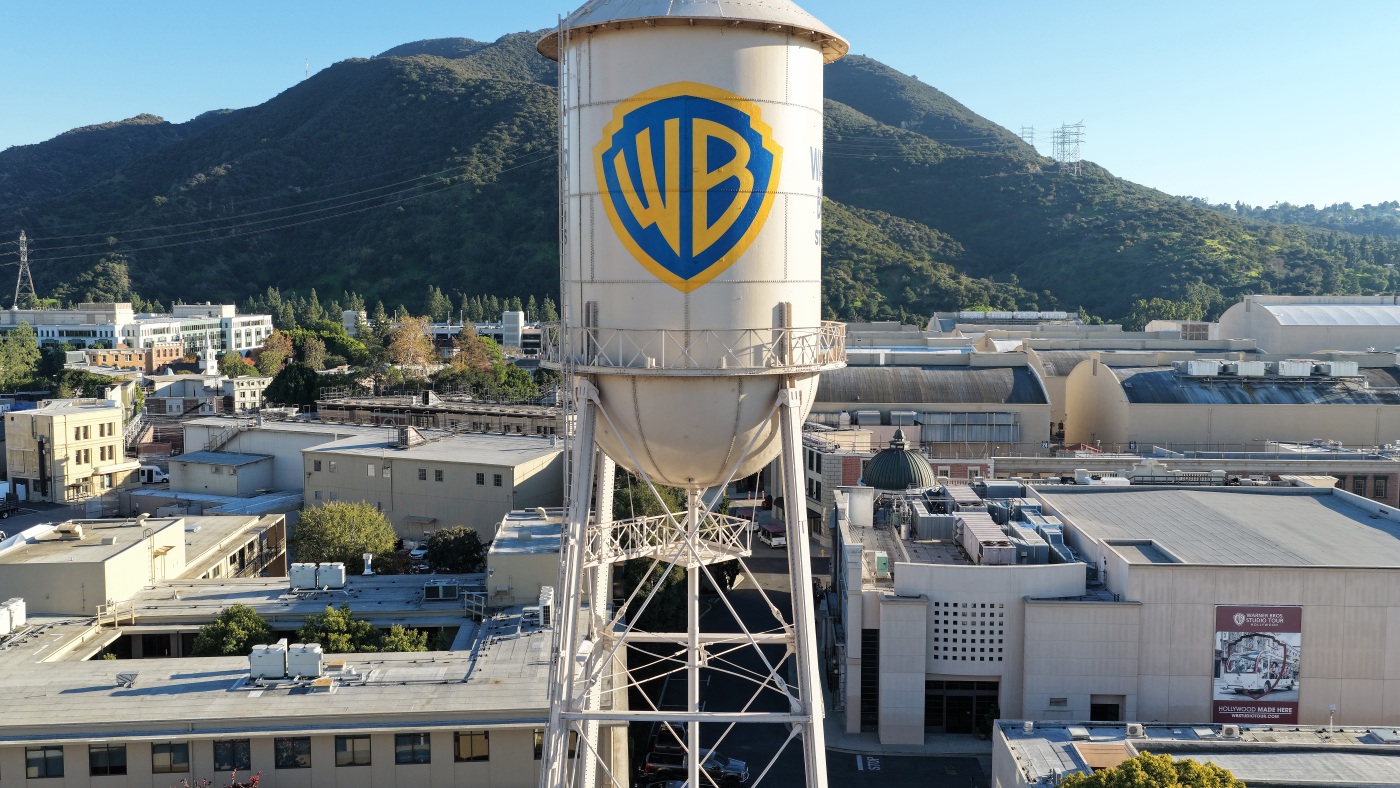
The article discusses the long history of failed mergers and acquisitions involving Warner Bros., highlighting the disastrous AOL-Time Warner merger of 2000 as a prime example, and explores reasons why such corporate marriages often go wrong, including overpayment, cultural clashes, and misjudged synergies, with recent potential acquisitions facing similar risks.
Debt-laden companies across Europe, Middle East, and Africa are facing a $500 billion refinancing challenge in the first half of 2024, which could lead to the demise of many "zombie" businesses. As interest rates rise and banks tighten risk ahead of stricter capital rules, weaker companies are seeking new loans and debt deals just as government borrowing costs soar globally. Failure to secure affordable cash could result in insolvencies and layoffs. Signs of distress are already evident, with corporate insolvencies in England and Wales up 19% in August. The Bank of England has warned lenders about the risk of corporate loan defaults, and some banks are referring more small businesses to their restructuring teams. The looming refinancing task, coupled with tougher capital rules for banks from 2025, is expected to strain support for struggling companies.
The bankruptcy of GenesisCare, a cancer treatment specialist backed by KKR & Co. and China Resources Pharmaceutical Group Ltd., serves as a warning for lenders as corporate failures continue to rise. Debt investors are struggling to salvage money from bankrupt companies, highlighting the low recovery rates in the leveraged-loan market and the impact of looser loan protections for private equity-backed firms.