Companies sold a record volume of leveraged loans last month, but recovery rates for defaults have significantly dropped. Investors in newly issued first-lien debt in the US and Canada can now expect to recover less than 35% of their investment, compared to 72% from 2018-2022, highlighting increased risk in this debt market.
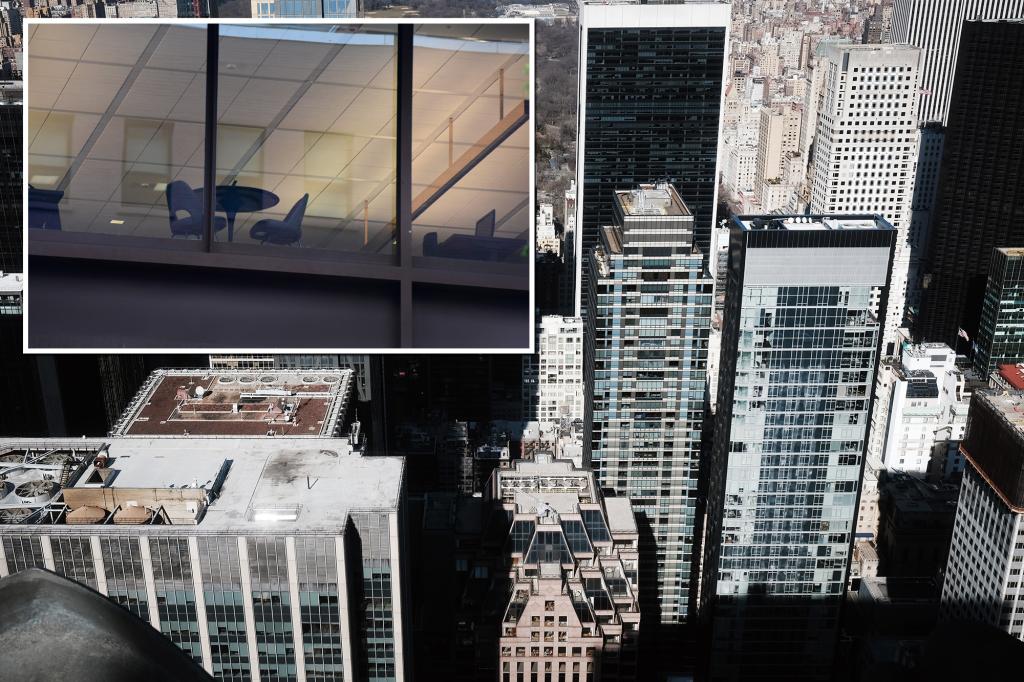
Banks are facing potential losses of up to $160 billion on loans to the commercial real estate market as landlords prepare for a wave of defaults in the coming year. Researchers from Columbia, Stanford, the University of Southern California, and Northwestern estimate a 10% to 20% default rate on commercial real estate loans, equivalent to $80 billion to $160 billion in bank losses. The struggling commercial real estate sector, impacted by post-pandemic office vacancies and interest rates, is facing significant challenges in its recovery.
Investors are anticipating a challenging year for the U.S. commercial real estate market in 2024, as more property owners are expected to default on their buildings with debt coming due. Many property owners had previously refinanced their properties to take advantage of low interest rates, and they are unlikely to throw away the money they have already cashed out.
Bank of America has warned that the US could experience a $46 billion wave of distressed high-yield debt in 2024 as defaults accelerate. The bank predicts that defaults could increase at a pace 1.5 times faster next year due to higher interest rates. The technology, media, and telecom sectors are expected to see the most defaults, followed by the health and cable sectors. Experts have also warned of a wave of bankruptcies and defaults, with Fitch Ratings estimating a high-yield bond default rate of 4.5% to 5% by the end of this year and Charles Schwab predicting a peak in total US bankruptcies and debt defaults in early 2024.
China's Belt and Road Initiative, aimed at expanding trade and international influence, is facing challenges as the country experiences an economic slowdown and a rise in defaults, including those caused by COVID-19. President Xi Jinping is now focusing on improving the profitability of Belt and Road projects, signaling a shift in China's overseas investment strategy.
The world is facing economic uncertainty as credit markets show signs of strain. Companies that loaded up on cheap debt during a period of low borrowing costs are now facing the challenge of renewing their financing at higher interest rates. This could lead to an increase in bankruptcies and defaults, especially if the Federal Reserve continues to keep borrowing costs high. Already, corporate defaults are running at their fastest pace in over a decade, and there is a significant amount of debt in a precarious position. The longer interest rates remain elevated, the deeper the stresses are likely to become, potentially causing job losses and curtailed growth. The fear of missing out and the resilient economy have lured investors into debt markets, but the longer inflation remains elevated, the more companies will be forced to shoulder higher borrowing costs.
Leveraged loan defaults have reached $24.5 billion, putting the sector on track for the third-worst year in history, according to Goldman Sachs. The rise in defaults is due to the Federal Reserve's interest rate hikes, which have hit borrowers with floating-rate debt particularly hard. Leveraged loans are high-risk financing for companies with substantial debt and poor credit histories, and have given rise to leveraged corporate buyouts. The sector has also produced collateralized loan obligations and exchange-traded funds.
Property mogul and Shark Tank star Barbara Corcoran has warned that the commercial property market is going to get much worse before it gets better, echoing the sentiments of Elon Musk who recently tweeted that "commercial real estate is melting down fast." Corcoran said there isn't enough confidence in the commercial property market post-pandemic, with swathes of office blocks across the US still lying partially empty. She expects to see more businesses defaulting on their loans or mortgages, an issue which will trickle back to regional banks.
A dozen poor countries, including Pakistan, Kenya, Zambia, and Laos, are facing economic instability and even collapse due to their struggle to pay back hundreds of billions of dollars in foreign loans, much of them from China. The debt is consuming an ever-greater amount of tax revenue needed to keep schools open, provide electricity and pay for food and fuel. Two of the countries, Zambia and Sri Lanka, have already gone into default, unable to make even interest payments on loans financing ports, mines, and power plants. Experts predict that unless China quickly begins to soften its stance on not taking big losses on its loans, there could be a wave of more defaults and political upheavals.
Ten major US office towers with giant loans are due soon, raising concerns of defaults that could lead to the next banking crisis and economic downturn. About $80 billion in office loans come due this year, and landlords will need to refinance their properties at today's higher interest rates, which could lead to significantly higher monthly payments. Shrinking tenant demand for office space has diminished the once lucrative office business, making it an open question whether every landlord can swing the higher payments.
The pandemic has caused a crisis in the commercial real estate market, with lenders becoming increasingly reluctant to make new loans to owners of office buildings. Landlords need to refinance about $137 billion of office mortgages this year and nearly half a trillion dollars in the following four years. Banks' unwillingness to lend and building owners' desperation for credit have created a standoff, with lenders wanting to extend loans and make new ones only if they can get better terms. Defaults could heap pressure on regional banks and help push the economy into recession.
Morgan Stanley analysts predict a peak-to-trough commercial real estate (CRE) price decline of up to 40%, worse than in the Great Financial Crisis, as more than 50% of the $2.9tn in commercial mortgages will need to be renegotiated in the next 24 months when new lending rates are likely to be up by 350 to 450 basis points. UBS argues that commercial real estate “headlines are worse than reality” and that a repeat of the 2008 liquidity crisis is unlikely, even if credit tightens further. Goldman Sachs says the real risk is in the office sector, with $1.07tn worth of mortgage loans set to mature before year-end 2024, and refinancing will be painful for some commercial real estate borrowers.
Morgan Stanley analysts predict a peak-to-trough commercial real estate (CRE) price decline of as much as 40%, worse than in the Great Financial Crisis, as more than 50% of the $2.9tn in commercial mortgages will need to be renegotiated in the next 24 months when new lending rates are likely to be up by 350 to 450 basis points. UBS argues that commercial real estate “headlines are worse than reality” and that a repeat of the 2008 liquidity crisis is unlikely, even if credit tightens further. Goldman Sachs says the real risk is in the office sector, with commercial real estate borrowers exposed to higher interest rates, refinancing being painful for some, and tighter lending standards ahead.
Signs of corporate distress are mounting in the US, with small businesses reporting difficulty in borrowing, corporate debt trading at distressed levels surging by 300% over the past year, and bond and loan defaults ticking up. The Federal Reserve says banks have tightened lending standards, and corporate bankruptcies are on the rise, particularly in the construction and retail industries. Analysts anticipate more companies will default on debt as lending standards are tightened and the Fed's rate hikes keep rippling through the economy.
Almost $1.5 trillion of US commercial real estate debt comes due for repayment before the end of 2025, and the big question facing those borrowers is who’s going to lend to them. Office and retail property valuations could fall as much as 40% from peak to trough, increasing the risk of defaults. Small and regional banks, the biggest source of credit to the industry last year, have been rocked by deposit outflows following the demise of Silicon Valley Bank, raising concerns that will crimp their ability to provide finance to borrowers.