Tag

Nirsevimab

All articles tagged with #nirsevimab

health1 year ago

Nirsevimab: A Breakthrough in RSV Protection for Infants

A new antibody-based drug, nirsevimab, has shown to be 93% effective in preventing hospitalization and 89% effective in reducing doctor visits for RSV in infants, according to a study published in JAMA Pediatrics. Approved in 2023, nirsevimab provides lab-made antibodies to block RSV, offering a significant public health benefit if widely used. Despite its effectiveness, uptake has been low due to supply issues and timing of availability. The drug is recommended for infants under 8 months old, especially if their mothers haven't received the maternal RSV vaccine.

health1 year ago

"New RSV Vaccine Shows 90% Effectiveness in Preventing Infant Hospitalizations"

A study evaluated the effectiveness of nirsevimab, a long-acting monoclonal antibody, in preventing respiratory syncytial virus (RSV)-associated hospitalization in infants during their first RSV season. The analysis found that nirsevimab was 90% effective against RSV-associated hospitalization with a median time from receipt to symptom onset of 45 days. The study supports the current recommendation for the use of nirsevimab or maternal RSV vaccination to protect infants from severe RSV disease.

health1 year ago

"New RSV Vaccine Highly Effective in Preventing Infant Hospitalizations: CDC"

A study evaluated the effectiveness of nirsevimab, a long-acting monoclonal antibody, in preventing respiratory syncytial virus (RSV)-associated hospitalization in infants during their first RSV season. The analysis found that nirsevimab was 90% effective against RSV-associated hospitalization, with a median time from receipt to symptom onset of 45 days. This supports current recommendations for using nirsevimab or maternal RSV vaccination to protect infants from severe RSV disease.

health2 years ago

CDC Expedites Release of Thousands of RSV Shots for Infants Amid Shortage

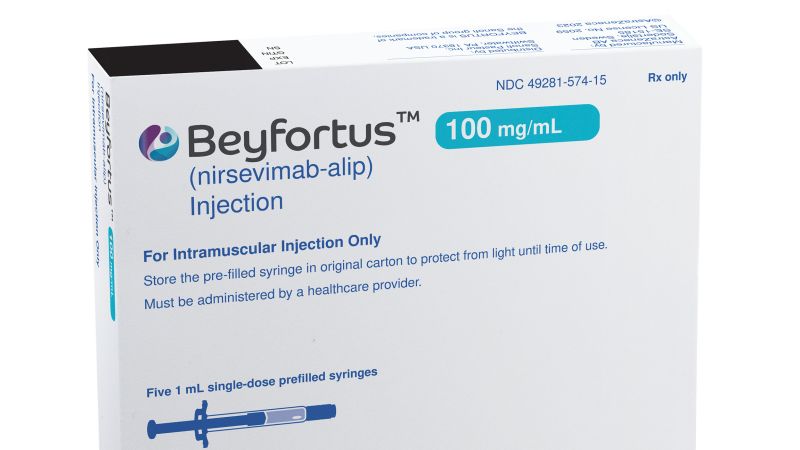
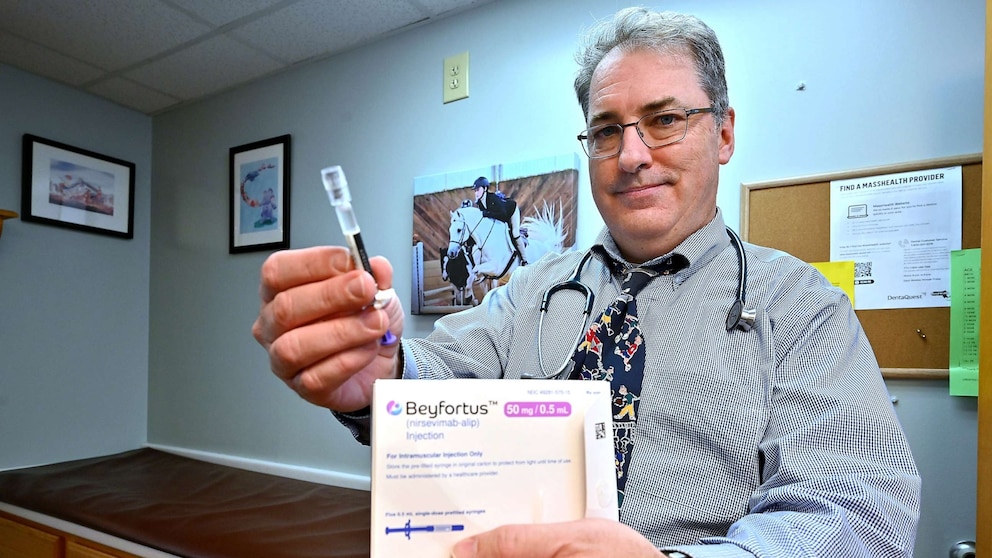
The US Centers for Disease Control and Prevention (CDC) has announced the expedited distribution of over 77,000 additional doses of nirsevimab, an RSV immunization for infants, to address the ongoing shortage. The monoclonal antibody, marketed as Beyfortus, helps protect infants from severe respiratory syncytial virus (RSV) infections, which are a leading cause of hospitalization in infants. The CDC and FDA will work closely with manufacturers to ensure the availability of more doses through the end of the year and early next year. The shortage has raised concerns among public health officials as RSV cases rise during the winter season. Challenges include limited access to the vaccine in birthing hospitals and the high cost of the immunization. Efforts are underway to address these issues and improve access in future seasons.

health2 years ago

RSV Shot Shortage Sparks Concerns and Frustration Among Pediatricians

Pediatricians are expressing frustration and concern over persistent shortages of nirsevimab, a monoclonal antibody shot that was hailed as a game-changer in preventing respiratory syncytial virus (RSV) in infants. The Centers for Disease Control and Prevention (CDC) predicts a bad RSV season this year, and the shortage of the drug has led to the CDC stepping in to help distribute doses. Doctors report turning away parents seeking the shot for their babies, and some hospitals are prioritizing shots for vulnerable infants, despite supply constraints. The manufacturer, Sanofi, cites unprecedented demand as the cause of the shortage. Transparency from the manufacturer has been an issue, hindering equitable allocation planning. Short-term solutions are being implemented, but gaps in access to the drug remain.

health2 years ago

RSV Cases Surge in San Antonio, Vaccine Shortages and Treatment Limited

Doctors in San Antonio are warning about the increasing cases of Respiratory Syncytial Virus (RSV), a seasonal illness that can cause serious harm, especially in older adults and children under one year old. The CDC issued a health advisory due to a limited supply of nirsevimab, a monoclonal antibody that helps fight against RSV. The shortage is partly due to production issues. Washing hands, avoiding sick individuals, and vaccines are recommended for protection, but the shortage of the antibody immunization is impacting hospitals. Parents are advised to stay alert to symptoms and seek early treatment.

health2 years ago

"Shortage and Cost Concerns: Newborn RSV Shot in High Demand"

The recent approval of the RSV monoclonal antibody Nirsevimab has raised hopes for protecting infants from RSV, a leading cause of hospitalization and death among babies. However, the limited supply and high cost of Nirsevimab, along with bureaucratic obstacles in Medicaid's vaccine distribution system, have hindered its availability. Demand for the antibody has already outstripped supply, prompting the CDC to issue interim guidance on prioritizing high-risk infants. Additionally, the rollout of the RSV vaccine from Pfizer has faced challenges due to concerns about potential preterm births. The lack of clarity on where and when newborns should receive the shot has left many parents confused. Health systems are hoping to keep infants out of the hospital this winter, as last year's RSV surge overwhelmed hospitals and prompted public health emergencies.

health2 years ago

"RSV Shot Recommendations Revised by CDC Amid Drug Shortages"

The Centers for Disease Control and Prevention (CDC) has issued a health alert due to limited supplies of nirsevimab, an antibody drug used to protect infants from respiratory syncytial virus (RSV). With RSV cases rising in the United States, the CDC advises prioritizing the administration of nirsevimab to infants at the highest risk of severe infection. The shortage has created challenges for pediatricians, who are urged to suspend nirsevimab administration to certain infants between 8 and 19 months. The high cost of the drug and surging demand contribute to the shortage. The CDC recommends expectant parents consider the RSV vaccine Abrysvo and encourages everyday preventive measures to limit the spread of RSV.

health2 years ago

"New CDC Recommendation: Beyfortus Protects Infants and Young Children from Respiratory Syncytial Virus"

The US Centers for Disease Control and Prevention (CDC) has recommended the routine use of nirsevimab (Beyfortus) for the prevention of respiratory syncytial virus (RSV) lower respiratory tract disease in infants and young children. Nirsevimab is the first FDA-approved drug to protect infants through their first RSV season for up to 5 months. It offers rapid protection without activating the immune system and is eligible for all infants and children up to 24 months of age who are at risk of contracting RSV. RSV is highly contagious and a leading cause of hospitalization in infants. While nirsevimab can prevent RSV, potential adverse effects include swelling, difficulty breathing, and rash.

healthcare2 years ago

RSV Prevention and Complications in Vulnerable Populations: A Comprehensive Study

The recent FDA approval of nirsevimab, a monoclonal antibody, may help prevent respiratory syncytial virus (RSV) in infants. Currently, there is no FDA-approved antiviral treatment for RSV, and the focus is on supportive care. RSV is the leading cause of infant hospitalizations, with 58,000-80,000 children under 5 years being hospitalized annually. Nirsevimab is the first prophylactic product indicated for the prevention of RSV lower respiratory tract disease in newborns and infants, potentially reducing hospitalizations and severe lung infections. Clinicians hope this monoclonal antibody will be a game changer in managing RSV in the most vulnerable population.

health2 years ago

CDC approves new RSV shot to protect infants from illness

The Centers for Disease Control and Prevention (CDC) has recommended that all infants under 8 months old receive an injection of nirsevimab, a newly approved monoclonal antibody, to prevent respiratory syncytial virus (RSV) during their first RSV season. A subset of children up to 19 months old at higher risk can receive the shot in their second RSV season. The FDA approved nirsevimab last month, and it has been shown to reduce the need for medical care from RSV by 70% to 75%. However, there are implementation challenges, including the high cost of the shot, restrictions on who can administer it, and the need for coding and tracking systems. The CDC plans to make nirsevimab accessible through their Vaccines for Children program.