Many older Americans are planning to unretire or return to work in 2026 due to financial insecurity, rising costs, and concerns about savings lasting through retirement, with experts calling for better support and flexible job opportunities for seniors.

The article highlights that 1.7 million older Americans die annually from top causes, and offers tips on how to improve survival through health awareness, preventive measures, and lifestyle changes.
Major health insurers are reducing their Medicare Advantage plans due to financial pressures, leading to fewer choices and potential disruptions for millions of older Americans, especially in rural areas, as insurers reassess their market presence amid rising costs and regulatory changes.
The Trump administration is planning a policy change that would make it more difficult for older Americans to qualify for Social Security disability benefits, potentially leading to hundreds of thousands losing their benefits.
A CDC report reveals that 76% of U.S. adults have at least one chronic health condition, with older adults being most affected, experiencing high rates of issues like high blood pressure, obesity, and diabetes, emphasizing the importance of early intervention and lifestyle changes.
STD rates among Americans aged 55 and older have surged, with cases of syphilis and Chlamydia significantly increasing over the past decade, according to the CDC. Experts attribute this trend to a lack of formal sex education for this generation. The 2022 data revealed 5,160 reported syphilis cases and 19,766 Chlamydia cases in this age group, marking a substantial rise from previous years.
The CDC reports a significant increase in sexually transmitted diseases (STDs) among Americans aged 55 and older, with chlamydia, Hepatitis C, and syphilis being the most common. Cases of these STDs have risen sharply since 2000, with 2022 seeing a notable surge. Experts attribute this trend to a lack of formal sex education for this age group in the past, and suggest that public health funding cuts and clinic closures may also be contributing factors.
Alcohol use among people 65 and older has been on the rise, with the pandemic playing a role in increased consumption. Many older adults, like 77-year-old Dean Nordman, have been accustomed to a culture of social drinking, but their habits may exceed current dietary guidelines. Factors such as living alone, developing dementia symptoms, and being widowed can contribute to excessive alcohol consumption among older Americans, leading to health risks and hospitalizations.
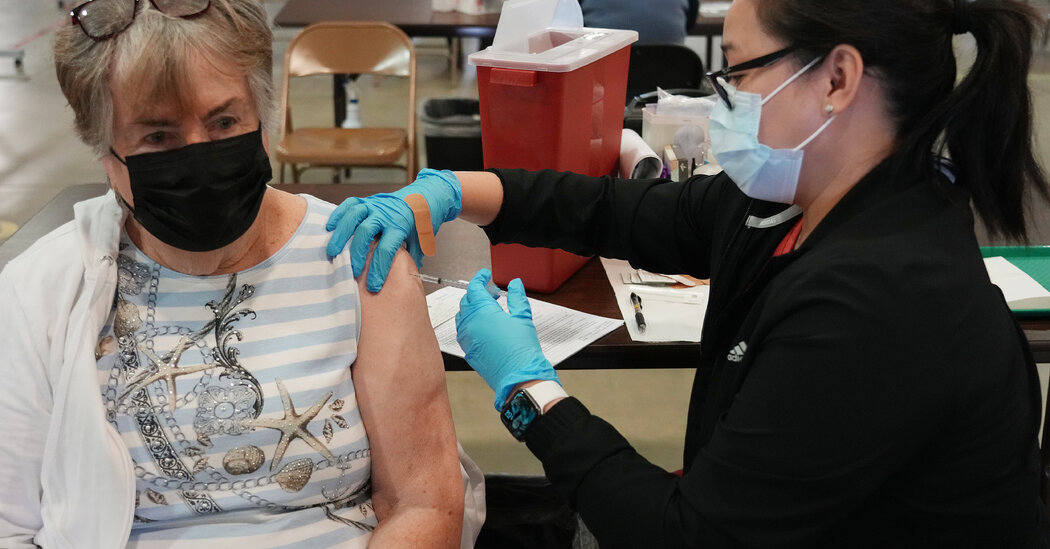
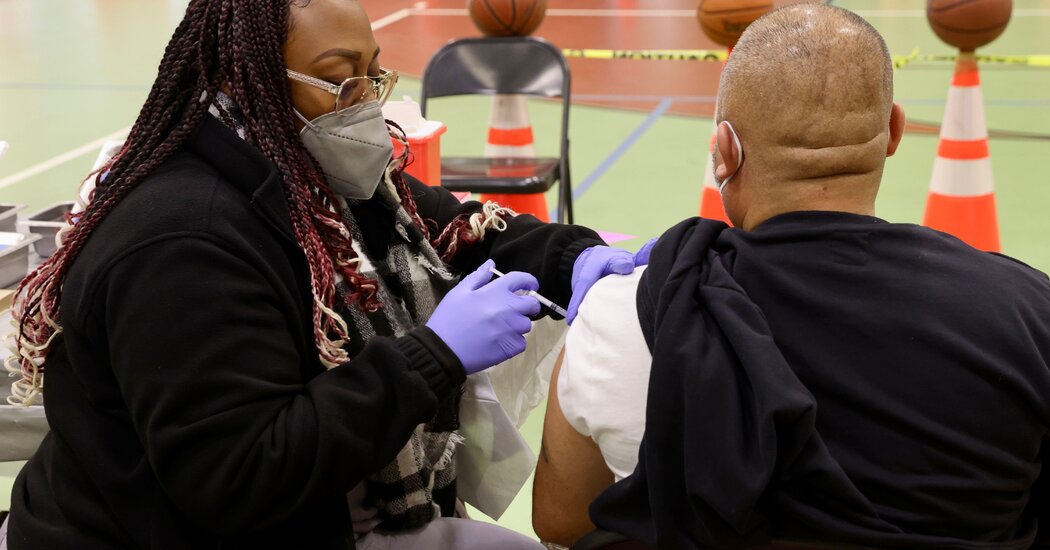
The CDC's scientific advisers recommended that Americans aged 65 and older should receive a second dose of the latest Covid vaccine this spring, citing data showing the vaccines' effectiveness against symptomatic infection or hospitalization. The recommendation now awaits approval from the CDC director and is likely to be accepted. The spring shot would be a second dose of the Pfizer-BioNTech, Moderna, or Novavax vaccines introduced in the fall, and it is deemed most beneficial for older adults and those with weakened immune systems.
Older Americans are expressing concerns about feeling trapped in Medicare Advantage plans, which are government health insurance programs administered by private companies. These individuals are reporting dissatisfaction, particularly after receiving serious medical diagnoses, suggesting that the plans may not be meeting their healthcare needs as expected. The issue was highlighted in a story on "All Things Considered" on January 3, 2023.
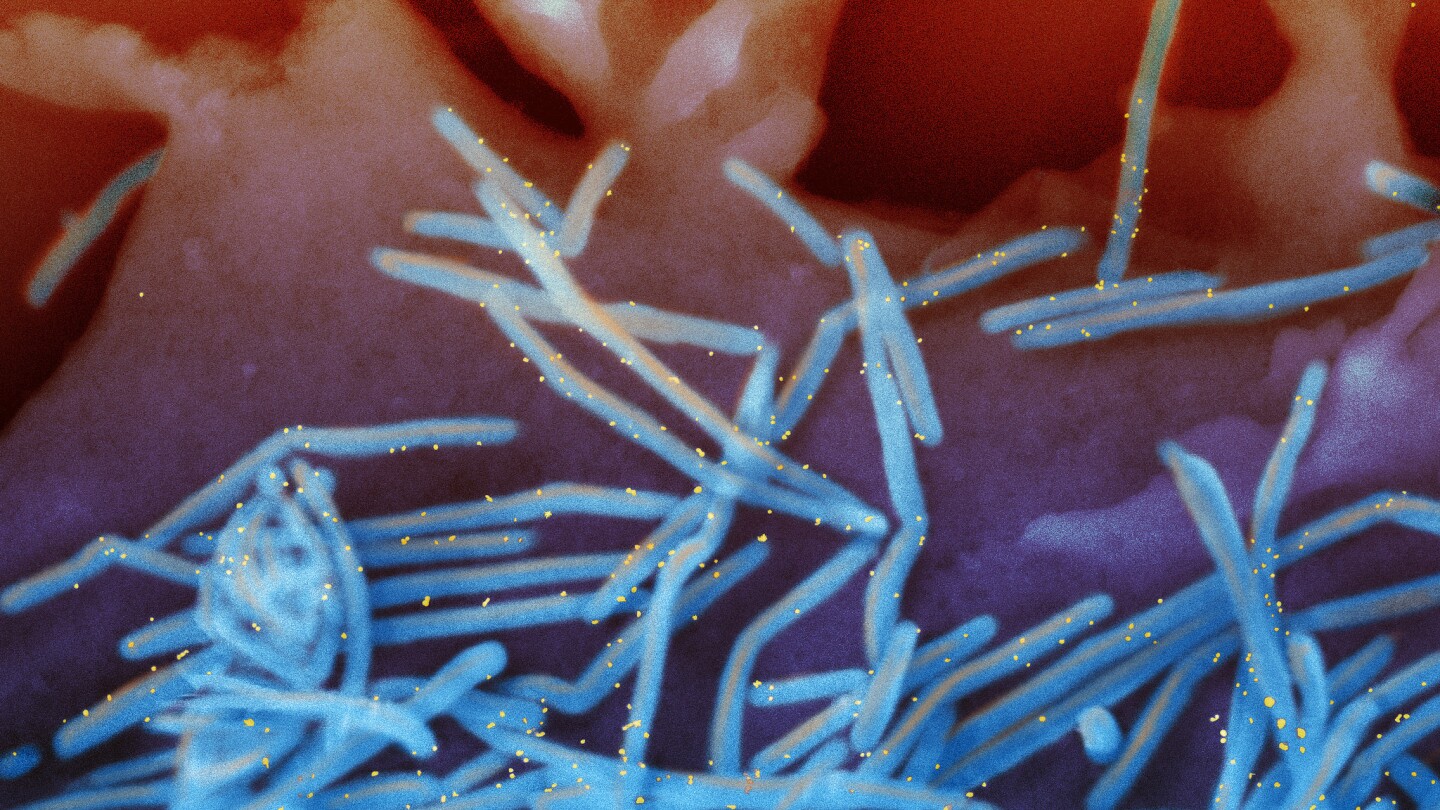
Only about 15 percent of Americans over 60 have received one of the two new R.S.V. (respiratory syncytial virus) shots, which are the first-ever vaccines against the disease. This is in contrast to the more than 62 percent of adults over 65 who have received the recommended flu shot this fall and a third who have received the updated Covid-19 vaccine. The low vaccination rates for R.S.V. can be attributed to factors such as limited awareness, shared decision-making recommendations, and the challenge of promoting multiple seasonal vaccines. While the vaccines are highly effective, clear information and guidance are needed to improve uptake among older Americans.
The Centers for Disease Control and Prevention (CDC) has recommended that Americans aged 60 and older can receive a new RSV vaccine, but they should consult with their doctor first. The vaccine is expected to be available in the fall, alongside flu shots and updated COVID-19 vaccines. The CDC advises adults with chronic heart or lung disease, weakened immune systems, and those in long-term care facilities to consider getting vaccinated due to their higher risk for respiratory infections. The recommendation comes after a surge in RSV cases last year, particularly affecting infants and the elderly.
Millions of older Americans who rely on Social Security to pay for basic needs such as food, housing, and healthcare costs are at risk of not receiving their payments if the United States defaults on its financial obligations due to the political stalemate over the government's debt ceiling. The Social Security Administration plans to send contributions to beneficiaries on four dates next month, which would be the first ones at risk of being delayed. Experts warn that the consequences of the impasse in Washington could be dire, threatening essential services, retirement savings, and the overall economy.
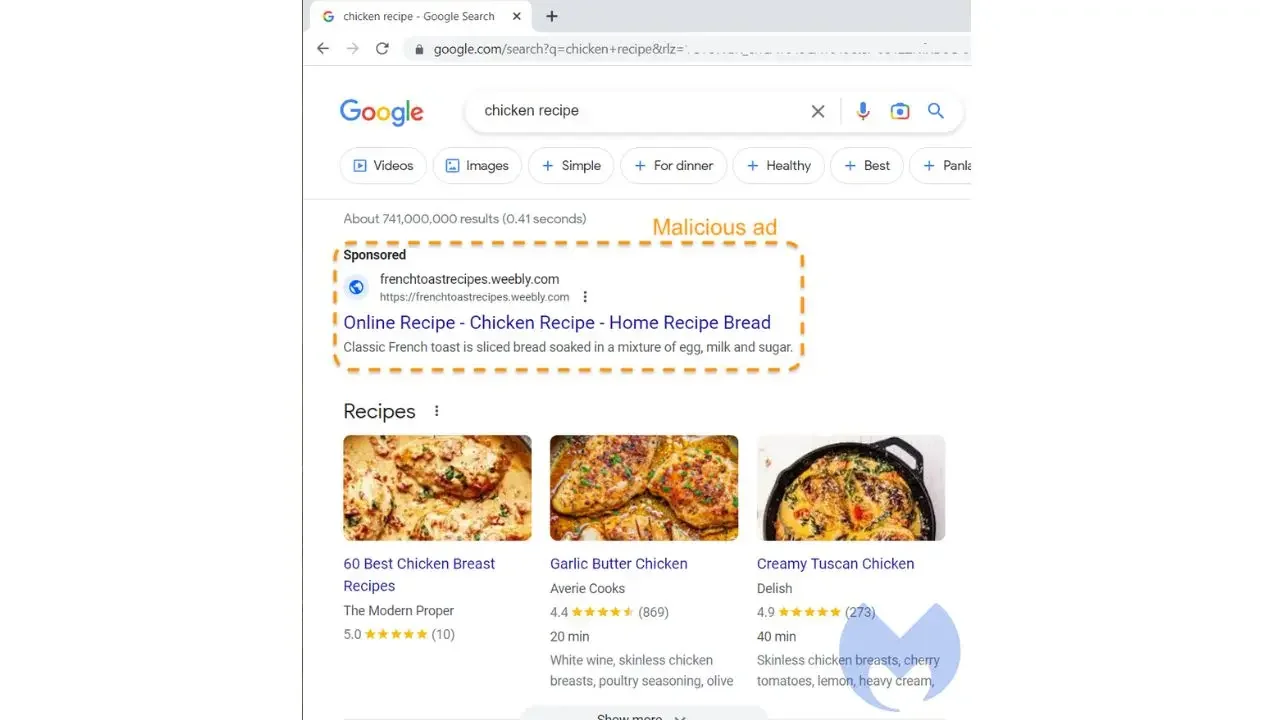
Scammers are targeting older Americans through malvertising campaigns executed through fake Google ads. Malvertising is a form of fake online advertising that uses ads that look real to spread malware to people's devices. The scammers create hundreds of fake websites via the web hosting platform Weebly to host fake content that looks real so that the ads they place on Google can be validated and approved. The main way they do this is by making their websites look as legitimate as possible. To protect yourself, have good antivirus software on all your devices.