Tag

Direct Air Capture

All articles tagged with #direct air capture

technology1 year ago

Climeworks Unveils Cost-Cutting Next-Gen Carbon Capture Tech

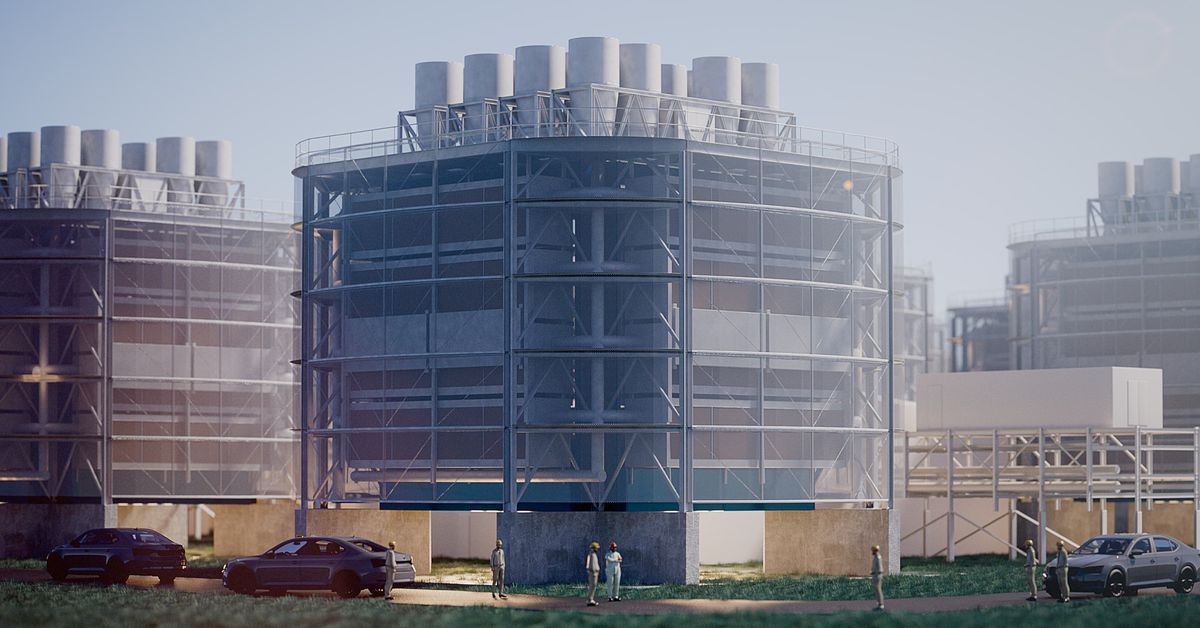
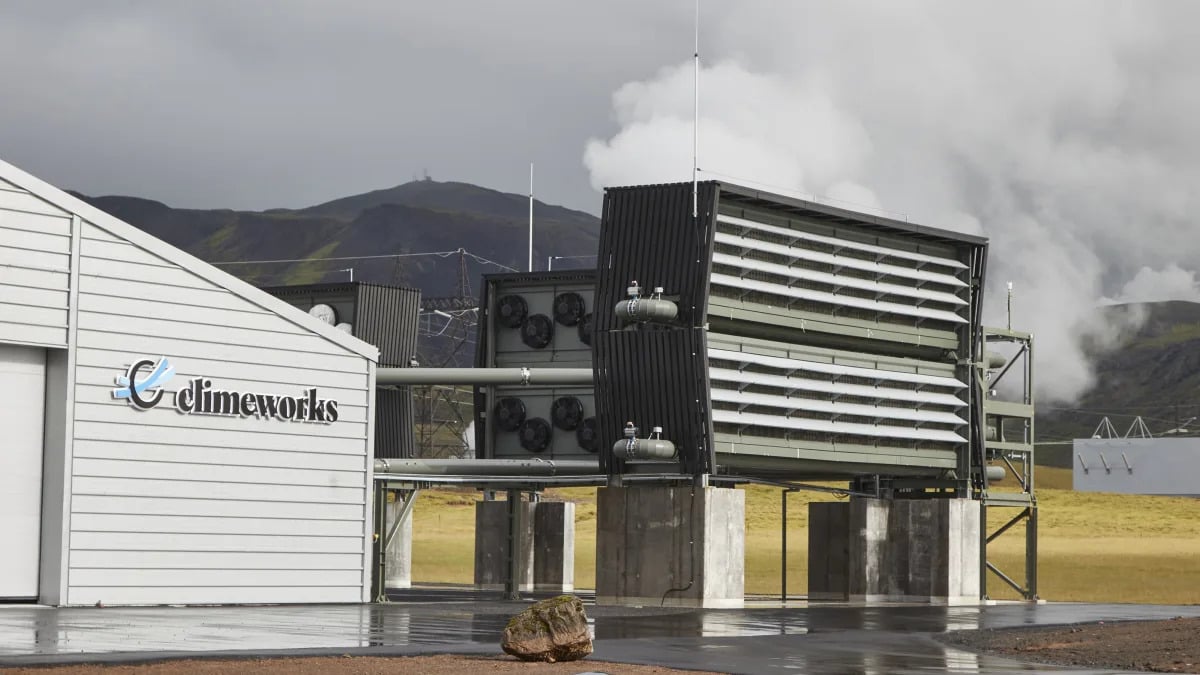
Climeworks has unveiled its Generation 3 direct air capture technology, which significantly enhances CO₂ capture efficiency and reduces costs. This new technology, featuring novel structured sorbent materials in modular cubes, will first be deployed in the U.S. and then globally. The advancements include doubling CO₂ capture capacity, halving energy consumption, and extending material lifespan, aiming for substantial cost reductions by 2030. The first large-scale implementation will occur in 2024 in Switzerland, with further projects planned in the U.S., Norway, Kenya, and Canada.

environment1 year ago

Climeworks Unveils Cheaper, Faster Carbon Capture Tech

Climeworks has unveiled its Generation 3 direct air capture (DAC) plant, which promises to halve both energy use and costs compared to older models. This advancement could make DAC a more viable solution for reducing atmospheric CO2, though current costs and energy demands remain high. The Biden administration and major companies are investing in this technology, with Climeworks planning to deploy its new plant in Louisiana and expand globally.

science-and-technology1 year ago

"Breakthrough in Vanadium Research for Carbon Capture from Air"

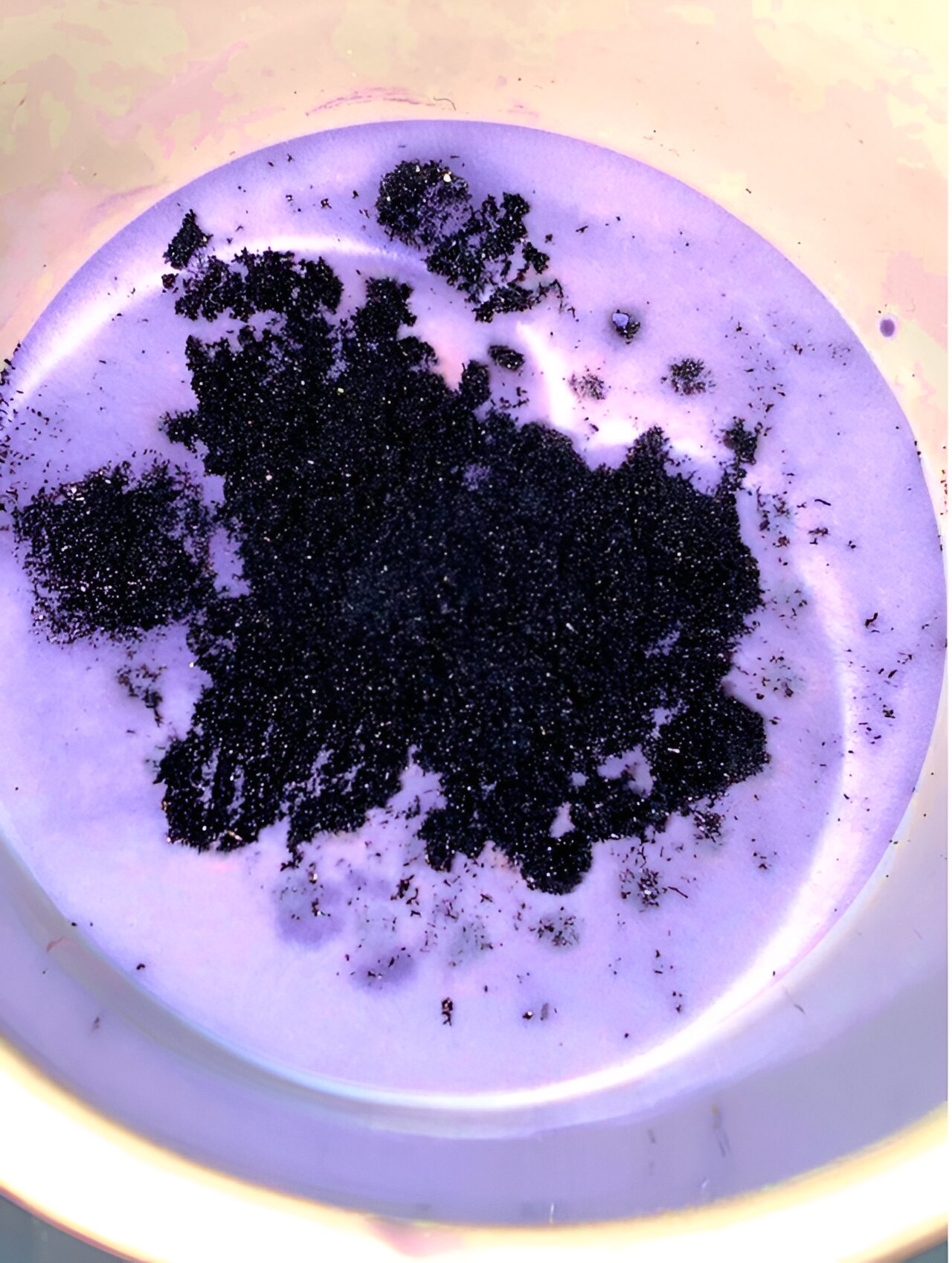
Oregon State University scientists have made a significant advancement in carbon capture technology by demonstrating the ability of vanadium peroxide molecules to react with and bind carbon dioxide from the atmosphere. This research is part of a federal effort to develop new methods for direct air capture of carbon dioxide, which is crucial for mitigating climate change. Vanadium's unique reactivity and ability to release captured carbon dioxide at a relatively low temperature make it a promising candidate for carbon scrubbing tools.

environment-technology2 years ago

"JetBlue-Backed Startup's Blueprint for Removing Billions of Tons of CO2 from the Air"

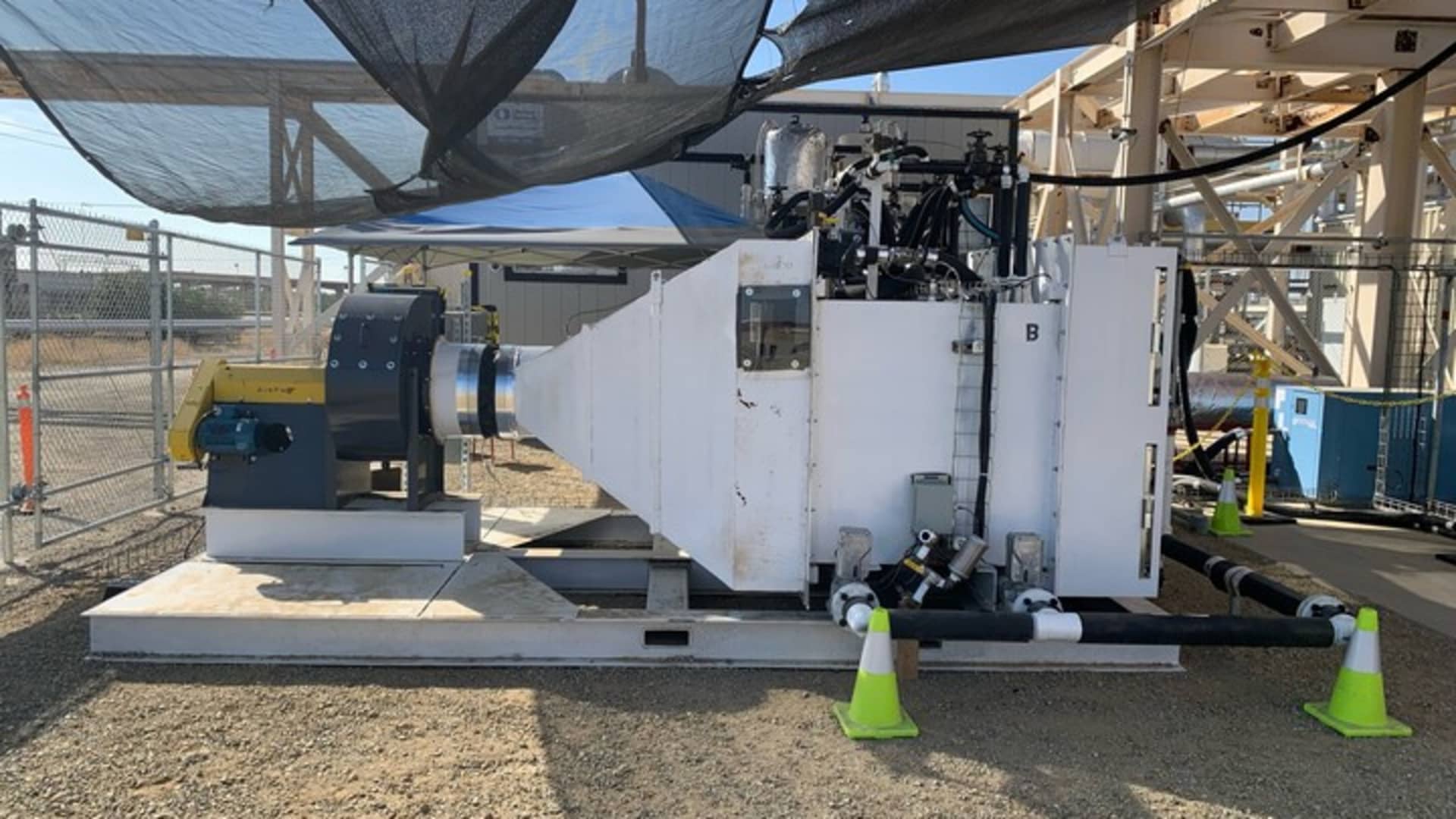
Avnos, a California-based startup, is pioneering a more efficient and sustainable approach to direct air capture, removing carbon dioxide from the atmosphere while producing water as a byproduct. Backed by JetBlue Ventures and other investors, the company's innovative "hybrid direct air capture" technology has the potential to not only mitigate climate change but also generate revenue by selling the water it produces. This approach aligns with the broader push for decarbonization and sustainable aviation fuel, making it an attractive investment for companies seeking to reduce their carbon footprint.

climate-change2 years ago

The Controversy Surrounding Carbon Capture and Climate Change

Direct air capture of carbon, a technology that aims to remove carbon dioxide from the atmosphere, is receiving heavy criticism at the United Nations climate summit. While it may be a part of the long-term solution to climate change, relying on it as an alternative to reducing greenhouse gas emissions is problematic. The fossil fuel industry's promotion of carbon capture while continuing to burn fossil fuels is seen as dangerous and misleading. While research and development of direct air capture should continue, the primary focus should be on drastically cutting emissions.

science-and-technology2 years ago

Unlocking the Potential of Aqueous Amino Acids for CO₂ Direct Air Capture

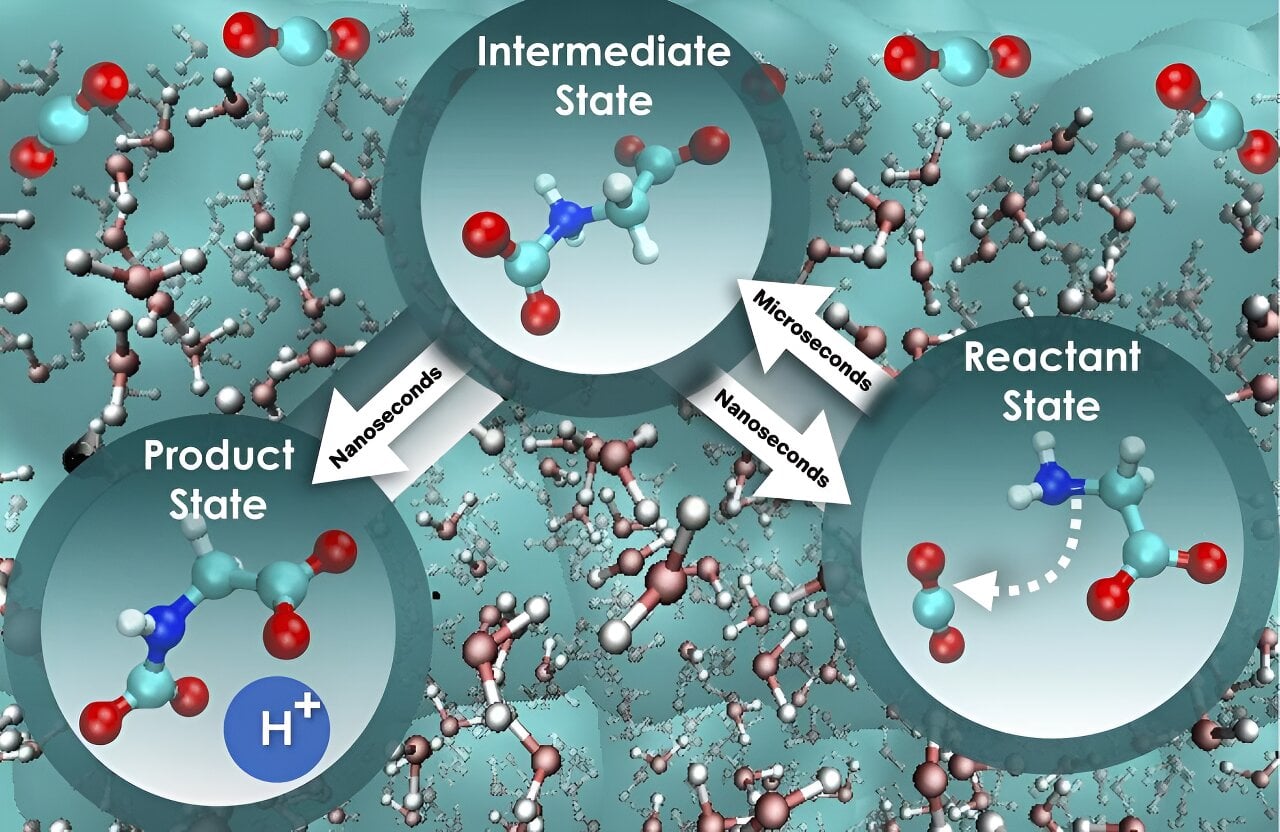
Researchers at Oak Ridge National Laboratory have made progress in understanding the process of direct air capture (DAC) of carbon dioxide using aqueous glycine, an absorbent amino acid. By employing advanced computational methods, the scientists investigated the dynamic interactions in liquid solutions that affect the rate of carbon dioxide capture. They found that focusing solely on the free energy barrier oversimplifies the process and can lead to an inaccurate understanding of reaction kinetics. The study sheds light on the intricate workings of DAC and highlights the importance of kinetics, thermodynamics, and molecular interactions in removing carbon dioxide from the atmosphere using aqueous amino acids.

climate-change2 years ago

"Carbon Removal: Bridging the Divide in the Climate Fight"

Two direct air capture (DAC) projects in Texas and Louisiana highlight the divide over the role of carbon removal technologies in the fight against climate change. Occidental Petroleum's project in Texas aims to inject captured carbon into oil fields to increase crude production, while Climeworks and Heirloom's project in Louisiana plans to store the carbon underground and advocates for a transition to renewable energy. The clash reflects a global debate over whether carbon removal should be used to reduce emissions from fossil fuels or to eliminate fossil fuels altogether. The International Energy Agency (IEA) has criticized the over-reliance on carbon capture, while proponents argue that DAC is necessary to meet climate goals. The financial viability of these projects remains uncertain, as DAC technology is expensive and unproven at scale.

environment2 years ago

The Rise of Carbon Capture: Revolutionizing Climate Solutions

Companies are beginning to explore carbon removal as a way to combat climate change by extracting carbon dioxide from the air and storing it underground. However, challenges remain in scaling up the technology to make it affordable and effective enough to significantly reduce global temperatures. Carbon removal, also known as direct air capture, offers a precise and measurable reduction in carbon emissions, unlike carbon offsets. Companies like Climeworks and Heirloom are offering carbon removal services, with subscriptions available for individuals and customized plans for companies. While the cost of carbon removal is currently high, experts believe that economies of scale and technological advancements will help reduce costs in the future. The Biden administration has allocated funds for developing direct air capture hubs, and countries like Canada are considering substantial subsidies for carbon removal.

environment2 years ago

"Groundbreaking Carbon Capture Plant Launches in San Joaquin Valley"

The first commercial carbon capture plant in the US has opened in California, using direct air capture technology to remove carbon dioxide from the atmosphere. The facility can currently capture 1,000 tons of CO2 per year, with plans to expand to millions of tons. The process involves using limestone to absorb carbon dioxide, which is then turned into limestone again and stored in concrete or injected into the ground. The plant is powered by renewable energy and aims to help combat climate change, although experts emphasize the need to reduce fossil fuel dependence alongside carbon capture efforts.

environment2 years ago

Advancements and Challenges in Carbon Capture Technology

Heirloom Carbon Technologies has opened the first commercial direct air capture plant in the United States, located in Tracy, California. The plant uses a process that involves vacuuming greenhouse gases from the atmosphere and permanently sealing the captured carbon dioxide in concrete. Heirloom plans to sell carbon removal credits to companies, with Microsoft already signing a deal to remove 315,000 tons of carbon dioxide. While the technique is expensive, proponents believe that rapid growth and economies of scale can help bring down costs and make it a crucial tool in the fight against climate change. Critics, however, argue that artificial methods of carbon removal could distract from efforts to reduce emissions and caution against the involvement of oil companies in the technology.

energy2 years ago

"Oil Giant Abandons World's Largest Carbon Capture Plant in Silence"

Occidental Petroleum Corp. has quietly sold off its Century carbon capture and storage (CCS) plant, which was once touted as the world's largest CCS facility. The plant, which struggled to reach its full capacity due to economic challenges, was divested for a fraction of its construction cost. This raises concerns about the viability of CCS technology as a climate solution. Occidental is now focusing on building a new CCS plant called Stratos, which uses direct air capture (DAC) technology. However, DAC projects face their own challenges, including high costs and technological complexity. Critics argue that relying on CCS technology, especially when tied to fossil fuel production, may not be the most effective approach to combating climate change.

science-and-technology2 years ago

Breakthrough Study Reveals Selective Carbon Capture Method Straight from the Air

Scientists at Northwestern University have developed a new carbon capture method called the "moisture-swing" technique, which captures CO2 from the air at low humidities and releases it at high humidities. This innovative approach utilizes a range of ions and offers a more energy-efficient solution compared to traditional carbon capture techniques. The research expands our understanding of direct air carbon capture (DAC) and provides insights into complex fluid-surface interactions. The study demonstrates the potential for carbon removal from virtually anywhere, contributing to the fight against climate change and the need to extract existing atmospheric carbon dioxide.