Tag

Lunar Infrastructure

All articles tagged with #lunar infrastructure

space-exploration1 year ago

"China's Queqiao-2: Advancing Lunar Infrastructure with Relay Satellite Launch"

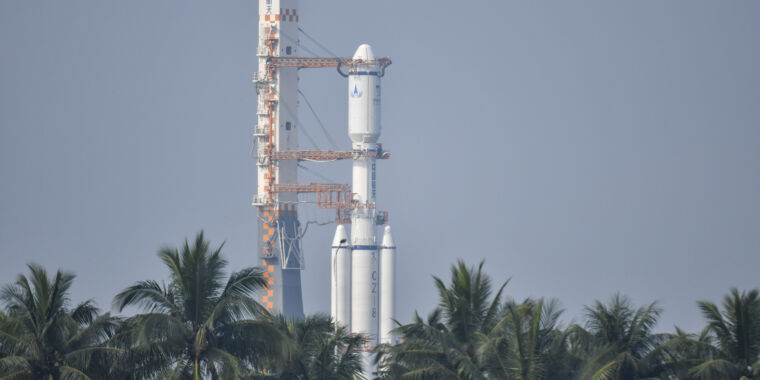
China has launched a new data relay satellite, Queqiao-2, to facilitate communication between lunar landers and rovers on the far side of the Moon and ground controllers on Earth. The satellite, launched via a Long March 8 rocket, will enter an elliptical orbit to prepare for the arrival of China's next robotic lunar lander, Chang'e 6. This marks a significant step in China's lunar program, aiming to gather the first rocks from the far side of the Moon and bring them back to Earth for examination.

space-exploration1 year ago

"NASA's Autonomous Lunar Beacon Guides Astronauts to Precise Landing"

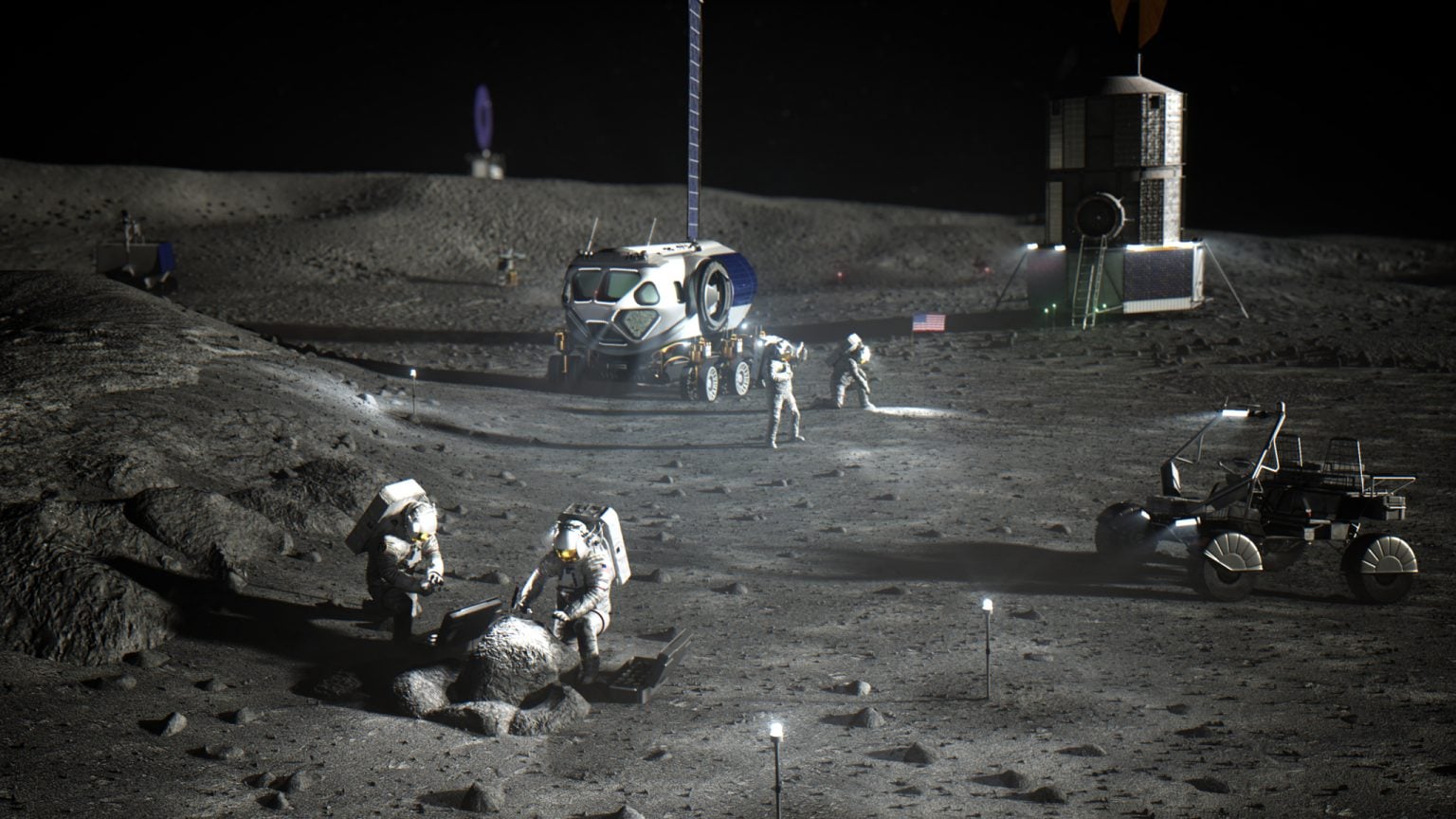
NASA successfully tested an autonomous navigation system called Lunar Node 1 (LN-1) on the Moon, which aims to provide a real-time communications network for future lunar explorers. The system, tested during the Intuitive Machines’ IM-1 mission, could digitally verify the position of orbiters, landers, and astronauts on the lunar surface, improving safety and navigation. LN-1 also provided critical backup to the mission's onboard navigation system and has potential applications for Mars missions. This successful test paves the way for future Artemis missions and demonstrates the promise of American leadership in space.

space2 years ago

Illuminating the Lunar Path: Massive 'Lighthouses' Guide Future Moonwalkers

Honeybee Robotics has proposed the concept of LUNARSABER, a massive tower-like structure on the moon that would integrate power storage and transfer, communications, position navigation and timing, and surveillance capabilities into a single infrastructure. Standing nearly 330 feet tall, LUNARSABER could be scaled to over 650 feet to cover a larger area. The structure would be topped with solar panels and serve as a "lighthouse" to illuminate the lunar surface, providing constant illumination and communication with Earth for lunar rovers and other equipment. Honeybee Robotics also mentioned their development of RedWater, a mining system intended to extract water from Mars' subsurface ice deposits.

space2 years ago

DARPA's Groundbreaking Initiatives: Lunar Infrastructure and Suicide Detection

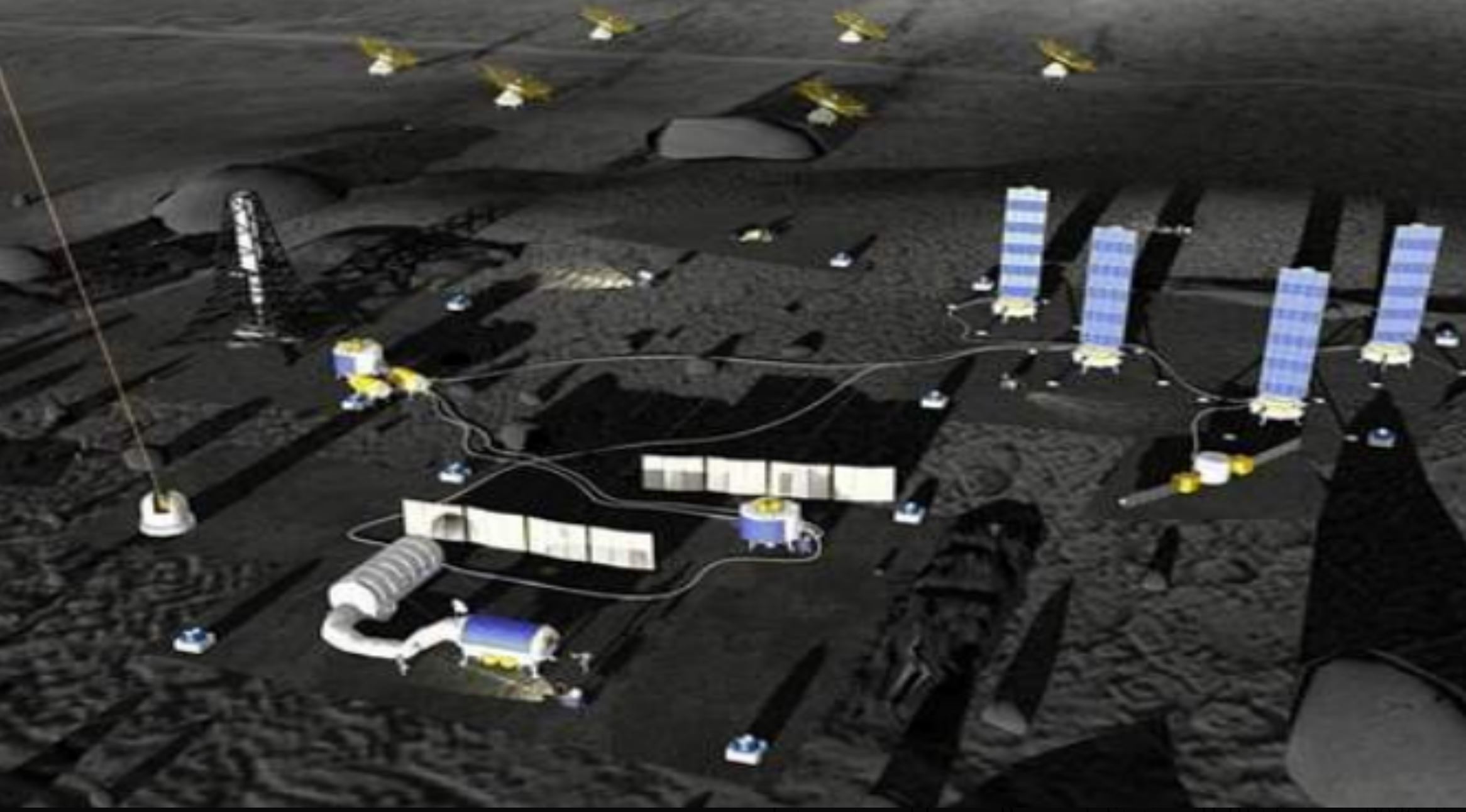
The Defense Advanced Research Projects Agency (DARPA) has launched the LunA-10 project, a 10-year study to develop an analytical framework for integrated lunar infrastructure. DARPA is seeking ideas from potential developers and users of lunar power, communications, navigation, and other infrastructure. The agency plans to select a group to work together on new integrated system-level solutions that will be commercially available by 2035. The study will define a commercial end state for lunar infrastructure in 10 years and will focus on both technology and economics. DARPA is coordinating with NASA on this effort, which is complementary to NASA's architecture studies. The study aims to identify technology that could have national security applications and is grounded in the peaceful use of outer space. Abstracts are due by September 6, and the final report is expected in June 2024.

space2 years ago

China urged to establish lunar infrastructure and base by space official.

Yang Mengfei of the China Aerospace Science and Technology Corporation (CASC) has called for China to seize the opportunity to build lunar infrastructure using capabilities the country already possesses. He suggests China carry out Earth-Moon space infrastructure planning as soon as possible, including communication, navigation, monitoring, and other services, cultivating new pillar industries and building a China-led international cooperation platform. China faces a critical moment and an opportunity that will "never come again" to lead the Earth-moon space industrial market.

space2 years ago

Lockheed Martin's Crescent Space Services to Build Lunar Communications Network.

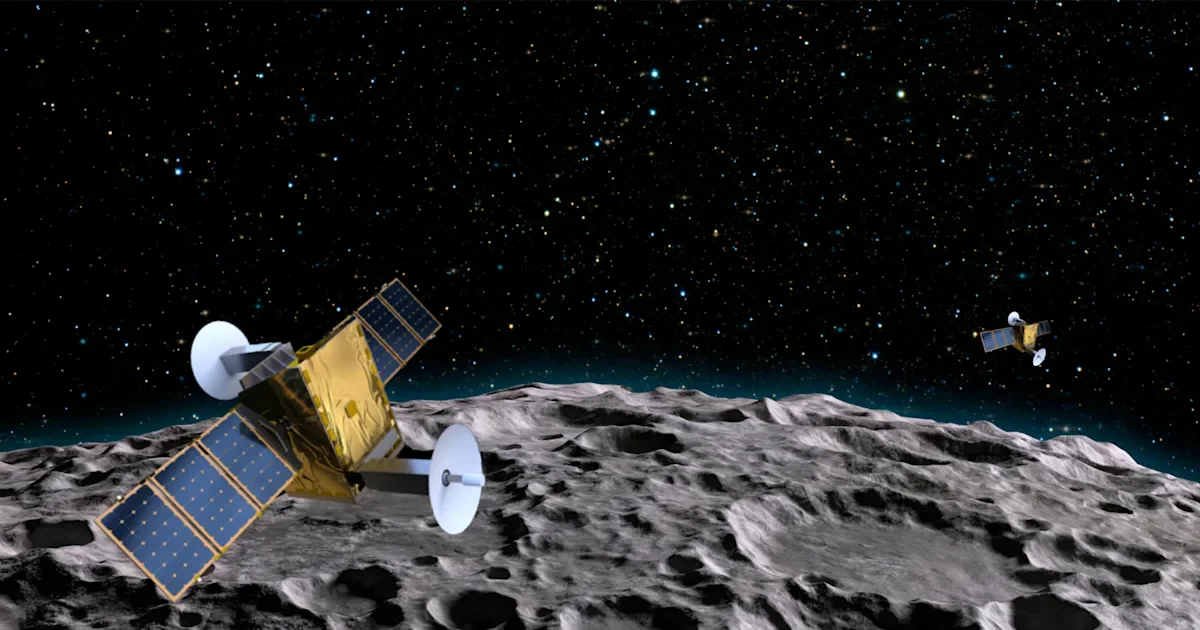
Lockheed Martin's spinoff, Crescent Space, is building a Moon-to-Earth satellite network called Parsec, which will provide a non-stop connection between astronauts, their equipment, and people back home. The system will also provide navigation help, creating a lunar equivalent to GPS. Crescent's first Parsec nodes should be operational by 2025, and the company hopes to support NASA's Artemis Moon landings and other exploratory missions.

technology2 years ago

Lunar Economy Gains Momentum with Lockheed Martin and Crescent Space.

Lockheed Martin is launching a lunar-infrastructure division called Crescent Space Services, which will develop a satellite network for the moon to provide communications services for moon missions. The network will allow people and hardware on the lunar surface or in orbit around the moon to communicate back to Earth and provide navigation information, similar to GPS.