Tag

Red Giant

All articles tagged with #red giant

science5 months ago

The Future of the Solar System

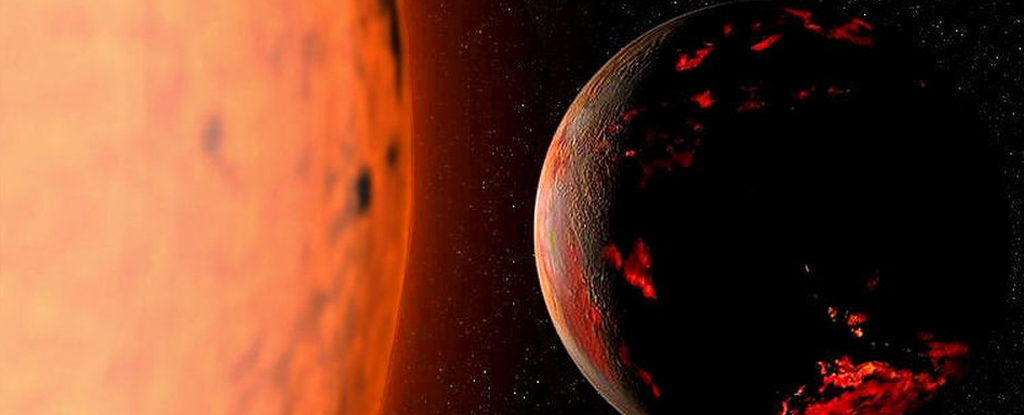
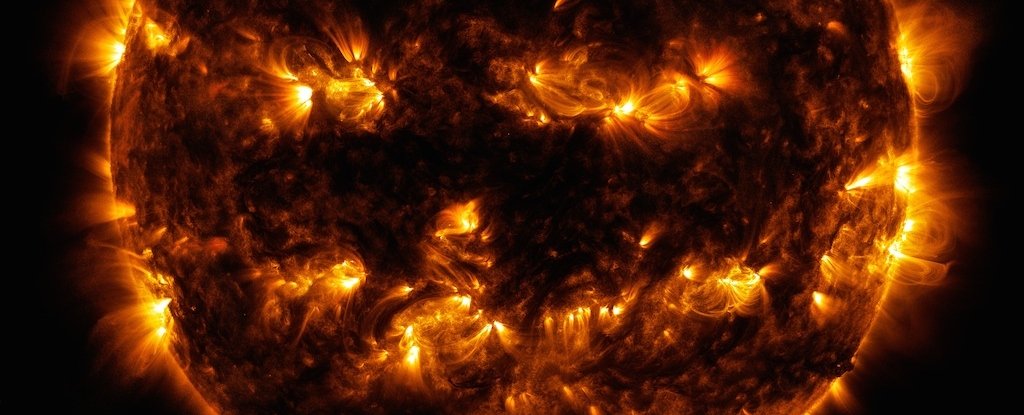
The sun will last another 5 billion years before expanding into a red giant, potentially engulfing inner planets like Mercury and Venus, and eventually shrinking into a white dwarf, leading to the eventual end of the solar system as we know it, although some celestial objects may continue orbiting the remnants of the sun.

science1 year ago

Discovery of Earth-like Planet Orbiting a Dying Star

Scientists have discovered an Earth-like planet orbiting a white dwarf star 4,000 light years away, suggesting that Earth might survive the Sun's red giant phase by migrating to a more distant orbit. This finding, based on observations of the KMT-2020-BLG-0414 system, supports the theory that as the Sun expands, its decreasing mass could push planets outward, potentially saving Earth from destruction. However, Earth's habitability is limited, as its oceans are expected to vaporize due to a runaway greenhouse effect long before the Sun becomes a red giant.

sciencespace1 year ago

"Phoenix: The Resilient Exoplanet Defying Stellar Destruction"

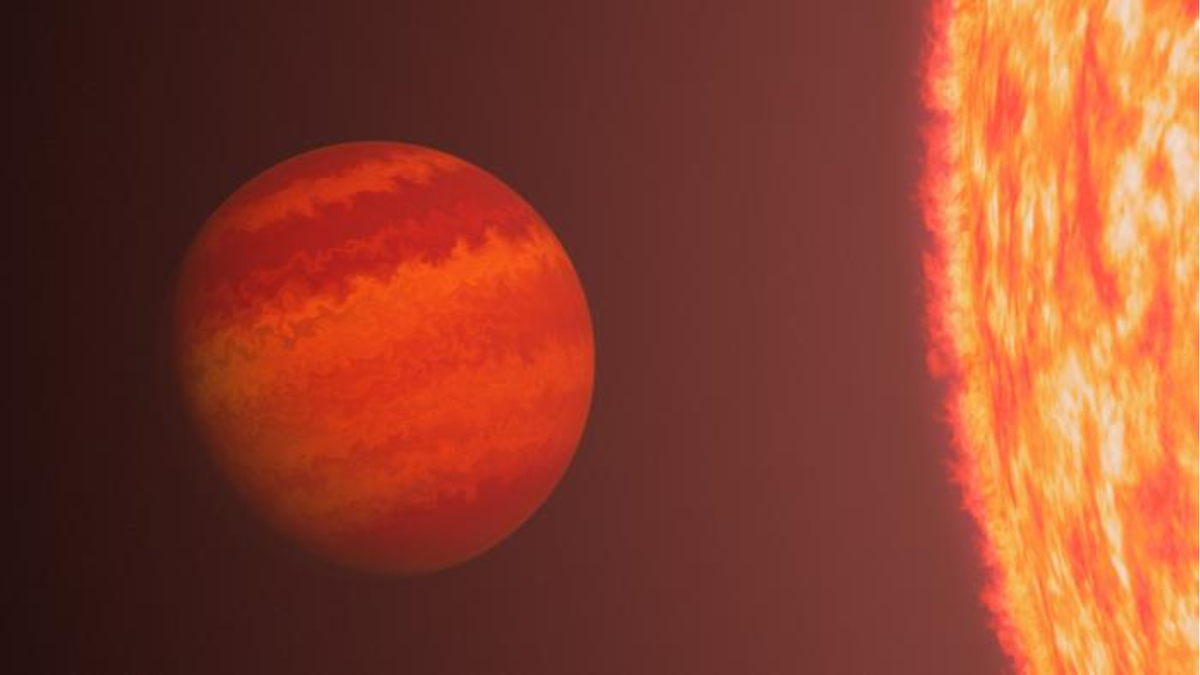
NASA's Transiting Exoplanet Survey Satellite (TESS) has discovered an unusual exoplanet named Phoenix, which has managed to retain its atmosphere despite being bombarded by radiation from its red giant parent star. This hot Neptune, located 1,800 light-years away, is smaller, older, and hotter than expected, challenging current understanding of planetary evolution. The findings could provide insights into the future of Earth's atmosphere as our sun undergoes a similar transformation.

space-and-astronomy1 year ago

"Upcoming Stellar Event Mirrors Medieval Manuscript Record"

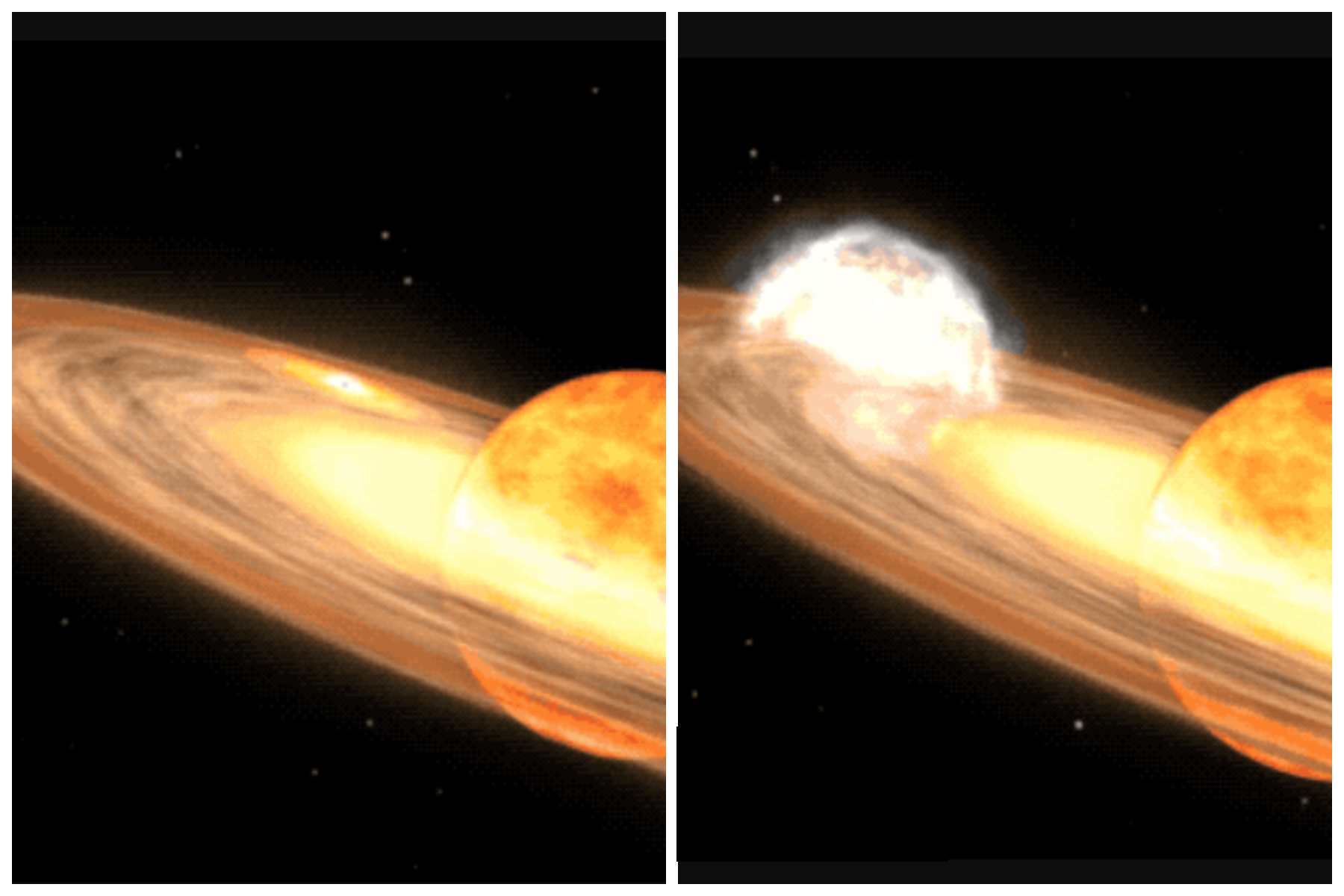
A nova explosion of the binary star system T Coronae Borealis, first potentially recorded in 1217, is expected to occur soon. This rare event, caused by a thermonuclear reaction on a white dwarf star, happens approximately every 80 years. Historical observations in 1866 and 1946, along with a recent pre-eruption dip, suggest the next eruption could happen between now and September 2024.

astronomy1 year ago

"Apocalyptic Fate: The Terrifying End of Our Solar System Revealed"

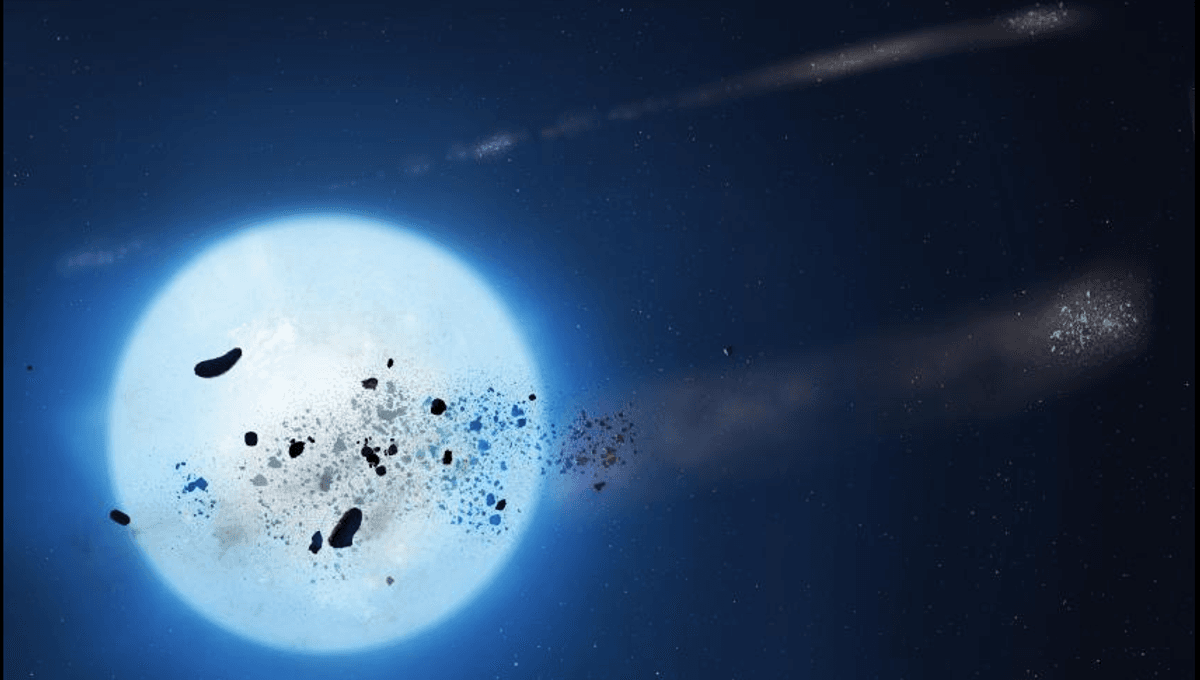
A study of white dwarf stars suggests that even if the Earth survives the Sun's red giant phase, it may one day be torn apart by the solar corpse due to the intense gravitational field around white dwarfs. Observations of three white dwarfs show changes in brightness attributed to objects being devoured, releasing bursts of dust. The study indicates that a few percent of white dwarfs are disintegrating debris at any time, suggesting it is a common process. If the Earth survives, it will face the risk of being torn apart during the white dwarf stage, making its chances of evading the fate uncertain.

astronomy1 year ago

"Rare Nova Outburst Creates 'New' Star in Once-in-a-Lifetime Sky Event"

The distant stellar system T Coronae Borealis (T CrB) is expected to explode for the first time since 1946, briefly shining brighter than the North Star Polaris, due to a recurring nova event caused by a white dwarf stripping the atmosphere of a red giant in a binary system. This rare event, expected between February and September 2024, will create a new star visible in the night sky, providing a unique opportunity for stargazers and offering insights into astrophysics and cosmology.

astronomy1 year ago

"The Gruesome Fate of Planets When the Sun Dies: A Terrifying Revelation"

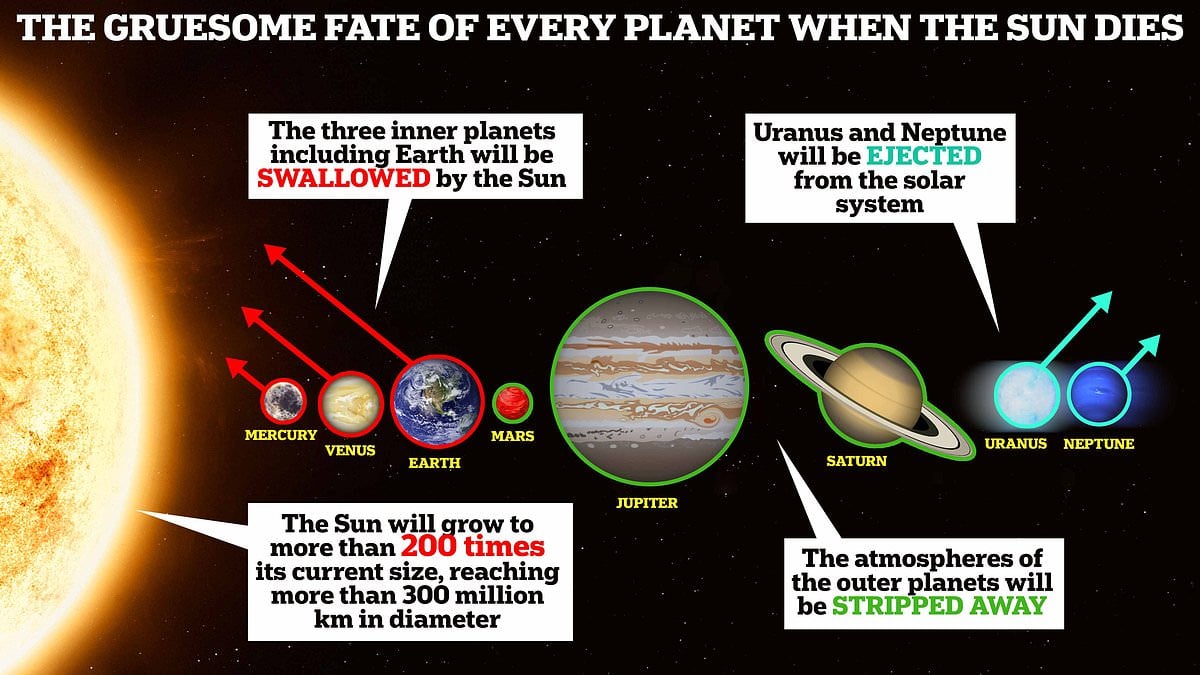
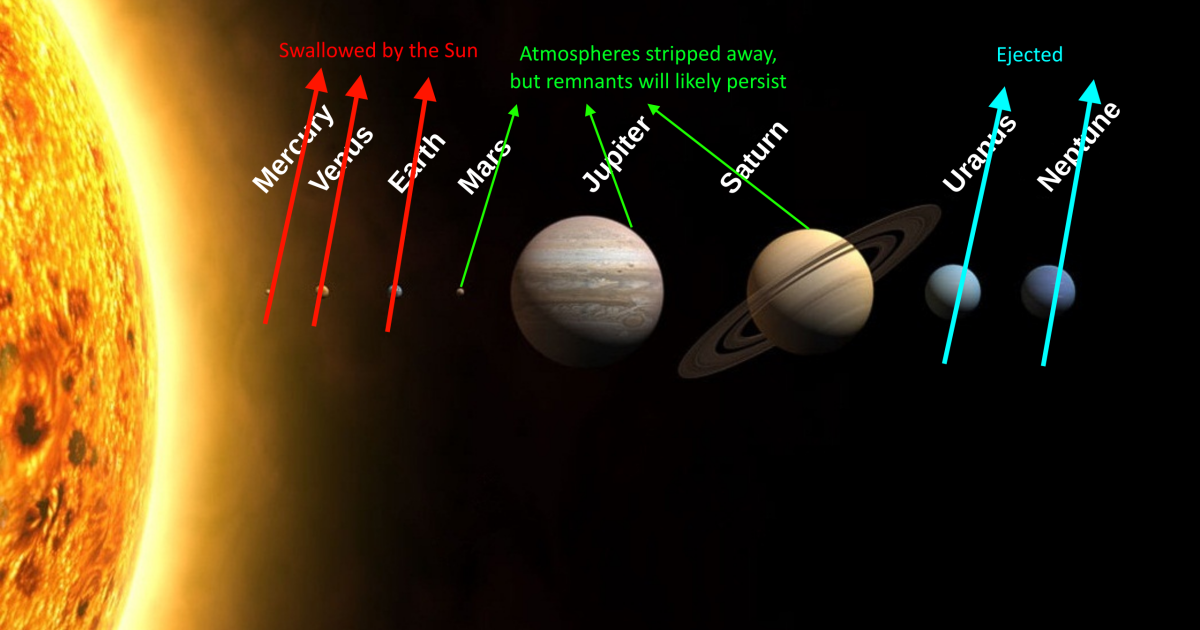
In about 5 billion years, the Sun will transform into a red giant, expanding and ultimately leading to the destruction of the solar system. The inner planets, including Mercury and Venus, will be swallowed by the Sun's expansion, while Earth's fate is uncertain. The outer planets will also be affected, with the possibility of Saturn's moon Titan becoming temperate. Eventually, the Sun will expel its outer layers, leaving behind a planetary nebula and removing the outermost planets from its orbit.

astronomy1 year ago

"Rare Nova Explosion Unveils 'New' Star in Northern Crown"

The star system T Coronae Borealis, located 3,000 light-years away, is set to undergo a nova outburst between February and September 2024, making it visible to the naked eye as bright as the North Star. This rare event, occurring approximately every 80 years, is the result of a thermonuclear reaction within a binary star system involving a white dwarf and a red giant, offering a unique opportunity for skywatchers to witness a once-in-a-lifetime celestial event in the constellation Corona Borealis.

astronomy1 year ago

"The Sun's Grim Legacy: The Fate of Every Planet"

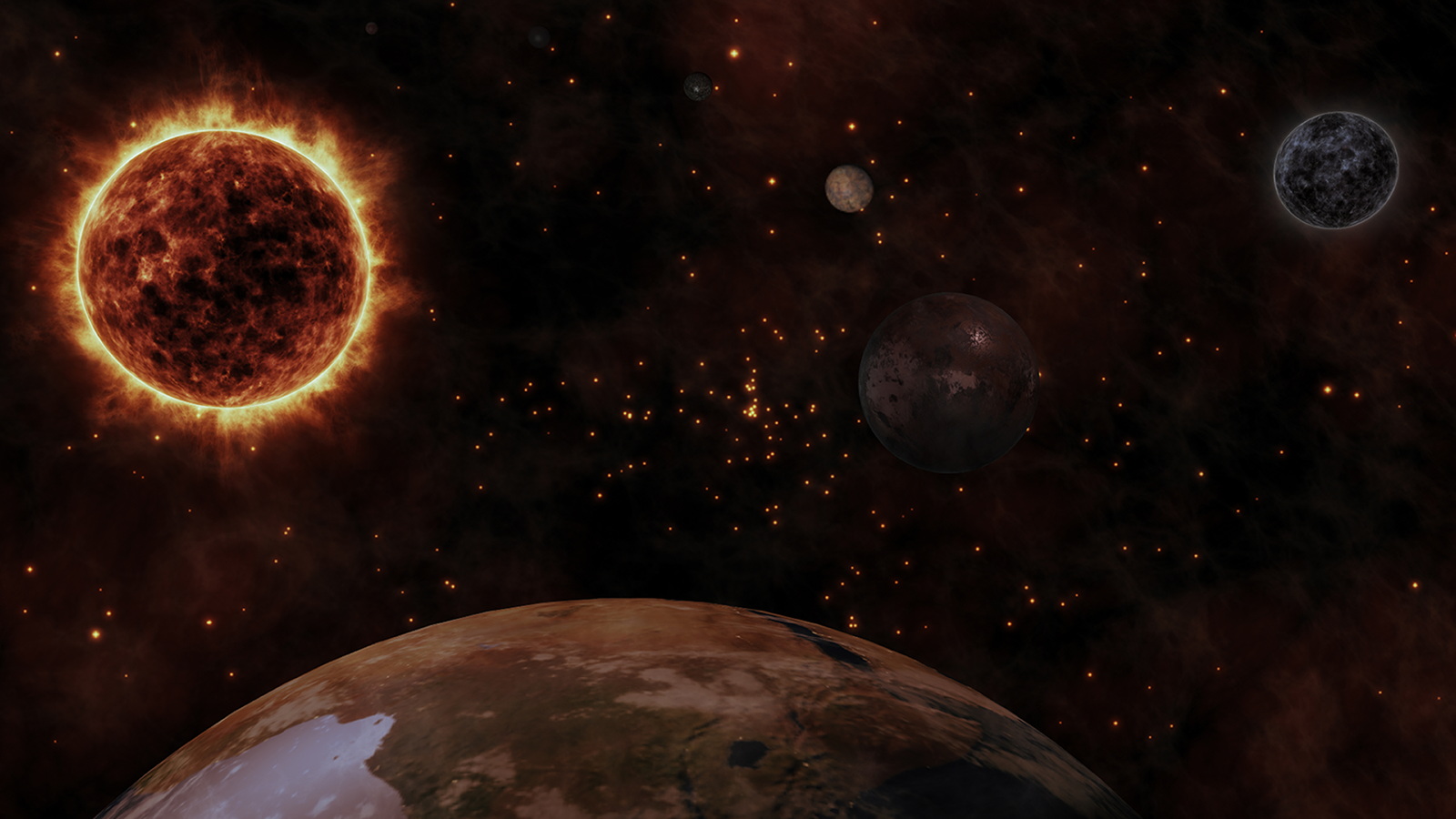
In about 7-8 billion years, the Sun will evolve into a red giant, engulfing Mercury and Venus, and potentially the Earth, before shedding its outer layers and becoming a white dwarf. The inner planets and their atmospheres will be destroyed, while the remaining planets and asteroid cores may persist. Ultimately, only a few planets may survive in some form, orbiting the white dwarf Sun, with many unknowns about their fate in the far future.

astronomy2 years ago

"Alien Worlds and the Sun's Age: Fascinating Insights from NASA"

In 5 billion years, when the Sun becomes a red giant, the fate of Earth is uncertain. However, a nearby planetary system has provided clues about what might happen. Most inner planets are likely to be engulfed, but the outermost planet, similar in orbit to Venus, has a chance of survival. Observations of evolved solar systems and modeling can help predict the fate of our own planet. If Earth can escape engulfment, it may have a longer life orbiting a white dwarf, which could still support habitable conditions.

astronomy2 years ago

"Rogue Star's Potential Orbit Disruption: Threat or Savior for Earth?"

Researchers suggest that in around a billion years, a passing rogue star could potentially knock Earth out of its orbit and back into a cooler zone, saving it from becoming uninhabitable due to the Sun's expansion. Rogue stars, which have been ejected from their home solar systems, pose a rare but potential threat to planets in their path. Simulations show that Earth could end up in a colder orbit or even in the Oort cloud, but the chances of survival in such a scenario are still very slim, estimated at about 1-in-35,000.

astronomy2 years ago

The Deadly Influence of Giant Planets on Habitable Worlds

New research suggests that four exoplanets orbiting a Sun-like star, Rho Coronae Borealis, are doomed as the star enters its red giant phase in about one billion years. The star's expansion will likely engulf the innermost planets, causing their destruction. While some planets may escape through tidal interactions or mean motion resonances, the fate of the exoplanets remains uncertain. This study sheds light on the potential consequences for Earth when our own Sun becomes a red giant in the distant future.

astronomy2 years ago

The Epic Fate of the Sun: Insights from Scientists and Cosmic Graveyards

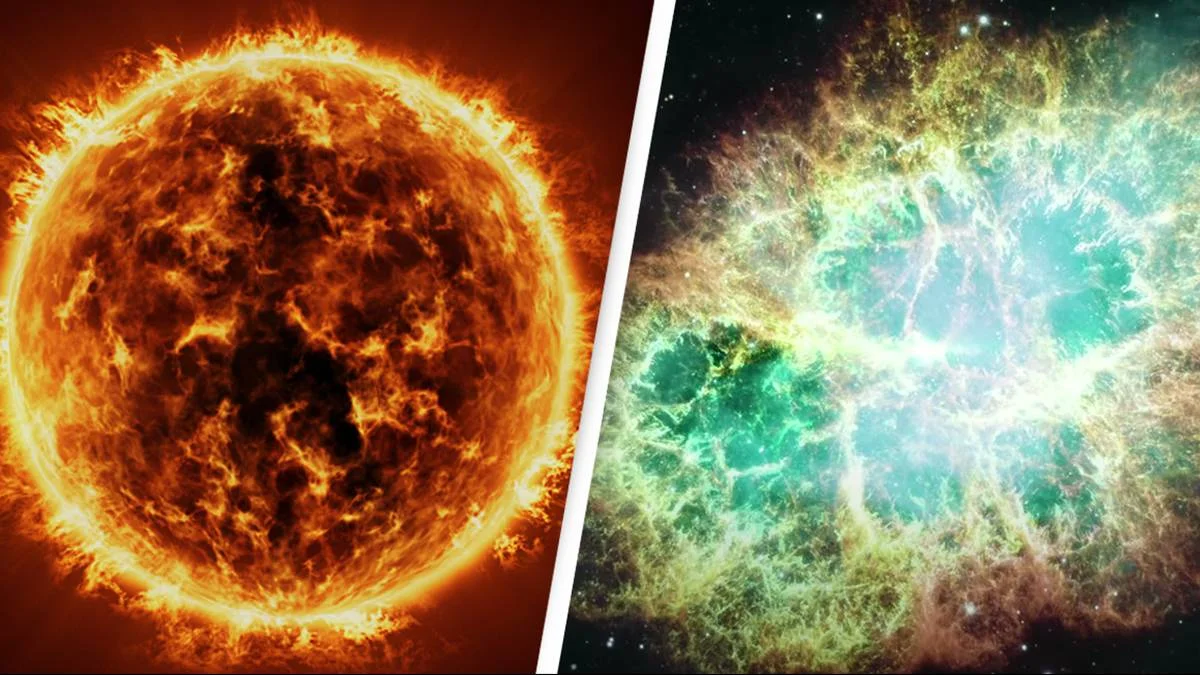
Scientists have predicted that our Sun will eventually turn into a planetary nebula, a luminous bubble of gas and cosmic dust, after it goes through the red giant phase. This prediction was made using computer modeling and suggests that our Sun, like 90 percent of other stars, will shrink down to become a white dwarf before ending as a planetary nebula. The study also resolved a long-standing conflict between observations and models regarding the brightness of planetary nebulae. However, humans won't be around to witness this cosmic spectacle, as the Sun's increasing brightness will make Earth uninhabitable in about 1 billion years.

science2 years ago

Countdown to Catastrophe: Scientists Reveal the Sun's Explosive Deadline

Scientists have estimated that in about a billion years, the Sun will expand into a red giant, causing Earth's oceans to evaporate and its atmosphere to be stripped away. This will render the planet uninhabitable long before the Sun engulfs it. Even if the Sun's expansion stops short, the intense energies emitted will vaporize rocks, leaving behind only the dense iron core of Earth. However, we have at least a billion years until this happens, so no need to worry just yet.