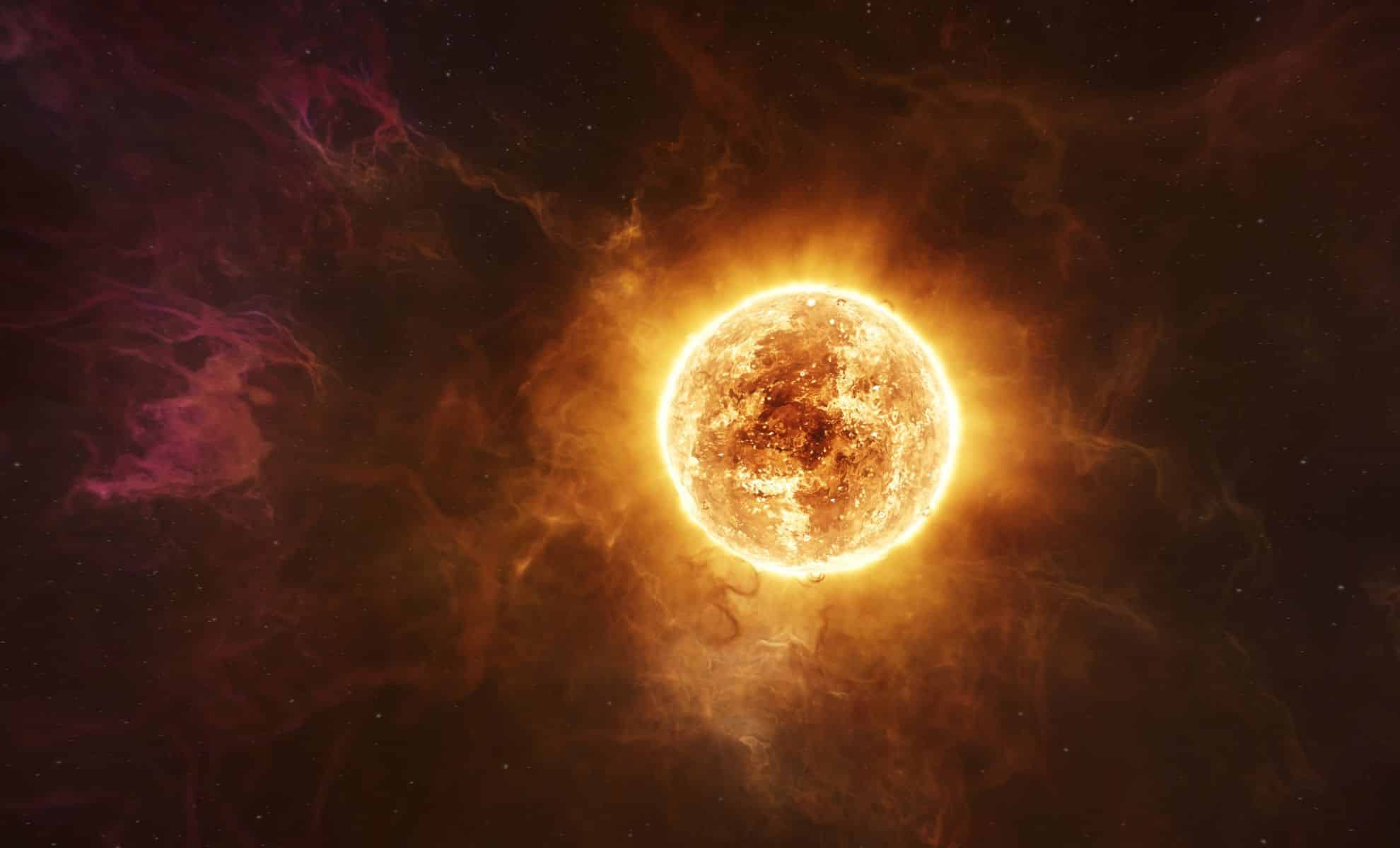
Stellar flares from active stars like red dwarfs can rapidly alter planetary atmospheres, stripping ozone and affecting habitability, but may also contribute to prebiotic chemistry, with effects observable within days to years, including on Earth.
New research examines the potential habitability of exoplanets orbiting red dwarf stars by testing the survivability of Aspergillus niger spores, which produce melanin, when exposed to simulated red dwarf radiation. The study suggests that these spores could survive the intense radiation environments on red dwarf exoplanets if shielded by a few millimeters of soil or water, highlighting the potential role of melanin in the survival of organisms in harsh conditions. This research sheds light on the possibility of life on exoplanets orbiting red dwarfs and provides insights into how melanin may have played a role in the origin and evolution of life on Earth and potentially on other worlds.
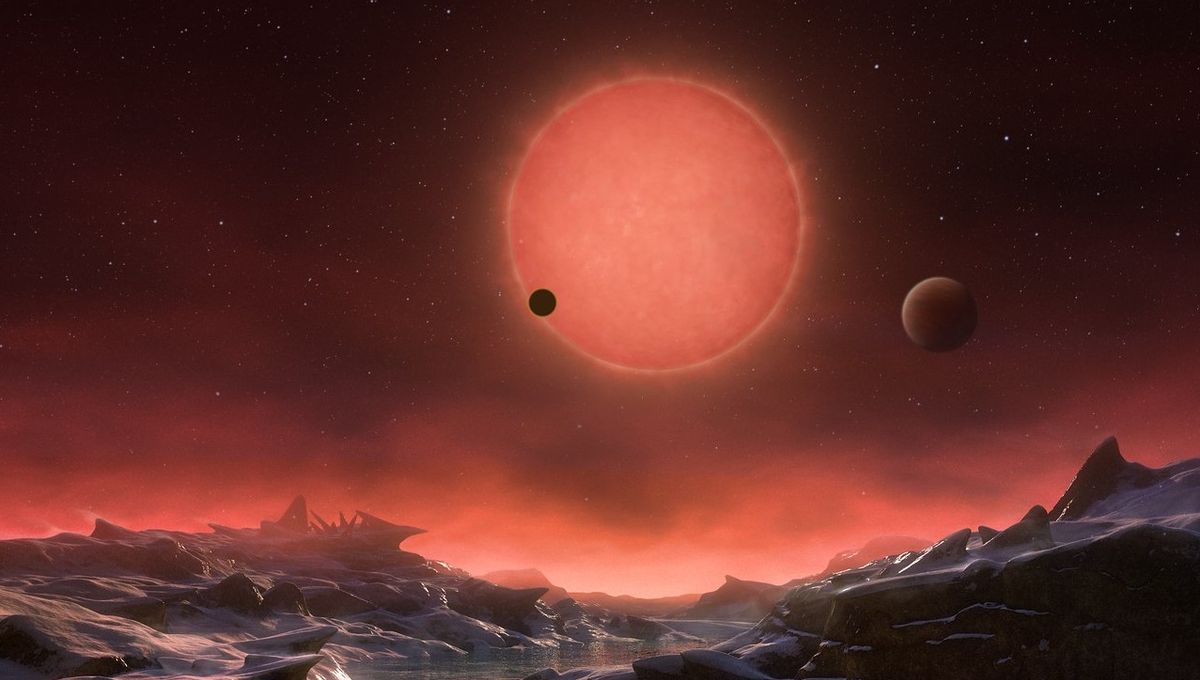
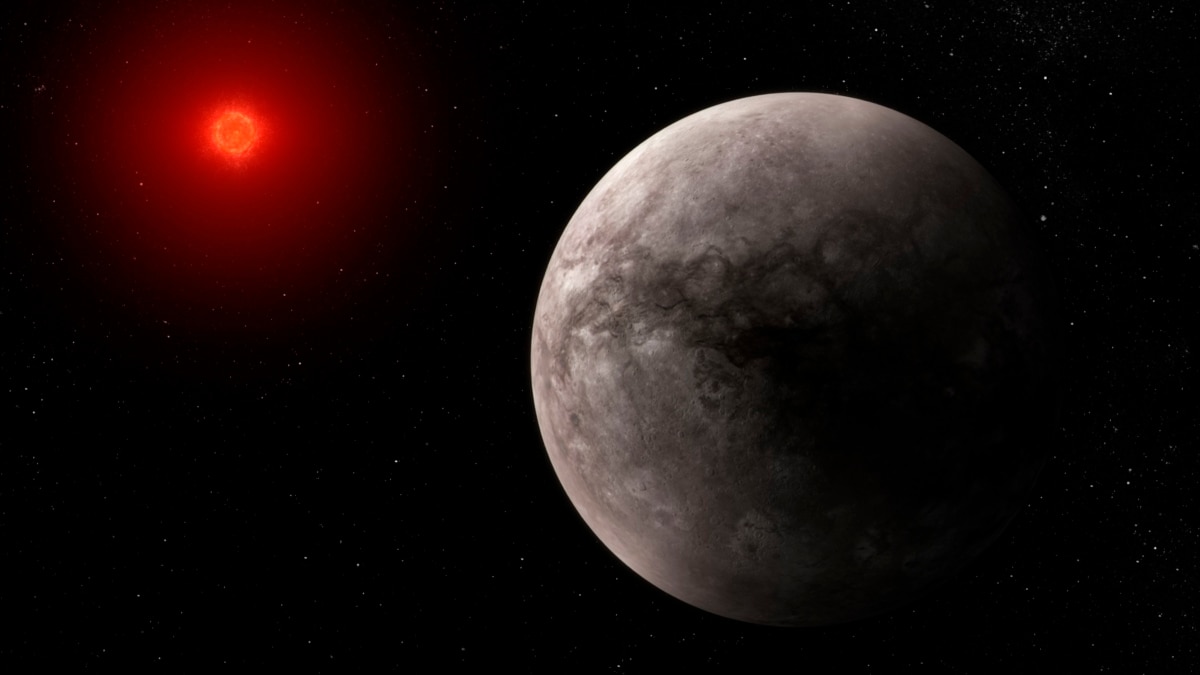
New research challenges the theory that planets like TRAPPIST-1 e were once too hot to support life, as previously believed. The study suggests that these planets may not have lost their atmospheres and water, making them potentially habitable. The findings have implications for the search for life around red dwarf stars, which make up the majority of the galaxy's sources of light. The TRAPPIST-1 system, with its seven rocky planets, is at the center of this debate. Further investigation is needed to confirm these findings and determine the potential for life in these systems.
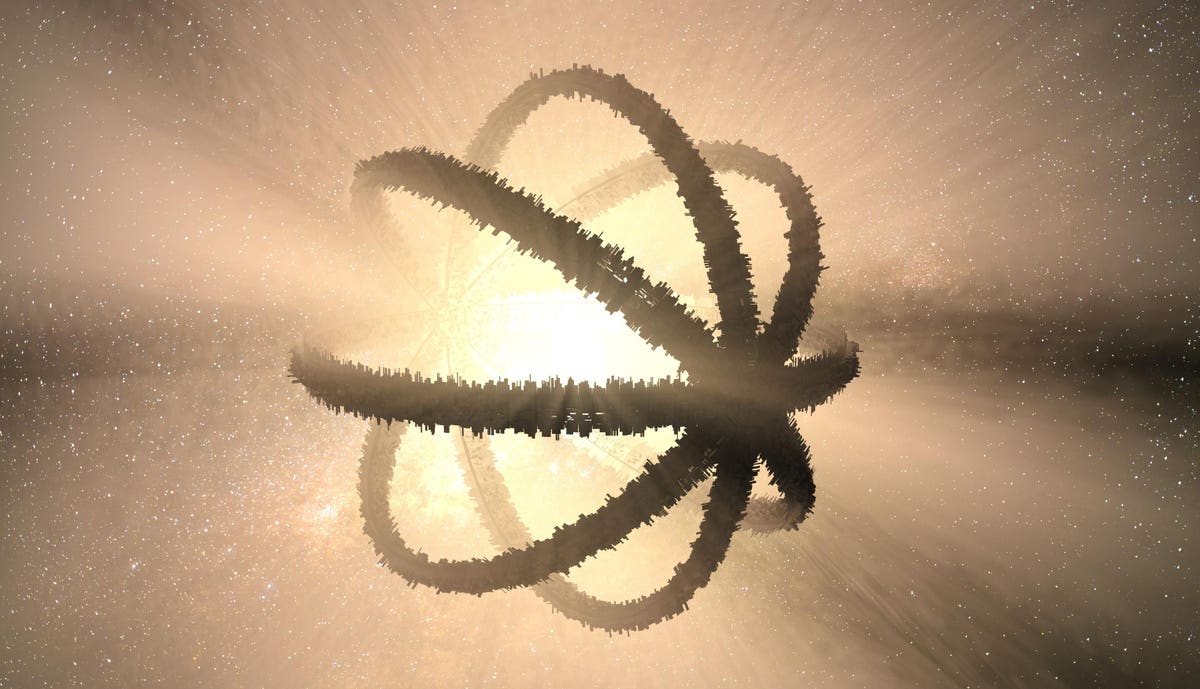
Astronomer Erik Zackrisson and his team at Uppsala University in Sweden are studying the possibility of detecting Dyson spheres, hypothetical megastructures that harness the energy of stars, around red dwarf stars. Red dwarfs make up 75% of the stars in the Milky Way and have estimated lifetimes that can span the age of the universe. By analyzing stellar catalogs, Zackrisson and his team have identified 10 faint red dwarf stars as potential candidates for harboring Dyson spheres. Detecting these structures is challenging, as they would appear dim in the optical and bright in the infrared. However, the research has the potential to advance our understanding of astrophysics and could provide insights into the existence of advanced alien civilizations.
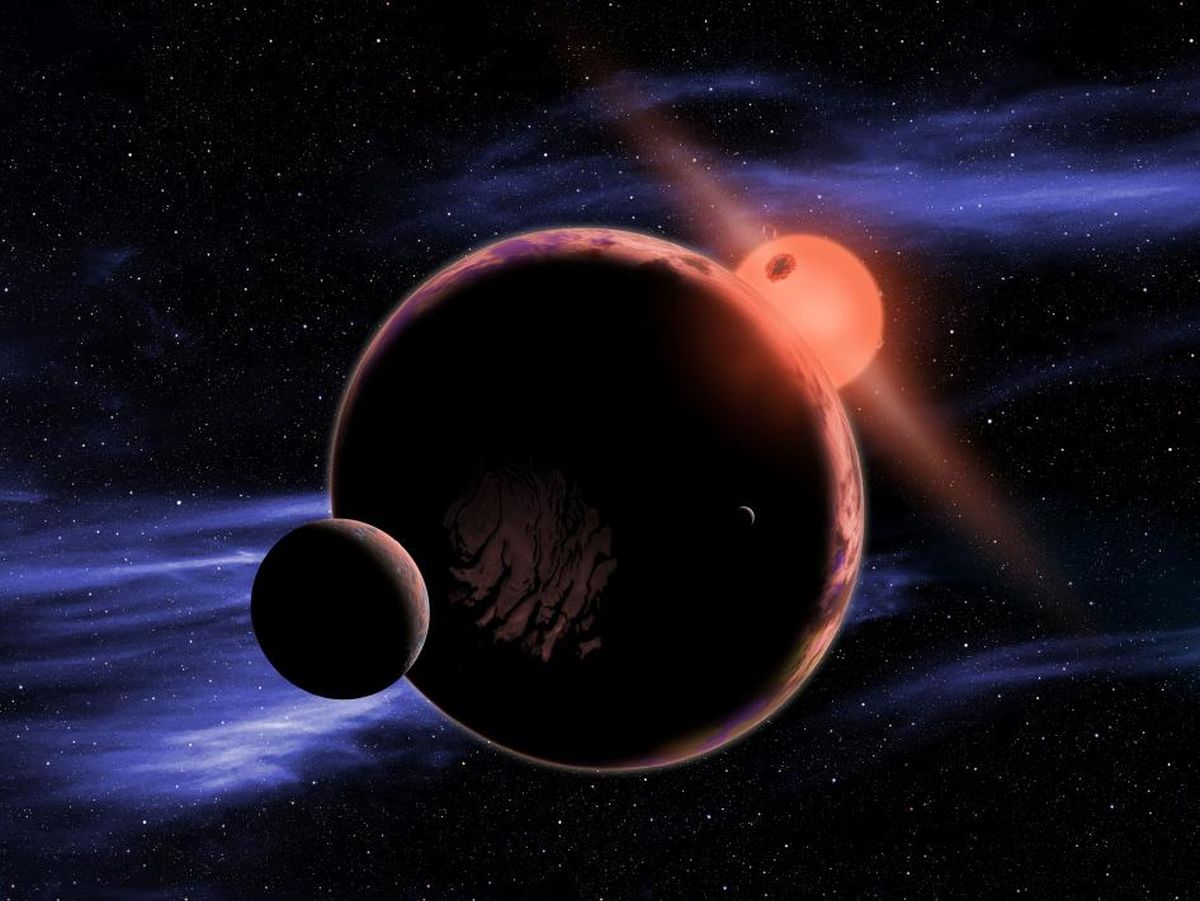
A new study suggests that about one-third of planets orbiting red dwarf stars in our Milky Way galaxy may hold conditions to support life. The study found that a third of planets orbiting red dwarf stars could be in what scientists call the “habitable zone,” meaning they have temperatures that could permit liquid water to exist on the surface. The researchers measured the “eccentricity” of more than 150 exoplanets orbiting red dwarf stars and found that the Milky Way may have hundreds of millions of planets that could be studied for possible signs of life.
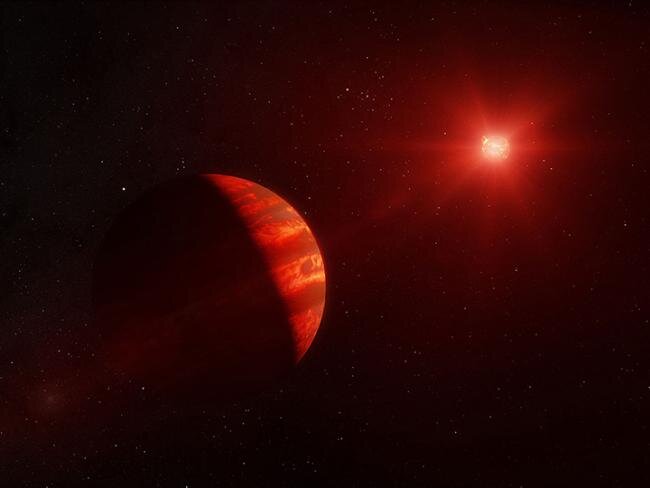
A new study has found that Jupiter-like planets are rare around small red dwarf stars, which are the most common type of star in the universe. This could have implications for the development of Earth-like planets and the search for alien life. The study examined 200 small red dwarfs and found no Jupiter-equivalent planets, suggesting that rocky planets around red dwarfs may not have evolved into Earth-like, life-friendly places. However, the absence of Jupiter-like planets means more raw material should be available for building up smaller, rocky bodies, potentially leading to rich habitability possibilities.